
Pruning
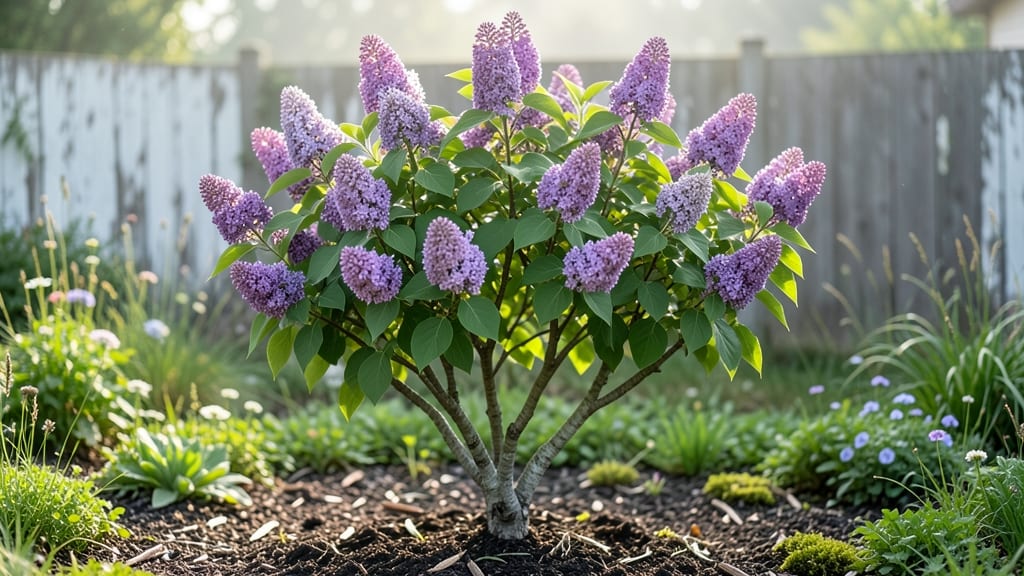
Your lilac tree’s purple blooms could be bigger, brighter, and more abundant next spring—if you prune it right. 🌿 I’ve turned my once-sparse lilacs into fragrant, overflowing clouds of lavender by mastering the timing and technique, and you can too.
The secret isn’t cutting back blindly but shaping the tree to encourage strong, healthy growth where it matters most.
Lilacs bloom on old wood, so the key is strategic cuts that don’t sacrifice next year’s flowers. Focus on removing last year’s spent blooms and thinning crowded branches to improve airflow—this keeps the center from getting leggy and ensures every stem gets sunlight.
The result? A tree that bursts with vibrant purple blooms for weeks, filling your garden with that classic, intoxicating fragrance.
With the right pruning, your lilac becomes the star of your landscape, drawing bees, butterflies, and admiring neighbors. Place it where you’ll see it daily—a focal point near a patio or entryway—and pair it with companion plants like peonies or hostas to extend the season’s interest.
The best part? Once you’ve got the technique down, it takes just 15 minutes a year to keep it thriving.
Whether you’re working with a mature tree or a young sapling, this method adapts to any size. The goal isn’t perfection—it’s revitalizing your lilac’s natural beauty so it becomes the showstopper of your garden, season after season. Let’s get those blooms back in full force!
📚 In This Guide
- What you need
- Instructions
- Tips and common mistakes
- Wrapping up and next steps
What you need
- ● Pruning shears – Bypass pruners (sharp, 6–8" blades) for clean cuts on small branches.
- ● Loppers – For thicker branches (1–2" diameter), with long handles for leverage.
- ○ Pruning saw – Optional but handy for branches over 2" thick (aluminum or carbon steel blade).
- ● Gloves – Heavy-duty, cut-resistant to protect from thorns and sap.
- ● Disinfectant – Rubbing alcohol (70%+) or bleach solution (1:9 bleach:water) to sterilize tools between cuts.
- ○ Pruning sealant – Optional (e.g., tree wound paint) for large cuts over ½" diameter.
- ● Ladder or stool – Sturdy, extendable (6–10 ft) to safely reach higher branches.
- ● Heavy-duty trash bags – For collecting pruned branches and debris.
- ○ Sharpie or marker – Optional for marking branches to remove (if planning ahead).
- ● Weather check – Prune on a dry, calm day (avoid rain or wind). Ideal temps: 50–70°F.
- ● Safety gear – Safety glasses and long sleeves/pants to protect from sap and debris.
- ● Tree knowledge – Identify your lilac’s age and bloom cycle (prune right after flowering for best results!).
- ● Clean workspace – Lay down tarps or cardboard to catch fallen branches and leaves.
- ● 🔥 Sharpen your tools first! Dull blades tear wood, inviting disease.
- ● ✨ Sterilize tools between cuts to prevent spreading fungal/bacterial infections.
- ● 🌡️ Work in stages if your tree is large—prune no more than ⅓ of the canopy at once.
Step-by-step guide to reviving your lilac tree's purple blooms
Here's the method I trust to transform your lilac into a fragrant, purple-blooming powerhouse year after year.
✂️ Step 1: Time Your Pruning for Maximum Impact
Prune your lilac immediately after its spring blooms fade completely—never in fall or winter. This timing ensures you never cut off next year's flower buds, which form on last year's growth. Watch for the flowers to drop naturally, then wait another week before pruning. Lilacs bloom on old wood, so cutting too early removes next season's blooms entirely.
Use sharp, clean pruners to make cuts at a 45-degree angle just above a bud or branch junction. This prevents water from pooling and rotting the wound. If your lilac is overgrown, you'll need to prune over 2-3 years to avoid shocking the plant. Never remove more than one-third of the plant's growth in a single season.
🌿 Step 2: Remove Dead, Weak, and Crossing Branches
Start by removing any dead, diseased, or weak branches first—these are easy to spot as they're brown, brittle, or lack leaves. Cut these back to the main trunk or a healthy lateral branch. Next, look for branches that cross or rub against each other. These create wounds where pests and diseases can enter, and they compete for sunlight and nutrients.
Also, trim any suckers growing from the base of the tree. These vigorous shoots drain energy from the main plant. Use your pruners to cut them off at ground level. If your lilac has become too dense, thin out some of the oldest branches to improve airflow and light penetration. This step is critical for preventing fungal diseases like powdery mildew.
✂️ Step 3: Shape the Tree for Optimal Growth and Blooms
Now focus on shaping the lilac to encourage stronger blooms and better airflow. Start by shortening the longest branches to maintain a balanced shape. Cut back to a bud or lateral branch that faces outward. This outward-facing growth prevents the tree from becoming too dense in the center. Avoid cutting into the center of the tree, as this can create a dark, humid environment that invites disease.
For older lilacs, you can rejuvenate them by cutting back one-third of the oldest stems to the ground. This encourages new growth and more vigorous blooming. However, only do this every 3-4 years to avoid stressing the plant. After pruning, step back and admire your work—your lilac should now have an open, airy structure ready for next season's purple spectacle.
💧 Step 4: Post-Pruning Care for a Strong Recovery
Water your lilac deeply after pruning to help it recover. The roots need moisture to support new growth, especially if you've made significant cuts. Apply a 2-3 inch layer of mulch around the base of the tree, keeping it 6 inches away from the trunk to prevent rot. This mulch layer helps retain moisture and regulates soil temperature.
Finally, consider applying a balanced, slow-release fertilizer in early spring to give your lilac the nutrients it needs for robust growth. Avoid high-nitrogen fertilizers, as these promote leafy growth at the expense of flowers. Instead, opt for a fertilizer with a balanced NPK ratio (like 10-10-10) or one slightly higher in phosphorus (like 10-20-10) to encourage blooming.
Tips & tricks for perfect lilac tree pruning
These pro-level insights will help you avoid common mistakes and maximize your lilac's purple blooms next season.
Timing is Everything: The one-week waiting period after flowers drop is critical—this ensures next year's buds have already formed on last year's wood. I've seen gardeners rush this step and end up with sparse blooms the following spring. Mark your calendar right after the last petal falls to remember this crucial timing.
Pruning Technique Matters: When making those 45-degree cuts above buds, visualize the bud as a tiny eye looking outward. This outward-facing growth creates the perfect structure for sunlight penetration and airflow. I always test my angle by imagining a raindrop rolling off the cut—if it pools, you need to adjust. This simple technique prevents water-related rot that can kill branches.
Gradual Pruning for Overgrown Trees: If your lilac needs serious revival, spread the pruning over 2-3 years rather than trying to fix everything at once. In Step 1, focus on removing only dead wood first, then work on shaping in subsequent years. I learned this the hard way after removing too much growth in one season and nearly losing a mature lilac to shock.
Post-Pruning Care Secrets: That 2-3 inch mulch layer isn't just decorative—it acts like a thermal blanket for your tree's roots. I recommend using shredded bark mulch, which breaks down slowly and improves soil structure over time. Keep it 6 inches from the trunk to prevent rot, and always water deeply after pruning to help the tree recover from its "surgery."
Pro Tips for Lilac Tree Purple
- These pro-level insights will help you avoid common mistakes and maximize your lilac's purple blooms next season.
- Timing is Everything: The one-week waiting period after flowers drop is critical—this ensures next year's buds have a...
- Pruning Technique Matters: When making those 45-degree cuts above buds, visualize the bud as a tiny eye looking outwa...
Frequently asked questions
Got questions about keeping your lilac tree purple and thriving? Here are some of the most common ones—plus expert answers to help you prune like a pro!
When is the best time to prune my lilac tree for purple blooms?
Prune your lilac tree right after it finishes blooming (late spring to early summer). This ensures you don’t cut off next year’s flower buds, which form on old wood. Avoid pruning in fall or winter, as lilacs are dormant and more vulnerable to disease.
How much can I trim my lilac tree without harming it?
Never remove more than one-third of the tree’s growth in a single pruning session. For shaping, focus on dead, diseased, or overcrowded branches. If your lilac is overgrown, space pruning over 2-3 years to avoid stressing the plant.
Why did my lilac tree stop blooming purple?
Lilacs may skip blooms due to over-pruning (cutting back too late or too aggressively), poor nutrition (lack of phosphorus), or disease. Check for powdery mildew (white fuzz on leaves) and fertilize with a balanced 10-10-10 formula in early spring.
Can I prune my lilac tree in summer for more purple flowers?
Pruning in summer (after blooming) is fine for light shaping or deadheading, but avoid heavy cuts—this can reduce next year’s flowers. If you must prune later, stick to removing only the current season’s growth (new shoots) to avoid disturbing flower buds.
What’s the difference between pruning a young lilac vs. an established one?
| Young Lilacs (1-3 years old) | Established Lilacs (4+ years old) |
|---|---|
| Focus on removing only dead/damaged branches and shaping lightly. | Prune to open the center for airflow and light, and thin out older stems (5+ years) to encourage new growth. |
Pro tip:
Use sharp, clean tools and sterilize them with rubbing alcohol between cuts to prevent disease spread!
Wrapping up and next steps
Your lilac tree’s purple bloom revival is just a few sharp snips away! With the right tools, timing, and technique, you’ll ensure a stunning display next spring—without the stress. Remember: patience and precision pay off in fragrant, vibrant flowers.
Ready to take action? Mark your calendar for late winter or early spring, grab your pruners, and give your lilac the care it deserves. Your future purple paradise starts now! 🌸✂️