
Diseases
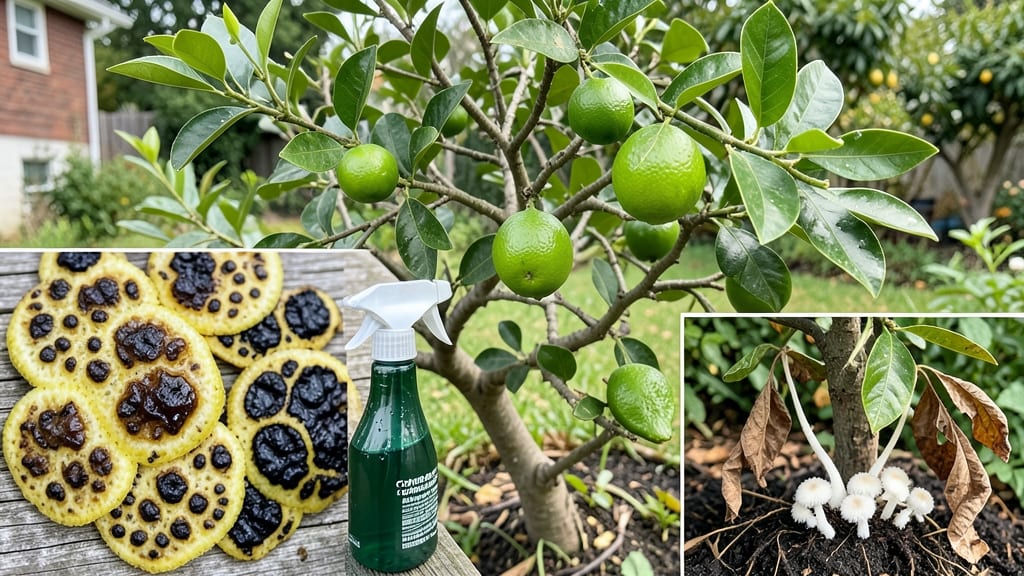
Spotting lime tree diseases pictures early can save your tree from irreversible damage—here’s what to look for in those first suspicious spots. 🌿 I’ve seen powdery white patches, oozing cankers, and sudden leaf drop that turned out to be fungal or bacterial infections.
These visual clues are your first warning signs before the problem spreads.
The most common culprits include citrus canker, which creates raised, water-soaked lesions, and melanose, identifiable by dark spots on leaves and stems. Fungal diseases often appear as discolored patches or moldy growths, while bacterial infections may cause leaf scorch or gumming on branches.
Each requires different treatment, so knowing the difference is key.
Once you identify the issue, you can act fast—pruning infected branches, applying copper-based sprays, or adjusting watering habits to stop the spread. The goal is to catch it before it weakens the tree’s roots or defoliates entirely. Prevention starts with proper care and regular inspections.
This guide includes photos of each symptom so you can compare what’s happening in your yard to the real signs. No more guessing—just clear, actionable steps to keep your lime tree healthy and thriving.
Root Causes Of Lime Tree Ailments
Lime trees—whether you’re growing Citrus aurantifolia (key lime) or Citrus × latifolia (Persian lime)—are susceptible to diseases due to a mix of environmental stress, microbial invaders, and poor cultural practices. Understanding the why behind these issues helps you take targeted action before symptoms spiral out of control.
Below, we break down the most common culprits, from soil-borne pathogens to weather-related triggers.
Fungi thrive in lime trees because they exploit weak spots—often created by overwatering, poor drainage, or physical damage. Here’s how they strike:
- Excess Moisture: Fungi like Phytophthora and Fusarium love soggy soil. When lime trees sit in waterlogged conditions, their roots suffocate, creating entry points for fungal spores. Pro tip: Ensure your tree’s container or soil has at least 30% perlite or sand to prevent compaction.
- Warm, Humid Climates: Diseases like citrus canker (caused by Xanthomonas axonopodis) and melanose spread rapidly in temperatures between 75–90°F (24–32°C) with high humidity. Coastal or tropical regions are hotspots for these outbreaks.
- Weakened Tree Defense: Stress from drought, nutrient deficiencies (especially zinc or magnesium), or pruning wounds leaves trees vulnerable. Alternaria leaf spot, for example, targets trees already struggling from low nitrogen.
🔍 Actionable Fix: Space out waterings, avoid overhead irrigation (use drip systems), and apply copper-based fungicides preventatively in spring if your area is prone to fungal outbreaks.
Bacteria don’t just appear—they hitchhike on tools, wind, or contaminated water. Here’s how lime trees get infected:
- Contaminated Pruning Tools: Bacteria like Xanthomonas (citrus canker) can survive on rusty or dirty shears for weeks. A single cut can introduce the pathogen into the tree’s vascular system.
- Poor Sanitation: Mulch, soil, or even bird droppings near the tree can harbor Pseudomonas syringae, which causes bacterial leaf spot. 💡 Tip: Sterilize tools with 70% isopropyl alcohol between cuts.
- Hurricane or Hail Damage: Physical trauma from storms creates open wounds, inviting bacteria to colonize. Citrus blight, caused by Xylella fastidiosa, often enters through broken bark.
🛡️ Prevention: Remove and burn or double-bag infected leaves, avoid overhead watering, and consider copper sprays during rainy seasons.
Not all lime tree diseases are microbial—some stem from environmental mismanagement. Here’s what’s really stressing your tree:
| Stressor | How It Causes Disease | Fix It |
|---|---|---|
| Overwatering | Root rot (Phytophthora) thrives when roots drown. Yellowing leaves and mushy stems are red flags. | Let the top 2–3 inches of soil dry between waterings; improve drainage with gravel or raised beds. |
| Nutrient Deficiencies | Low iron (chlorosis) or zinc weakens the tree’s immune response, making it susceptible to secondary infections. | Test soil and amend with chelated iron or Epsom salt (magnesium sulfate). |
| Extreme Temperature Swings | Cold snaps (<32°F/0°C) damage leaves, while heat stress (>100°F/38°C) weakens the tree, inviting pests/diseases. | Use shade cloth in summer and windbreaks in winter. |
⚠️ Watch For: Sudden wilting, oozing sap, or unusual leaf patterns—these are often signs of stress-induced susceptibility.
Pests like aphids, scale insects, and citrus leaf miners don’t just sap nutrients—they create wounds that let pathogens in. Here’s the connection:
- Aphids & Scale: Their sticky honeydew attracts sooty mold, a fungal growth that smothers leaves and blocks sunlight.
- Citrus Psyllids: These insects transmit Huanglongbing (HLB), a bacterial disease that clogs a tree’s vascular system, leading to yellow shoots and premature fruit drop.
- Root-Knot Nematodes: These microscopic worms stunt root growth, making the tree more prone to Fusarium wilt.
🛠️ Solution: Introduce beneficial nematodes for soil pests, use neem oil for aphids, and remove infected limbs immediately to stop spread.
Quick Fixes for Common Lime Tree Ailments
When your lime tree starts showing signs of distress—whether it’s yellowing leaves, mushy stems, or black spots—acting fast can save the day. Below are targeted solutions for the most common lime tree diseases, paired with prevention tips to keep your tree thriving.
Think of this as your emergency repair kit for ailing citrus! 🚑🌿
Fungi like citrus scab, anthracnose, and root rot thrive in damp conditions. Here’s how to fight back:
🔥 Step 1: Prune and Clean Up
- Remove infected branches (up to 6 inches below the damage) using sterilized pruners (wipe with rubbing alcohol between cuts).
- Bag and dispose of clippings—don’t compost them!
- Thin out foliage to improve airflow (fungi love humidity).
🍳 Step 2: Apply Fungicide
- Copper-based fungicides (like Copper Sulfate) work for scab and rust. Spray every 7–14 days during wet seasons.
- Systemic fungicides (e.g., Propiconazole) tackle root rot.
Follow label instructions for soil drenching. - Baking soda spray (1 tbsp baking soda + 1 tsp dish soap + 1 gallon water) can prevent fungal spores on leaves. Test on a small area first!
🌡️ Step 3: Adjust Care Routine
- Water at the base (avoid wetting leaves) and water deeply but less frequently to prevent soggy soil.
- Mulch with wood chips (2–3 inches) to regulate soil moisture and temperature.
- Avoid overhead irrigation—use drip systems instead.
💡 Pro Tip:
🌱 Prevention: Plant lime trees in well-draining soil and space them 6–10 feet apart to reduce humidity buildup. If your area is prone to rain, consider fungus-resistant varieties like ‘Meyer’ lime.
Bacteria like citrus bacterial spot and canker cause oozing sores and leaf drop. Here’s how to stop the spread:
👨🍳 Step 1: Sterilize Everything
- Disinfect tools with bleach solution (1 part bleach to 9 parts water) before and after pruning.
- Wear gloves—bacterial infections spread through cuts and sap.
🔪 Step 2: Remove Infected Tissue
- Cut out cankers (sunken, oozing areas) down to healthy wood. Burn or trash the debris—do not compost.
- Prune entire branches if >50% are infected to prevent systemic spread.
⏰ Step 3: Use Copper Sprays
- Copper fungicide/bactericide (e.g., Bordeaux Mix) can suppress bacterial growth. Apply every 2–3 weeks during outbreaks.
- Avoid antibiotics—they don’t work on plants and can harm soil microbes.
✨ Pro Tip:
🎯 Prevention: Solarize soil in late summer (cover with clear plastic for 4–6 weeks) to kill bacterial pathogens. Also, avoid wounding trees—use sharp tools for pruning to prevent entry points.
Pests like scale insects and spider mites weaken trees, making them susceptible to diseases. Here’s how to evict them:
🍳 Step 1: Blast Off Pests
- Spray with horticultural oil (like neem oil) or insecticidal soap (1 tsp per quart of water). Reapply every 5–7 days for 2–3 weeks.
- Use a strong jet of water to knock off scale insects from branches.
🔪 Step 2: Introduce Beneficial Insects
- Ladybugs and lacewings devour mites and soft-bodied pests. Buy them online or attract them with dill or fennel plants nearby.
🌡️ Step 3: Monitor and Repeat
- Check undersides of leaves weekly for new pests.
- Refrigerate trees (wrap in frost cloth) for 24 hours in winter to kill overwintering pests.
💡 Pro Tip:
🌱 Prevention: Encourage biodiversity—plant marigolds or basil near lime trees to repel pests naturally. Also, avoid over-fertilizing with nitrogen, which attracts soft-bodied insects.
If your lime tree looks pale, stunted, or has curled leaves, it might be missing key nutrients. Here’s how to fix it:
📊 Step 1: Test the Soil
- Use a citrus-specific soil test kit (available at garden centers) to check for deficiencies in nitrogen (N), iron (Fe), zinc (Zn), or magnesium (Mg).
💪 Step 2: Fertilize Correctly
- For nitrogen deficiency (yellow lower leaves): Use a balanced citrus fertilizer (6-6-6 or 8-3-9) every 2 months in growing season.
- For iron deficiency (yellow between veins): Apply chelated iron (like Ironite) or Epsom salt (1 tbsp per gallon of water, spray on leaves).
- For zinc deficiency (stunted growth): Use a zinc sulfate spray (1 tsp per gallon of water).
🍎 Step 3: Improve Soil Health
- Add compost (2–3 inches) around the base annually to boost organic matter.
- Avoid overwatering—lime trees prefer slightly dry soil between waterings.
💡 Pro Tip:
🌱 Prevention: Mulch with citrus-specific compost and avoid heavy clay soils (amend with perlite or sand). If your tap water is high in chlorine, water with rainwater instead to prevent nutrient lockout.
🌟 Final Reminder: The key to saving your lime tree is early action and consistent care. Combine these fixes with regular inspections (check leaves, bark, and roots monthly), and your tree will bounce back stronger than ever! For severe cases, consult a local arborist—they’ve seen it all and can tailor a plan. 🌳💚
Frequently asked questions about lime tree diseases
What do lime tree disease symptoms look like in pictures?
Common visual signs include raised, water-soaked lesions (citrus canker), dark spots with yellow halos (melanose), or powdery white patches (fungal infections). Look for leaf scorch, oozing cankers, or sudden defoliation—these are key indicators. Our visual guide includes side-by-side comparisons of healthy vs. infected foliage to help you spot issues early.
Can I treat lime tree diseases without chemicals?
Yes! For mild cases, try baking soda spray (1 tbsp baking soda + 1 tsp dish soap + 1 gallon water) for fungal issues, or neem oil (1 tsp per quart of water) for pests. Prune infected branches immediately and improve airflow by thinning dense foliage. Organic copper sprays (like Bordeaux mix) also work for bacterial problems when used preventatively.
Why do lime trees get diseases more often than other citrus?
Lime trees are particularly vulnerable due to their thin bark and high humidity needs, which create perfect conditions for fungal/bacterial growth. Their shallow root systems also make them prone to soil-borne pathogens like Phytophthora. Overwatering and poor drainage further stress the tree, weakening its natural defenses against diseases.
How do I know if my lime tree has a fungal or bacterial infection?
Fungal diseases often show as powdery growths, leaf spots, or mold on both leaf surfaces, while bacterial infections typically cause oozing cankers, yellowing leaves, or gumming on branches. Check for raised lesions (bacterial) vs. fuzzy coatings (fungal). A microscope can confirm spores vs. bacterial cells, but visual clues usually suffice for early treatment decisions.
Will pruning help stop the spread of lime tree diseases?
Prune infected branches 6 inches below visible damage using sterilized tools (wipe with rubbing alcohol). Remove all debris immediately—never compost infected plant material. Thin out dense foliage to improve airflow, which reduces humidity and slows disease progression. Always sterilize tools between cuts to prevent cross-contamination.