
Pruning
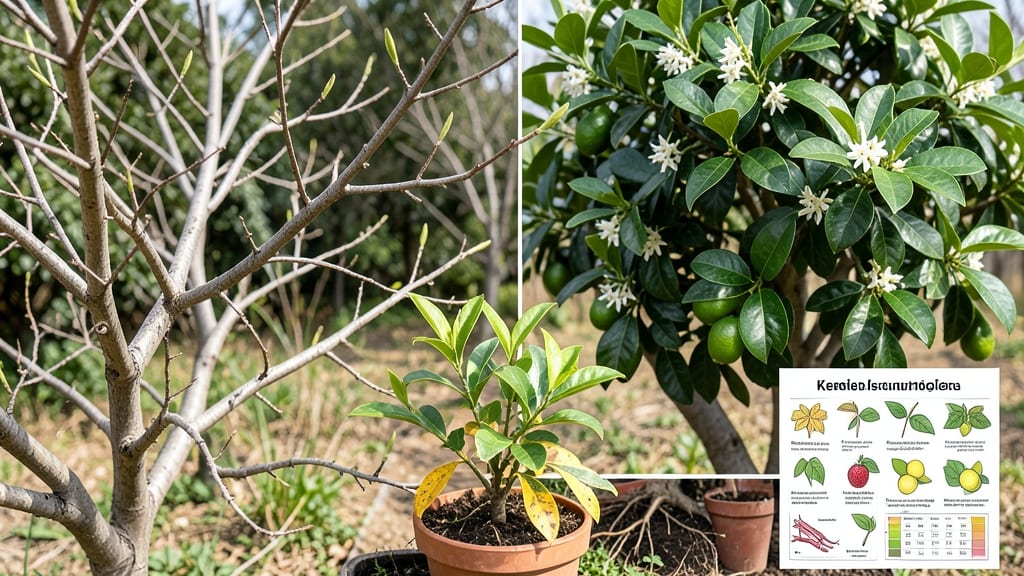
A lime tree not flowering is often a pruning problem in disguise. 🌿 I’ve nursed back three stubborn trees by focusing on just two things: when you prune and how aggressively.
The right cuts trigger the exact hormonal response that wakes up dormant flower buds—even on trees that’ve given up hope.
Most lime trees need cool-season pruning (late winter/early spring) to set blooms for summer, but timing isn’t everything. Over-pruning in summer stresses the tree, while winter cuts can expose it to frost damage.
The fix? Light, strategic cuts that open the canopy to sunlight while keeping the tree’s energy focused on roots—not just leaves.
You’ll see the first signs of success within 4-6 weeks: tiny green buds forming in the leaf axils. For extra insurance, add a balanced citrus fertilizer (higher phosphorus) in early spring. The key is patience—some trees take a full year to rebound, but the payoff is worth it.
Works for Meyer lemons, key limes, and Persian limes alike. Here’s the step-by-step pruning checklist that’s brought my trees back from the brink—no guesswork, just science-backed cuts.
Root Causes Behind Missing Blooms
When your lime tree refuses to flower, it’s often a silent signal that something fundamental is out of balance. Understanding these triggers is the first step toward restoring vibrant blooms. Below, we break down the most common reasons—backed by science—and what they mean for your tree’s health.
---
Lime trees, like many fruit-bearing plants, need time to mature before they produce flowers. Young trees (typically under 3–5 years old) prioritize root and foliage growth over flowering. This is a survival strategy—energy goes to establishing a strong framework before reproductive efforts begin.
Key signs it’s an age issue: - The tree is under 5 feet tall or has fewer than 10–15 main branches. - Leaves are large, lush, and healthy, but no buds form in spring. - The tree is non-fruiting for multiple years in a row.
💡 Pro Tip: If your tree is young, patience is key. Focus on balanced fertilization (high in nitrogen for growth, then shift to phosphorus/potassium as it matures) and proper pruning to encourage structural strength. Avoid heavy pruning in early years—it can delay flowering further.
---
Flowers are energy-intensive, and without the right nutrients, your lime tree will skip this step. The two biggest culprits?
1. Low Phosphorus (P): Phosphorus is the "flowering fuel"—it triggers bud formation. A deficiency often shows as: - Dark green or purple-tinged leaves (especially on younger growth). - Stunted new shoots with no flower buds. - Slow root development (roots appear thin or sparse).
2. Excess Nitrogen (N): Too much nitrogen (common in fast-release fertilizers) promotes leafy growth at the expense of flowers.
Over-fertilizing with nitrogen can lead to: - Lush, soft new growth with no buds. - Yellowing leaves (nitrogen burn) or excessive vine-like branches. - Delayed or absent flowering for seasons.
📊 Soil Test Reality Check: Use a home soil test kit or send a sample to a lab to check P and N levels. Ideal ratios for flowering trees: - N-P-K ratio: 5-10-10 or 6-12-12 (higher phosphorus than nitrogen). - pH: Lime trees thrive in slightly acidic to neutral soil (6.0–7.0). Below 5.5 or above 7.5 can block nutrient uptake.
---
Lime trees are tropical or subtropical, meaning they’re sensitive to temperature swings, light, and water stress. When conditions stray from their comfort zone, flowering takes a backseat to survival.
| Stressor | Signs Your Tree Is Stressed | How It Affects Flowering | |-----------------------|--------------------------------------------------------|------------------------------------------------------| | Insufficient Sunlight | Pale, elongated leaves; weak stems; sparse foliage. | Needs 6–8+ hours of direct sun daily.
Shade reduces photosynthesis → less energy for flowers. | | Extreme Heat or Cold | Leaf scorch (brown edges), sudden leaf drop, or stunted growth. | Below 50°F (10°C) or above 95°F (35°C) for prolonged periods can shock the tree into dormancy or stress. | | Irregular Watering | Wilting, crispy leaf edges, or mushrooms at the base. | Drought stress triggers survival mode (flowering pauses). Overwatering causes root rot, starving the tree of nutrients. | | Wind or Poor Airflow | Torn leaves, leaning trunk, or stunted growth. | High winds damage buds or prevent pollination (if flowers do form). |
🌡️ Climate Hack: If you’re in a cool climate, choose dwarf or cold-hardy lime varieties (e.g., Citrus aurantifolia ‘Mexican Lime’). In hot regions, provide afternoon shade to prevent heat stress while ensuring morning sun for energy.
---
Pruning is a double-edged sword—done wrong, it can permanently delay or stop flowering. Common pruning errors include:
- Over-Pruning in Late Winter/Early Spring: Lime trees set flower buds in late winter to early spring.
Cutting back too aggressively during this window removes potential bloom sites. - ❌ Avoid: Removing more than 20–25% of the canopy in one session. - ✅ Do: Prune after flowering (post-harvest) or in early fall to shape without sacrificing buds.
- Removing Flowering Branches: Lime trees often flower on new wood (current year’s growth) or mature wood (older branches). If you shear off all flowering branches, the tree has no signal to produce buds next season. - 🔍 Look for: Small, green or pinkish buds (future flowers) in spring.
Avoid cutting these off!
- Improper Cuts: Topping (cutting the top flat) or severe heading back (cutting stems to stubs) encourages weaker, non-flowering growth. Always use clean, angled cuts just above a leaf node or bud.
--- Hidden attackers can consume buds, sap nutrients, or disrupt hormonal signals needed for flowering. Watch for:
- Aphids, Scale, or Mealybugs: These sap-sucking pests weaken the tree by draining nutrients. They often cluster on new growth and flower buds, preventing them from opening. - 🐜 Signs: Sticky residue (honeydew), curled leaves, or black sooty mold.
- Citrus Leaf Miner: Larvae burrow into leaves, reducing photosynthesis and starving the tree of energy for flowers. - 🍃 Signs: White, serpentine trails on leaves; premature leaf drop.
- Root Rot (Fungal): Overwatering or poor drainage leads to Phytophthora or Pythium, which rotting roots can’t absorb water/nutrients. Result? No energy for blooms. - 🌱 Signs: Mushrooms at the base, mushy roots, yellowing leaves despite watering.
🎯 Fix It: - Spray with neem oil (for pests) or copper fungicide (for root rot). - Improve drainage by amending soil with perlite or sand. - Remove infected branches (sterilize pruners with rubbing alcohol between cuts).
Revive Your Lime Tree’s Blooms
Now that you know why your lime tree might be skipping its floral show, let’s roll up our sleeves and get to work! The good news? Most issues are fixable with a little TLC—and some strategic pruning.
Below, we’ve mapped out practical solutions for each common cause, plus prevention tips to keep your tree thriving long-term.
---
If your lime tree’s leaves are pale or stunted, it’s likely crying out for nutrients. Citrus trees are heavy feeders, and poor soil can stunt flower production.
#### 🔥 Step 1: Test Your Soil Before grabbing a random fertilizer, check your soil’s pH and nutrient levels.
A simple DIY soil test kit (available at garden centers) or a lab test will tell you if your tree needs: - Nitrogen (N) – For leafy growth (but too much can delay blooms). - Phosphorus (P) – Essential for flower and fruit development (this is your priority!). - Potassium (K) – Supports overall health and stress resistance. - Micronutrients – Zinc, iron, and magnesium deficiencies can also block flowering.
💡 Pro Tip: Lime trees thrive in slightly acidic soil (pH 6.0–7.0). If your soil is too alkaline, amend it with sulfur or peat moss to lower the pH gradually.
#### 🍳 Step 2: Fertilize Right - Spring (Feb–March): Apply a balanced citrus fertilizer (e.g., 6-6-6 or 8-3-9) to encourage new growth. - Summer (June–July): Switch to a low-nitrogen, high-phosphorus fertilizer (like 3-6-6) to boost flowering. - Fall (Sept–Oct): Use a potassium-rich fertilizer (e.g., 2-4-8) to prep for winter and next year’s blooms.
⚠️ Avoid: High-nitrogen fertilizers in late summer/fall—they promote leaves, not flowers!
#### 🌡️ Step 3: Organic Boosts - Compost or worm castings – Work into the soil around the tree’s drip line for slow-release nutrients. - Epsom salt (magnesium sulfate) – Mix 1 tbsp per gallon of water and spray on leaves if they’re yellowing (magnesium deficiency). - Fish emulsion or seaweed extract – A natural potassium and micronutrient source.
---
Over-pruning or cutting at the wrong time can shock your lime tree into prioritizing survival over blooms.
#### 👨🍳 Step 1: Prune at the Right Time - Best time: Late winter (Jan–Feb) before new growth starts. - Avoid pruning in fall or early spring—this can remove potential flower buds.
#### **🔪 Step 2: Prune for Shape and Blooms - Remove dead/diseased branches first—always cut back to a healthy bud or branch collar. - Thin out crowded branches to improve airflow (reduces fungal risks and stress). - Avoid heavy topping—this removes flower-producing wood.
Instead, prune selectively to maintain an open canopy. - Encourage flowering wood by trimming suckers (shoots from the base) and water sprouts (vertical shoots)**.
💡 Pro Tip: If your tree has long, leggy branches, prune back by 1/3 to 1/2 to stimulate bushier, bloom-rich growth.
#### 🌿 Step 3: Post-Pruning Care - Water deeply after pruning to reduce stress. - Apply a light mulch (2–3 inches of wood chips or straw) to retain moisture and nutrients. - Avoid heavy fertilization right after pruning—wait 4–6 weeks.
---
Lime trees need full sun (6–8 hours daily) and consistent moisture—but too much or too little of either can halt flowering.
#### 🌞 Step 1: Ensure Full Sun Exposure - If your tree is in partial shade, gradually move it to a sunnier spot over 2–3 weeks to avoid sunburn. - South-facing walls or open areas are ideal in cooler climates. - Dappled shade (e.g., under palm trees) can work in hot, dry climates, but flowering may be reduced.
#### 💧 Step 2: Water Wisely - Deep watering (1–2 inches per week) is better than frequent shallow watering. - Check soil moisture—stick your finger 2 inches deep; if dry, water. - Avoid soggy soil—lime trees hate "wet feet."
Ensure proper drainage (raise beds if needed). - Mulch heavily (3–4 inches) to retain moisture and regulate soil temperature.
💡 Pro Tip: Drought stress can delay blooms. If your tree is struggling, drip irrigation keeps roots consistently moist.
---
Pests like aphids, scale, or mites sap your tree’s energy, while diseases (like citrus greening or root rot) can cripple it entirely.
#### 🦟 Step 1: Inspect & Treat Pests - Spray with neem oil (1 tbsp per gallon of water) for soft-bodied pests (aphids, mites). - Horticultural oil works for scale insects—apply in early morning/late evening to avoid burning leaves. - Beneficial insects (ladybugs, lacewings) can help control pests naturally.
#### 🌡️ Step 2: Prevent Disease - Remove fallen leaves/debris to reduce fungal spores. - Avoid overhead watering—use a soaker hose or drip system. - Prune for airflow—crowded branches trap humidity, inviting mold. - Disinfect pruners with rubbing alcohol between cuts to prevent spreading disease.
💡 Pro Tip: If your tree has yellowing leaves with green veins, it could be citrus greening (HLB)—a deadly bacterial disease. Remove infected trees immediately and treat with systemic antibiotics (like oxytetracycline) if caught early.
---
Extreme heat, cold snaps, or sudden changes can shock your lime tree into a survival mode—no flowers allowed!
#### 🔥 Step 1: Protect from Heat Stress - Provide afternoon shade in hot climates (use shade cloth if needed). - Mulch heavily to keep roots cool. - Water deeply in the morning to reduce evaporation.
#### ❄️ Step 2: Shield from Cold - Young trees or tender varieties (like 'Meyer' limes) need winter protection. - Wrap the trunk with burlap or frost cloth in freezing temps. - Use a windbreak if your area gets cold, dry winds. - Avoid pruning in late winter if a frost is forecast—new growth is vulnerable.
💡 Pro Tip: If your tree drops leaves in winter, it’s likely dormant—don’t panic! Just reduce watering and protect it from frost.
---
Once your lime tree is back on track, keep it happy long-term with these habits:
✅ Fertilize on a schedule – Stick to the spring-summer-fall routine above. ✅ Prune annually – Light maintenance in late winter keeps the tree healthy and blooming. ✅ Monitor pests early – Weekly inspections catch problems before they spread. ✅ Test soil every 2–3 years – Nutrient needs change over time. ✅ Choose the right variety – Some limes (like 'Bearss') bloom more reliably than others. ✅ Avoid transplant shock – If moving your tree, do it in early spring and water deeply afterward.
--- Final Thought: Patience is key—lime trees can take 1–2 years to rebound after stress. With the right care, your tree will burst back into bloom, and you’ll be rewarded with sweet, fragrant flowers (and hopefully limes!) in no time. 🍋✨
Frequently asked questions
How old does a lime tree need to be before it flowers?
Most lime trees require 3–5 years to mature enough for flowering. Look for signs like 10+ main branches and 5-foot height—these indicate the tree is ready. Young trees focus energy on roots and leaves, not blooms. Patience is key!
Why does my lime tree have leaves but no flowers?
Excess nitrogen or poor phosphorus levels are common culprits. Check your fertilizer—high-nitrogen feeds promote leaves but block blooms. Switch to a balanced citrus fertilizer (6-6-6) in spring, then a low-nitrogen, high-phosphorus (3-6-6) in summer to encourage flowers.
Can pruning make my lime tree flower more?
Yes—but timing matters! Prune in late winter (Jan–Feb) before buds form. Avoid heavy cuts (never remove >25% of the canopy). Focus on removing dead branches and thinning crowded growth. This opens the tree to sunlight, which triggers flowering hormones.
What should I do if my lime tree has no buds at all?
Start with a soil test to check phosphorus levels. Apply a phosphorus-rich fertilizer (like bone meal) and ensure 6+ hours of sunlight daily. If pests (like aphids) are present, spray with neem oil. Often, trees need 1–2 seasons to recover after stress.
Does my lime tree need winter protection to flower?
Cold-sensitive varieties (like Meyer limes) may need frost cloth or mulch in winter. Protecting roots and trunk from temps below 40°F (4°C) prevents shock. Healthy trees handle mild winters better—focus on consistent watering and balanced fertilization year-round.