
Pruning
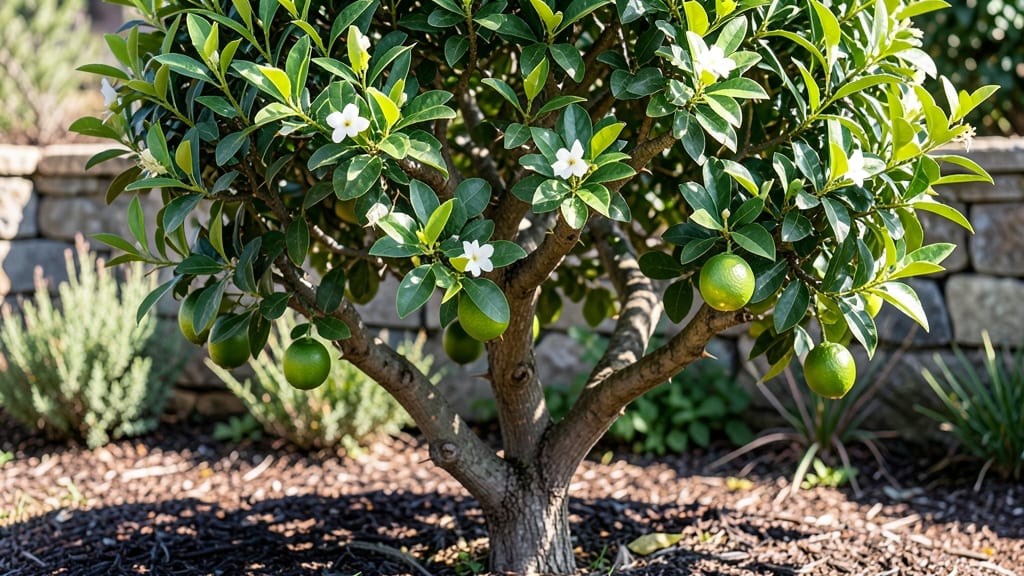
That thorny lime tree with thorns could be your most productive citrus tree—if you prune it right. 🌱 I’ve wrestled with these spiky beauties for years, turning their aggressive growth into a reliable source of tart, fragrant fruit by mastering just a few key cuts.
The secret isn’t avoiding the thorns (they’re part of the deal), but shaping the tree to maximize sunlight, air flow, and fruit production while keeping those branches manageable.
Start with the basics: prune in late winter or early spring before new growth begins, using sharp, sterilized pruners to avoid spreading disease. Your goal is twofold—remove suckers (those wild, thorny shoots at the base) and thin out crowded branches to let light reach the center.
I’ve found that limiting cuts to 25% of the tree’s growth per year prevents shock while still encouraging strong structure. And yes, those thorns? They’re nature’s way of saying “keep your distance,” but they also deter pests and animals.
What you’ll end up with is a tree that bears more fruit than you can use, with branches that aren’t so tangled you need a ladder to pick them.
The first harvest will be sweeter than store-bought limes, and the tree itself becomes a sturdy, picturesque addition to your garden—thorns and all. Just don’t plant it near your favorite walking path unless you enjoy a little adventure.
Works for Mexican limes, Four Seasons limes, or any thorny citrus variety, and adapts to containers if your yard is small. Here’s how to do it without turning your pruners into a weapon—or your hands into pincushions.
📚 In This Guide
- What you need
- Instructions
- Tips and common mistakes
- Wrapping up and next steps
What you need
- ● Pruning shears: Bypass pruners (sharp, clean, and sterilized with rubbing alcohol or bleach) for cuts up to ½ inch in diameter.
- ● Loppers: 1 pair (for thicker branches, 1–2 inches in diameter). Look for bypass-style for precision.
- ● Pruning saw: 1 handheld saw (for branches thicker than 2 inches). A curved-tooth saw prevents tearing.
- ● Gloves: Heavy-duty, thorn-resistant gardening gloves (nitrile-coated for extra protection).
- ● Disinfectant: 70% isopropyl alcohol or a 10% bleach solution (1 part bleach to 9 parts water) to sterilize tools between cuts.
- ● Rubbing alcohol wipes: 1 pack (for quick tool cleaning mid-pruning).
- ○ Pruning sealant: Optional but helpful (e.g., Tanglefoot Tree Wound Pruning Seal) for larger cuts to prevent disease.
- ● Weather check: Prune on a dry, cloudy day (avoid extreme heat or wind).
- ● Ladder or step stool: 1 (if your tree is over 6 feet tall). Ensure it’s stable and non-slip.
- ● Safety goggles: 1 pair (to protect against debris from thorns or sawdust).
- ● Trash bags: 2–3 heavy-duty bags (for collecting pruned branches).
- ● Sharpie or marker: 1 (to label tools if working with a team).
- ● First-aid kit: Basic kit (just in case of thorn pricks or minor cuts).
Step-by-step pruning guide for your lime tree with thorns
Here's how to keep your citrus tree thriving and productive through strategic cuts.
✂️ Step 1: Time Your Pruning for Maximum Fruit Production
Prune your lime tree in late winter or early spring, just as new growth begins but before buds swell. This timing ensures you remove dead branches while encouraging vigorous spring growth. Avoid pruning during hot summer months—your tree will struggle to heal wounds in extreme heat.
Look for dormant branches that haven't leafed out yet. These are perfect candidates for removal. I always wait until after the last frost in my zone because cold snaps can stress freshly pruned trees. If you must prune in summer, do it in early morning or late evening to reduce stress from heat and sun exposure.
🌿 Step 2: Remove Dead, Diseased, and Crossing Branches First
Start by cutting out any dead wood—branches that are brown inside when you scratch the bark or have no leaves. Next, remove branches with signs of disease like black spots, oozing sap, or unusual growths. Use clean, sharp pruners to make 45-degree cuts just above a healthy bud or branch collar.
Watch for branches growing toward the center of the tree or rubbing against each other. These crossing branches compete for sunlight and nutrients, weakening the tree over time. I always remove the smaller of the two branches at the base where it meets the trunk. This prevents large wounds and encourages stronger growth from the remaining branch.
☀️ Step 3: Thin the Canopy for Better Airflow and Sunlight
Step back and examine your tree's overall shape. Aim to create an open center that lets sunlight reach the inner branches. Remove about 20-30% of the smallest, weakest branches to improve airflow and reduce humidity inside the canopy, which helps prevent fungal diseases.
Focus on branches growing inward or downward. These often become crowded and shaded, leading to poor fruit production. You'll know you're doing it right when you can see light filtering through the center of the tree. I like to leave the strongest, most outward-growing branches to maintain a natural, balanced shape.
⏰ Step 4: Shape the Tree for Optimal Growth and Fruit Bearing
Use the remaining branches to guide your tree's shape. For a single-trunk lime tree, aim for a rounded, vase-like shape with the widest part at the top third. For multi-trunk trees, maintain similar height among the main stems to encourage even growth.
Look for water sprouts—fast-growing, vertical shoots that appear after pruning. These compete with fruit production, so remove them completely at the base. I also trim back any suckers growing from the base of the tree to redirect energy into fruit-bearing branches. After shaping, step back again to ensure the tree still looks balanced.
💧 Step 5: Clean Up and Protect Your Tree After Pruning
Collect all pruned branches and dispose of them in the trash, not your compost pile. Diseased branches can spread pathogens, and thorny branches are a hazard. Sterilize your pruners with rubbing alcohol between cuts to prevent spreading disease from one branch to another.
Apply a layer of mulch around the base of the tree (but not touching the trunk) to retain moisture and protect roots. Water deeply after pruning to help the tree recover. In the days following, watch for new growth at the pruning cuts—this is your sign that the tree is healing well and ready for the growing season.
Tips & tricks for perfect lime tree pruning
Took me years to figure out these essentials—your citrus tree will thank you for following them.
Timing Secret: The late winter to early spring window is critical because it aligns with your tree's natural dormancy period. This timing lets you remove dead wood while the tree's energy is focused on new growth. I've seen trees stressed beyond recovery from summer pruning, so resist the urge to trim during hot months unless absolutely necessary. If you must prune in summer, do it during the cooler parts of the day—early morning or late evening—to minimize stress on the tree.
Tool Technique: Always sterilize your pruners between cuts with rubbing alcohol, especially when dealing with diseased branches. I learned this the hard way after accidentally spreading fungal spores to healthy parts of my tree. Use sharp pruners to make clean cuts at a 45-degree angle just above a healthy bud or branch collar. This prevents ragged wounds that can invite pests and diseases. For thicker branches, consider using pruning saws to avoid tearing the bark.
Visual Cues for Pruning: When thinning the canopy in Step 3, look for branches that cast shadows on other branches—they're likely blocking sunlight. You'll know you've done it right when you can see light filtering through the center of the tree. I like to imagine sunlight streaming through like a natural spotlight, illuminating all parts of the tree. This open center also improves airflow, which is crucial for preventing fungal diseases that thrive in humid conditions.
Post-Pruning Care: After finishing all your cuts, apply a 2-3 inch layer of mulch around the base of the tree, keeping it clear of the trunk. This helps retain moisture and protect roots from temperature fluctuations. Water deeply right after pruning to help the tree recover. In the days following, watch for new growth at the pruning cuts—this is your sign that the tree is healing well and ready for the growing season. It's like seeing the first green shoots after a long winter!
Pro Tips for Lime Tree With Thorns
- Took me years to figure out these essentials—your citrus tree will thank you for following them.
- Timing Secret: The late winter to early spring window is critical because it aligns with your tree's natural dormancy period.
- Tool Technique: Always sterilize your pruners between cuts with rubbing alcohol, especially when dealing with diseased branches.
Frequently asked questions
Got questions about your thorny lime tree? You’re not alone! Here are some of the most common concerns—and their answers—to help you keep your tree thriving and productive.
When is the best time to prune a lime tree with thorns?
The ideal time is late winter or early spring, just before new growth begins. This helps avoid disturbing dormant pests and encourages strong fruit production. Avoid pruning during hot summers or winter freezes, as stress can weaken the tree.
How do I safely prune thorns without getting hurt?
Wear thick gloves (leather or heavy-duty) and long sleeves to protect your skin. Use bypass pruners for clean cuts and avoid reaching over thorns—step back and adjust your angle. A pruning saw works for thicker branches, but always cut just above a bud to promote healing.
Will pruning my thorny lime tree reduce fruit production?
Not if done correctly! Pruning opens the canopy to sunlight and air, which actually boosts fruit quality. Focus on removing dead, diseased, or crossing branches—this encourages more vigorous growth and higher yields. Just avoid over-pruning (never remove more than 25% of the canopy at once).
Are there thornless lime tree alternatives?
Yes! Varieties like the ‘Meyer lime’ (often thornless or lightly thorned) or ‘Bearss lime’ are popular choices. If you love the classic Key lime but hate thorns, consider grafting a thornless scion onto a rootstock. Just note: thorns help deter pests, so some natural protection is lost.
What should I do if my lime tree has too many thorns after pruning?
Thorns are a natural defense—pruning alone won’t eliminate them. To reduce thorniness, focus on balanced pruning (avoid heavy cuts) and ensure the tree gets full sun and proper nutrients. If thorns become unmanageable, consider organic sprays (like diluted neem oil) to deter pests that might trigger excessive thorn growth.
Wrapping up and next steps
Pruning your lime tree with thorns isn’t just about shaping—it’s about unlocking its full potential! By following the right techniques, you’ll encourage lush growth, better airflow, and a bountiful harvest of juicy fruit. Remember, consistency is key, and patience pays off as your tree thrives.
Ready to take the next step? Grab your pruning tools and schedule your first session during the dormant season. Whether you’re a beginner or a seasoned gardener, every trim brings you closer to a healthier, fruit-bearing tree. Happy pruning! 🌿✂️