
Pruning
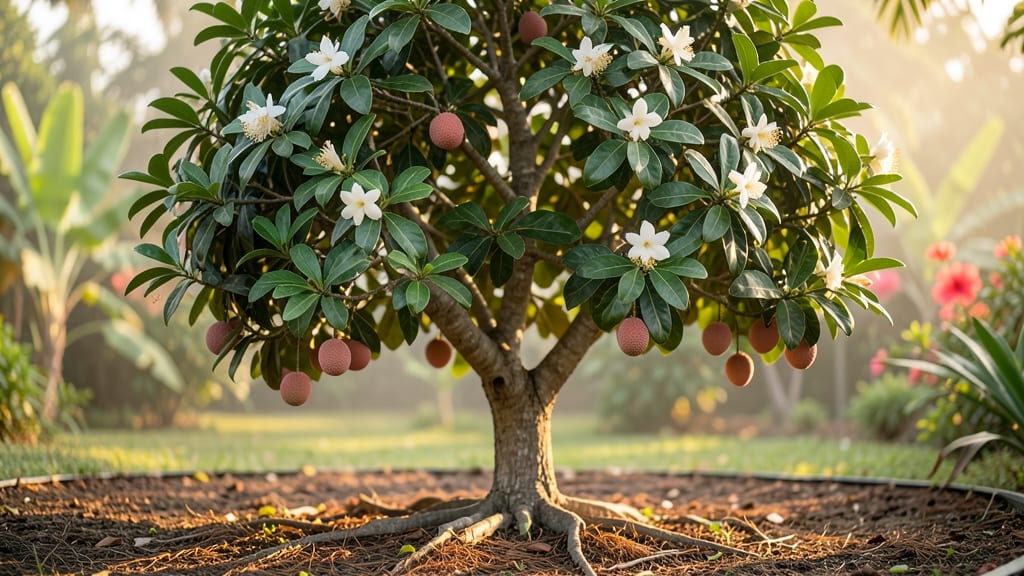
Lychee tree cultivation feels like cheating—until you realize it takes patience, heat, and just the right soil mix to pull it off. 🌱 I’ve wrestled with these tropical fruits for years, and the breakthrough came when I stopped treating them like ordinary citrus and started mimicking their natural jungle conditions. The first sweet, fragrant lychee I cracked open after years of effort? Worth every pruning session and temperature check.
Lychees thrive where summers stay above 75°F and winters never dip below 40°F, which rules out most northern climates—but don’t count out containers.
A 15-gallon pot with drainage holes and a well-draining mix (equal parts potting soil, perlite, and compost) can keep a young tree alive indoors near a sunny window. Outdoors, they need 6+ hours of direct sun daily, and even a single cold snap can send them into shock.
That’s why I harden mine off in spring and bring them inside before frost.
You’ll know you’re doing it right when your tree starts sending out long, arching branches loaded with tiny white flowers in spring. Those flowers turn into fruit in 120-150 days, but here’s the catch: lychees need cross-pollination—so plant two trees if you want harvests.
The first fruits might be small, but with proper pruning (cutting back 1/3 of old growth in late winter) and monthly feedings of balanced 10-10-10 fertilizer, you’ll see bigger, sweeter lychees each season.
Container growers, watch for root-bound stress—lychees hate being cramped. Repot every 2-3 years, and always use a pot 2-3 inches larger than the last. And if your leaves start yellowing? It’s usually overwatering—lychees prefer soil that’s dry to the touch between waterings.
Patience pays off: a well-cared-for tree can produce fruit for decades, and there’s nothing like the first taste of homegrown lychee after years of nurturing.
📚 In This Guide
- What you need
- Instructions
- Tips and common mistakes
- Wrapping up and next steps
What you need
- ● Lychee Seedlings or Grafted Plants: 1-2 healthy saplings (choose grafted varieties like Bengal or Tai So for better fruit quality)
- ● Soil: Well-draining, slightly acidic soil (pH 5.0–6.5). Mix 1 part peat moss, 1 part perlite, and 2 parts garden soil for optimal results.
- ● Containers (if applicable): 5-gallon pot minimum (10+ gallons for mature trees). Use pots with drainage holes.
- ● Fertilizer: Balanced 10-10-10 fertilizer (applied every 4–6 weeks during growing season)
- ○ Optional: Citrus-specific fertilizer for extra micronutrients
- ● Mulch: Organic mulch (e.g., straw or wood chips) to retain moisture and regulate temperature
- ● Pruning shears (sterilized with rubbing alcohol)
- ● Support stakes (for young trees in windy areas)
- ● Drip irrigation system (for consistent moisture)
- ● Shade cloth (if growing in hot climates)
- ● Humidity tray (for container-grown trees)
Step-by-Step guide to growing lychee trees indoors or outdoors
Here's how to nurture a lychee tree from seed to fruiting—whether you're growing it in a container or planting it in soil.
🌱 Step 1: Start Seeds with Proper Germination Conditions
Lychee seeds need warmth and moisture to sprout. Soak the seeds in warm water for 24 hours before planting to soften the hard outer shell. Use a well-draining potting mix (like a blend of peat moss, perlite, and sand) in a 6-inch pot with drainage holes. Plant the seeds ½ inch deep in the soil, spacing them 2 inches apart.
Cover the pot with plastic wrap to retain humidity and place it in a warm spot (75-85°F). Keep the soil consistently moist but not soggy—lychee seeds rot easily if overwatered. You’ll see sprouts in 2-4 weeks, but be patient if germination takes longer. Once the seedlings reach 3-4 inches tall, remove the plastic wrap gradually to acclimate them to drier air.
☀️ Step 2: Provide Bright Light and Gradual Outdoor Acclimation
Lychee trees thrive in full sun (6+ hours daily), but young seedlings can’t handle direct sunlight immediately. Start with bright, indirect light for the first few weeks, then slowly introduce morning sun before transitioning to full sun. If growing indoors, place the tree near a south-facing window or under grow lights (12-14 hours/day).
For outdoor planting, wait until the last frost has passed and temperatures stay above 60°F at night. Harden off seedlings by moving them outdoors for 1-2 hours daily, gradually increasing exposure over 2 weeks. If planting in soil, choose a location with well-draining, slightly acidic soil (pH 5.5-6.5) and protection from strong winds. Container-grown trees need larger pots (12+ inches) every 2-3 years to accommodate root growth.
💧 Step 3: Water and Fertilize for Healthy Growth
Lychee trees are drought-sensitive but hate soggy roots. Water deeply once a week (or when the top 2 inches of soil feel dry), ensuring excess water drains away. Avoid wetting the leaves to prevent fungal diseases like anthracnose, which thrives in humid conditions. Mulch around the base (but not touching the trunk) with 2-3 inches of organic mulch to retain moisture and regulate soil temperature.
Feed young trees with a balanced fertilizer (10-10-10) every 2 months during the growing season (spring to fall). Once the tree is 3-4 years old, switch to a low-nitrogen, high-potassium fertilizer (5-10-10) to encourage flowering and fruiting. Over-fertilizing leads to excessive leaf growth at the expense of fruit production—lychee trees prioritize flowers and fruit over foliage when nutrients are limited.
✂️ Step 4: Prune for Shape and Fruit Production
Pruning lychee trees isn’t just about aesthetics—it’s essential for airflow and fruit-bearing. Remove dead, diseased, or crossing branches in late winter or early spring before new growth begins. Thin out overcrowded branches to improve sunlight penetration, focusing on the outer canopy to maintain an open structure. Avoid heavy pruning in summer, as it stresses the tree and delays fruiting.
If your tree is young (under 5 years), you may not see fruit yet—lychee trees are slow to mature. Once flowering begins, thin the fruit to 6-8 inches apart to ensure larger, higher-quality lychees. Remove any small, misshapen, or damaged fruit early in the season to redirect the tree’s energy. Prune lightly after harvest to shape the tree for the next growing season.
⏰ Step 5: Protect and Encourage Fruiting
Lychee trees are tropical and cannot tolerate frost—bring container-grown trees indoors if temperatures drop below 40°F. If growing outdoors in colder climates, plant in a large container and move it to a garage or greenhouse during winter. Even in warm climates, lychee trees need consistent warmth and humidity to set fruit—mist leaves occasionally or use a humidifier if indoor air is dry.
For container-grown trees, rotate the pot every few weeks so all sides get equal sunlight. This prevents lopsided growth and ensures even fruiting. If your tree flowers but doesn’t set fruit, it may need cross-pollination—lychee trees are self-pollinating but benefit from gentle shaking of branches during bloom to release pollen. Patience is key—lychee trees can take 5-10 years to bear fruit, but with the right care, they reward you with sweet, aromatic lychees for decades.
Tips & tricks for thriving lychee tree cultivation
Growing a lychee tree from seed to fruiting takes patience and precision—here's how to avoid common pitfalls and maximize success.
Germination Strategy: After soaking your seeds for the required 24 hours, I recommend placing them between damp paper towels for an extra 12 hours before planting. This gives the hard outer shell an additional softening boost, which can significantly improve germination rates. Once planted, keep the 75-85°F temperature range consistent—any cooler and germination slows dramatically. A simple heat mat under the pot works wonders if your home stays chilly.
Light Transition: The gradual shift from bright indirect light to full sun is critical in Step 2. I've seen seedlings scorch when moved too quickly—start with just 1-2 hours of morning sun daily for the first week, then increase by 30 minutes every few days. For indoor growers, supplement with grow lights (12-14 hours/day) to mimic tropical sunlight patterns. Position your lights 12-18 inches above the seedlings to prevent leggy growth.
Soil Science: The slightly acidic soil range of pH 5.5-6.5 is non-negotiable for lychee trees. Test your soil before planting—most garden centers sell affordable pH test kits. If your soil tests too alkaline, amend with sulfur or pine needles to lower the pH gradually. For container growers, repotting into 12-inch pots every 2-3 years prevents root binding, which stresses the tree and reduces fruiting potential.
Frost Protection: The 40°F frost threshold is absolute—even brief exposure can kill your tree. I've lost container-grown lychees to overnight temperature drops, so I recommend setting up a monitoring system. A simple thermometer near your tree paired with a phone alert app gives you time to move it indoors before temperatures dip. For outdoor trees, consider installing a mini greenhouse or frost cloth during cold snaps as an extra precaution.
Pro Tips for Lychee Tree Cultivation
- Growing a lychee tree from seed to fruiting takes patience and precision—here's how to avoid common pitfalls and maximize success.
- Germination Strategy: After soaking your seeds for the required 24 hours, I recommend placing them between damp paper towels for an extra 12 hours before planting.
- Light Transition: The gradual shift from bright indirect light to full sun is critical in Step 2.
Frequently asked questions
Got questions about growing lychees? You’re not alone—this exotic fruit demands care! Below are answers to the most common queries to help you cultivate thriving trees, whether in containers or soil.
What’s the best climate for lychee trees?
Lychees thrive in tropical or subtropical climates with warm temperatures (70–85°F), high humidity, and no frost. They need 6–8 months of dry weather for flowering and fruiting. If you live in a cooler zone, grow them in containers and move them indoors during winter.
How long does it take for a lychee tree to bear fruit?
Patience is key! Most lychee trees take 3–5 years to produce fruit from seed, while grafted trees may fruit in 2–3 years. Proper care—like full sun, well-draining soil, and regular pruning—speeds up the process.
Can I grow a lychee tree in a container?
Use a large pot (15+ gallons) with drainage holes and a mix of sandy loam and compost. Ensure it gets 6+ hours of sunlight daily and water deeply when the topsoil dries. Containers work well for small spaces or cooler climates—just repot every 2–3 years.
Why aren’t my lychee tree leaves turning green?
Yellow or pale leaves often signal nutrient deficiencies (like nitrogen or magnesium) or overwatering. Test your soil and fertilize with a balanced tropical plant food in spring. If roots are soggy, reduce watering and improve drainage. Pests like aphids or mites can also cause stress—inspect leaves regularly!
Do lychee trees need cross-pollination?
Most lychee varieties are self-pollinating, but having two trees nearby can boost fruit production. If your tree isn’t fruiting, hand-pollinate with a small brush in the morning when flowers open. Bees love lychee blossoms, so encourage them to visit!
Wrapping up and next steps
Cultivating a lychee tree—whether in soil or containers—is a rewarding journey that brings exotic sweetness to your space! With the right pruning techniques, climate control, and patience, you’ll unlock a bountiful harvest of fragrant, juicy fruit.
Remember, consistency is key, and every trim brings your tree closer to its full potential.
Ready to take the next step? Start small—plant your lychee sapling or repot your container-grown tree today! 🌱 Whether you’re a seasoned gardener or a curious beginner, your tropical oasis is just pruning away. Happy growing!