
Pruning
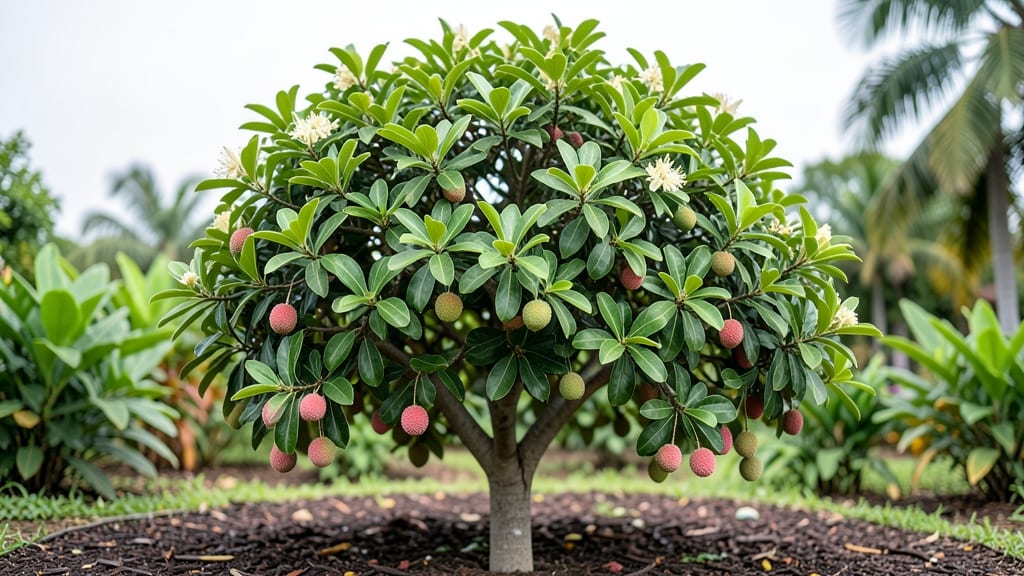
Growing lychee trees thrives in USDA zones 10-12, where frost never touches their delicate blossoms. 🌴 I learned the hard way when my first attempt in zone 9 ended with a single sad branch—until I moved it under a greenhouse roof.
These tropical trees need warmth year-round, with temperatures staying above 40°F even in winter. The secret to success lies in mimicking their native habitat: humid, well-draining soil and full sun (at least 6 hours daily).
In marginal zones, container growing with winter protection works—just ensure pots are large enough (15+ gallons) and roots stay cozy. The payoff? Sweet, fragrant fruit that tastes like summer in a cup. With proper pruning (light shaping in spring, heavy cuts after harvest), you’ll encourage bountiful blooms and manageable size.
Even in containers, these trees reward patience with 50+ pounds of fruit per mature tree—if you keep them happy. For gardeners in cooler climates, microclimates near south-facing walls or greenhouses extend the growing season. Just avoid overwatering—their roots hate soggy feet.
Here’s how to make it work where you live!
📚 In This Guide
- What you need
- Instructions
- Tips and common mistakes
- Wrapping up and next steps
What you need
- ● Lychee Tree: 1 young sapling (2–3 years old, grafted for best results) or
- ● Seeds from fresh lychee fruit (germination rate is lower; expect 1–2 viable seedlings per 10 seeds)
- ● Soil: Well-draining, slightly acidic soil (pH 5.0–6.5). Mix 50% native soil with 30% compost and 20% perlite/sand for optimal texture.
- ○ Optional: Slow-release fertilizer (e.g., 10-10-10 NPK ratio, 1 lb per tree)
- ● Pruning Tools: 1 sharp bypass pruners (for small branches)
- ● 1 pruning saw (for thicker branches, 1–2 inches in diameter)
- ● 1 pair of gloves (cut-resistant for safety)
- ● 1 disinfectant (70% isopropyl alcohol or bleach solution to sterilize tools)
- ● Mulch: 3–4 inches of organic mulch (e.g., wood chips, straw, or pine bark) to retain moisture and regulate temperature.
- ● Hardiness Zone: USDA Zones 10–11 (or equivalent tropical/subtropical zones). Lychees cannot tolerate frost!
- ● Sunlight: Full sun exposure (6–8+ hours daily). Partial shade is acceptable in extremely hot zones (e.g., Zone 11+).
- ● Temperature: Ideal growing range: 70–85°F (day) / 60–70°F (night).
- ● Critical: No temperatures below 32°F (lychees are frost-sensitive!).
- ● Humidity: High humidity (70–80%) during flowering/fruiting (use misting systems if needed in dry zones).
- ● Drip irrigation system (lychees need 1–2 inches of water weekly; avoid overhead watering to prevent disease).
- ● Pollination aid: A small handheld fan (if growing indoors or in low-wind areas).
- ● Tree support: Stakes or a trellis for young saplings (lychees can grow 30–50 feet tall without support!).
- ● Soil test kit (to monitor pH and nutrient levels).
Optimal zone selection and pruning for thriving lychee trees
Here's how to match your climate to lychee needs—and prune for maximum fruit production.
☀️ Step 1: Identify Your Lychee Tree's Hardiness Zone
Lychees thrive in USDA zones 10-12, where winter temperatures stay above 32°F. In cooler zones, grow them in containers and overwinter indoors near a bright window. I always check the 10-year average lows for my area—lychees can't tolerate even brief freezes.
If you're in zone 9, plant near a south-facing wall to capture afternoon heat. In zones 8 or cooler, choose cold-hardy varieties like 'Mauritius' or 'Brewer'. Watch for brown leaf tips—this signals cold stress, and you'll need to move the tree to a warmer microclimate immediately.
🌿 Step 2: Prune for Airflow and Fruit Production
Prune late winter to early spring before new growth begins. Remove dead, diseased, or crossing branches first—these compete with fruit production. I use clean, sharp pruners to make 45-degree cuts just above a bud or branch collar. Never leave stubs, or they'll invite fungal infections.
Thin the canopy to let sunlight penetrate the center—lychees need 6+ hours of direct light daily. Aim for an open, vase-like shape with branches spaced 12-18 inches apart. You'll see smaller leaves and more flowers after proper pruning, signaling the tree is redirecting energy toward fruit.
✂️ Step 3: Encourage Flowering with Strategic Cuts
Lychees flower on new wood, so prune lightly in summer to stimulate fresh growth. Cut back overly vigorous shoots by one-third to encourage branching. Avoid heavy pruning now—it stresses the tree and delays flowering. Watch for new shoots emerging from old wood after these cuts.
In late summer, remove any suckers growing at the base. These drain energy from fruit production. I also thin out some fruit clusters to 6-8 fruits per branch—this ensures larger, sweeter lychees. You'll notice fewer but plumper fruits after this step, and they'll ripen more evenly.
🌱 Step 4: Adjust Care for Zone-Specific Challenges
In cooler zones, protect young trees with burlap wraps during unexpected cold snaps. Mature trees can handle brief dips to 28°F, but prolonged cold below 30°F damages blossoms. I always monitor the 10-day forecast—if frost is predicted, cover the tree with frost cloth secured tightly at the base.
In hot, humid zones, prune to improve airflow and reduce fungal risks. Space branches to allow sunlight to dry foliage quickly after rain. You'll see fewer yellow leaves and healthier green foliage when airflow is optimal. Mulch with 2-3 inches of organic matter to retain moisture without suffocating roots.
Tips & tricks for thriving lychee tree care
Mastering lychee tree cultivation starts with understanding these key strategies that make all the difference between struggling plants and fruit-bearing giants.
Cold Stress Prevention: The 32°F threshold isn't just a number—it's the critical line where lychee leaves start showing irreversible damage. In zones 8 and cooler, I've found that planting near south-facing walls adds 10-15°F of protection during winter nights. For container-grown trees, move them to unheated garages or sunrooms where temperatures stay above 40°F—this simple step prevents the brown leaf tips that signal cold stress.
Pruning Precision: When you're making those 45-degree cuts in Step 2, focus on creating an open vase shape where sunlight can reach the center. I measure branch spacing with a 12-inch ruler to ensure proper airflow—this isn't just about looks, it's about preventing fungal diseases that thrive in dense canopies. The goal is to see smaller leaves and more flower buds after pruning, which tells you the tree is redirecting energy toward fruit production.
Seasonal Pruning Calendar: The late winter to early spring pruning in Step 2 is your foundation, but don't forget the summer maintenance. I mark my calendar for light summer pruning to stimulate new growth—cutting back vigorous shoots by one-third encourages branching without stressing the tree. In late summer, I always remove suckers at the base first, then thin fruit clusters to 6-8 per branch—this might seem counterintuitive, but it guarantees larger, sweeter lychees that ripen evenly.
Zone-Specific Microclimates: Hot, humid zones need different attention than cooler areas. In southern climates, I've learned to prune for airflow by spacing branches 18 inches apart and using 2-3 inches of organic mulch to prevent root suffocation. The key visual cue is healthier green foliage with fewer yellow leaves—this tells me the tree is thriving despite the heat and humidity challenges.
Pro Tips for Lychee Tree Zone
- Mastering lychee tree cultivation starts with understanding these key strategies that make all the difference between struggling plants and fruit-bearing giants.
- Cold Stress Prevention: The 32°F threshold isn't just a number—it's the critical line where lychee leaves start showing irreversible damage.
- Pruning Precision: When you're making those 45-degree cuts in Step 2, focus on creating an open vase shape where sunlight can reach the center.
Frequently asked questions
What are the best USDA Hardiness Zones for growing lychee trees?
Lychees thrive in USDA Zones 10–12, where winters stay above 30°F (-1°C). In cooler zones (like 9), plant near a heat-retaining wall or grow in containers to protect roots. Pro tip: Young trees need extra winter care—cover them with frost cloth or mulch heavily!
How long does it take for a lychee tree to bear fruit?
Patience is key! Most lychee trees take 3–5 years to produce fruit, depending on climate and care. Dwarf varieties may fruit sooner (2–3 years), but full-size trees need warm, consistent conditions. Prune strategically in early spring to encourage faster fruiting.
When is the best time to prune a lychee tree for maximum harvest?
Prune late winter to early spring (before new growth starts) to shape the tree and remove dead wood. Avoid heavy pruning in summer—it stresses the tree. Focus on open-center shaping to improve airflow and sunlight exposure, which boosts fruit production. Thin out crowded branches for bigger, sweeter lychees!
Can I grow a lychee tree in a pot? What’s the best setup?
Yes! Use a large container (at least 15–20 gallons) with drainage holes and well-draining soil (like a mix of potting soil and perlite). Place the pot in full sun and move it indoors when temps drop below 50°F (10°C). Dwarf varieties work best for containers—just ensure it gets enough water and nutrients.
Why aren’t my lychee tree’s flowers turning into fruit?
Common culprits include poor pollination (hand-pollinate with a soft brush), nutrient deficiencies (add potassium-rich fertilizer), or stress from extreme heat/cold. Check for pests (like lychee borers) and ensure the tree gets 6+ hours of sunlight daily. Overwatering can also cause fruit drop—let soil dry slightly between waterings.
Are there lychee tree alternatives for cooler climates?
If your zone’s too chilly for lychees, try longan or rambutan trees—they’re hardier and still delicious! For a similar tropical vibe, consider loquat or mango varieties bred for cooler areas. Just ensure they get plenty of sunlight and protection from frost.
Wrapping up and next steps
Growing a thriving lychee tree starts with understanding its optimal climate zone and mastering the art of pruning—two keys to unlocking those sweet, fragrant harvests. 🌿 Whether you’re in a tropical paradise or a subtropical haven, the right techniques and timing will ensure your tree flourishes.
Now that you’re armed with the know-how, it’s time to roll up your sleeves and give your lychee tree the care it deserves.
Ready to take the next step? Start by observing your tree’s growth patterns and adjusting your pruning schedule accordingly. With patience and practice, you’ll be savoring homegrown lychees in no time!