
Pruning
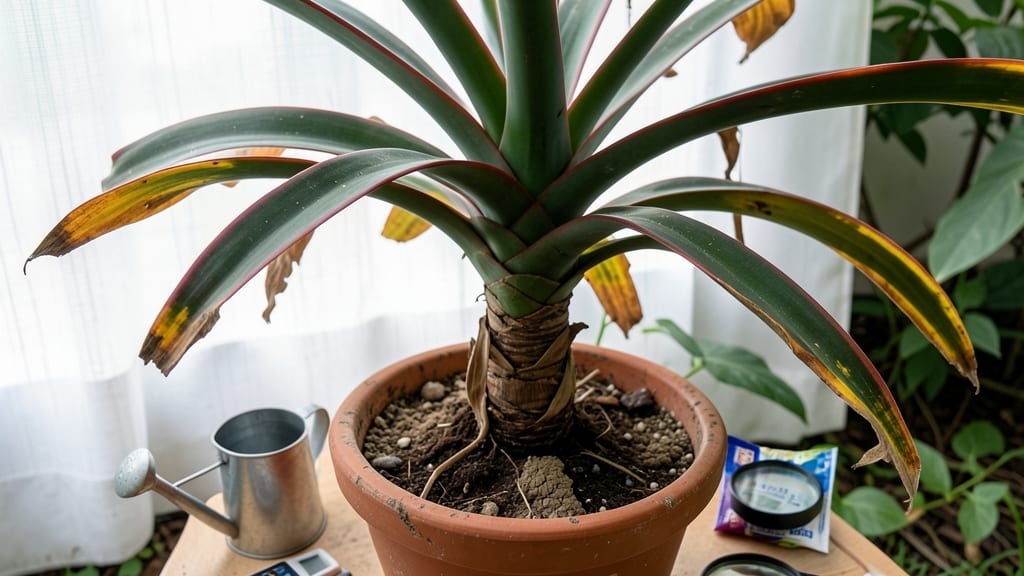
Your Madagascar dragon tree dying isn’t just a plant—it’s a statement piece, and seeing its crispy edges or drooping fronds is enough to make anyone panic. 🌱 The good news? Most "dying" dragon trees can be revived with targeted fixes, starting with the roots.
I’ve nursed back more than my fair share of these striking plants, and the secret lies in diagnosing whether you’re dealing with underwatering, overwatering, root rot, or something else entirely.
The first step is always checking the soil—stick your finger in up to 2 inches. If it’s bone-dry, you’ve been neglecting water; if it’s soggy, you’ve been drowning the roots.
Dragon trees hate "wet feet," so adjust your watering to every 2-3 weeks (less in winter) and always use a pot with drainage holes. Pests like spider mites or fungal infections can also mimic dying symptoms, so inspect the undersides of leaves for webbing or black spots.
Once you’ve identified the issue, act fast: trim any mushy, black roots and repot in fresh, well-draining soil. A little pruning above the soil line can encourage fresh growth too.
Within 4-6 weeks, you’ll see new shoots pushing through if the roots are healthy—proof your dragon tree isn’t gone, just waiting for the right care. The key is patience and precision.
Prevention is easier than rescue: keep your plant in bright, indirect light (no harsh sun), mist the leaves occasionally, and avoid cold drafts. These small tweaks keep your dragon tree thriving for years, turning a potential loss into a lush, statement-making centerpiece. Let’s get it back to its striking best!
📚 In This Guide
- What you need
- Instructions
- Tips and common mistakes
- Wrapping up and next steps
What you need
- ● Clean pruning shears or sharp scissors – Sterilized to prevent infection (rubbing alcohol works!).
- ● Fresh potting mix – Well-draining, cactus/succulent blend (avoid heavy garden soil!). Quantity: Enough to refill the pot (typically 1–2 bags, depending on pot size).
- ○ New pot (optional but ideal) – 1–2 inches larger in diameter than the current one, with drainage holes. Material: Terracotta or ceramic (prevents root rot).
- ○ Rooting hormone (optional but helpful) – Gel or powder to boost regrowth (e.g., Rootone).
- ● Distilled or rainwater – 1–2 cups for watering post-repotting (chlorine-free!).
- ● Plastic wrap or humidity dome – To retain moisture during recovery (clear wrap or a small propagator).
- ● Disinfectant (hydrogen peroxide 3%) – 1/4 cup diluted in water to clean roots if diseased.
- ● Gloves (recommended) – Protects hands from sap (can irritate skin) and soil bacteria.
- ● Trowel or small shovel – For gently loosening roots if repotting.
- ● Spray bottle – For misting leaves post-care (encourages hydration).
- ○ Calcium carbonate (optional) – 1 tsp mixed into soil to adjust pH if needed (Dragon Trees prefer slightly acidic to neutral soil).
- ○ LED grow light (optional) – If your plant lacks bright, indirect light (12–14 hours/day).
How to diagnose and revive a struggling Madagascar dragon tree
Here's the method I've used to rescue multiple dying dragon trees—focus on roots first, then leaves.
🌱 Step 1: Check Root Health and Repot if Needed
Gently remove the plant from its pot and examine the roots. Healthy roots should be firm with a light brown color, while mushy black roots indicate rot from overwatering. I always check for a sour, rotten smell—if present, you've got a serious watering issue.
If the roots are healthy but crowded, repot into a container just 1-2 inches larger than the current one. Dragon trees prefer being slightly root-bound, so don't go overboard. Use a well-draining cactus/succulent mix—regular potting soil holds too much moisture.
💧 Step 2: Adjust Your Watering Routine Immediately
Madagascar dragon trees need water only when the top 2-3 inches of soil feel completely dry. Stick your finger in—if it comes out clean, it's time to water. Overwatering is the #1 killer, so I've switched to a "soak and dry" method: water thoroughly until it drains from the bottom, then wait until the soil is bone dry before watering again.
Yellowing leaves usually mean overwatering, while crispy brown edges signal underwatering. Both are fixable, but you'll need to adjust your schedule. In winter, I cut back to watering every 3-4 weeks, while summer requires monthly checks.
☀️ Step 3: Optimize Light Exposure Without Sunburn
Dragon trees thrive in bright, indirect light but can scorch in direct sun. I place mine near an east-facing window where they get morning light without afternoon intensity. If leaves develop brown patches, move it back 1-2 feet or use a sheer curtain to filter the light.
Watch for new growth pointing toward the light—this tells me the plant is finally getting enough. If the stems stretch and leaves grow small, it's not getting sufficient light. A simple grow light on a timer for 12 hours daily can save a struggling plant.
✂️ Step 4: Prune Damaged Leaves and Encourage New Growth
Use clean, sharp scissors to trim any leaves that are brown, mushy, or completely dried out. Cut back to the nearest healthy growth point. I avoid cutting healthy leaves—this stresses the plant further. After pruning, wipe the cuts with rubbing alcohol to prevent infection.
Healthy leaves should be stiff with a waxy texture. If you see soft, droopy leaves, it's another sign of overwatering. Once you've adjusted watering and light, new growth should appear at the top within 4-6 weeks. This is your sign the plant is recovering.
🪴 Step 5: Fertilize Sparingly and Monitor Progress
Wait until you see new growth before fertilizing. I use a diluted, balanced houseplant fertilizer (half-strength) every 6-8 weeks during spring and summer. Never fertilize a stressed plant—it burns the roots. Always water thoroughly before and after applying fertilizer to prevent salt buildup.
Keep track of your plant's progress in a small notebook. Note when you repotted, adjusted watering, and saw new growth. This helps identify what worked. Dragon trees are slow growers, so don't expect dramatic changes overnight—but with consistent care, you'll see improvement within 2-3 months.
Tips & tricks for reviving a struggling Madagascar dragon tree
Real talk: I've nursed back more than a few dragon trees from the brink, and these are the tricks that actually work.
Root Check Strategy: When you're examining those roots in Step 1, focus on the texture more than the color. Healthy roots should feel like firm, crunchy spaghetti—not mushy or slimy. I've seen roots that looked brown but were perfectly healthy, and others that appeared light but were rotting inside. That sour smell is your first warning sign of trouble—don't ignore it!
Watering Timing Trick: The "soak and dry" method from Step 2 is non-negotiable, but here's what nobody tells you: Use a moisture meter for the first few waterings to get a feel for when that top 2-3 inches is truly dry. My meter reads around 2-3 on the dry side before I water again. This prevents the guesswork that leads to overwatering.
Light Positioning Hack: For Step 3, if you don't have an east-facing window, try placing your dragon tree near a north-facing window first. North light is the gentlest and won't scorch leaves. I've even used a white sheer curtain to diffuse south-facing light successfully—just make sure it's breathable so the plant still gets airflow.
Pruning Precision: Don't be afraid to cut back more than you think in Step 4. I've seen people hesitate to trim enough, leaving behind leaves that just keep dying. Cut all the way back to where the leaf meets the stem—you can't prune too much at this stage. The plant will focus its energy on new growth instead of maintaining dead foliage.
Pro Tips for Madagascar Dragon Tree Dying
- Real talk: I've nursed back more than a few dragon trees from the brink, and these are the tricks that actually work.
- Root Check Strategy: When you're examining those roots in Step 1, focus on the texture more than the color.
- Watering Timing Trick: The "soak and dry" method from Step 2 is non-negotiable, but here's what nobody tells you: Use a moisture meter for the first few waterings to get a feel for when that top 2-3 inches is truly dry.
Frequently asked questions
Why is my Madagascar Dragon Tree dropping leaves?
Your Dracaena marginata may be shedding leaves due to underwatering or overwatering. Check the soil—it should be slightly dry between waterings. Yellow leaves often signal overwatering, while crispy, brown edges mean it’s thirsty. Adjust your watering schedule and ensure proper drainage!
Can a dying Madagascar Dragon Tree be saved?
Yes! With quick action, you can revive a struggling plant. Start by trimming dead leaves and repotting in well-draining soil. Place it in bright, indirect light and avoid cold drafts. If roots are mushy (a sign of rot), prune them and let the soil dry out. Patience is key—new growth may take weeks!
How often should I water a Madagascar Dragon Tree?
Water your dragon tree every 2–3 weeks, but always check the soil first. Stick your finger 1–2 inches deep—if it’s dry, water thoroughly. Reduce frequency in winter when growth slows. Never let it sit in soggy soil, as this leads to root rot. A moisture meter can help track soil conditions!
What’s the best light for a reviving Madagascar Dragon Tree?
Place your plant in bright, indirect light (e.g., near an east or west-facing window). Avoid harsh sunlight, which can scorch leaves. If leaves turn pale or stretch (etiolation), it’s not getting enough light. A grow light works well for low-light spaces. Rotate the pot occasionally for even growth!
Are there signs my Madagascar Dragon Tree is beyond saving?
If the stem is hollow, the roots are completely black/mushy, or the plant has no leaves and no new growth after months of care, it may be too far gone. However, if only a few leaves are affected, prune the damaged parts and propagate healthy cuttings. Sometimes, a "dead" plant surprises you with new life!
Wrapping up and next steps
Don’t let a dying Madagascar Dragon Tree dim your indoor jungle vibes!
With the right care—like fixing root rot, adjusting water habits, and ensuring bright, indirect light—your plant can bounce back stronger than ever. 🌱 Remember, patience and consistency are key—give it time to recover, and soon, you’ll be admiring its striking foliage again.
Your next step? Take action today! Start with one of the fixes from this guide, monitor progress, and tweak as needed. Happy planting—your dragon tree’s revival awaits! 💚