
Light Requirements
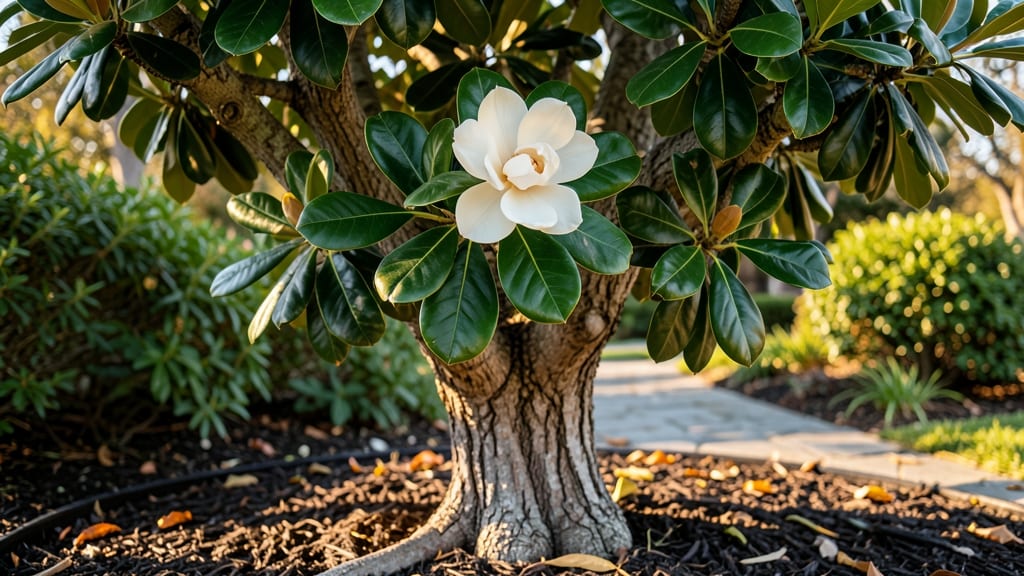
Growing a magnolia in full sun isn't just possible—it's where these trees hit their dramatic peak. 🌸 I've watched my Southern Magnolia transform from a scraggly sapling to a 15-foot showstopper by following a few key rules about light, soil, and water that most guides overlook.
The secret isn't forcing them into shade—it's preparing the right conditions. Southern Magnolias tolerate full sun better than most realize, but they need well-draining soil and regular deep watering during their first two years.
Star Magnolias, on the other hand, actually prefer full sun and bloom more reliably when baked by morning sunlight. You'll end up with glossy leaves that stay vibrant through summer heat and fragrant blooms that appear before most spring flowers.
The key is mimicking their native woodland edge habitat—sunny but with protection from afternoon scorching winds. Works for both species, but adjust watering based on your climate. Let's get those roots settled right from the start.
📚 In This Guide
- What you need
- Instructions
- Tips and common mistakes
- Wrapping up and next steps
What you need
- ● Magnolia tree: Choose a full-sun-tolerant variety like Magnolia grandiflora (Southern Magnolia) or Magnolia × soulangeana (Saucer Magnolia). Ensure it’s healthy, with firm stems and vibrant foliage.
- ● Planting hole: Dig a hole twice as wide and just as deep as the tree’s root ball. Loosen the soil at the bottom to encourage root spread.
- ● Native soil or amended mix: 60% native soil (for drainage and aeration)
- ● 30% compost or aged manure (for nutrients)
- ● 10% perlite or coarse sand (to prevent compaction in clay-heavy soils)
- ● Mulch: 3–4 inches of organic mulch (e.g., pine bark, wood chips, or shredded leaves) to retain moisture and regulate soil temperature. Keep mulch 6 inches away from the trunk to avoid rot.
- ● Watering can or hose with a gentle spray nozzle (for post-planting hydration)
- ● Garden gloves and knee pads (for comfort and protection)
- ● Pruning shears (sterilized with rubbing alcohol) for shaping or removing dead branches
- ○ Staking system (optional but recommended for young trees): 2–3 wooden or metal stakes (5–6 feet tall)
- ● Soft tree ties or fabric strips (to secure the tree without damaging the trunk)
- ● Slow-release fertilizer: A balanced 10-10-10 or 8-3-9 formula (apply in early spring before new growth)
- ● Shade cloth (temporary): Use for the first 2–3 weeks if your magnolia is transitioning from shade to full sun to avoid leaf scorch.
- ● Soil pH tester: Magnolias prefer acidic to slightly acidic soil (pH 5.0–6.5). Adjust with sulfur if needed.
- ● Drip irrigation system: Automates watering for consistent moisture (critical in full sun!)
- ● Reflective mulch or light-colored gravel: Helps deflect intense heat from the soil in extreme climates.
Step-by-step instructions for planting and cultivating magnolias in full sun
Here's how to establish your magnolia for maximum impact—bold blooms and lush foliage that thrive in full sun.
🪴 Step 1: Select and Prepare the Planting Site
Magnolias demand full sun—at least 6-8 hours of direct sunlight daily—but they also need well-draining soil to prevent root rot. Choose a location with morning sun and afternoon shade if your climate exceeds 90°F in summer, as younger trees can scorch. I always test soil drainage by digging a 12-inch hole and filling it with water—if it drains within 2 hours, the site is safe.
Amend heavy clay soil with 2-3 inches of organic matter (like compost or aged bark) mixed into the top 12 inches of soil. Magnolias hate soggy roots, so avoid low spots where water pools. If your yard has compacted soil, loosen it with a broadfork to encourage root spread. The planting hole should be twice as wide as the root ball but no deeper—this prevents soil from settling and burying the trunk too deeply.
🌱 Step 2: Plant at the Right Depth and Stake for Support
Remove the magnolia from its container and loosen any circling roots gently with your fingers—never use a knife, as it damages roots. Place the tree in the hole so the top of the root ball sits 1-2 inches above ground level. Magnolias are sensitive to trunk suffocation, so avoid mounding soil against the base. Backfill with native soil mixed with 1 part compost, tamping lightly as you go to eliminate air pockets.
Water deeply to settle the soil, then add 2-3 inches of mulch (wood chips or pine straw) over the root zone, keeping it 6 inches away from the trunk. Stake only if needed—young magnolias with top-heavy canopies benefit from 1-2 sturdy stakes tied loosely with soft fabric strips (never wire, which girdles the trunk). Remove stakes after 1 growing season to avoid dependency.
☀️ Step 3: Water Deeply and Establish a Consistent Routine
Water 2-3 times per week for the first 2 months, providing 1-2 gallons per watering to encourage deep root growth. You’ll know you’re doing it right when the soil 2 inches below the surface stays slightly moist but not soggy. Overwatering is the #1 killer of young magnolias—always check moisture with your finger before watering again.
After the first year, magnolias become drought-tolerant once established, but deep watering every 10-14 days maintains vigor. Apply mulch annually in late winter to insulate roots from temperature swings. Avoid fertilizing the first year—magnolias grow slowly and need time to adjust to their new home. If you must feed, use a balanced, slow-release fertilizer (10-10-10) in early spring at half the recommended rate.
✂️ Step 4: Prune for Structure and Bloom Health
Prune magnolias only after they finish blooming in late spring or early summer. Remove dead, crossing, or rubbing branches first—these compete for energy and invite disease. Thin the canopy by selecting 3-5 strong scaffold branches spaced evenly around the trunk. Magnolias bloom on old wood, so avoid heavy pruning that cuts back into last year’s growth.
Shape the tree by shortening overlong branches to a bud or lateral branch, never leaving a stub. Use clean, sharp pruners to make cuts at a 45-degree angle just outside the branch collar. Seal larger wounds (over ½ inch thick) with pruning sealant to prevent decay. Avoid summer pruning—it stresses the tree and can reduce next year’s flower buds.
🌿 Step 5: Protect and Monitor for Long-Term Health
Magnolias are generally pest- and disease-resistant, but scale insects and magnolia leaf gall can appear in humid climates. Inspect leaves monthly for sticky residue (scale) or wart-like growths (gall). Treat with neem oil or horticultural oil in early spring before pests emerge. Avoid chemical sprays—they can harm beneficial insects and leave residues on edible fruits if planted nearby.
Watch for yellowing leaves in late summer—this is normal as the tree prepares for dormancy. If leaves yellow before August, it may signal iron deficiency (common in alkaline soils). Apply chelated iron in early spring if needed. Mature magnolias rarely need repotting, but if you’re growing one in a large container, refresh the top 2 inches of soil annually with compost to replenish nutrients. With proper care, your magnolia will reward you with showstopping blooms for decades.
Tips & tricks for perfect magnolia cultivation in full sun
Here's what nobody tells you about nurturing these majestic trees—details that separate a struggling sapling from a showstopping specimen.
Sunlight Strategy: Magnolias love that 6-8 hours of direct sunlight, but timing matters just as much as quantity. In hotter climates where temperatures exceed 90°F, I've found that positioning trees to catch morning sun and afternoon shade prevents leaf scorch while still delivering the energy they crave. Watch for subtle browning on leaf edges—this is your first warning sign that afternoon sun is becoming too intense.
Soil Science: The 2-hour drainage test is non-negotiable, but here's what I've learned about soil prep: For clay-heavy soils, mix in that 2-3 inches of organic matter down to 12 inches deep—not just on top. Magnolias develop deep taproots, and compacted subsoil can strangle growth. I use a broadfork to loosen the soil in concentric circles around the planting hole, creating channels for roots to explore. This one step makes all the difference for young trees.
Watering Wisdom: Those first two months with 2-3 waterings per week are critical, but don't just set a timer. The real secret is watering depth—aim for 1-2 gallons per session to encourage roots to grow downward. I test by pushing my finger 2 inches into the soil; if it's dry, it's time to water. Overwatering is the silent killer, so always let the top inch dry between sessions. After establishment, the 10-14 day schedule becomes your new rhythm, but remember: deep watering beats frequent shallow drinks every time.
Pruning Precision: When you're shaping those branches in Step 4, pay special attention to the 45-degree angle cuts. This isn't just about aesthetics—proper cuts prevent water from pooling in the wound, which leads to rot. I mark my cuts with a pencil first, then make the slice just outside the branch collar. For larger branches over ½ inch thick, that pruning sealant isn't optional—it's your insurance policy against decay. And remember: patience is key. Magnolias bloom on old wood, so resist the urge to prune heavily in spring.
Pro Tips for Magnolia Tree Full Sun
- Here's what nobody tells you about nurturing these majestic trees—details that separate a struggling sapling from a s...
- Sunlight Strategy: Magnolias love that 6-8 hours of direct sunlight, but timing matters just as much as quantity. In ...
- Soil Science: The 2-hour drainage test is non-negotiable, but here's what I've learned about soil prep: For clay-heav...
Frequently asked questions
Got questions about growing magnolia trees in full sun? You’re not alone! Here are answers to the most common concerns—from sunlight needs to troubleshooting—so you can nurture a stunning, healthy tree.
Can magnolias really thrive in full sun?
Most magnolias—like Magnolia grandiflora or Magnolia stellata—prefer morning sun with afternoon shade in hot climates. However, sun-loving varieties (e.g., Magnolia × soulangeana) handle full sun if soil stays moist and mulched. Always check your specific cultivar’s tag!
How long does it take for a magnolia to bloom in full sun?
Patience is key! Young magnolias (under 5 years) focus on root growth. Mature trees (10+ years) typically bloom annually in spring, with some varieties (like Magnolia liliiflora) flowering even sooner. Full sun can speed up blooming for sun-tolerant types, but over-exposure may delay flowers.
What’s the best way to keep a full-sun magnolia hydrated?
Deep watering 2–3 times per week during dry spells is critical. Use a soaker hose or drip irrigation to avoid wetting leaves (which attracts pests). Mulch heavily (3–4 inches) with organic material to retain moisture and protect roots. Pro tip: Water early morning to reduce evaporation!
Why are my magnolia leaves turning brown in full sun?
Brown edges or crispy leaves often signal sunburn or drought stress. Gradually acclimate young trees to full sun (start with 4–6 hours/day). If established, check for underwatering or poor drainage. Prune damaged leaves in late winter to encourage new growth.
Are there magnolia alternatives for full sun with fewer care needs?
Yes! Consider these low-maintenance options:
- Crape Myrtle (Lagerstroemia): Thrives in full sun, drought-tolerant, and blooms summer-long.
- Japanese Tree Lilac (Sophora japonica): Handles heat, fragrant flowers, and minimal pruning.
- Oakleaf Hydrangea (Hydrangea quercifolia): Sun-tolerant with vibrant fall foliage.
Wrapping up and next steps
Growing a magnolia tree in full sun is a rewarding journey that brings vibrant blooms and lasting beauty to your landscape—and you’ve got all the tools to succeed! From selecting the right variety to mastering sunlight, soil, and seasonal care, these tips ensure your magnolia thrives.
Now that you’re armed with knowledge, roll up your sleeves and give your tree the love it deserves—watch those stunning flowers light up your yard in no time!
🌱 Next step: Mark your calendar for pruning and feeding schedules, then step outside and plant that first branch with confidence. Your future magnolia masterpiece starts today! 🌸