
Trees
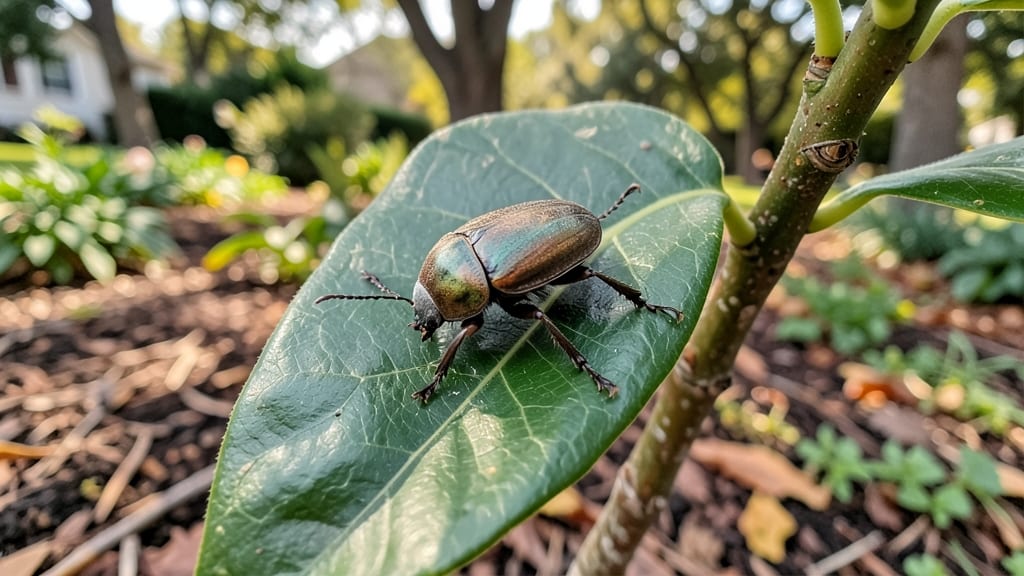
The magnolia tree insects that turn glossy leaves into skeletonized messes can be a gardener’s nightmare. 🌿 I’ve battled scale, lace bugs, and webworms on my own magnolia—each infestation left me scrambling for solutions before the damage became permanent.
The good news? Early identification and targeted action can save your tree from lasting harm.
Scale insects, lace bugs, and webworms each leave distinct clues: sticky residue, tiny holes in leaves, or silky webs. The worst part? These pests thrive in hot, dry weather, making summer the perfect storm for infestations.
But here’s the game-changer: most can be managed without harsh chemicals if you catch them early.
You’ll learn to spot the early warning signs—like yellowing leaves or clusters of tiny bugs—and how to treat them with natural sprays, pruning, or targeted insecticides. The key is acting fast before the pests spread, because once they take over, even the hardiest magnolia struggles to recover.
Prevention is easier than cleanup, and I’ll share the simple habits that keep my magnolia thriving year after year. No more panicked late-summer rescues—just healthy, pest-resistant trees that stay beautiful for decades.
Root Causes Of Magnolia Pest Problems
Magnolia trees, with their stunning blooms and glossy leaves, are a garden favorite—but they’re also a magnet for pests. Understanding why these insects target your magnolia is the first step to stopping them before they cause damage.
Below, we break down the key reasons these critters invade your tree, from environmental triggers to plant vulnerabilities.
When magnolias are stressed, their natural defenses weaken, making them prime targets for insects. Here’s what puts them at risk:
- Nutrient Deficiencies 🌿 Magnolias need balanced nutrients—especially nitrogen, phosphorus, and potassium—to stay healthy. A lack of these can stunt growth, making leaves less tough and more appealing to pests like magnolia scale or webworms. Look for yellowing leaves or sparse foliage as red flags.
- Improper Watering 💧 Overwatering or underwatering both create stress. Root rot from soggy soil attracts fungus gnats, while drought stress weakens leaves, inviting magnolia leaf miners or borers. Aim for 1–1.5 inches of water per week (including rainfall) and ensure proper drainage.
- Poor Soil Conditions 🏗️ Compacted, clay-heavy, or overly acidic soil (pH < 5.5) restricts root growth. Weak roots mean the tree can’t fight off pests like magnolia shoot borers or aphids. Test your soil and amend it with compost or organic matter to improve structure and fertility.
Pests don’t just appear out of nowhere—they’re drawn by specific conditions that magnolias (or your garden) might unintentionally provide.
- High Humidity & Warmth ☀️💦 Many magnolia pests, like magnolia scale and spider mites, thrive in hot, humid climates (75–90°F). These conditions slow down the tree’s recovery, giving insects more time to feed and reproduce. Solution: Improve airflow with proper pruning and avoid overhead watering in the evening.
- Overcrowded Plantings 🌳🌳 Dense foliage traps moisture and creates shaded, damp microclimates—perfect for magnolia webworms and fungus gnats.
If your magnolia is surrounded by other plants with little space, pests have a cozy home to multiply. Fix it: Prune nearby branches and ensure 3–5 feet of clearance around the tree’s base.
- Old or Dying Wood 🪵⚰️ Dead branches or weak stems provide entry points for borers and beetles. These insects lay eggs in cracked bark, and their larvae tunnel into the wood, weakening the tree. Prevent it: Remove any dead, diseased, or broken limbs promptly—even small ones.
Some insects specifically target magnolias because of their scent, sap, or leaf structure. Here’s why they’re so drawn to them:
- Sweet Smell = Pest Buffet 🍯 Magnolia flowers release volatile organic compounds (VOCs) that attract pollinators—but also sap-sucking insects like aphids and mealybugs.
These pests feed on the sweet nectar and sticky sap, then excrete honeydew, which fosters sooty mold. Combat it: Prune spent blooms promptly and apply neem oil to deter early infestations.
- Soft, Tender New Growth 🌱🐛 Young leaves and shoots are nutrient-rich and soft, making them a favorite for magnolia leaf miners and caterpillars.
These insects chew through foliage, leaving serrated edges or white trails. Solution: Use row covers on young trees or apply Bt (Bacillus thuringiensis) for organic control.
- Bark & Root Vulnerabilities 🪵🐜 Magnolia bark is thin and smooth, making it easy for borers and beetles to penetrate.
Roots, especially in sandy or loose soil, are susceptible to grubs and wireworms. Protect it: Apply a mulch ring (2–3 inches deep) of wood chips or pine straw to deter soil-dwelling pests.
Sometimes, well-meaning gardening habits accidentally invite pests. Here’s how:
- Over-Fertilizing with Nitrogen 💥🌿 Too much nitrogen promotes lush, soft growth—a buffet for chewing insects like tent caterpillars. It also attracts sap feeders by making leaves more sugary. Balance it: Use a slow-release, organic fertilizer (like compost or fish emulsion) and follow package rates.
- Ignoring Pruning Hygiene ✂️🦠 Leaving pruning wounds open or using dull tools creates entry points for bacterial infections and insects. Always sterilize shears with rubbing alcohol and seal cuts with pruning paint (for cuts larger than ½ inch).
- Bringing Infested Plants Home 🛒🐛 Purchasing uninspected nursery stock or grafted magnolias can introduce hidden pests like scale or spider mites. Always quarantine new plants for 2–4 weeks and inspect them thoroughly before planting.
The key to preventing severe damage is catching pests early. Regularly inspect your magnolia’s: ✅ Undersides of leaves (for eggs, mines, or webbing) ✅ Bark crevices (for scale or borer frass) ✅ New growth tips (for aphid clusters) ✅ Base of the trunk (for sawdust-like frass from borers)
Act fast: If you spot holes, chewed leaves, or sticky residue, treat immediately with neem oil, insecticidal soap, or beneficial nematodes (for soil pests).
Quick Fixes for Tree Troubles
When your magnolia tree becomes a buffet for unwanted critters, acting fast can save its health—and your sanity. Below are targeted solutions for common pests, paired with prevention tips to keep your tree thriving.
Think of this as your pest-fighting playbook, broken down by problem so you can act with confidence.
🔥 Signs: Tattered leaves, silky webs, and tiny green caterpillars munching away. 🍳 How to Treat It:
- Handpick the pests (yes, really!). Wear gloves and pluck caterpillars into soapy water—this works best for small infestations.
- Apply horticultural oil or insecticidal soap (like neem oil). Spray evenly on the undersides of leaves where larvae hide. Reapply every 5–7 days until they’re gone.
- Use Bacillus thuringiensis (Bt)—a natural bacteria that targets caterpillars but won’t harm bees or birds. Mix it with water and spray at dusk.
🌡️ Prevention Tips:
- Prune in early spring to remove overwintering eggs.
- Encourage natural predators like birds and parasitic wasps by planting nearby flowers (e.g., marigolds or alyssum).
- Avoid over-fertilizing—stressed trees attract more pests.
🔥 Signs: Sticky residue (honeydew) on leaves, black sooty mold, and small bumps on branches. 👨🍳 How to Treat It:
- Blast them off with a strong stream of water from your hose. Repeat weekly for 2–3 weeks.
- Scrape off infested branches with a plastic scraper (metal can damage the tree). Dispose of debris in sealed bags.
- Use a systemic insecticide (like imidacloprid) for severe cases. Follow label instructions—only apply when bees aren’t active.
🎯 Prevention Tips:
- Inspect new plants before bringing them home.
- Keep trees healthy with balanced watering and mulching.
- Introduce ladybugs or lacewings—they love eating scale insects!
🔥 Signs: Yellowing leaves, oozing sap, and lanternflies clustering on trunks (they look like tiny dinosaurs with wings!). 🥘 How to Treat It:
- Smother lanternflies with duct tape or cardboard bands wrapped around the trunk. Check daily and dispose of them.
- Prune and burn heavily infested branches (don’t compost—they’ll reinfest!).
- Apply kaolin clay (a natural mineral) to create a barrier that pests avoid. Reapply after rain.
✨ Prevention Tips:
- Report sightings to local agriculture extensions—they track lanternfly spread.
- Remove egg masses in late fall (they look like muddy blobs on tree bark).
- Plant trap crops like grapevines to lure lanternflies away from magnolias.
🔥 Signs: Jagged holes in leaves, skeletonized foliage, and shiny green beetles feasting in groups. 🔪 How to Treat It:
- Handpick beetles into soapy water (do this in the early morning when they’re sluggish).
- Use milky spore powder (a natural bacteria) to treat your lawn—beetles pick it up and die.
- Set up traps (but place them far from your tree—they can attract more beetles!).
💡 Prevention Tips:
- Avoid broad-spectrum pesticides—they kill beneficial insects too.
- Mulch with cedar or garlic—beetles dislike the scent.
- Plant repellent herbs like catnip or tansy nearby.
A healthy tree is a pest-resistant tree.
Follow these year-round habits to keep invaders at bay: - Water deeply but infrequently (1 inch per week) to avoid stress. - Mulch properly (2–4 inches thick, 2 feet from the trunk) to protect roots. - Prune in late winter/early spring to remove hiding spots for eggs. - Monitor regularly—catch problems early before they spread!
🚨 Pro Tip: When in doubt, consult a local arborist. Some pests (like the invasive lanternfly) require community-wide action, so don’t tackle them alone!
Frequently asked questions about magnolia tree pests
How do I tell if my magnolia has scale insects or spider mites?
Scale insects appear as tiny bumps on branches or stems, often covered in a waxy shell. They leave sticky honeydew that attracts ants and promotes sooty mold. Spider mites, however, cause fine webbing on leaves and tiny yellow dots where they feed—check leaf undersides with a magnifying glass. Both thrive in dry, hot conditions.
Can I use neem oil on a magnolia tree during bloom time?
Neem oil is generally safe for magnolias but should be applied after blooms fall to avoid harming pollinators. For active blooms, opt for insecticidal soap or horticultural oil instead—both are less disruptive to bees. Always test a small branch first to check for sensitivity.
What’s the fastest way to stop webworms from destroying my magnolia?
For immediate action, handpick the caterpillars into soapy water (especially in the morning when they’re sluggish). Follow up with Bacillus thuringiensis (Bt) spray at dusk—it targets caterpillars without harming other insects. Prune and destroy heavily infested branches to break their life cycle.
Are there any natural predators that help control magnolia pests?
Ladybugs, lacewings, and parasitic wasps devour scale, aphids, and webworms. Attract them by planting companion flowers like marigolds or alyssum nearby. Birds also help—install a shallow birdbath to encourage their visits. Healthy trees with diverse ecosystems naturally resist pests better.
Why do my magnolia leaves keep getting skeletonized even after treatment?
This usually means you’re dealing with magnolia leaf miners or tent caterpillars. These pests hide deep in leaf tissue, so surface sprays often miss them. Try applying kaolin clay (a physical barrier) or reapplying Bt spray every 7–10 days until new growth appears. Check leaf undersides for eggs or webbing.