
Pests and Diseases
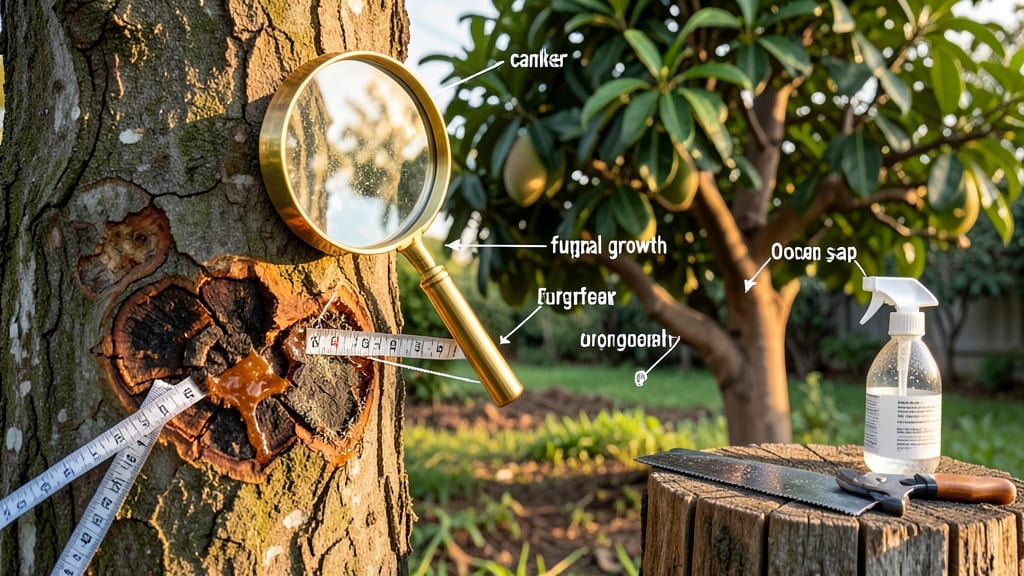
Your mango tree’s rough, peeling bark could signal a deadly fungal infection—don’t wait to act. 🌳 I’ve seen healthy trees turn into skeletal husks in months when bark disease spreads unchecked, but early treatment can save them.
The key is catching the symptoms fast: sunken cracks, oozing sap, or dark streaks under the bark mean your tree is already fighting for its life.
Most cases start with anthracnose or bacterial blight, thriving in wet, humid climates where water pools against the trunk. Poor air circulation, old wounds, or overwatering create the perfect storm.
The good news? Organic cures like copper fungicide sprays, pruning infected branches, and sealing wounds with tree paint can stop the spread—if you act within 2-3 weeks of first signs.
You’ll know you’ve turned things around when new growth appears bright green and healthy, and the bark stops flaking.
The secret is consistency: spray every 7-10 days during rainy seasons, remove infected bark with sterilized tools, and keep the base of the trunk 3-4 inches clear of mulch to prevent moisture buildup.
If the disease covers more than 30% of the trunk or sap oozes constantly, call an arborist—some infections are beyond home remedies. But for early cases? This method works. Let’s get your tree fighting back.
Root Causes Of Bark Damage
Understanding why your mango tree develops bark disease starts with identifying the hidden triggers lurking in its environment, genetics, or even your own care habits. These issues don’t appear overnight—they’re often the result of long-term stress, microbial invasions, or physical trauma.
Let’s break down the key culprits behind bark degradation in mango trees, so you can address them before they spiral.
Fungi are the #1 cause of mango bark disease, thriving in warm, humid conditions—perfect for tropical climates like those where mangoes grow. The most notorious offenders include:
- Anthracnose (Colletotrichum gloeosporioides)
- Why it’s dangerous: It weakens the bark’s protective layer, leading to cankers (sunken, discolored patches) that ooze gum or sap.
- Red flag: Dark, sunken lesions with a raised edge—often accompanied by yellowing leaves as the tree fights infection.
💡 Pro Tip: Fungal spores love moisture—avoid overhead watering, and prune during dry weather to minimize infection risks.
Pests don’t just eat leaves—they chew, bore, and weaken bark, creating entry points for diseases. The most destructive include:
- Mango Stem Borer (Batocera rufomaculata)
- Why it’s dangerous: Their tunnels disrupt sap flow, causing bark to split or crack as the tree tries to heal.
- Red flag: Sawdust-like frass (insect droppings) at the base of the trunk and sudden branch dieback.
🔥 Warning: Once pests create wounds, fungi move in fast—treat infestations immediately to prevent secondary infections.
Not all bark damage comes from pathogens or pests—environmental factors can also take a toll:
- Sun Scorch
- Why it’s dangerous: Damaged bark peels or cracks, inviting fungal infections.
- Red flag: White or gray patches on south-facing sides of the trunk.
✨ Prevention Tip: Always sterilize pruning tools with rubbing alcohol to avoid spreading disease, and apply wound dressing (like pruning sealant) to large cuts.
A stressed mango tree is like an open invitation for diseases. Common stressors include:
- Nutrient Deficiencies
- Why it’s dangerous: Deficient trees heal slowly, making them prone to cankers and rot.
- Red flag: Yellowing between leaf veins (potassium deficiency) or dead spots on bark.
🎯 Action Step: Conduct a soil test every 2–3 years to check pH and nutrient levels—balanced care prevents 80% of bark diseases.
Not all mango varieties resist bark diseases equally. Susceptible cultivars (like ‘Keitt’ or ‘Haden’) are more likely to develop issues due to:
- Thin bark (less natural protection).
- Slow wound healing (common in older trees).
- High sap content (attracts pests and fungi).
🔍 Quick Check: If your tree is young but showing symptoms, genetics may be the culprit—consider resistant varieties like ‘Kent’ or ‘Ataulfo’ for future plantings.
Revitalize Your Tree’s Bark Naturally
When your mango tree’s bark shows signs of disease—whether it’s peeling, cracking, oozing sap, or discoloration—acting fast is key. The good news? Many bark issues respond well to organic, hands-on care if you address the root cause.
Below, we break down practical fixes tailored to the most common culprits, plus preventive steps to keep your tree thriving for years. Let’s get your mango tree bark back to healthy! 🌿💪
If the bark is dark, sunken, or covered in moldy growth, a fungal infection (like anthracnose or bacterial canker) is likely the villain. Here’s how to tackle it:
🔪 Step 1: Sterilize Your Tools
Before touching the tree, clean your pruning shears with 70% rubbing alcohol or a 10% bleach solution to avoid spreading spores. ✨ Pro Tip: Wipe down tools between cuts if working on multiple trees.
🌱 Step 2: Remove Infected Bark
Use a sharp knife to scrape off dead or infected bark down to healthy tissue. Look for areas where the bark is soft, discolored, or oozing. Dispose of debris in a sealed bag—do not compost it!
💦 Step 3: Apply Organic Fungicide
Mix a baking soda spray (1 tbsp baking soda + 1 quart water + a few drops of dish soap) or use neem oil (2 tbsp neem oil + 1 quart water + 1 tsp mild soap). Spray the wound and surrounding bark every 7–10 days until new growth appears.
🌡️ Step 4: Improve Airflow and Drainage
Fungi love moisture and stagnant air. Thin out dense foliage around the trunk and ensure the tree isn’t planted in waterlogged soil. Add a 2-inch layer of wood chips or mulch (keep it 6 inches away from the trunk) to regulate moisture.
If you spot tiny holes, sawdust-like frass, or chewed bark, pests like mango seed weevils or bark borers are likely the culprits. Here’s how to evict them:
🕷️ Step 1: Handpick and Destroy
Inspect the bark for entry holes (often 1–2 mm wide). Use a screwdriver or ice pick to gently probe and kill larvae hiding beneath. Drop them into soapy water.
🍎 Step 2: Set Up Traps
Hang pheromone traps (available at garden centers) or place sticky traps near the tree. For weevils, try a DIY trap: Fill a jar with fermented mango pulp and bury it near the base—adults will drown in it.
🌿 Step 3: Apply Natural Repellents
Spray the trunk and branches with a mix of:
- 1 tbsp cayenne pepper + 1 quart water (reapply weekly)
- Neem oil (as above) to suffocate eggs
- Diatomaceous earth (food-grade only) around the base (reapply after rain)
✨ Pro Tip: Wrap the trunk with aluminum foil (smooth side out) to deter borers from laying eggs.
If the bark is cracked, flaking, or bleached from too much sun or rough handling, the fix is simpler but still requires care:
🎨 Step 1: Protect with Mulch
Apply a 3-inch layer of organic mulch (straw, pine needles, or coconut coir) around the base, but avoid piling it against the trunk. This shields roots and bark from extreme temperatures.
🖌️ Step 2: Seal Minor Cracks
For small cracks, use a natural tree wound sealant like:
- Pruned coffee grounds (mix with water to form a paste)
- Beeswax and pine tar (melt together and brush on)
⚠️ Avoid: Non-organic sealants like asphalt paint—they trap moisture and worsen rot.
🌧️ Step 3: Adjust Watering
Overwatering or sudden drought can stress the bark. Water deeply 2–3 times per week (adjust for climate) and avoid wetting the trunk directly—use a drip irrigation system instead.
An ounce of prevention is worth a pound of cure! Follow these easy habits to minimize bark issues:
🌱 Regular Inspections
Check the bark monthly for:
- Unusual discoloration (black, brown, or white patches)
- Oozing sap (sign of stress or infection)
- Cracks or peeling (early signs of damage)
💡 Quick Tip: Use a magnifying glass to spot tiny pests or fungal spores early.
🍃 Boost Tree Immunity
Feed your mango tree with:
- Compost tea (monthly during growing season)
- Citric acid spray (1 tbsp per gallon of water) to prevent fungal buildup
- Balanced organic fertilizer (10-10-10 or similar) in early spring
✨ Bonus: Plant marigolds or garlic nearby—they repel pests naturally!
🌿 Proper Pruning Practices
Prune only during the dry season (avoid rainy months) and:
- Use clean, sharp tools to make smooth cuts (never tear bark)
- Remove dead or crossing branches to improve airflow
- Avoid over-pruning—never remove more than 25% of the canopy at once
🔥 Hot Tip: Sterilize cuts with cinnamon powder (natural antifungal) before sealing.
With these targeted fixes, your mango tree’s bark should heal within a few months—and with consistent care, it’ll stay resilient. Remember, patience and consistency are key; trees recover faster when you address issues before they spiral. Happy growing! 🌳🍬
Frequently asked questions
What are the first signs my mango tree has bark disease?
Watch for dark, sunken lesions with raised edges, oozing sap, or peeling bark that reveals discolored wood underneath. Early symptoms also include yellowing leaves or black streaks under the bark—these often appear before visible damage. If you see white, fuzzy mold growing on cracks, it’s likely a fungal infection like anthracnose.
Can I save my mango tree if the bark disease covers more than 50% of the trunk?
At that stage, the tree is critically compromised and may not recover. If you see constant sap oozing, large dead patches, or the bark sloughing off in sheets, consider consulting an arborist. In severe cases, the tree may need to be removed to prevent spreading to nearby plants.
How often should I apply neem oil to treat bark disease?
Apply a neem oil spray (2 tbsp neem oil + 1 quart water + 1 tsp soap) every 7-10 days during active infection periods. For prevention, reduce to once a month during rainy seasons. Always spray in the early morning or late afternoon to avoid burning leaves in direct sunlight.
Will pruning infected branches stop the spread of bark disease?
Yes, but only if done correctly. Always use sterilized tools and cut 6 inches below the visible infection to remove affected tissue. Dispose of infected branches in a sealed bag—never compost them. Prune during dry weather to minimize fungal spore spread.
Are there any mango varieties that naturally resist bark diseases?
Yes! Varieties like ‘Kent’ and ‘Ataulfo’ have thicker bark and better natural resistance. If your current tree is susceptible, consider replacing it with these varieties for future plantings. Even resistant trees need proper care—pruning, airflow, and fungicide sprays still help maintain health.