
Pruning
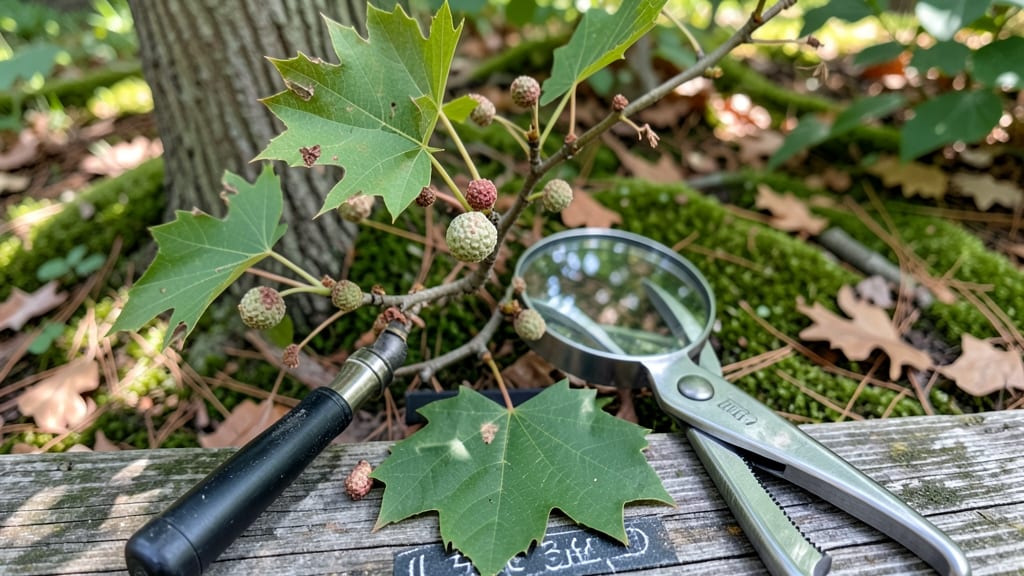
When your maple tree sprouts those strange, lumpy growths called galls, it’s not a death sentence—just a sign nature’s got a little pest problem to solve. 🌳 I’ve wrestled with these woody bumps on my silver maple, and the right pruning can turn them from eyesores into healthy scars without harming the tree.
These galls—usually caused by gall wasps or other insects—aren’t harmful in small numbers, but clusters can stress the tree. The key is timing: prune them out during dormancy (late fall or early spring) when the wasps aren’t active.
Grab your pruners, sterilize them with rubbing alcohol, and snip the gall cleanly, including a small section of healthy bark beneath it. What you’ll end up with is a tree that looks natural again, with no lingering damage.
The wounds seal over in a season, and the tree redirects energy to new growth instead of fighting off pests. Plus, you’ll avoid the temptation of harsh chemicals that can harm the tree’s roots and soil.
Prevention is simple: monitor your tree in early spring for new galls and prune them early. Healthy maples with good airflow resist infestations better, so mulch properly and water deeply during dry spells. Your tree will thank you!
The Hidden Triggers Behind Tree Growths
When you spot those odd, swollen bumps on your maple tree’s branches or stems, you’re likely dealing with a gall—a fascinating but often puzzling plant reaction. These growths aren’t just random; they’re the tree’s response to tiny invaders or environmental stressors.
Understanding the why behind them is the first step to managing—or even preventing—them naturally. Let’s break down the science and uncover the real culprits.
Most maple tree galls are caused by insects, particularly larvae from flies, wasps, or mites. These pests don’t just randomly attack—they trick the tree into nurturing them. Here’s how it works:
- Chemical Signals: When an insect lays eggs or inserts larvae into the tree’s tissue, it releases salivary enzymes that alter the tree’s natural growth hormones. The tree, sensing a "threat," overproduces cells around the intrusion, forming a gall as a protective (but misguided) response.
- Common Culprits:
- Maple Bladder Gall Midge (Dasineura leguminicola): Creates translucent, bubble-like galls on leaves or stems.
- Woolly Maple Leaf Gall (Rhizoecus americanus): Produces fuzzy, white, cotton-like galls on leaves, often accompanied by sooty mold.
- Maple Gall Wasps (Callirhytis spp.): Form hard, spherical galls on twigs, which can weaken branches over time.
- Seasonal Timing: Insects time their attacks to coincide with the tree’s active growth phase (spring to early summer). This is when the tree is most vulnerable to hormonal manipulation.
💡 Pro Tip: Inspect galls closely—some insects (like gall wasps) leave tiny exit holes as adults emerge. If you see these, the gall is active, and the tree is still under siege.
Not all galls are insect-driven. Some are caused by pathogens—fungi or bacteria—that exploit weak spots in the tree’s bark or leaves. These galls often look different from insect-induced ones, sometimes oozing sap or developing unusual textures.
- How It Happens:
- Entry Points: Pathogens sneak in through wounds (from pruning cuts, storms, or insect bites) or natural openings like lenticels (pores in bark).
- Tree’s Reaction: The tree attempts to isolate the infection by forming a dense, abnormal growth—essentially a "scar" that traps the pathogen inside.
- Red Flags:
- Oozing or discolored galls (yellow, black, or tar-like sap).
- Soft, spongy textures (unlike the hard, woody galls from insects).
- Foul odors when the gall is cut open.
- Common Offenders:
- Bacterial Gall (Pseudomonas syringae): Causes swollen, cracked galls on twigs, often in wet climates.
- Fungal Galls (Taphrina spp.): Produces powdery, orange growths on leaves (common in witches’ broom galls).
⚠️ Warning: Fungal/bacterial galls can spread quickly. If you suspect a pathogen, sterilize pruning tools with rubbing alcohol before and after cutting to avoid cross-contamination.
Believe it or not, extreme weather, nutrient deficiencies, or physical damage can also trigger gall-like growths—though these are less common than biological causes. Stress galls are usually a sign that the tree is struggling to adapt.
- Key Stressors:
- Extreme Temperatures: Sudden freezes or heatwaves disrupt cell division, leading to abnormal growths as the tree tries to recover.
- Nutrient Imbalances: Too much nitrogen or a deficiency in boron or zinc can cause hyperactive cell growth, mimicking galls.
- Mechanical Damage: Heavy snow, hail, or even animal rubbing (like deer or rabbits) can create wounds that trigger gall formation.
- How to Tell:
- Stress galls are often irregularly shaped and lack the symmetry of insect or fungal galls.
- They may appear clustered in damaged areas (e.g., near broken branches).
- The rest of the tree shows other stress signs, like yellowing leaves or stunted growth.
🌱 Actionable Fix: If stress is the culprit, focus on improving tree health:
- Apply a balanced fertilizer (test soil first!).
- Mulch around the base to regulate soil temperature.
- Protect the tree from physical trauma (e.g., wrap young trunks in tree guards).
Now that you know the why, the next step is figuring out how to prune or treat these galls without harming your maple tree. Stay tuned for our step-by-step pruning guide to restore its health naturally!
Natural Fixes for Maple Tree Growths
Maple tree galls—those unsightly, often tumor-like bumps—can stress your tree, but the good news is you can often manage or even reverse their impact with the right approach. Below, we’ve mapped out practical, step-by-step solutions tailored to the most common causes, from fungal infections to insect activity.
Each fix is designed to restore your tree’s health while keeping your yard safe and chemical-free.
If your maple tree’s galls ooze, smell foul, or appear soft and spongy, a pathogen is likely the culprit. Here’s how to tackle it:
🔥 Prune Out Infected Growths
- Sterilize your tools 🧼: Use rubbing alcohol or a 10% bleach solution to clean pruning shears before and after each cut. This prevents spreading spores.
- Remove galls completely ⏰: Cut at least 3–4 inches below the gall (including healthy tissue) to ensure you’re eliminating the infection source. Bag and dispose of the clippings in the trash—not the compost!
- Seal wounds 🛡️: Apply pruning sealant (like Tanglefoot Tree Wound Pruning Sealer) to larger cuts to protect against further infection.
🌡️ Boost Tree Immunity
- Water deeply but infrequently 💧: Overwatering weakens trees, making them vulnerable. Aim for 1–1.5 inches of water per week (including rainfall).
- Feed with organic matter 🍄: Spread compost or well-rotted manure around the base in early spring to strengthen roots.
Avoid synthetic fertilizers, which can stress the tree. - Encourage airflow 🌬️: Thin out dense branches to reduce humidity near the trunk, creating an environment less favorable for fungi.
💡 Pro Tip:
If galls reappear in the same spot, the issue might be root rot—a sign of overwatering or poor drainage. Test your soil’s moisture level with a trowel: if it stays soggy for days, amend with sand or perlite to improve drainage.
Insect-induced galls often look woody, hard, or filled with tiny holes. The key is disrupting the life cycle of the pests without harming beneficial insects.
🍳 Manual Removal for Small Galls
- Pick off galls by hand 👩🍳: Wear gloves and pluck galls into a bucket of soapy water (1 tbsp dish soap per gallon) to drown the insects inside.
- Focus on new growth 🌱: Insects target tender shoots—check branches in early spring and remove galls before they mature.
🔪 Targeted Pruning for Large Infestations
- Remove heavily infested branches 🪓: If a branch is covered in galls (especially from maple gall midges), prune it back to a healthy bud or lateral branch.
- Dispose of clippings carefully 🗑️: Seal galls in a plastic bag and trash them—do not compost—to prevent reinfestation.
🌿 Natural Pest Deterrents
- Neem oil spray 🌿: Mix 1 tbsp neem oil + 1 tsp mild soap per quart of water and spray affected areas in early morning or evening (avoid direct sun).
Reapply every 7–10 days until galls stop appearing. - Introduce predator insects 🐞: Ladybugs and lacewings eat aphids—buy them online or attract them with native flowering plants like dill or yarrow. - Horticultural oil ❄️: Apply dormant oil in late winter to smother overwintering eggs (follow label instructions).
✨ Prevention for Next Year
- Install fine mesh netting 🪢: Wrap young trees in tree guards or mesh sleeves to block adult insects from laying eggs.
- Encourage birds 🐦: Robins and chickadees eat gall-forming insects—hang a bird feeder nearby to boost their presence.
If your maple tree is otherwise healthy but still develops galls, stress (from drought, compacted soil, or poor nutrition) might be the trigger. Fix the root cause with these steps:
💧 Hydration & Soil Care
- Mulch properly 🍂: Apply 2–4 inches of organic mulch (wood chips or straw) 3 inches away from the trunk to retain moisture and regulate soil temperature.
- Aerate compacted soil 🏗️: Use a manual aerator or rent a core aerator to loosen soil, improving root access to water and nutrients.
🌱 Nutrient Balance
- Test your soil 📊: A DIY soil test kit (available at garden centers) will tell you if your tree needs nitrogen, phosphorus, or potassium.
Adjust with balanced organic fertilizer (like 10-10-10). - Top-dress with worm castings 🐛: Spread 1–2 inches of castings around the drip line in spring to slowly release nutrients.
🌬️ Reduce Physical Stress
- Avoid over-pruning ❌: Never remove more than 25% of the canopy in one season—this weakens the tree.
- Protect from lawn equipment 🚜: Keep mowers and trimmers 3+ feet away from the trunk to prevent bark damage.
If galls:
- Grow rapidly (suggesting aggressive fungal spread),
- Ooze dark, tar-like sap (sign of bacterial infection), or
- Cover the entire tree (indicating systemic stress),
…it’s time to consult an arborist. They can diagnose diseases like verticillium wilt or advanced root rot and recommend targeted treatments.
Remember: Patience is key—some galls take 1–2 seasons to fully resolve. Consistency in care (pruning, watering, and monitoring) will help your maple tree bounce back stronger! 🌳💪
Frequently asked questions
Are maple tree galls harmful to my tree's health?
Most maple tree galls are harmless in small numbers—they’re the tree’s natural response to insect activity. However, large clusters or rapidly growing galls can stress the tree and weaken branches over time. Focus on removing only the worst-affected growths during dormancy to prevent further damage.
What’s the best time of year to prune maple tree galls?
Prune galls during late fall or early spring when the tree is dormant and gall-forming insects aren’t active. This minimizes stress on the tree and prevents reinfestation. Avoid pruning in summer, as fresh cuts can attract pests.
Can I use chemical treatments on maple tree galls?
Chemicals like insecticides can harm beneficial insects and disrupt your tree’s natural defenses. Instead, opt for neem oil or horticultural oil—these target pests without killing pollinators. For severe cases, consult an arborist for targeted organic solutions.
Will removing galls help my tree grow faster?
Removing galls redirects the tree’s energy to healthy growth, but don’t expect instant results. Focus on pruning properly (clean cuts, sterilized tools) and improving soil health. With consistent care, your maple will recover and grow stronger over 1–2 seasons.
How do I tell if a gall is from insects vs. disease?
Insect galls are usually hard, woody, and symmetrical with tiny exit holes. Disease galls are often soft, oozing, or discolored (yellow/black sap). If unsure, check for exit holes—a sign of insect activity—or consult a local extension office for diagnosis.