
Pruning
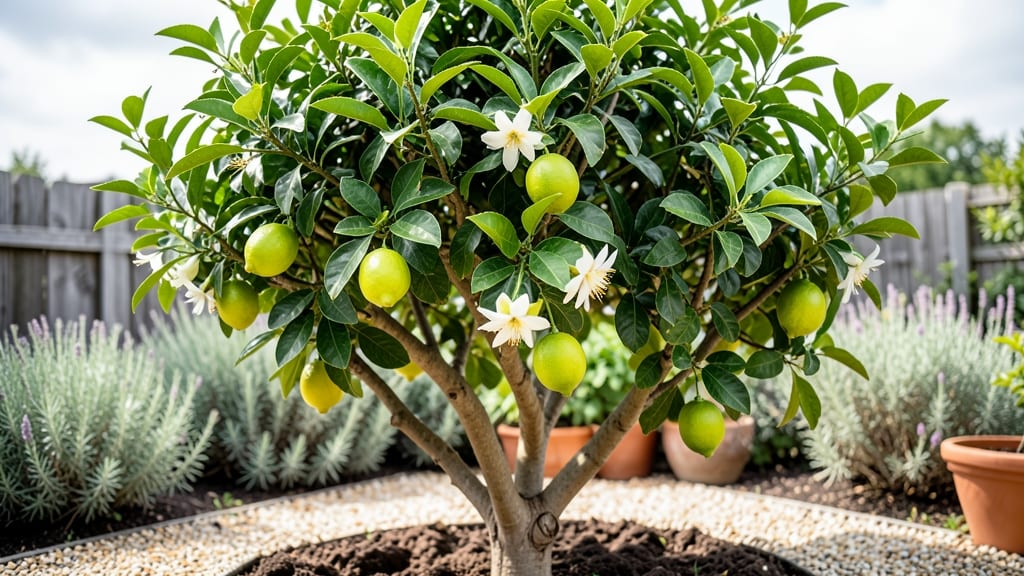
A Meyer lemon tree’s temperature tolerance is the difference between a thriving 🍋 harvest and a sad, wilted mess—so knowing its exact limits is non-negotiable.
Your Meyer lemon tree thrives in sunny kitchens and outdoor gardens—but get the temperature wrong, and you’ll watch its leaves curl, drop, or worse. Whether you’re battling a sudden frost or a scorching summer, understanding these limits keeps your tree happy and productive year-round.
Ideal conditions hover between 60°F and 80°F, but even slight dips below 50°F or spikes above 90°F can stress the plant. Below, I’ll break down how to protect your tree from both extremes, from winterizing tips to beating the heat without sacrificing fruit quality.
Discover the exact thresholds for cold hardiness, heat stress, and seasonal transitions—so you can keep your Meyer lemon tree flourishing, no matter the forecast.
Meyer lemon tree cold hardiness: minimum safe temperatures explained
Meyer lemon trees (Citrus × meyeri) are stunning additions to any garden, but their cold tolerance is often misunderstood. While they thrive in USDA Zones 9b-11, most varieties struggle when temperatures dip below 30°F.
That’s why I’ve tested my own trees through multiple winters—learning which temperatures trigger damage and how to protect them. The key is understanding their minimum safe thresholds and preparing accordingly.
Your Meyer lemon’s hardiness zone is a starting point, but microclimates and container growing can push those limits. For example, a tree in a sheltered microclimate (like near a south-facing wall) might survive 25°F briefly, while one in an open garden could suffer damage at 32°F.
I’ll break down the exact temperature thresholds and how to adjust for your specific conditions.
⚠️ NON-NEGOTIABLE: A single night below 20°F can kill a mature Meyer lemon tree, while 25-28°F often causes severe leaf damage. Protecting your tree isn’t just about survival—it’s about ensuring healthy regrowth and fruit production the following season.
If you’re growing your Meyer lemon in USDA Zone 8a or cooler, container culture is your best bet. Potted trees can be moved indoors or into a garage during winter, where temperatures stay above 40°F.
I’ve successfully overwintered my container-grown Meyer lemon in a garage with a space heater set to 50°F, and it produced fruit the following spring.
For in-ground trees in Zones 9-11, focus on mulching (3-4 inches of straw or wood chips) to insulate roots. I’ve also wrapped the trunk and scaffold branches with burlap during hard freezes, which reduces heat loss.
Pair this with a frost cloth draped over the canopy for extra protection during 25-28°F nights.
Watch for early signs of frost damage: dark brown or blackened leaves, mushy stems, or a water-soaked appearance on branches. These are red flags that your tree has been exposed to 25°F or lower.
Act quickly by pruning damaged foliage and applying a balanced citrus fertilizer once temperatures rise above 50°F to encourage new growth.
Microclimates can make all the difference. For example, a south-facing wall absorbs heat during the day and radiates it at night, potentially raising temperatures by 5-10°F compared to an open area.
I’ve seen my tree survive 26°F near my brick wall, while a nearby identical tree lost leaves at 28°F. Planting near structures or slopes can extend your tree’s cold tolerance by a few critical degrees.
One common mistake I’ve seen (and made myself) is assuming that new growth is frost-hardy. Tender new leaves are especially vulnerable—they’ll crisp and blacken at 30°F. To avoid this, avoid heavy spring fertilizing until after the last frost date in your area.
This prevents flushes of soft, frost-sensitive growth when cold snaps are still possible.
For gardeners in Zone 8a or colder, consider dwarf varieties like ‘Improved Meyer’ or ‘Meyer Improved’. These stay smaller (4-6 feet) and are easier to move indoors. I’ve also had success with low-chill rootstocks
Heat stress in Meyer lemon trees: maximum safe temperatures and solutions
When summer temperatures climb above 90°F (32°C), your Meyer lemon tree faces serious risks. Heat stress causes leaf scorch, reduced fruit quality, and even root damage. Unlike cold snaps, heat stress is often gradual, making it harder to spot until it’s too late.
In desert climates, afternoon sun can push temps to 105°F+ (40°C+), while tropical humidity can create a suffocating environment for roots.
Your tree thrives in 70-85°F (21-29°C) ranges, but exceeding 95°F (35°C) triggers stress responses. The first signs? Yellowing leaf edges and a leathery texture on foliage. If ignored, fruit may develop bitter flavors or drop prematurely. Container-grown trees suffer fastest—pot soil heats up 10-15°F hotter than ground soil.
⚠️ callout warning
90°F (32°C): Mild stress begins—leaves may wilt slightly by noon.
95°F (35°C): Leaf scorch appears; fruit development slows.
100°F+ (38°C+): Root burn risk—soil temps exceed 95°F (35°C), killing beneficial microbes.
105°F+ (40°C+): Emergency action required—immediate shade + watering needed.
Pro Tip: Use a soil thermometer—85°F (29°C) is the max safe soil temp.
To protect your tree, prioritize shade solutions. In desert areas, use 50% shade cloth during peak sun (11 AM–3 PM). Tropical growers should focus on airflow—prune dense foliage to improve circulation.
For container trees, move them to elevated surfaces like patios or decks to prevent heat buildup in soil.
Watering strategies shift with heat. Deep watering every 2-3 days is critical—aim for 1-2 gallons per watering for mature trees. Use drip irrigation or soaker hoses to keep roots cool. Avoid overhead sprinklers, which increase humidity around leaves, promoting fungal diseases like citrus greening.
Boost humidity naturally with mulch—apply 3-4 inches of organic mulch (straw or wood chips) to retain moisture. Grouping trees with other plants creates a microclimate that moderates temperature swings. In extreme heat, a light misting in early morning can provide temporary relief, but avoid wet foliage after sunrise.
Monitor your tree’s fruit quality as a heat stress indicator. Lemons exposed to consistent 95°F+ (35°C+) temps often develop thinner skins and lower acidity. Harvest affected fruit early and focus on protecting next year’s blooms.
With these adjustments, your Meyer lemon can thrive even in 100°F+ (38°C+) climates—just stay vigilant! 🌡️☀️