
Pruning
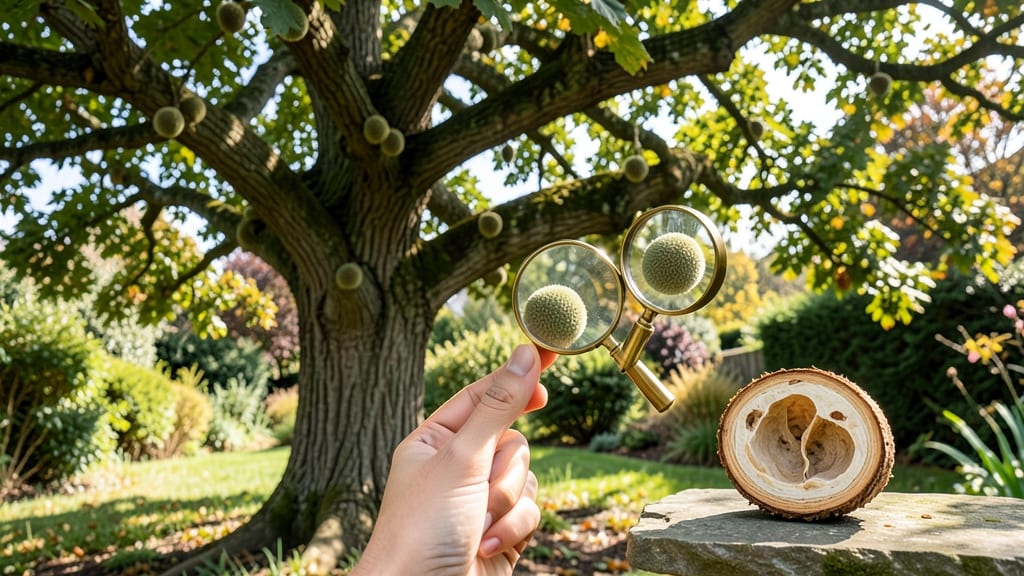
Those weird, lumpy growths on oak branches aren’t just odd—they’re oak tree galls, and understanding them could save your tree from unnecessary stress. 🌳 I’ve seen these galls turn into full-blown pruning projects when homeowners mistake them for disease or pest damage, so let’s clear up the confusion first.
Most oak galls are harmless, caused by wasps or mites laying eggs in the bark, which triggers the tree to form protective growths. The real issue? Over-pruning healthy branches to remove them.
Some galls, especially large or numerous ones, can weaken branches over time, but the tree usually handles them just fine. Your goal should be selective pruning—only removing galls if they’re cracking the bark or causing structural weakness.
Use sharp, sterilized shears and make clean cuts just outside the gall’s base to avoid further damage. For prevention, keep your oak healthy with proper watering and mulching. If galls become a recurring problem, consider organic treatments like neem oil (though results vary).
The key is patience—most galls fade on their own as the tree matures.
📚 In This Guide
- What you need
- Instructions
- Tips and common mistakes
- Wrapping up and next steps
What you need
- ● Bypass pruning shears: Sharp, clean pair (10-12” blades) – essential for precise cuts.
- ● Loppers: 18-24” with bypass blades – for thicker branches (up to 2” diameter).
- ● Pruning saw: Curved-tooth or folding saw – for branches over 2” in diameter.
- ● Disposable gloves: Heavy-duty, nitrile-coated – protects hands from splinters and sap.
- ● Rubbing alcohol (70%+) or bleach solution: 1 part bleach to 10 parts water – for sterilizing tools between cuts.
- ● Heavy-duty trash bags or bucket: For collecting gall-infested branches and debris.
- ● Ladder or extension pole: Sturdy, with a non-slip base – for safe access to higher branches.
- ○ Tree wound dressing (optional but helpful): Pruning sealant or beeswax wrap – for large cuts (see tips below!).
- ● Handheld leaf blower: Clears debris and small galls from the ground effortlessly.
- ● Safety glasses: Protects eyes from flying sap or debris.
- ● Pole pruner: Extends reach for high branches without a ladder.
- ● Notebook & pen: To mark branches for future monitoring or pruning notes.
Step-by-Step guide to pruning oak tree galls safely
Here's how to remove galls without harming your oak tree's health or spreading pests.
✂️ Step 1: Identify and Assess the Galls
Start by examining the galls closely to determine their type and severity. Oak galls are abnormal growths caused by insects, fungi, or mites, and they often appear as swollen, rounded bumps or irregular growths on branches. Common types include marble galls (smooth, round) and oak apple galls (lumpy, irregular).
Use a hand lens or magnifying glass to inspect the galls for signs of active insect larvae or fungal growth. If the galls are small, soft, or still expanding, they may be actively damaging the branch. Larger, hardened galls are often harmless and can be left alone unless they weaken the branch. Mark the affected branches with colored flags to track them over time.
🪴 Step 2: Gather the Right Tools and Safety Gear
Pruning oak tree galls requires precision to avoid spreading pests or damaging the tree. You’ll need sharp, sterilized pruning shears (for small galls) and a pruning saw (for larger branches). Sterilize your tools with rubbing alcohol or a 10% bleach solution to prevent cross-contamination between cuts.
Wear gloves, long sleeves, and safety goggles—oak galls can harbor irritating insects or fungi. A bucket or tarp placed below the work area will catch debris and make cleanup easier. If the galls are heavily infested, consider wearing a respirator mask to avoid inhaling dust or spores.
✂️ Step 3: Prune Galls Correctly to Minimize Damage
For small galls, use sterilized pruning shears to cut them off at least ½ inch below the base of the gall. This ensures you remove the entire growth and any hidden larvae. Avoid tearing the bark—clean cuts heal faster and reduce the risk of infection. If the gall is on a thin branch, prune the entire branch back to a healthy lateral bud or branch collar to encourage new growth.
For larger galls or heavily infested branches, use a pruning saw to remove the entire branch. Cut just outside the branch collar (the swollen area where the branch meets the trunk) to promote proper healing. Seal larger wounds with pruning sealant to protect the tree from pests and disease. Never leave stubs—they invite decay and further pest activity.
🌿 Step 4: Dispose of Galls Properly
Place all pruned galls and debris in a sealed plastic bag and dispose of them in the trash—not your compost bin. Galls can harbor pests or fungal spores that may survive and reinfest your tree. If you suspect a severe infestation, consider burning the debris (if local regulations allow) to eliminate any lingering threats.
After pruning, inspect the tree for additional galls or signs of stress, such as yellowing leaves, wilting, or oozing sap. If you notice these symptoms, treat the tree with neem oil or horticultural oil (follow label instructions) to deter pests. Monitor the pruned areas for new growth within 4-6 weeks—healthy regrowth indicates successful recovery.
⏰ Step 5: Monitor and Maintain Tree Health
Check the pruned branches monthly for signs of regrowth or new galls. Healthy oak trees can handle minor pruning, but severe gall infestations may require professional arborist intervention. If galls reappear in the same area, the underlying issue (e.g., pest infestation or fungal infection) may need targeted treatment.
Strengthen your oak tree’s resilience by watering deeply during dry spells and applying a balanced fertilizer in early spring. Mulch around the base (but not touching the trunk) to retain moisture and improve soil health. With proper care, your oak tree will recover and thrive—galls be damned.
Tips & tricks for pruning oak tree galls safely
Here's what I've learned from years of pruning oak trees—these tricks will keep your tree healthy and your work efficient.
Precision Cuts Matter: When you're cutting small galls in Step 3, make sure your pruning shears are sharp enough to slice cleanly through the bark without tearing. A dull blade can crush the tissue around the cut, which slows healing. I always test my tools on a scrap piece of bark first to ensure they're sharp enough for clean cuts. This prevents unnecessary stress on the branch and reduces the risk of infection.
Tool Sterilization is Non-Negotiable: Between cuts in Step 2, wipe down your pruning shears or saw with rubbing alcohol or a bleach solution. I've seen too many cases where contaminated tools spread fungal infections between branches. If you're working on multiple trees, sterilize after each one. This simple step can save your tree from further damage and keeps your workspace clean.
Look for Hidden Damage: In Step 1, when you're assessing galls, don't just look at the surface—gently probe the bark around the gall with your fingernail. If you feel soft spots or see discolored areas underneath, that branch may be more damaged than it appears. This hidden damage can indicate deeper issues that might require more extensive pruning. I've found that catching these early prevents bigger problems later.
Season Timing: The best time to prune oak trees is during their dormant season—late fall or winter. This gives the tree time to heal before spring growth begins. If you must prune in late spring or summer, do it early in the morning when the tree is less stressed from heat. Oak trees are particularly susceptible to fungal infections after pruning, so timing matters for their recovery.
Pro Tips for Oak Tree Galls On Branches
- Here's what I've learned from years of pruning oak trees—these tricks will keep your tree healthy and your work efficient.
- Precision Cuts Matter: When you're cutting small galls in Step 3, make sure your pruning shears are sharp enough to slice cleanly through the bark without tearing.
- Tool Sterilization is Non-Negotiable: Between cuts in Step 2, wipe down your pruning shears or saw with rubbing alcohol or a bleach solution.
Frequently asked questions
Got questions about oak tree galls?
You’re not alone! Here are some of the most common concerns—and straightforward answers—to help you tackle those pesky growths like a pro.
What exactly are oak tree galls, and why do they form?
Oak tree galls are abnormal growths caused by insects (like gall wasps) or mites laying eggs in the bark or buds. The tree reacts by forming a protective, swollen tissue around the irritant. While they’re usually harmless to the tree, they can weaken branches over time if left unchecked.
Are oak galls harmful, or can I just leave them alone?
Most galls are not immediately dangerous, but severe infestations or large galls can stress the tree, attract pests, or even lead to branch dieback. Prune them off during dormant seasons (late fall/winter) to prevent spread and maintain branch health. Think of it like removing a splinter—better out than in!
When is the best time to prune oak galls to avoid further damage?
Prune galls in late fall or winter (Nov–Feb) when the tree is dormant. Avoid spring/summer pruning, as it can stress the oak and increase the risk of fungal infections. If you spot fresh galls in summer, mark the branches for removal during the next dormant season.
How do I safely remove galls without hurting the tree?
Use sterilized pruning shears to cut 1–2 inches below the gall (into healthy wood). Seal the wound with pruning sealant to prevent disease. For large clusters, thin out the branch instead of hacking—think precision over brute force! Dispose of infected branches in the trash (not compost).
Can I prevent oak galls from coming back next year?
While you can’t eliminate galls entirely, you can reduce their return by:
- Monitoring the tree regularly for early signs (tiny bumps or sawdust-like frass).
- Encouraging natural predators like birds and parasitic wasps that feed on gall-makers.
- Maintaining tree health with proper watering, mulching, and avoiding over-fertilization (stressed trees attract more pests).
What if the galls are everywhere—is my oak tree dying?
While galls alone rarely kill a tree, a sudden explosion of galls plus yellowing leaves, oozing sap, or branch death could signal deeper issues (like oak wilt or borers). In this case, consult a certified arborist ASAP—don’t wait! A healthy oak can handle galls; a struggling one needs expert care.
Wrapping up and next steps
Identifying and addressing oak tree galls on branches is a manageable task with the right knowledge and tools! 🌳 By understanding the types of galls, recognizing signs of infestation, and following proper pruning techniques, you can help restore your oak tree’s health and vitality. Don’t let these pesky growths stress you out—take action now to keep your tree thriving!
Ready to tackle the job? Grab your pruners, safety gear, and confidence, then start pruning with care today! Your oak tree will thank you with stronger branches and a healthier future.