
Trees
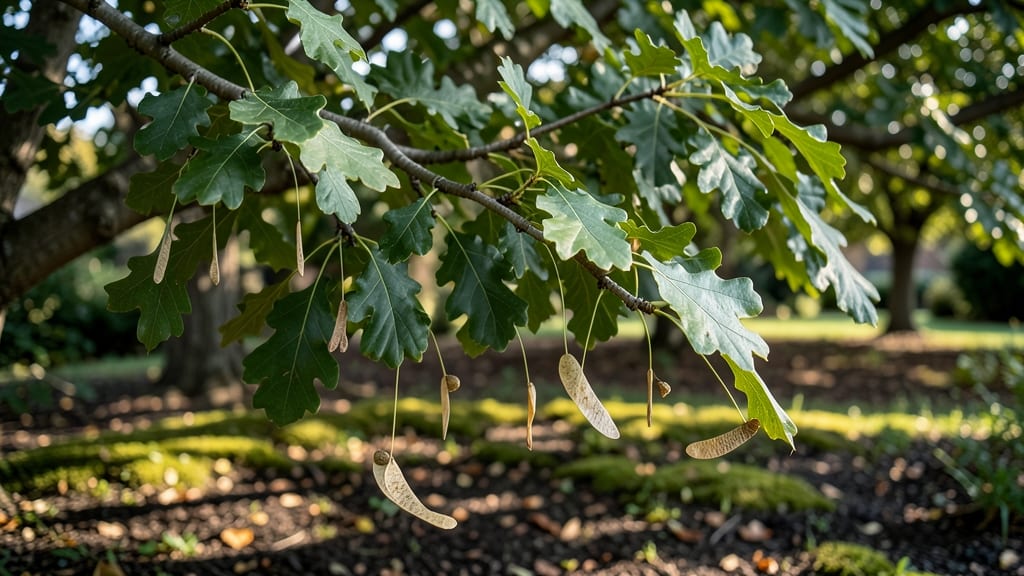
Growing oak trees from helicopter seeds is the ultimate patience test—and the reward is a century-old giant in your yard. 🌳 I’ve watched these winged seeds transform from tiny brown pods into towering shade providers, and the process starts with collecting them at the right moment: when they’re fully mature but still attached, usually in late fall before they hit the ground.
The trick to fast sprouting isn’t magic—it’s mimicking nature’s conditions. You’ll need a stratification period (cold, moist treatment) to break dormancy, followed by warmth to trigger growth.
Most gardeners skip this step and wonder why their seeds never sprout, but once you get it right, germination happens within 4-8 weeks—not the years some myths suggest. What you’ll end up with is a thriving sapling that outpaces store-bought seedlings, thanks to its natural resilience.
The roots develop deeper, and the tree grows stronger because it started from seed, not a nursery pot. Just be ready for the 10-year wait before it casts real shade—every gardener’s long game.
This method works for red, white, or pin oak varieties, and the same principles apply whether you’re planting in a forest gap or your backyard. Let’s get those seeds sprouting!
📚 In This Guide
- What you need
- Instructions
- Tips and common mistakes
- Wrapping up and next steps
What you need
- ● Oak tree helicopter seeds (acorns with wings) – Collect at least 10-20 seeds for better success rates. Ensure they’re fresh (from the current fall season) and free of cracks or mold.
- ● Well-draining potting soil – A high-quality seed-starting mix (sterile and lightweight) or a blend of 50% peat moss, 30% perlite, and 20% sand.
- ● Small seed trays or pots – Use biodegradable peat pots (2-3 inches deep) or plastic cell trays with drainage holes. Aim for 1 seed per pot to avoid overcrowding.
- ● Spray bottle with water – For gentle hydration (avoid soaking).
- ● Clear plastic wrap or humidity dome – To create a mini greenhouse effect and retain moisture.
- ● Labeling tags and marker – To track planting dates and varieties (especially if mixing oak species).
- ● Seed stratification kit or refrigerator – For cold treatment (if seeds aren’t pre-stratified). A zip-top bag with moist paper towels works too!
- ○ Heating mat (optional) – Set to 70-75°F to speed up germination (not required but handy in cool climates).
- ● Grow lights or sunny windowsill – A south-facing window or LED grow light (12+ hours/day) ensures strong seedlings.
- ● Fertilizer (balanced, low-dose) – Like fish emulsion (5-5-5) or seaweed extract, diluted to half-strength once seedlings sprout.
- ● Tweezers or toothpick – For gently placing tiny seeds in pots.
Step-by-Step instructions for germinating oak tree helicopter seeds
Here’s how to break oak seed dormancy and get those iconic helicopter seeds sprouting within weeks.
🌱 Step 1: Stratify Seeds to Mimic Winter Conditions
Oak seeds need cold stratification—a simulated winter—to break dormancy. Place seeds in a ziplock bag with a damp paper towel, seal it, and refrigerate for 90-120 days. The moisture keeps them from drying out, while the cold mimics natural winter chilling.
Check the bag monthly—if the towel dries, mist it lightly. You’ll know stratification is working when the seed coat softens slightly and the seed feels plump. This step is critical: without it, seeds may take years to germinate, if ever.
💧 Step 2: Sow Stratified Seeds in a Controlled Environment
After stratification, plant seeds ½ inch deep in a moist, well-draining potting mix (avoid garden soil—it’s too dense). Use a small pot or seed tray with drainage holes to prevent waterlogging. Keep the soil consistently damp but not soggy—oaks hate "wet feet."
Place the container in a warm, bright spot (around 70-75°F). A grow light works best if natural light is weak. Germination can take 4-12 weeks, so patience is key. Watch for the first tiny green shoot—that’s your signal to keep conditions stable.
☀️ Step 3: Transplant Seedlings to Larger Pots for Growth
Once seedlings develop 2-3 true leaves (not just the initial cotyledons), transplant them into 4-inch pots with fresh potting mix. Handle them gently—oak roots are delicate. Place each seedling 1 inch deeper than it was in the tray to encourage a sturdy root system.
Move pots to a sunny location (at least 6 hours of light daily) or under grow lights. Keep soil lightly moist but avoid overwatering—oaks are drought-tolerant once established, but seedlings need consistent moisture. You’ll see faster growth when leaves turn a rich, deep green and new ones appear regularly.
⏰ Step 4: Acclimate Seedlings Before Outdoor Planting
After 3-4 months, when seedlings are 6-12 inches tall, start hardening off by placing them outside in partial shade for 1-2 hours daily. Gradually increase exposure over 2 weeks, ending with full sun. This prepares them for outdoor conditions without shock.
Plant outdoors in early spring (after last frost) or fall, spacing seedlings 10-15 feet apart in well-draining soil. Water deeply after planting to settle roots, then reduce frequency—oaks thrive with deep, infrequent watering. You’ll know they’re adapting when new leaves appear within 4-6 weeks of transplanting.
Tips & tricks for perfect oak tree helicopter seed germination
These pro tips will help you skip the guesswork and get those iconic oak seeds sprouting faster than ever.
Cold Stratification Precision: For the 90-120 days of cold stratification in Step 1, place your ziplock bag on a shelf in your fridge—not the crisper drawer. The consistent 35-40°F temperature mimics natural winter conditions more accurately than fluctuating crisper temps. I've found that using a second sealed bag with a small amount of water nearby helps maintain humidity without over-saturating the towel.
Visual Cues for Germination Readiness: In Step 2, when planting your stratified seeds, look for these signs they're ready: the seed coat should feel slightly pliable when gently pressed (like a soft grape), and you'll notice a faint green tint developing near the seed's attachment point. This indicates the embryo has started activating. Plant these seeds immediately—they'll germinate fastest within 48 hours of showing these signs.
Lighting Strategy for Seedlings: For the 6 hours of daily light required in Step 3, position your grow lights 6-12 inches above the seedlings. I use a simple LED bulb on a timer for 14 hours daily (2 hours more than the minimum) during the germination phase—this extra light boosts early growth without overheating. Watch for seedlings leaning toward the light; rotate the tray daily for even development.
Hardening Off Schedule: When you begin the 2-week hardening off process in Step 4, start with just 1 hour of outdoor exposure on day 1 (not the full 1-2 hours). Gradually increase by 30 minutes each day—this slower progression prevents transplant shock. I've seen seedlings that went from 1 hour to full sun too quickly develop brown edges on their leaves within days.
Pro Tips for Oak Tree Helicopter Seeds
- These pro tips will help you skip the guesswork and get those iconic oak seeds sprouting faster than ever.
- Cold Stratification Precision: For the 90-120 days of cold stratification in Step 1, place your ziplock bag on a shelf in your fridge—not the crisper drawer.
- This indicates the embryo has started activating.
Frequently asked questions
1. How long does it take for oak tree helicopter seeds to germinate?
Patience is key! Oak seeds can take anywhere from 4 weeks to 6 months to sprout, depending on the species (e.g., white oak vs. red oak) and conditions. Cold stratification (mimicking winter) speeds this up—try soaking seeds in water for 24 hours, then chilling them in a damp paper towel in the fridge for 60–90 days before planting.
2. Do I need to remove the "helicopter" (wing) before planting?
Nope! The wing (samara) is nature’s built-in parachute—leave it attached to help with natural dispersal and early moisture absorption. However, if the seed is dry and brittle, you can gently trim the wing to encourage faster hydration. Just avoid damaging the seed itself!
3. What’s the best soil mix for oak seed germination?
Oak seeds thrive in well-draining, slightly acidic soil (pH 5.0–6.5). Mix equal parts peat moss or coconut coir, perlite, and sandy loam for ideal aeration. Avoid heavy clay—it traps moisture and can rot seeds. Pro tip: Add a thin layer of compost for nutrients without compacting the mix.
4. Why aren’t my oak seeds sprouting? Troubleshooting tips
Too dry?
Mist seeds daily and keep the soil consistently moist (not soggy). A clear plastic bag over the pot creates a humidity dome.
Not cold enough?
Oak seeds require stratification. If you skipped the fridge step, try planting in fall—the cooler temps will trigger germination.
Pests or mold?
Fungal issues (like black mold) mean poor airflow. Space seeds 1 inch apart and use a fungicide spray if needed.
Old seeds?
Oak viability drops after 1–2 years. Test freshness by cutting a seed open—it should be plump and firm, not shriveled.
5. Can I grow oak trees from helicopter seeds indoors?
Start seeds in small pots (2–3 inches deep) with the soil mix above, and place them near a south-facing window or under grow lights (12–14 hours/day). Once sprouts have 2–3 true leaves (not just the initial seed leaves), transplant outdoors after the last frost. Just know: Oak trees are slow growers—plan for years before they mature!
Wrapping up and next steps
Growing oak tree helicopter seeds is a rewarding journey that connects you to nature’s resilience! 🌱 With the right prep—like scarification, moisture control, and patience—you’ll soon witness tiny sprouts transforming into mighty oaks. Your next step? Grab those seeds, follow the tricks you’ve learned, and watch your forest dream take root.
Happy planting!
- Pro tip: Label your seedling pots to track progress and celebrate each milestone!