
Blooming
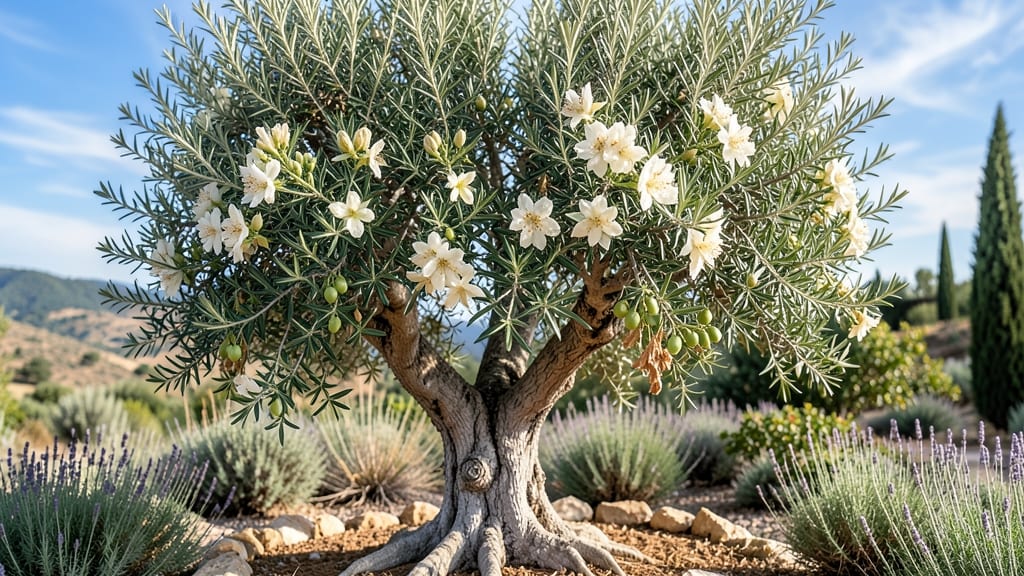
Understanding the olive tree bloom stages 🫒 is key to unlocking a bountiful harvest—each phase reveals whether your tree is thriving or struggling.
Watching an olive tree bloom is like witnessing nature’s slow-motion masterpiece—each stage transforms its appearance dramatically, from deep green leaves to delicate white flowers. But how do you recognize each phase correctly? Missing a single bloom cycle could mean delayed olives for years.
In Mediterranean climates like California or Spain, blooms typically kick off in late spring, but timing shifts with your zone. The first sign? Tiny buds forming in the leaf axils, turning from purple to green as they mature.
Without proper care, these buds can drop, leaving you with no fruit at all.
By the end of this guide, you’ll spot each stage by leaf and flower color, adjust care to boost flowering, and prune at the right time to maximize olives. Let’s break it down step by step.
5 Olive tree bloom stages explained by leaf and flower color
Olive trees transform dramatically during their bloom cycle, shifting from purple-tinged new growth to fragrant white flowers and finally to olive fruit. Each stage reveals clues about your tree’s health and care needs.
In USDA Zones 8-10, blooms typically appear in late spring (May-June), but timing varies by climate—cooler regions may see flowers in early summer. Recognizing these stages helps you time pruning, watering, and fertilization for maximum fruit production.
New olive leaves often emerge with a deep purple hue before maturing to glossy green. This color shift signals the tree’s transition into its budding stage, where tiny flower buds form along branches.
In Zone 9, this occurs around April, while Zone 10 trees may bud slightly earlier. Pay attention to leaf texture—soft, fuzzy buds indicate healthy growth, while brittle leaves suggest stress.
🌱 Visual Clues: Look for 1-inch-long flower buds clustered in 3-5 groups along branches. These buds will soon open into small white or pale yellow flowers with a distinctive honey scent. If your tree skips this stage entirely, it may need more sunlight or balanced fertilization.
The flowering stage is the most visible, with clusters of tiny white or pale yellow flowers covering branches. This phase lasts about 2-3 weeks in Zone 9, but may extend to 4 weeks in cooler Zone 8.
During this time, your tree needs consistent watering—about 1-2 gallons per week—to support energy-intensive blooming. Avoid overhead watering to prevent fungal issues.
After flowers fade, the pollination stage begins, where tiny olive fruits (about pea-sized) appear. By July, these fruits will turn from green to purple as they mature.
If you notice no fruit set after flowering, your tree may need cross-pollination (plant a second variety nearby) or better air circulation to prevent fungal diseases like peacock spot.
By late summer, your tree enters the fruit set stage, where olives grow to 1-2 inches and develop their signature dark purple hue. This is when you’ll see leaf hardening—older leaves become thicker and leathery, preparing for winter.
Prune lightly after this stage to avoid removing next year’s flower buds, which form in September-October.
In Zone 10,
How to tell if your olive tree is blooming normally (vs. stressed)
A healthy olive tree bloom cycle is a beautiful dance between flower density, leaf vitality, and fruit retention. When your tree thrives, you’ll see clusters of white to pale yellow flowers followed by green olives that mature into rich purple-black fruit.
But stressed trees often show sparse blooms, yellowing leaves, or even dropped buds—signs that demand attention. Understanding these differences helps you adjust care before problems escalate.
The key to spotting a healthy bloom lies in three critical areas: flower abundance, leaf condition, and fruit development. A normal bloom should cover 30–50% of the tree’s branches with flowers, while leaves remain deep green and firm.
In contrast, a stressed tree may have fewer than 10% blooms, wilting or yellowing leaves, or no olives forming after flowering. Climate and care mistakes—like overwatering or poor pruning—often trigger these warning signs.
- ✅ Flower clusters cover 30–50% of branches
- ✅ Leaves stay deep green and firm
- ✅ Olives form within 4–6 weeks after flowering
- ✅ Minimal leaf drop (<5% total)
- ⚠️ Fewer than 10% branches bloom
- ⚠️ Yellowing or curling leaves appear
- ⚠️ No olives develop after flowering
- ⚠️ Heavy leaf drop (>10% total)
One of the first signs of a healthy bloom is dense flower clusters that appear in late spring. These should cover at least 30% of the tree’s branches, with white to pale yellow flowers that last 2–3 weeks.
If your tree has sparse blooms or flowers that fall off quickly, it may be nutrient-deficient or under stress from improper watering. For example, overwatering can drown roots, while drought stress may cause buds to drop before opening.
Leaf condition is another critical indicator. Healthy olive tree leaves should remain deep green and leathery, with no yellowing or curling.
If you notice yellowing leaves (a sign of chlorosis) or premature leaf drop, check for root rot (from overwatering) or nutrient deficiencies (like iron or zinc).
In Mediterranean climates, where olive trees thrive, leaf drop is normal in hot summers, but excessive shedding signals deeper issues.
Finally, fruit retention is the ultimate test of a healthy bloom. After flowering, green olives should appear within 4–6 weeks and gradually mature into purple-black fruit.
If your tree doesn’t set fruit or drops olives early, it may be due to poor pollination, temperature extremes, or lack of nutrients. For instance, cold snaps during bloom can kill pollen, while high nitrogen (from over-fertilizing) may promote foliage over fruit.
To keep your olive tree blooming normally, focus on three key adjustments: balanced fertilization (use 10-10-10 NPK in early spring), consistent watering (deep soaks every 7–14 days