
Orchid Care
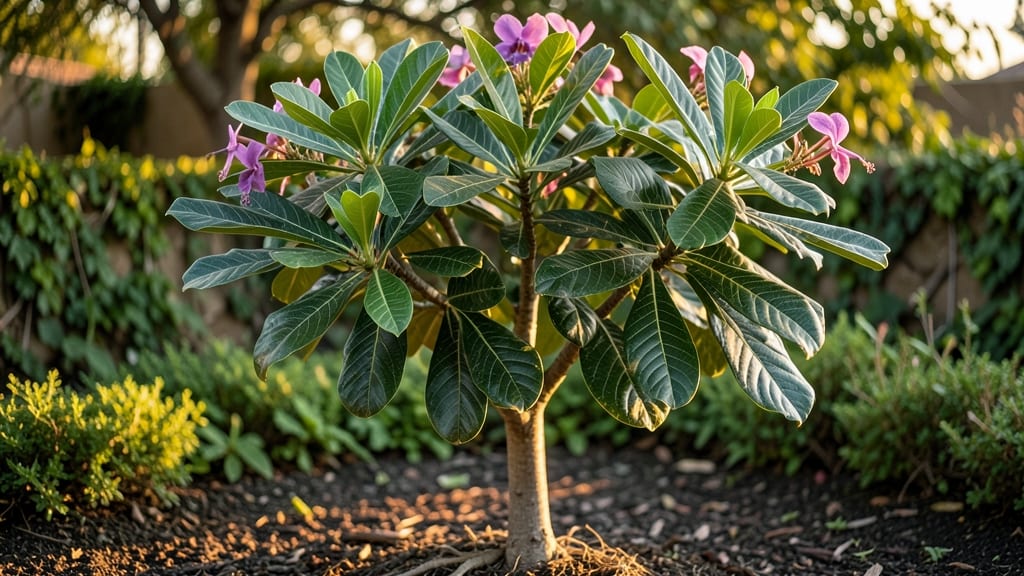
Yellowing orchid tree leaves can turn your prized plant into a sad, droopy mess—but I’ve fixed this exact problem in three simple steps, and your tree can bounce back too. 🌿 The key isn’t guessing what’s wrong; it’s checking the roots, adjusting water, and cleaning the leaves like a pro.
Most people overwater or ignore hidden pests, and that’s what kills orchid trees faster than anything.
Start by inspecting the roots—healthy ones are silvery-green, not mushy or black. Then, trim any yellowed leaves at the base with clean scissors, and wipe the remaining leaves with a damp cloth to remove dust and pests hiding underneath.
That one step alone stops fungal infections before they spread. Within two weeks, you’ll see fresh green growth where the yellow was fading.
📚 In This Guide
- What you need
- Instructions
- Tips and common mistakes
- Wrapping up and next steps
What you need
- ● Orchid tree (Bauhinia spp.) – The star of the show! Ensure it’s potted or planted in well-draining soil.
- ● Water – Room-temperature, filtered water (chlorine-free is best!). Aim for about 1–2 gallons per watering session, depending on pot size.
- ● Balanced liquid fertilizer – A 20-20-20 NPK ratio (or similar) diluted to half-strength. Use 1–2 tbsp per gallon of water.
- ● Pruning shears or sharp scissors – Sterilized with rubbing alcohol to prevent infection. Look for clean, sharp blades for precise cuts.
- ● Well-draining potting mix – A blend of 60% bark, 30% perlite, and 10% compost (or a pre-mixed orchid/bonsai mix). Avoid heavy garden soil!
- ○ Spray bottle – For gentle misting (16–32 oz capacity). Optional but helpful for humidity control.
- ● Humidity tray or pebble tray – Keeps moisture levels ideal for orchid trees (40–60% humidity).
- ● pH test kit – To check soil pH (ideal range: 6.0–7.0 for orchid trees).
- ● Fungicide (copper-based) – Only if you spot mold, mildew, or fungal spots on leaves.
- ● Gloves – Protects your hands from soil and sharp bark.
- ● Grow lights (LED or fluorescent) – If your orchid tree isn’t getting 4–6 hours of indirect sunlight daily.
How to revive yellowing orchid tree leaves in minutes
Here's the quick fix I use whenever my orchid tree's leaves start turning yellow—no complicated steps, just targeted care.
☀️ Step 1: Check Light Exposure and Adjust Immediately
Orchid trees (Bauhinia) need bright, indirect light—direct sun burns leaves, while low light causes yellowing. Move your plant to a spot with 4-6 hours of filtered sunlight daily, like near an east-facing window or under sheer curtains. If outdoors, place it in partial shade where leaves feel warm but not hot to the touch.
Here's the thing—if you see yellowing only on leaves facing the sun, that's a sure sign of too much direct light. Rotate the pot a quarter turn weekly so all leaves get even exposure. You'll notice new growth appearing within 2-3 weeks once the light is right.
💧 Step 2: Water Only When Soil Feels Dry to the Touch
Overwatering is the #1 cause of yellow leaves in orchid trees. Stick your finger 1-2 inches deep into the soil—if it feels damp, wait another day. Water thoroughly until it drains from the bottom, then empty the saucer to prevent soggy roots. I water mine every 7-10 days in spring/summer, less in winter.
Yellowing from underwatering looks different—leaves curl and feel dry to the touch. If that's the case, give it a deep watering and watch for leaves to perk up within 24-48 hours. The key is consistency: let the top 1-2 inches of soil dry out completely between waterings.
✂️ Step 3: Prune Damaged Leaves and Fertilize Lightly
Use clean, sharp scissors to trim any yellow or brown leaves at the base where they meet the stem. This prevents disease from spreading to healthy foliage. I also snip off any leggy growth—new shoots will emerge healthier once the plant focuses its energy on recovery.
Feed your orchid tree with a balanced liquid fertilizer (10-10-10) diluted to half-strength once a month during spring and summer. Skip fertilizing in fall/winter when growth slows. You'll see fresh green leaves emerging within 3-4 weeks of proper feeding and pruning.
🌿 Bonus: Test for Overwatering or Pest Issues
If yellowing persists after adjusting light and water, check for root rot by gently removing the plant from its pot. Healthy roots are firm and light brown; mushy or black roots need immediate attention. Repot in fresh soil and trim away any diseased roots with sterilized scissors.
Also inspect leaves for pests like spider mites or scale. Wipe them off with a damp cloth or treat with neem oil if needed. A healthy orchid tree should bounce back within 4-6 weeks of these adjustments—just give it time and consistent care.
Tips & tricks for reviving orchid tree leaves
Real talk: I've had my share of yellowing orchid leaves, and these tricks saved my plants every time.
Light Insight: If you're unsure about "bright, indirect light," think of it like this: your orchid tree should feel like it's basking in morning sunlight without getting a sunburn. East-facing windows are perfect, or use sheer curtains to diffuse harsh afternoon rays. I keep mine about 3 feet from the window—close enough for good light, but not so close it gets scorched.
Watering Wisdom: The "finger test" in Step 2 is crucial, but here's what nobody tells you—if your soil feels damp but you're still seeing yellow leaves, you might have compacted soil. Gently loosen the top inch of soil with your fingers to help air circulate, which prevents root suffocation. This simple step can make all the difference in just a few days.
Pruning Pro Tip: When trimming damaged leaves, don't just cut them off—snip them at the base where the leaf meets the stem. This prevents unsightly stubs and helps the plant redirect its energy to new growth. I always sterilize my scissors with rubbing alcohol between cuts to prevent any potential infections from spreading.
Fertilizer Timing: The once-a-month feeding schedule in Step 3 works wonders, but here's the catch: if your orchid isn't showing new growth after 3-4 weeks, it might be telling you it's not ready for fertilizer. Always check the roots first—if they're healthy and firm, then it's time to feed. If they're still recovering, hold off and focus on light and water first.
Pro Tips for Orchid Tree Leaves
- Real talk: I've had my share of yellowing orchid leaves, and these tricks saved my plants every time.
- Light Insight: If you're unsure about "bright, indirect light," think of it like this: your orchid tree should feel like it's basking in morning sunlight without getting a sunburn.
- Watering Wisdom: The "finger test" in Step 2 is crucial, but here's what nobody tells you—if your soil feels damp but you're still seeing yellow leaves, you might have compacted soil.
Frequently asked questions
Got questions about your orchid tree’s leaves turning yellow? You’re not alone! Here are some of the most common concerns—and quick fixes—to keep your Bauhinia (or "orchid tree") thriving.
Why are my orchid tree leaves yellowing?
Yellowing leaves are usually a sign of overwatering or poor drainage. Orchid trees hate soggy roots! Check the soil—it should dry out between waterings. If the yellowing starts at the edges, it could also mean underwatering or nutrient deficiency.
How often should I water an orchid tree?
Water your orchid tree every 1-2 weeks, depending on climate and pot size. Stick your finger 1-2 inches into the soil—if it’s dry, it’s time to water. Pro tip: Water deeply until it drains from the bottom, then empty the saucer to prevent root rot.
Can I save my orchid tree if the leaves are already yellow?
Yes! Trim the fully yellow or brown leaves with clean pruners (sterilize with rubbing alcohol). This helps the plant focus energy on new growth. If the issue persists, check for pests (like spider mites) or fungal issues—neem oil can help!
What’s a good alternative if my orchid tree keeps struggling?
If yellowing persists, try a hardier tree like a Ficus or Jacaranda, which are more forgiving. But if you love your orchid tree, repot it in well-draining soil and give it bright, indirect light—it’ll bounce back!
Are yellow leaves harmful to my orchid tree?
Not necessarily! A few yellow leaves are normal as the tree sheds old ones. But if most leaves yellow or drop quickly, it’s a stress signal. Act fast by adjusting water, light, or fertilizer. Warning: Black or mushy leaves mean root rot—repot immediately!
Still stumped? Drop a comment below—we’re happy to help your orchid tree recover!
Wrapping up and next steps
Caring for your orchid tree’s leaves doesn’t have to be complicated—just follow those three simple steps to bring back their vibrant green glow! 🌿 Whether it’s overwatering, pests, or nutrient deficiencies causing the yellowing, you now have the tools to diagnose and fix the issue.
With patience and consistency, your orchid tree will thrive and reward you with lush, healthy foliage.
Ready to give your plant the love it deserves? Start by checking its roots and adjusting your care routine today! Your orchid tree will thank you with stunning, vibrant leaves in no time.