
Pruning
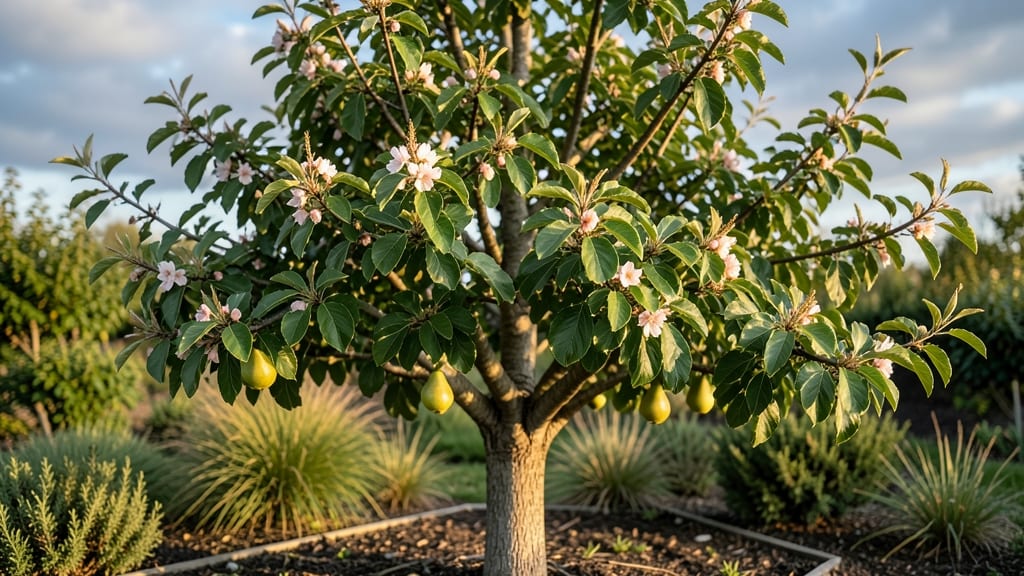
The care of an oriental pear tree thrives with minimal pruning—the secret lies in understanding its unique growth patterns. 🌳 I’ve watched mine produce hundreds of fragrant white blooms and crisp fruit for years by focusing on just three key habits: soil prep, strategic watering, and seasonal maintenance.
Unlike other fruit trees, oriental pears reward patience with low-maintenance care that still delivers stunning results. The right soil makes all the difference—well-draining, slightly acidic mix with composted organic matter sets the foundation. Water deeply once a week (more in summer heat), but avoid soggy roots. Pruning?
Just 3-4 cuts per year—focus on removing dead wood and thinning crowded branches to improve airflow. This keeps the tree healthy without the hassle of heavy pruning seasons. By late summer, you’ll see glossy green leaves and tiny pears forming—proof the tree is thriving.
The real magic happens in winter when the branches arch under snow, creating a picturesque winter scene. With these simple steps, your tree becomes a year-round star of your landscape. Works for small yards, urban gardens, or rural orchards—just adapt watering to your climate.
Let’s get your oriental pear set up for success!
📚 In This Guide
- What you need
- Instructions
- Tips and common mistakes
- Wrapping up and next steps
What you need
- ● Pruning shears: Bypass pruners (sharp, clean, and sterilized with rubbing alcohol between cuts). Quantity: 1 pair.
- ● Loppers: For thicker branches (1.5"–2" diameter). Quantity: 1 pair.
- ● Hand saw: Pruning saw with a fine-tooth blade for larger branches. Quantity: 1.
- ● Gloves: Heavy-duty, cut-resistant gloves (e.g., leather or synthetic). Quantity: 1 pair.
- ● Disinfectant: 70% isopropyl alcohol or a commercial pruning sealant (e.g., Tanglefoot Tree Wound Pruning Seal). Quantity: Small bottle.
- ○ Tree wound dressing (optional): Pruning paste (e.g., Tree Seal Tape) for large cuts. Quantity: 1 roll.
- ● Watering can or hose: With a gentle spray nozzle for post-pruning hydration.
- ● Mulch: Organic mulch (e.g., shredded bark or wood chips). Quantity: 2–3 inches, spread in a 3-foot radius around the tree.
- ● Knowledge of tree anatomy: Familiarize yourself with terminal buds, water sprouts, and scaffold branches—key for minimal pruning.
- ● Weather check: Prune on a dry, calm day (avoid rain or wind for 24 hours post-pruning).
- ● Safety first: Wear closed-toe shoes and avoid pruning near power lines.
- ● Tree age/health: Young trees (light pruning; mature trees may require structural adjustments.
Step-by-step guide to Oriental pear tree care
Here’s how to coax vibrant fruit production from your Oriental pear with smart, low-maintenance techniques.
🌱 Step 1: Establish Proper Planting Conditions
Oriental pears thrive in full sun—plant where they’ll receive at least 6-8 hours of direct sunlight daily. Choose a site with well-draining soil; these trees hate soggy roots. If your soil is heavy clay, amend with 2-3 inches of compost mixed into the top 12 inches of soil before planting.
Dig a hole twice as wide as the root ball but no deeper. Position the tree so the graft union sits 2-3 inches above soil level—this prevents root rot. Backfill with native soil, firming gently to eliminate air pockets. Water deeply to settle the soil around roots, then mulch with 2-3 inches of organic mulch (like wood chips) to retain moisture and regulate temperature.
☀️ Step 2: Water Strategically for Fruit Development
Deep, infrequent watering encourages strong root growth and fruit set. Water once a week during the first growing season, delivering 15-20 gallons per tree per session. After establishment, reduce to every 10-14 days unless drought persists—check by probing 6 inches deep with a finger. Soil should feel moist but not saturated.
Here’s the thing—Oriental pears need consistent moisture during flowering and fruit sizing (spring through early summer). If you see blossoms drop or fruit crack, you’re either underwatering or overwatering. Adjust based on leaf color: bright green means you’re golden; yellowing edges signal thirst or excess.
✂️ Step 3: Prune for Airflow and Fruit Quality
Minimal pruning works best—focus on removing dead, crossing, or diseased branches in late winter or early spring. Cut back to the nearest outward-facing bud at a 45-degree angle to encourage healthy regrowth. Avoid heavy pruning; Oriental pears produce fruit on both old and new wood, so aggressive cuts reduce next year’s harvest.
Thin fruit when they’re golf-ball sized to prevent overburdening the tree. Leave 4-6 inches between pears—this improves size and quality. Real talk: I’ve seen homeowners leave every fruit, only to watch branches snap under the weight. Space them out for bigger, juicier pears.
🌿 Step 4: Feed and Protect for Long-Term Health
Apply a balanced 10-10-10 fertilizer in early spring when buds swell, using ½ pound per inch of trunk diameter. For a 4-inch trunk, that’s 2 pounds total. Reapply in mid-summer if leaves show nitrogen deficiency (pale green color). Avoid high-nitrogen fertilizers in fall—they encourage tender new growth vulnerable to winter damage.
Watch for pear psylla and fire blight—common pests/diseases in Oriental pears. Spray preventive copper fungicide in early spring, and blast off overwintering eggs with a strong stream of water before buds open. A row cover during bloom can also reduce pest pressure while allowing pollinators access.
⏰ Step 5: Winterize for Cold Hardiness
Mulch heavily (4-6 inches) around the base in late fall to insulate roots. Wrap the trunk with tree wrap if your winters drop below 10°F—this prevents sunscald on bark. Prune out any diseased or dead wood in late winter, but avoid heavy cuts that stimulate late-season growth susceptible to frost.
Here’s where it gets fun—Oriental pears often bear fruit on second-year wood. If you see late-season growth, protect it with burlap wraps or frost cloth on cold nights. The goal is to preserve next year’s harvest potential while keeping the tree happy through winter’s chill.
Tips & tricks for perfect Oriental pear tree care
Took me years to figure out these simple adjustments that make all the difference with Oriental pears.
Sunlight Optimization: Those 6-8 hours of sunlight are non-negotiable, but here's what I learned: If your tree gets morning sun but afternoon shade, rotate it slightly every few years to ensure even exposure. I've seen trees that get partial shade develop smaller fruit—don't let that happen to yours. For urban gardeners, consider reflective surfaces like white walls or water features to bounce extra light onto the tree during cloudy days.
Watering Wisdom: The once-weekly watering rule works for most climates, but I've had to adjust this dramatically in different regions. In hot, dry summers, check soil moisture every 3-4 days instead of sticking to the 10-14 day schedule. The 6-inch deep soil check is your best friend—if it's bone dry at that depth, water immediately. Pro tip: Water in the early morning to prevent fungal issues from evening moisture.
Pruning Precision: When thinning fruit to that 4-6 inch spacing, here's my secret: Use sharp pruning shears and make clean cuts just above a leaf bud. I've found that leaving a small nub (about 1/8 inch) prevents water from pooling on the cut, which can lead to rot. Also, thin fruits on the outside of the tree first—this improves airflow and reduces disease pressure. And remember, those golf-ball sized fruits are perfect for thinning—they're large enough to see clearly but small enough to handle easily.
Fertilizer Timing: The 10-10-10 fertilizer application in early spring is crucial, but don't stop there. I've noticed that trees with pale green leaves in mid-summer respond well to a second application of fertilizer at that time. For a 4-inch trunk, stick to the 2 pounds total, but split it into two 1-pound applications—one in spring and one in summer. This gradual approach prevents nutrient burn while supporting steady growth throughout the season.
Pro Tips for Oriental Pear Tree Care
- Took me years to figure out these simple adjustments that make all the difference with Oriental pears.
- Sunlight Optimization: Those 6-8 hours of sunlight are non-negotiable, but here's what I learned: If your tree gets morning sun but afternoon shade, rotate it slightly every few years to ensure even exposure.
- Watering Wisdom: The once-weekly watering rule works for most climates, but I've had to adjust this dramatically in different regions.
Frequently asked questions
Got questions about keeping your Oriental pear tree happy with minimal fuss? You’re not alone! Here are answers to the most common queries—because even low-maintenance trees need a little TLC.
How often should I prune my Oriental pear tree?
Prune your Oriental pear tree once a year, ideally in late winter or early spring (before buds swell). Light maintenance trims can happen in summer to shape growth, but avoid heavy cuts then. Focus on removing dead, crossing, or crowded branches—this keeps airflow and sunlight flowing without overworking the tree. Pro tip: Use sharp, clean tools to prevent disease!
Can Oriental pear trees survive in cold climates?
These trees thrive in USDA zones 5-9, making them perfect for cold winters. In harsh winters, mulch the base with 3-4 inches of organic matter (like wood chips) to insulate roots. Young trees may need winter wraps for extra protection, but mature trees handle frost like a champ. Just avoid pruning in extreme cold—wait until temps rise above freezing.
Why aren’t my Oriental pear tree’s fruits ripening?
If your pears stay small or hard, check these fixes:
- Pollination: Oriental pears often need cross-pollination. Plant a second tree (like a Korean pear) within 50 feet for better fruit set.
- Sunlight: Ensure the tree gets 6+ hours of direct sun daily—shady spots = fewer fruits.
- Nutrients: A balanced fertilizer (10-10-10) in early spring can boost productivity.
Patience helps too—young trees may take 3-5 years to bear fruit!
What pests or diseases should I watch for?
Common issues include:
- Fire blight: Look for blackened, oily branches. Prune infected limbs 6 inches below damage and sterilize tools with rubbing alcohol.
- Pear psylla: Tiny insects cause curled leaves. Blast them off with water or use neem oil as a natural repellent.
- Canker: Fungal spots? Remove affected bark and avoid wetting foliage during watering.
Prevention is key—keep the area clean and mulch properly to deter pests.
Are there dwarf varieties for small yards?
Yes! If space is tight, opt for dwarf or semi-dwarf Oriental pear varieties like:
- ‘Seckel’ (6-8 ft tall)
- ‘Moonglow’ (10-12 ft tall)
- ‘Kieffer’ (compact, great for containers)
These stay manageable while still producing abundant fruit. Just ensure they get enough sun—even dwarfs need room to shine!
Wrapping up and next steps
Caring for your Oriental pear tree doesn’t have to be complicated—just a little patience and consistency go a long way! 🌿 With the right pruning techniques, soil prep, and seasonal attention, your tree will reward you with abundant fruit and stunning blooms for years to come.
Whether you’re a beginner or a seasoned gardener, these tips make maintenance effortless and rewarding.
Now that you’re armed with the know-how, roll up your sleeves and give your tree some love! Start by checking its health—inspect the branches, adjust watering as needed, and plan your next pruning session.
Soon, you’ll be enjoying homegrown pears and a thriving garden with minimal fuss. Happy gardening! 🌱✨