
Pruning
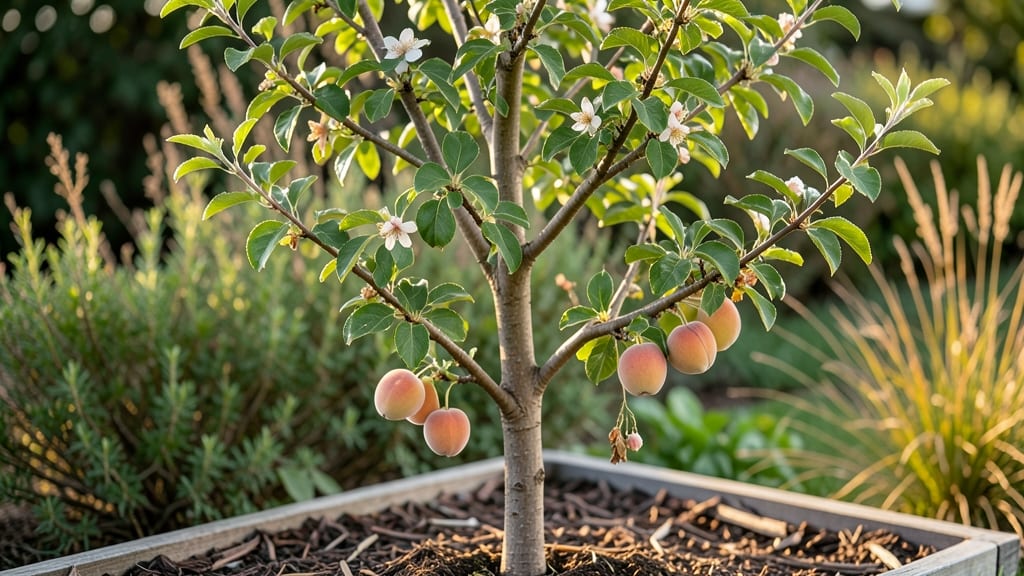
Your peach tree's first fruit arrives sooner than you think—with the right pruning approach, you could see harvests in just 1-2 years instead of waiting for years.
Picture this: You’ve planted your 🍑 sapling with high hopes, only to watch it grow leaves instead of fruit. That’s because young peach trees focus on building structure before producing—unless you guide them with strategic cuts.
The secret? Pruning for an open center shape early on, which lets sunlight reach the center branches where fruit buds form.
But timing and technique matter. Cut too much, and you delay fruiting. Skip pruning, and your tree becomes a tangled mess. Below, I’ll walk you through the exact cuts to make, when to make them, and how to avoid the 3 biggest mistakes that push back your first harvest.
Ready to turn your peach tree from a leafy bush into a fruiting powerhouse? Let’s get started with the pruning tricks that actually work.
How to prune a peach tree for first fruit in 1-2 years
Peach trees are eager fruit producers, but their first harvest often takes 3-5 years without proper guidance. The key to first fruit in 1-2 years lies in strategic pruning during the tree's formative years.
By shaping your peach tree correctly from the start, you'll encourage strong flowering branches and maximize sunlight exposure—both critical for early fruit production.
Most gardeners mistakenly focus on removing too many branches, thinking it speeds up fruiting. In reality, selective pruning to create an open-center canopy or central leader structure is what triggers early blooms. Let's break down the exact cuts and timing needed to see your first peaches sooner than expected.
⚠️ Critical Note: Peach trees are self-pollinating but benefit from cross-pollination. If possible, plant a second variety within 50 feet for better fruit set.
Step-by-Step Pruning Plan for Early Fruit
When pruning, always use sharp, clean tools to make smooth cuts. Ragged edges invite bacterial infections, which can stunt your tree's growth. I recommend sterilizing your pruners with rubbing alcohol between cuts to prevent the spread of disease.
One common mistake is over-pruning young trees in hopes of faster fruiting. Remember, 30% annual reduction is the safe limit. Your goal is to shape the tree, not strip it bare. Each cut should improve airflow and sunlight access to the inner branches.
For dwarf varieties, you can prune slightly more aggressively to maintain compact size, but still follow the 30% rule. These trees often fruit earlier—sometimes as early as year 2—if pruned correctly from the start.
After pruning, apply a balanced fertilizer (10-10-10) around the drip line to support new growth. Water deeply to help the tree recover. Within 2-3 weeks, you should see fresh leaf and shoot growth, signaling the tree is responding well.
Patience is key, but with this method, you'll likely see flower buds by year 2. If your tree flowers but doesn't fruit, it may need cross-pollination or thinner fruit clusters to reduce stress.
Keep an eye on blossom thinning in spring—removing 25% of flowers can lead to larger, healthier peaches.
🌱
Common pruning mistakes that delay peach tree fruit production
Peach trees are eager fruit producers, but poor pruning habits can push back your first harvest by 2-3 years. Many gardeners accidentally stifle growth by focusing on aesthetics instead of fruit-bearing structure.
The key is understanding how peach trees naturally develop—they flower on last year's wood, so aggressive cuts remove potential fruit buds.
I’ve seen young peach trees with lush canopies but no fruit because well-meaning pruners removed too many scaffold branches. These branches are the foundation for future fruit production. Without them, your tree spends energy on foliage instead of flowering wood. Let’s fix that with targeted pruning corrections.
⚠️ Peach Tree First Fruit Warning
Removing more than 25% of live branches in one pruning session can delay fruiting by 3+ years. Peach trees need their scaffold branches to establish a strong framework for fruit production. Never prune during wet weather—this invites fungal diseases like brown rot, which can kill flower buds before they open.
One of the biggest mistakes is pruning at the wrong time. Many gardeners cut back peach trees in late winter, but this removes dormant flower buds that would have bloomed in spring.
Instead, time your pruning for late winter to early spring, just before buds swell but before they break dormancy. This preserves next year’s fruit potential.
Improper cut angles create weak branch collars that split under fruit weight. Always make cuts just outside the branch collar, at a 45-degree angle. Avoid flush cuts that leave stubs—these invite disease and rot.
Use sharp, clean pruners to make smooth cuts that heal quickly. A 1/4-inch diameter branch should be cut with a single motion for the cleanest result.
Neglecting deadwood removal might seem minor, but dead branches steal energy from your tree. They also harbor pests like peach tree borers, which can kill young trees. Scan your tree annually for dark, brittle branches and remove them completely.
Seal larger wounds with pruning sealant to prevent infection. This simple step keeps your tree focused on producing fruit instead of fighting decay.
Finally, many gardeners misunderstand peach tree growth habits. These trees grow best with an open-center shape, not a tight, conical form. Crowded branches block sunlight and air flow, leading to poor fruit set.
Aim to space scaffold branches 12-18 inches apart and thin out crossing branches to improve light penetration. This encourages more flowering wood and better fruit development.
By avoiding these common mistakes, your peach tree can produce its first fruit in 2-3 years instead of waiting 5+. Focus on preserving scaffold branches, timing cuts correctly, and maintaining an open canopy. Your patience will pay off with a bountiful harvest! 🍑✂️