
Watering
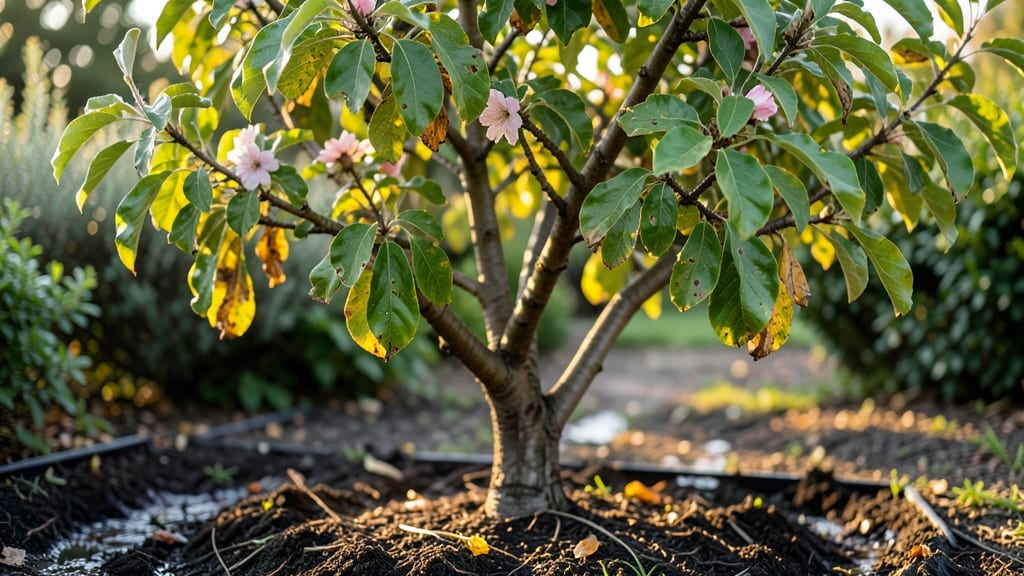
Your peach tree's yellowing leaves aren't a death sentence—just a cry for help from soggy roots. 🌱 I've nursed back more overwatered peach trees than I'd like to admit, and the fix is simpler than you think.
The key is stopping the water stress now and giving the roots room to breathe again.
Most gardeners overdo it because peach trees do love moisture—but that doesn't mean they want swampy soil. Yellowing leaves, wilting branches, and that foul smell from compacted roots? Classic overwatering.
The good news? Peach trees bounce back fast when you adjust watering, improve drainage, and prune the damaged growth. I'll show you exactly how in three simple steps.
Within 2-3 weeks of proper care, you'll see fresh green leaves pushing from the branches again. The tree will start focusing energy on fruit production instead of struggling to survive. Just remember: peach trees are tough—they'll forgive your mistakes if you catch them early.
For severe cases where the trunk feels mushy or roots are rotting, it's time to call in a professional. But if your tree is just looking sad and tired, these steps will have it thriving by summer. Let's get those roots breathing again!
Root Causes Behind Wet Leaves
When your peach tree’s leaves start wilting, yellowing, or dropping—despite your best watering efforts—it’s often a sign the roots are drowning in excess moisture. Understanding the why behind overwatering helps you fix the problem before it’s too late.
Here’s a breakdown of the key factors causing soggy soil and stressed foliage:
Peach trees thrive in well-draining soil, but heavy clay, compacted dirt, or amended soil with too much organic matter (like peat moss) can trap water like a sponge.
When roots sit in saturated conditions for too long, they suffocate from lack of oxygen—a condition called anaerobic stress. This triggers:
- Root rot: Fungal pathogens like Phytophthora or Pythium multiply in waterlogged soil, attacking root tissues.
- Nutrient starvation: Roots can’t absorb water or minerals efficiently, leading to yellowing leaves (chlorosis) from iron or nitrogen deficiencies.
- Toxic buildup: Excess water leaches away beneficial microbes but leaves behind harmful salts or hydrogen sulfide, which poison roots.
💡 Pro Tip: Test your soil’s drainage by digging a 12-inch hole near the tree, filling it with water, and timing how long it takes to drain. If it’s still wet after 6 hours, your soil is too dense. Amend with coarse sand, perlite, or gypsum to improve aeration.
Peach trees are drought-tolerant once established, but many gardeners err on the side of caution—watering every time the top inch of soil feels dry. This leads to:
- Frequent shallow watering: Light, frequent watering encourages roots to stay near the surface, where they’re more prone to rot.
- Ignoring weather patterns: Rainy seasons or humid climates reduce the need for supplemental water. A soggy root zone from double watering (yours + rain) is a fast track to leaf problems.
- Improper timing: Watering late in the day leaves foliage damp overnight, inviting fungal diseases like brown rot, which also causes leaf drop.
🎯 Actionable Fix: Switch to deep, infrequent watering—soak the soil to 12–18 inches every 7–10 days (adjust for climate). Use a moisture meter or the "screwdriver test" (if it pushes in easily, you’ve overwatered).
Peach trees in pots or small planting beds face a double whammy: limited soil volume and poor drainage. Containers without drainage holes act like a bathtub, trapping water against roots. Signs your tree is root-bound or suffocating:
- Leaves turn yellow or brown at the edges (a sign of root asphyxiation).
- Soil smells sour or moldy when wet.
- Roots circle the pot (visible when you lift the tree).
✨ Solution: Upgrade to a larger pot with drainage holes and use a fast-draining mix (50% potting soil, 30% perlite, 20% sand). For in-ground trees, loosen soil annually with a garden fork to prevent compaction.
Peach trees struggle in environments where evaporation slows down, like:
- High humidity: Slows water absorption, making roots sit in wet soil longer.
- Cold, wet springs: Chilly temperatures reduce root activity, so excess water lingers instead of being absorbed.
- Shady spots: Less sunlight means slower transpiration (water loss through leaves), keeping soil damp.
💡 Adaptation Tip: If your tree is in a humid zone, mulch lightly (1–2 inches of straw) to regulate soil temperature but avoid piling mulch against the trunk. For cold climates, water deeply before winter to help roots survive frost, then reduce watering until spring.
Most overwatering issues stem from a mix of these factors. The good news? Once you identify the root cause (pun intended), you can adjust your care routine to give your peach tree the dry-but-moist balance it craves. Next, we’ll cover how to revive your tree in 3 simple steps.
Revive Your Tree in 3 Steps
If your peach tree’s leaves are drooping, yellowing, or wilting from too much water, don’t panic—these fixes will help you nurse it back to health. The key is acting fast, adjusting your watering habits, and giving your tree the right conditions to recover.
Below, we break down the solutions based on the most common causes of overwatering and how to address them.
If your peach tree is sitting in soggy soil, the roots are suffocating and can’t absorb oxygen or nutrients. Here’s how to dry it out and improve drainage:
- 🔥 Stop Watering Immediately
Let the soil dry out completely before watering again. Stick your finger 2–3 inches into the soil—if it’s damp, wait another day. Overwatering often comes from a schedule, not intuition, so break the habit.
- 🍳 Amend the Soil for Better Drainage
Peach trees hate "wet feet." Mix in organic matter like compost, sand, or perlite to loosen heavy clay soil. For a quick fix, create a shallow trench around the tree (6–12 inches deep) to encourage water runoff.
- 👨🍳 Elevate the Tree (If Needed)
If your tree is planted in a low spot where water pools, consider mounding soil around the base (but not against the trunk) to lift the roots slightly. Alternatively, plant in a raised bed for future trees.
✨ Prevention Tip: Always check your soil’s drainage before planting. A simple test: Dig a hole, fill it with water, and time how long it takes to drain. If it’s slower than 4 hours, amend the soil.
Peach trees are surprisingly drought-tolerant once established. Follow these steps to water smarter:
- 💡 Water Deeply but Infrequently
Instead of light, frequent watering, give your tree a slow, deep soak (1–2 inches per week) that encourages roots to grow downward. Use a soaker hose or drip irrigation to avoid wetting the leaves (which can cause fungal issues).
- 🌡️ Check the Weather
Adjust your watering based on rainfall. If it’s rained 1 inch in the past week, skip your scheduled watering. A rain gauge or simple tuna-can collector helps track precipitation.
- ⏰ Water in the Morning
Watering early in the day (before 10 AM) reduces evaporation and gives leaves time to dry, preventing fungal diseases like peach leaf curl.
🎯 Pro Tip: Mulch around your tree (2–4 inches of wood chips or straw) to retain moisture without keeping the soil soggy. Keep mulch away from the trunk to prevent rot.
Overwatered roots struggle to absorb nutrients. Give them a boost with these steps:
- 🔪 Prune Damaged Roots (If Severe)
If the roots are mushy or black (a sign of rot), carefully trim the affected areas with sterilized pruners. Replant the tree in fresh, well-draining soil if the damage is extensive.
- 💪 Apply a Balanced Fertilizer
Once the soil is dry, feed your tree with a balanced fertilizer (10-10-10 or 20-20-20) to replenish lost nutrients. Follow the package instructions, but avoid high-nitrogen fertilizers if the tree is still stressed—they can worsen leaf burn.
- 🌿 Monitor for Pests
Stressed trees attract pests like aphids or spider mites. Spray leaves with neem oil or insecticidal soap if you spot them. A strong stream of water can also knock off soft-bodied pests.
💡 Prevention Tip: Test your soil’s pH (ideal for peach trees: 6.0–7.0
Prevent future overwatering by choosing the right spot and tree variety: Peach trees need full sun (6+ hours/day) and soil that drains quickly. Avoid low-lying areas or spots where water collects after rain. Some peach cultivars (like ‘Reliance’ or ‘Redhaven’) handle moisture stress better. Check with your local extension office for region-specific recommendations. Overcrowding leads to competition for water. Plant peach trees 15–20 feet apart to allow airflow and reduce humidity around leaves. With these steps, your peach tree should bounce back within 2–4 weeks. Keep an eye on new growth—healthy leaves should be dark green and firm. If yellowing persists, it could signal another issue (like nutrient deficiency), but proper drainage and watering will get you 90% of the way there!
Frequently asked questions
Why do peach tree leaves turn yellow when overwatered?
Yellowing leaves signal nutrient starvation from soggy roots that can't absorb water properly. The excess moisture also creates anaerobic conditions, preventing roots from accessing iron and nitrogen—key nutrients for vibrant green foliage. This is your tree's way of saying "I'm drowning!"
How can I tell if my peach tree has root rot from overwatering?
Check for mushy, black roots when you gently dig around the base. A foul smell (like rotten eggs) and leaves that yellow then brown at the edges are classic signs. If the trunk feels soft when pressed, you're dealing with advanced rot that needs immediate attention.
What's the best way to fix compacted soil around my peach tree?
Loosen the soil with a garden fork to 12 inches deep, then mix in coarse sand or perlite (20% of the soil volume). For heavy clay, add gypsum to break up particles. Avoid tilling when wet—wait until soil is dry to prevent further compaction.
Can I still save my peach tree if the leaves are completely brown and crispy?
Not always—but act fast! First, stop watering and improve drainage. If the roots are still firm (not mushy), prune back all dead branches and fertilize with low-nitrogen food once new growth appears. For severe cases, consult an arborist about root treatment options.
How often should I water a peach tree after fixing overwatering issues?
Once recovered, water deeply every 7-10 days (1-2 inches per week), adjusting for rain. Use the "screwdriver test"—if it pushes in easily at 2-3 inches deep, you're overdoing it. Morning watering prevents fungal diseases that thrive in damp foliage.