
Trees
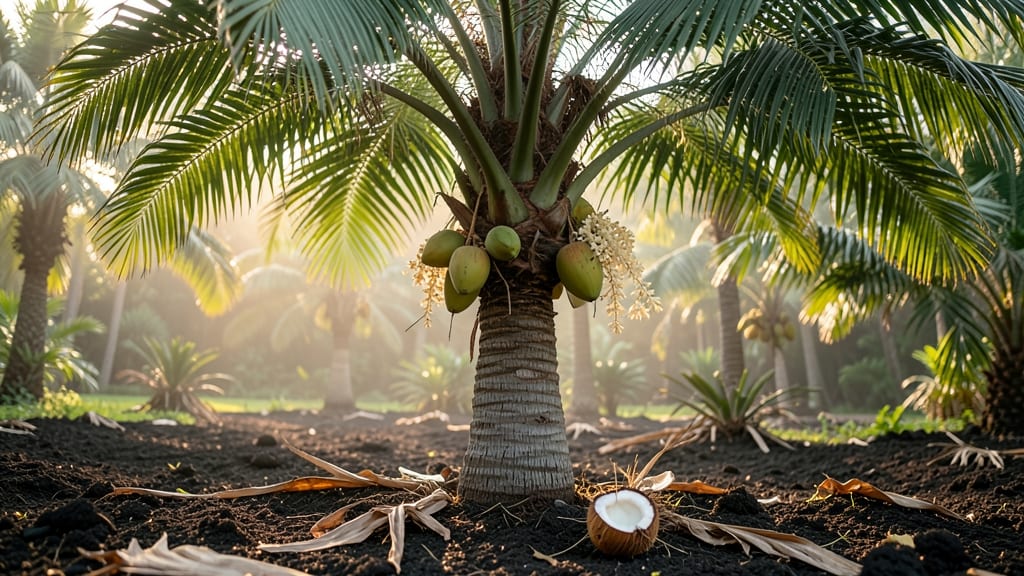
Your indoor palm tree fruit inside has ripened—now what? 🌴 Harvesting dates from a homegrown tree is easier than you think, but timing and technique make all the difference.
The key is knowing when fruit is ripe (firm but slightly soft) and using the right tools to avoid damaging the tree.
Start with the right palm variety—date palms like Medjool or Deglet Noor thrive indoors with proper light and care. You’ll need a sturdy ladder, pruning shears, and thick gloves for protection. Safety first: check for pests or rot before harvesting, and never climb the tree yourself.
Once you’ve picked the fruit, dates need careful handling. Store them in a cool, dry place for 1-2 weeks to ripen fully, or eat them fresh if already soft. The reward? Homegrown dates sweeter than anything store-bought, with the satisfaction of growing your own.
This works for other indoor palms too—just adjust for fruit type (like coconuts or lychee palms). Whether you’re a beginner or seasoned grower, indoor palm fruit is a game-changer for year-round harvests.
Why it happens
When your indoor palm tree starts producing fruit—like luscious dates—it’s not just a random act of nature. Several key factors influence why these tropical treats appear inside your home. Understanding these triggers can help you encourage (or even troubleshoot) fruit development in your potted palm.
🌱 Hormonal Shifts in the Tree
Palm trees, including Phoenix dactylifera (date palms), rely on hormonal cues to initiate fruiting. The primary driver is ethylene, a plant hormone that signals maturity and prepares the tree for reproduction.
When your indoor palm reaches a certain age—typically 4–10 years, depending on the species—ethylene levels rise, prompting flower buds to form. These buds eventually develop into fruit clusters.
Actionable tip: If your palm isn’t fruiting yet, ensure it’s mature enough. Young palms may lack the hormonal "green light" to produce fruit. Patience is key—some dwarf varieties (like Phoenix roebelenii) may never fruit indoors due to genetic limitations.
☀️ Light and Photoperiod Misalignment
Palms are tropical plants, and their fruiting cycles are often tied to photoperiodism—the plant’s response to daylight length. Many date palms, for example, require 12+ hours of bright, direct light daily to trigger flowering. Without sufficient light, the tree may skip fruiting entirely or produce weak, underdeveloped fruit.
Indoor growers often face two issues:
- Low light intensity: Artificial grow lights (LED or fluorescent) can help, but they must mimic natural sunlight’s spectrum (especially red and blue wavelengths). A simple full-spectrum bulb placed 12–18 inches from the tree for 14–16 hours/day can make a difference.
- Incorrect photoperiod: Some palms need a short-day treatment (e.g., 10–12 hours of light) to flower. If your palm isn’t getting this cue, it may stay in a vegetative state.
Pro tip: Monitor your palm’s light exposure with a light meter (aim for 3,000–5,000 lux). If natural light is lacking, supplement with a grow light on a timer to simulate tropical conditions.
💧 Water and Nutrient Imbalances
Fruiting is an energy-intensive process, and your palm needs optimal nutrition to support it. Two critical factors can disrupt fruit development:
| Issue | Effect on Fruiting | Solution |
|---|---|---|
| Overwatering | Root rot or waterlogged soil prevents nutrient uptake, leading to flower drop or stunted fruit. | Let the top 2–3 inches of soil dry out between waterings. Use a well-draining mix (e.g., peat moss + perlite + sand). |
| Nitrogen-heavy fertilizer | Too much nitrogen promotes leafy growth but delays or stops flowering. Potassium and phosphorus are more critical for fruiting. | Switch to a balanced 10-10-10 or 5-10-10 fertilizer during the growing season (spring–summer). Reduce nitrogen in fall to encourage flowering. |
| Calcium/magnesium deficiency | Leads to blossom-end rot in fruit or weak, misshapen dates. | Add calcium nitrate or Epsom salt (magnesium sulfate) to the soil every 2–3 months. |
Key insight: A slow-release fertilizer with micronutrients (like zinc or boron) can prevent deficiencies that halt fruit development.
🌡️ Temperature and Stress Factors
Palms are sensitive to temperature swings, and extreme conditions can trigger—or prevent—fruiting. Here’s how:
- Cold stress: Temperatures below 50°F (10°C) can shock the tree, causing flower buds to abort. Date palms, in particular, need consistent warmth (70–95°F / 21–35°C) to set fruit.
- Heat spikes: While palms love warmth, sudden heat over 100°F (38°C) can stress the tree, leading to poor fruit set.
- Stress-induced flowering: Some palms (like Washingtonia species) may produce fruit as a survival response to drought or repotting. This is rare but possible if the tree perceives "danger."
Action steps:
- Use a thermometer/hygrometer to monitor indoor temps. Avoid drafts near heaters/AC units.
- Mist leaves or use a pebble tray to maintain humidity (40–60%).
- If repotting, do so in early spring to avoid disrupting the flowering cycle.
Fixing Common Palm Date Harvest Issues
When growing palm trees indoors to harvest fruit, a few common challenges can arise—from slow fruit development to pests or improper ripening. The good news? Most issues have simple, practical solutions.
Below, we’ve broken down the most frequent problems and how to tackle them, plus tips to keep your indoor palm thriving.
If your palm tree isn’t producing dates (or they’re tiny and underdeveloped), the issue likely stems from environmental or care factors.
🔥 Cause: Insufficient Light
Indoor palms need bright, indirect sunlight (6+ hours daily) to flower and fruit. Low light = weak growth = no fruit.
🍳 Fix It: Optimize Light Exposure
- Move your palm near a south- or west-facing window (or use a grow light if natural light is limited).
- Rotate the pot weekly to ensure even light distribution.
- Supplement with LED grow lights (12–16 hours/day) if indoors year-round.
💡 Prevention Tips
- Use sheer curtains to diffuse harsh sunlight and prevent leaf burn.
- Monitor light levels—if leaves look pale or stretched, increase exposure gradually.
Spots, wilting, or missing fruit can signal pests (like spider mites or scale) or fungal issues.
👨🍳 Cause: Overwatering or Poor Airflow
Moisture-loving pests thrive in damp, stagnant conditions. Fungal diseases (e.g., sooty mold) also appear when leaves stay wet.
🥘 Fix It: Adjust Care & Treat Infestations
- Reduce watering—let the top 2–3 inches of soil dry out between waterings.
- Improve airflow by spacing plants apart or using a small fan (gentle breeze helps).
- Spot-treat pests: - Neem oil spray (mix 1 tsp neem oil + 1 tsp mild soap + 1 quart water; spray weekly). - Rub off scale insects with a damp cloth dipped in rubbing alcohol (70% isopropyl).
- Prune damaged leaves with sterilized scissors to prevent spread.
🌡️ Prevention Tips
- Wipe leaves monthly with a damp cloth to remove dust (prevents pest hiding spots).
- Repot in well-draining soil (cactus/succulent mix works well for palms).
- Quarantine new plants for 2 weeks before introducing them to your collection.
Dates may stay hard, bitter, or fail to turn golden-brown—common in indoor climates.
⏰ Cause: Temperature or Humidity Fluctuations
Palm trees need consistent warmth (70–90°F) and moderate humidity (40–60%). Cold drafts or dry air stall ripening.
🔪 Fix It: Control the Environment
- Use a humidifier near the plant (or place the pot on a pebble tray with water).
- Avoid drafts—keep away from AC vents, heaters, or open windows in winter.
- Harvest slightly underripe (dates soften after picking; let them ripen in a paper bag with a banana for 1–2 weeks).
🎯 Prevention Tips
- Group palms together to create a microclimate with stable humidity.
- Use a thermometer/hygrometer to monitor conditions—ideal range is key!
- Fertilize lightly with a low-nitrogen palm fertilizer (like 8-3-9) every 2 months during growing season.
Need a fast reference? Here’s a snapshot of fixes by symptom:
| Problem | Likely Cause | Quick Fix | Prevention |
|---|---|---|---|
| No fruit or tiny dates | Low light | Move to brighter spot + grow light | Rotate plant weekly |
| Yellow leaves | Overwatering/pests | Reduce water + neem oil spray | Improve drainage |
| Soft, mushy fruit | Fungal rot | Prune affected fruit + improve airflow | Sterilize tools |
| Slow ripening | Low humidity | Use humidifier + paper bag ripening | Group plants together |
Not all indoor palms flower easily.
To boost chances: - Stress the plant slightly (reduce water for 2 weeks, then resume normal care)—this can trigger blooming. - Hand-pollinate if flowers appear: Use a soft paintbrush to transfer pollen between male and female flowers (dates are dioecious—some trees need both genders!).
By addressing these issues proactively, your indoor palm tree can thrive—and those sweet, homegrown dates will be well worth the effort! 🌴🍈
Frequently asked questions
How do I know when palm fruit is ripe for harvesting?
For date palms, ripe fruit should be firm but slightly soft when gently squeezed—like a ripe avocado. The skin may darken (from green to brown or golden) and the fruit should separate easily from the cluster. For coconut palms, tap the husk—it should sound hollow when ready.
Can I eat the fruit from any indoor palm tree?
No, only specific varieties produce edible fruit. Date palms (Phoenix dactylifera) are the most common edible option, while others like Washingtonia or Chamaedorea produce ornamental fruit that's inedible. Always research your palm species before consuming any fruit.
What tools do I need to safely harvest palm fruit?
Essential tools include pruning shears (for cutting stems), a sturdy ladder (never climb the tree yourself), and thick gloves for protection. For coconuts, you'll also need a machete or coconut cutter and a hard hat when harvesting from tall trees.
How should I store harvested palm fruit?
Dates should be stored in a cool, dry place (60-70°F) for 1-2 weeks to ripen fully. For coconuts, let them dry in the sun for 3-5 days before storing. Keep all fruit away from direct sunlight and moisture to prevent spoilage.
Why isn't my indoor palm tree producing fruit?
Common reasons include insufficient light (12+ hours daily needed), improper fertilization (too much nitrogen), or the tree being too young (4-10 years for date palms). Try supplementing with grow lights and using a low-nitrogen fertilizer (like 5-10-10) to encourage flowering.