
Pruning
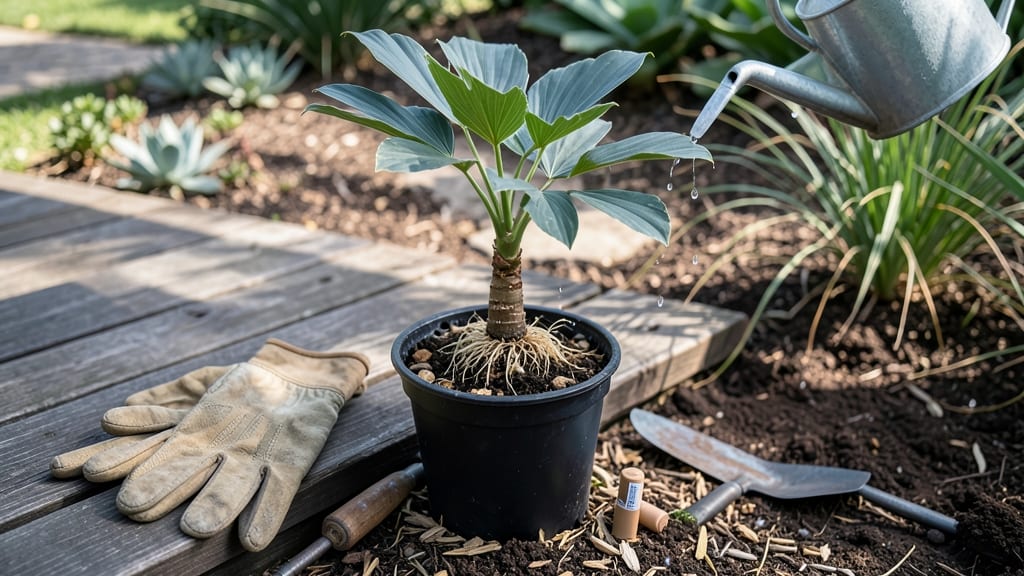
A palm tree grower knows that fast growth isn’t about magic—it’s about mimicking their tropical roots. 🌴 I've nursed everything from tiny date palms to towering canary palms, and the secret to rapid growth lies in three things: the right soil mix, consistent moisture, and a little extra fertilizer love.
Skip any of these, and you'll end up with a slow-growing plant that barely budges.
The best part? You don’t need a greenhouse or a climate-controlled space. Most palms thrive in USDA zones 9-11, but cold-hardy varieties like the windmill palm can handle down to 15°F with the right protection.
For indoor growers, a bright window or grow light is all you need—just keep the air moving with a small fan to prevent yellowing fronds. The soil should drain like a sponge, so mix in perlite or sand if your native dirt is too heavy.
Within 6-12 months, you’ll see fronds unfurling at a pace that’ll make your neighbors jealous. The key is monthly feeding with a balanced palm fertilizer (look for one with micronutrients like manganese and magnesium) and watering that keeps the root zone moist but never soggy.
Overwatering is the #1 killer—palms hate wet feet more than anything else.
Whether you're planting a single specimen or filling a courtyard, these tricks work for both outdoor landscapes and container-growing. The only rule? Don’t rush the process—palms grow fast when they’re happy, and happy palms reward you with bold, vibrant fronds that scream "tropical paradise." Let’s get those roots growing!
📚 In This Guide
- What you need
- Instructions
- Tips and common mistakes
- Wrapping up and next steps
What you need
- ● Palm tree seedlings or saplings: Choose fast-growing varieties like Phoenix canariensis (Canary Island Date Palm) or Trachycarpus fortunei (Windmill Palm). Buy 1–3 plants, depending on your space.
- ● High-quality potting mix: Use a well-draining blend (e.g., 60% peat moss, 20% perlite, 20% sand). For in-ground planting, amend soil with compost or coconut coir for aeration.
- ● Fertilizer: Slow-release palm fertilizer: 10-10-10 or 8-3-9 NPK ratio (apply every 3–4 months).
- ● Organic options: Fish emulsion, seaweed extract, or compost tea (for a natural boost).
- ● Mulch: Wood chips or pine straw (2–3 inches thick) to retain moisture and regulate soil temperature.
- ● Garden trowel or spade: For transplanting seedlings (5–7 inches wide).
- ● Pruning shears or loppers: Sharp, sterilized tools for trimming dead fronds (avoid dull blades—they crush fibers!).
- ● Gloves: Heavy-duty work gloves to protect against sharp fronds and sap.
- ● Watering can or hose with adjustable nozzle: Palms need deep, infrequent watering (1–2 gallons per plant, 2–3 times per week).
- ● pH testing kit: Ideal soil pH for palms: 5.5–7.0 (adjust with lime or sulfur if needed).
- ● Palm tree support stakes: For young or top-heavy species (e.g., Cocos nucifera—coconut palm).
- ● Slow-release watering spikes: For drought-prone areas (e.g., Ollas or Tree Gator bags).
- ● Anti-transpirant spray: Protects new fronds from sunburn in hot climates.
- ● Palm-specific insecticide: Neem oil or systemic granules to prevent palm weevil or spider mites.
Step-by-Step guide to growing palm trees with fast-growth techniques
Here's how to cultivate lush, thriving palms that outpace typical growth rates with proven tropical care methods.
🌱 Step 1: Select the Right Palm Variety and Germinate Seeds
Choose fast-growing species like the Mexican Fan Palm or Pygmy Date Palm for quick results. Soak seeds in warm water for 24 hours to soften the husk—this jumpstarts germination by breaking dormancy. Plant seeds ½ inch deep in a sterile seed-starting mix (never garden soil) within 4-6 weeks of harvest for best viability.
Keep the soil consistently moist but never soggy—top inch should feel damp to the touch. Place containers in a warm, humid environment (75-85°F) under bright, indirect light. You'll see sprouts in 3-6 weeks, though some tropical varieties take up to 12 weeks. Real talk: Patience here pays off—rushing germination with heat lamps often scorches delicate seedlings.
☀️ Step 2: Provide Optimal Light and Temperature for Rapid Growth
Once seedlings emerge, move them to full sun (6+ hours daily) but protect from harsh afternoon rays for the first 2 weeks. Palms thrive in 75-85°F temperatures year-round—if your climate dips below 55°F, grow them in containers and bring indoors temporarily. I use a south-facing window with a grow light on cloudy days to maintain intensity.
Watch for yellowing fronds—this signals either overwatering or light deficiency. Strong, fast-growing palms develop deep green fronds with tight leaf spacing. If stems grow leggy and thin, your light source is too far away—adjust within 3 feet of the plant. This is the moment that matters: Proper light sets the foundation for 3-5 feet of growth per year in ideal conditions.
💧 Step 3: Master Watering for Accelerated Growth
Water deeply once a week during active growth (spring/summer) and reduce to every 10-14 days in winter. The key is thorough saturation—water until it drains from the bottom of the pot. Palms hate soggy roots but also wilting—stick your finger 2 inches deep in the soil before watering. If it feels dry, it's time.
Fertilize monthly with a balanced palm fertilizer (8-8-8 or 10-10-10) during growing seasons. I dilute it to half-strength—too much salt burns roots. You'll notice new fronds unfurling within 4-6 weeks of consistent feeding. Here's the thing—overwatering is the #1 killer of young palms, so when in doubt, wait an extra day before watering again.
🪴 Step 4: Repot and Prune for Maximum Growth Potential
Transplant seedlings to 6-inch pots once they reach 12 inches tall, then upgrade to 12-inch pots when roots emerge from drainage holes. Use a well-draining mix (60% potting soil, 30% perlite, 10% compost). Prune yellow or damaged fronds at the base with sterilized shears—never cut healthy green leaves. This redirects energy to new growth.
After 2 years, move established palms to the ground in well-draining soil with full sun exposure. Mulch with 3 inches of organic matter to retain moisture and regulate soil temperature. Watch for new fronds emerging from the crown—this is your signal the palm is thriving. I've seen Mexican Fan Palms grow 4 feet in a single season with this method, but growth rates vary by species and climate.
⏰ Step 5: Protect and Maintain for Year-Round Tropical Beauty
Palms are drought-tolerant once established, but young specimens need consistent moisture. In winter, reduce watering but keep soil slightly moist—letting it dry completely stresses the plant. Apply a 2-inch layer of mulch annually to protect roots from temperature swings. This is where many gardeners fail: Skipping mulch leads to root exposure and stunted growth.
Monitor for spider mites or scale insects—common pests that thrive in dry conditions. Spray with neem oil weekly if you spot webbing or sticky residue on fronds. With proper care, your palms will develop bold, architectural fronds and thick trunks within 3-5 years. The secret? Consistency—palms reward steady care with exponential growth once they establish strong root systems.
Tips & tricks for fast-growing palm trees
Here’s how to turbocharge your palm tree’s growth without cutting corners—because patience pays off, but smart care pays even more.
Germination Hack: After soaking seeds for the required 24 hours, place them in a sealed plastic bag with a damp paper towel for 48 hours before planting. This mimics the tropical humidity they crave, often cutting germination time from 6-12 weeks to just 3-4 weeks. Pro tip: Use a heat mat set to 85°F—this mimics their natural environment and speeds things along. Just don’t let the soil dry out, or you’ll stall progress.
Lighting Strategy: The 3-foot rule is non-negotiable for seedlings in Step 2. If your grow lights are farther away, your palms will stretch like overcooked pasta. I’ve seen Mexican Fan Palms grow 2 feet taller in their first year when kept within this distance. For indoor growers, rotate pots weekly so all sides get equal light—uneven growth leads to lopsided fronds, and nobody wants a wonky palm.
Watering Wisdom: The 2-inch deep soil check in Step 3 is your best friend, but here’s the real secret: Water in the morning so excess drains by evening. Palms hate soggy feet, and standing water invites root rot. I use a moisture meter for my collection—it’s a small investment that prevents overwatering, the #1 killer of young palms. And if your tap water is hard, use distilled water for fertilizing to avoid mineral buildup.
Fertilizer Timing: Those 4-6 weeks until you see new fronds after fertilizing? That’s your cue to adjust. If your palms aren’t responding after two months of monthly feeding, switch to a low-nitrogen fertilizer (like 5-5-5) for a month. Too much nitrogen makes palms grow tall but weak, while balanced feeding builds strong trunks. And always flush the soil with plain water after fertilizing to prevent salt buildup—trust me, your palms will thank you.
Pro Tips for Palm Tree Grower
- Here’s how to turbocharge your palm tree’s growth without cutting corners—because patience pays off, but smart care pays even more.
- Germination Hack: After soaking seeds for the required 24 hours, place them in a sealed plastic bag with a damp paper towel for 48 hours before planting.
- Lighting Strategy: The 3-foot rule is non-negotiable for seedlings in Step 2.
Frequently asked questions
Got questions about growing palm trees like a pro?
You’re in the right place! Here are answers to the most common queries from palm tree growers—whether you’re a beginner or a seasoned enthusiast.
How long does it take for a palm tree to grow from seed?
A palm tree grown from seed can take 5–10 years to reach maturity, depending on the species. Fast growers like the Mexican Fan Palm may show significant growth in 2–3 years, but patience is key! For quicker results, consider transplanting a young sapling instead.
What’s the best time of year to plant a palm tree?
The ideal window is late spring to early summer (April–June in most U.S. zones). This gives roots time to establish before winter. Avoid planting in frost-prone areas during fall—young palms are sensitive to cold. Pro tip: Water deeply after planting to reduce transplant shock!
Can palm trees survive in cold climates? If not, what are the alternatives?
Most palms thrive in USDA Zones 8–11, but cold-hardy varieties like the Windmill Palm (Zone 7) or Needle Palm (Zone 6) are exceptions. For colder regions, opt for indoor palms like the Parlor Palm or Areca Palm, which tolerate lower temps and bright indoor light.
How do I prune a palm tree without killing it?
Prune only dead or brown fronds—never remove more than ⅓ of the crown at once. Use sterilized tools to avoid disease, and avoid cutting the growing tip (the "heart"). For large palms, hire a professional to prevent damage. Bonus: Prune in dry weather to speed healing.
Why are my palm tree fronds turning yellow or brown?
Yellowing fronds often signal overwatering, underwatering, or nutrient deficiency. Check the soil—it should be well-draining. Brown tips may mean salt buildup (flush with water) or pests (like spider mites). Adjust care and monitor for improvement in 2–4 weeks.
How can I speed up my palm tree’s growth naturally?
Boost growth with balanced fertilizer (high in nitrogen, phosphorus, and potassium) applied in spring and summer. Ensure 6+ hours of sunlight daily and mulch the base to retain moisture. Slow growers? Try a mycorrhizal fungus treatment to enhance root health!
Wrapping up and next steps
Growing thriving palm trees is all about patience, precision, and passion—but with the right tricks, you can accelerate their growth and enjoy that lush tropical vibe year-round! 🌴 From mastering the perfect pruning techniques to choosing the ideal soil and sunlight, every step plays a role in nurturing a stunning palm.
Now that you’re armed with expert tips, roll up your sleeves and get growing! Start by assessing your palm’s current health, then apply these fast-growth hacks. Need inspiration? Snap a photo of your progress and tag #PalmTreeGrower—we’d love to see your tropical oasis thrive! 🌱✨