
Pruning
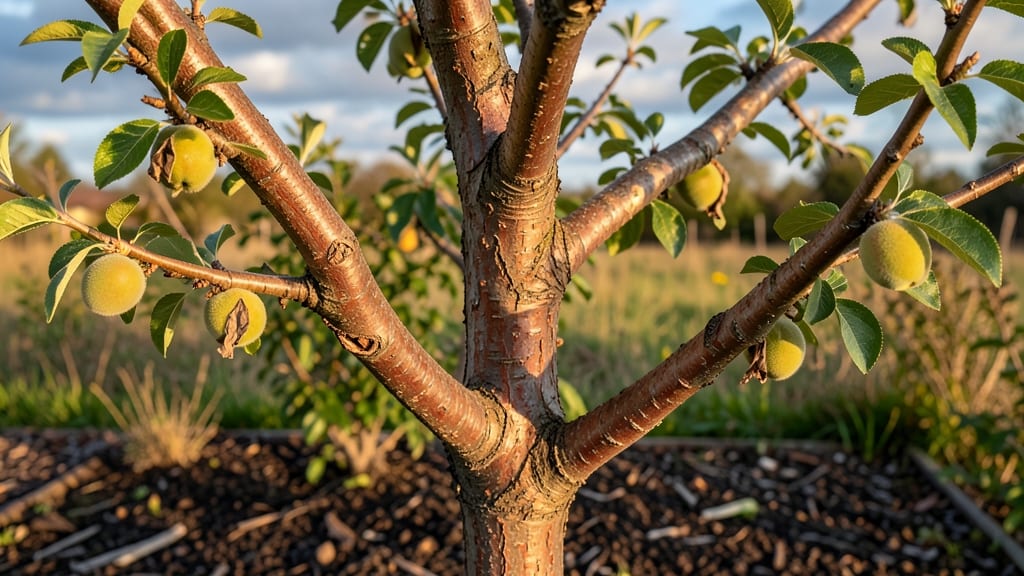
Peach tree branches need pruning to produce stronger fruit and prevent disease—it’s not just about cutting back. ✂️ I’ve spent years watching neglected trees struggle with weak growth, while properly pruned ones bear juicy, abundant peaches every summer.
The key is timing, technique, and knowing which branches to keep (or remove) for airflow and sunlight.
Start by removing dead, diseased, or crossing branches first—these sap-suckers drain energy from your tree. Use clean, sharp pruners to make 45-degree cuts just above a bud or branch collar.
For thicker branches, cut in stages to avoid tearing the bark. The goal is to open up the canopy so sunlight reaches the center, where most fruit forms.
After pruning, your tree will reward you with healthier branches and bigger harvests in just a few seasons. The first year, focus on cleaning up the structure; subsequent years refine the shape.
Just avoid over-pruning—never remove more than 25% of the tree’s canopy in one go, or you’ll stress it out.
This method works for young saplings and mature trees, though older branches may need extra care. Keep an eye out for silver leaf fungus or borer damage—both are common after pruning.
A quick spray of copper fungicide or neem oil can save your tree before problems spread. Let’s get those branches in shape!
📚 In This Guide
- What you need
- Instructions
- Tips and common mistakes
- Wrapping up and next steps
What you need
- ● Pruning shears: Bypass pruners (sharp, 6-8 inch blades) for small branches (¼" to ¾" diameter). One pair is sufficient.
- ● Loppers: Bypass or anvil type (8-10 inch blades) for medium branches (¾" to 2" diameter). One pair recommended.
- ● Pruning saw: Curved-tooth for thick branches (2"+ diameter). One saw with a comfortable handle.
- ● Disinfectant: 70% isopropyl alcohol or bleach solution (1 part bleach to 9 parts water) to sterilize tools between cuts. Small spray bottle or cloth for application.
- ● Gloves: Heavy-duty, cut-resistant to protect hands from thorns and rough branches.
- ● Ladder or step stool: Sturdy and tall enough to reach higher branches safely. One unit with non-slip feet.
- ● Trash bags: Heavy-duty for collecting pruned branches. 2-3 bags (20-30 gallons each).
- ● Rags or paper towels: For wiping tools and hands clean.
- ● Hand pruners: For very small branches (under ¼").
- ● Pole saw: Extendable saw for high branches without a ladder.
- ● Tree wound dressing: Pruning sealant (controversial but some gardeners swear by it for large cuts).
- ● Notebook & pen: To sketch your tree’s structure before and after pruning.
- ● Safety glasses: Protect your eyes from debris.
Step-by-step guide to pruning peach tree branches
Here's how I transform a tangled peach tree into a productive, disease-resistant powerhouse with just a few clean cuts.
✂️ Step 1: Identify and Remove Dead or Diseased Branches
Start by scanning your tree for branches that are completely brown, brittle, or oozing sap—these are dead or diseased and must go first. Dead wood can't produce fruit and often harbors pests. I always use sharp, clean pruning shears to make cuts at a 45-degree angle, about ¼ inch above a healthy bud or lateral branch.
If you're unsure whether a branch is dead, scratch the bark with your fingernail. Live wood has a greenish layer underneath, while dead wood reveals only brown or black. Remove these branches completely down to the trunk or a healthy lateral branch. This opens up the canopy so sunlight reaches the center of the tree, which is where most fruit develops.
✂️ Step 2: Thin Out Crowded Branches for Better Airflow
Peach trees need good airflow to prevent fungal diseases like brown rot. Look for branches that are growing too close together or crossing each other—these create shaded, humid pockets where spores thrive. I target branches that are rubbing against each other or growing directly toward the center of the tree.
When thinning, remove about 20-30% of the tree's branches to open up the canopy. Cut back to a lateral branch or bud that's growing outward. Avoid leaving stubs—always make clean cuts just outside the branch collar. This ensures the wound seals quickly and reduces the risk of infection. You'll see a noticeable difference in sunlight penetration after this step.
✂️ Step 3: Prune for Structure and Fruit Production
Now focus on shaping the tree to encourage strong growth and fruit production. Start by removing any branches that are growing inward or downward—they compete with upward-growing branches and reduce fruit quality. Cut these back to a lateral branch or bud that's growing outward and slightly upward.
For branches that are too long or leggy, shorten them by one-third to one-half to stimulate bushier growth. Make your cuts just above an outward-facing bud. This encourages the tree to develop more lateral branches, which is where most of your fruit will form. I like to step back every few cuts to visualize the tree's shape—you're aiming for an open, vase-like structure.
✂️ Step 4: Clean Up and Apply Wound Dressing (Optional)
After pruning, rake up and dispose of all the debris from the tree. This removes potential hiding spots for pests and diseases. If you notice any large wounds (over ½ inch in diameter), you can apply a wound dressing like pruning sealant to help them heal faster. However, many gardeners skip this step—peach trees heal well on their own as long as you've made clean cuts.
Finally, sterilize your pruning tools with rubbing alcohol or a bleach solution to prevent spreading diseases between cuts. Store your tools in a dry place until your next pruning session. The tree will look dramatically different now—more open, with better airflow and a structure that's ready to produce abundant fruit.
Tips & tricks for pruning peach tree branches
A few strategic cuts can transform your peach tree from a tangled mess into a productive, disease-resistant powerhouse. Here's how to maximize your pruning effort.
Timing is Everything: Late winter or early spring, just before buds swell, is the ideal time to prune. This timing prevents disease entry points from being exposed during wet seasons while allowing the tree to heal before summer's heat. If you must prune later, do it on a dry day to minimize infection risk.
Tool Selection Matters: Use bypass pruners for branches up to ½ inch thick and loppers for larger branches. Always keep your tools sharp—dull blades tear wood, creating larger wounds that heal poorly. I sterilize my tools between cuts with rubbing alcohol to prevent spreading diseases like bacterial canker. This simple step can save your tree from serious problems.
Visualizing the Tree's Future: Before making any cuts, step back and visualize your tree's ideal shape. Aim for an open, vase-like structure with branches spaced about 12-18 inches apart. This spacing allows sunlight to penetrate the canopy and air to circulate freely. I sketch a rough outline on paper first—it helps me see the big picture before starting.
Wound Care Basics: While peach trees heal well on their own, you can accelerate the process by making clean cuts just outside the branch collar. For larger wounds (over ½ inch), consider applying a thin layer of pruning sealant. The key is to avoid leaving stubs—these create entry points for pests and diseases. Think of each cut as a surgical incision that needs proper care to heal correctly.
Pro Tips for Peach Tree Branches
- A few strategic cuts can transform your peach tree from a tangled mess into a productive, disease-resistant powerhous...
- Timing is Everything: Late winter or early spring, just before buds swell, is the ideal time to prune. This timing pr...
- Tool Selection Matters: Use bypass pruners for branches up to ½ inch thick and loppers for larger branches. Always ke...
Frequently asked questions
Got questions about pruning your peach tree branches? You’re not alone! Here are some of the most common concerns—plus quick, actionable answers to keep your tree thriving.
How do I know when the best time to prune peach tree branches is?
The ideal window is late winter to early spring (before buds swell), but you can also prune in summer after harvest. Avoid pruning in fall—it invites disease. For young trees, focus on shaping in the first 2–3 years. Pro tip: If you spot pests or dead branches anytime, trim them immediately!
Should I remove all the small branches from my peach tree?
No—only thin out competitors (branches growing toward the center) and remove dead, diseased, or crossing limbs. Leave fruit-bearing branches and those with a strong upward angle. Aim for an open canopy to improve airflow and sunlight, which = more peaches! Pro tip: Use the "3-cut method" for thick branches to avoid tearing bark.
Will pruning my peach tree reduce my fruit harvest?
Not if done right! Pruning increases fruit quality by redirecting energy to healthier branches. Over-pruning (removing >25% of the canopy) can stress the tree, but light, strategic cuts boost yield. Focus on removing suckers and water sprouts—they drain nutrients. Pro tip: Thin out clusters of fruit to 6–8 inches apart for larger, juicier peaches.
What should I do if my peach tree branches look brown and mushy after pruning?
That’s likely bacterial canker or fungal infection—common after cuts expose wet wood. Act fast: Sterilize tools with rubbing alcohol, remove infected branches 3–4 inches below the damage, and apply a copper fungicide. Avoid pruning during wet weather. Pro tip: Seal larger cuts with pruning sealant to prevent entry points for pests.
Can I use peach tree branches for anything else besides pruning?
Thin, flexible branches make great:
- Natural plant ties (for tomatoes, cucumbers, or vines)
- Firewood (seasoned properly—peach wood burns hot!)
- DIY trellises for climbing plants
- Compost material (chop small branches for faster decomposition)
Wrapping up and next steps
Pruning your peach tree branches isn’t just about tidying up—it’s a game-changer for fruit quality, tree health, and long-term growth! 🌱 By mastering the right techniques, timing, and tools, you’ll unlock a thriving orchard with fewer pests, better airflow, and juicier peaches.
Remember, patience and precision pay off in spades (or should we say, peaches?).
Ready to roll up your sleeves? Start small—pick one branch this weekend and practice your cuts. Before you know it, your peach tree will be the star of your yard, and you’ll be the proud gardener behind it. Happy pruning! 🍑✂️