
Fertilization
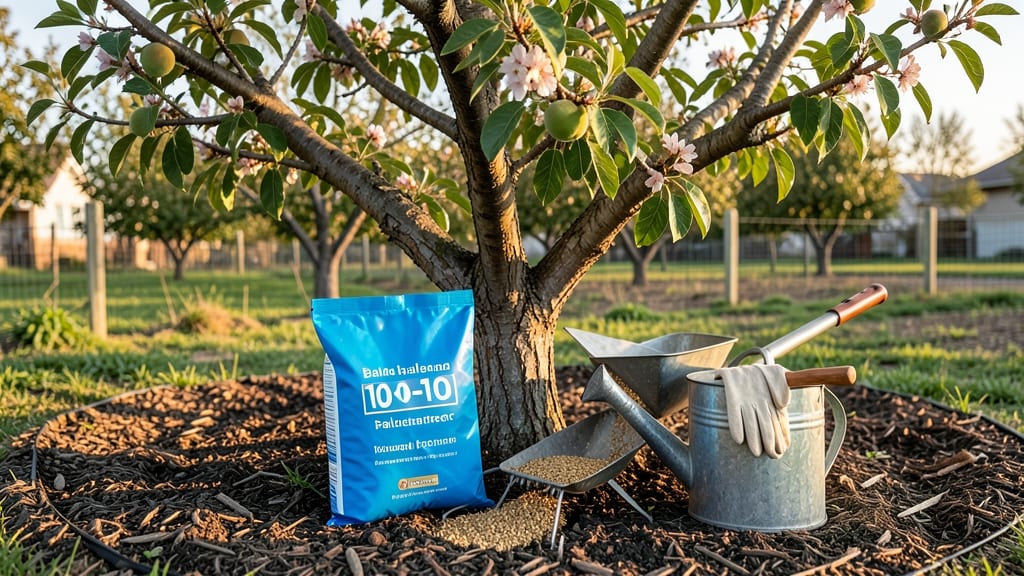
A peach tree fertilization schedule keeps your 🍑 producing sweet fruit year after year by matching nutrients to its growth stages.
Struggling to get your peach tree to bear fruit? The issue might be timing—too much fertilizer at the wrong time can burn roots or trigger weak growth. A precise schedule ensures your tree gets exactly what it needs, when it needs it, for strong branches and juicy peaches.
Most gardeners focus on spring feeding, but summer and fall matter just as much. We’ll break down the best fertilizers, how often to apply them, and what to avoid—like overdoing it in late summer, which can delay dormancy and leave your tree vulnerable to cold.
By the end, you’ll have a month-by-month plan tailored to your tree’s size and region, plus troubleshooting tips for yellow leaves, poor flowering, or stunted growth. Let’s get your peach tree thriving!
Peach tree fertilizer types and when to apply them monthly
Fertilizing your peach tree isn’t just about throwing down NPK granules—it’s about feeding your tree exactly what it needs at the right growth stage. Peaches thrive when fertilized with a balanced approach, focusing on nitrogen early for leaf growth, phosphorus for flowering, and potassium during fruiting.
The key? Timing your applications to match your tree’s natural cycle, from dormancy to harvest.
Most gardeners make the mistake of fertilizing year-round, which can lead to over-fertilization or weak late-season growth. Instead, we’ll break down a month-by-month schedule that aligns with your peach tree’s needs, whether you’re using organic or synthetic fertilizers.
For example, early spring is all about root stimulation, while summer shifts focus to fruit development.
Let’s start with early spring, the most critical window for peach trees. When your tree’s buds begin to swell (usually February-March in most zones), it’s time to apply a high-nitrogen fertilizer like 10-10-10 or fish emulsion.
This jumpstarts leaf growth and ensures your tree has the energy to produce healthy blossoms. For young trees (under 3 years old), use half the recommended dose to avoid burning roots.
As your peach tree enters bloom season (late spring), switch to a phosphorus-rich fertilizer like bone meal or a 5-10-10 blend. Phosphorus is essential for flowering and fruit set, but apply it after petal fall to avoid encouraging excessive blossoms that could stress the tree.
A common mistake is overdoing phosphorus, which can lead to poor root development—stick to 1/2 cup per tree for mature trees.
Once your peaches begin to form (early summer), shift to a potassium-focused fertilizer like potassium sulfate or Epsom salt (for magnesium). Potassium strengthens fruit development and disease resistance
Common fertilization mistakes that kill peach trees (and how to fix them)
Even with the right fertilizer types and application timing, peach trees often suffer from over-fertilization or nutrient imbalances that go unnoticed until it’s too late.
One of the most common red flags is yellowing leaves, which usually signals either excess nitrogen or a deficiency in micronutrients like iron or zinc.
These issues often stem from applying too much fertilizer during late summer or fall, which can delay dormancy and leave your tree vulnerable to winter damage.
Another frequent mistake is ignoring soil pH. Peach trees thrive in slightly acidic soil with a pH between 6.0 and 6.5. If your soil is too alkaline (pH above 7.0), essential nutrients like iron and manganese become unavailable, even if you’re fertilizing regularly.
This often results in chlorotic (yellow) leaves with green veins—a classic sign of iron deficiency. Testing your soil every 2-3 years is the best way to catch this early.
🚨 CRITICAL WARNING: Late-season fertilization is one of the fastest ways to harm your peach tree. Applying nitrogen-heavy fertilizers after mid-summer encourages tender new growth that won’t harden off before winter, making your tree susceptible to freeze damage.
Even worse, over-fertilizing in September or October can lead to excessive blossoming the following spring, which stresses the tree and reduces fruit quality.
Peach trees need a 6-8 week break before dormancy to prepare for winter. Any nitrogen applied after July 15 in most zones risks:
- 🌱 Weak wood that snaps in winter storms
- 🍑 Poor fruit set next season
- 🦠 Increased disease risk from tender growth
Fix it: Switch to potassium sulfate in early summer for fruit development, then stop all fertilizers by Labor Day (or your local first frost date).
If your peach tree has poor flowering despite regular fertilization, the issue might be phosphorus deficiency. Phosphorus is crucial for root development and flower formation, but many gardeners skip it in favor of nitrogen.
Apply a bone meal or 5-10-10 fertilizer in late spring (after petal fall) to encourage strong roots and next year’s blossoms. A quick test: dig up a 1-inch root sample—if it’s dark and fibrous, you’re good. If it’s thin and brittle, phosphorus is needed.
For stunted growth or small, misshapen fruit, check your potassium levels. Potassium deficiency often goes unnoticed until peaches develop poor color or soft spots. Use Epsom salt (magnesium sulfate) or potassium sulfate every 6 weeks during fruiting season.
A simple fix is to mix 1 tablespoon of Epsom salt into the soil around the drip line every month in summer.
Finally, overwatering combined with excess fertilizer creates a deadly combo for peach trees. When soil stays too wet, nutrients like nitrogen and potassium leach away, while salt buildup damages roots.
Always water deeply but infrequently, aiming for 1-2 inches per week, and mulch with wood chips to retain moisture without suffocating roots. If you suspect salt damage, flush the soil with 3-4 inches of water to leach out excess salts.
By correcting these common mistakes—stopping late-season fertilization, testing soil pH, and balancing nutrients—your peach tree will rebound with stronger branches, healthier blossoms, and sweeter fruit next season. 🌳