
Pruning
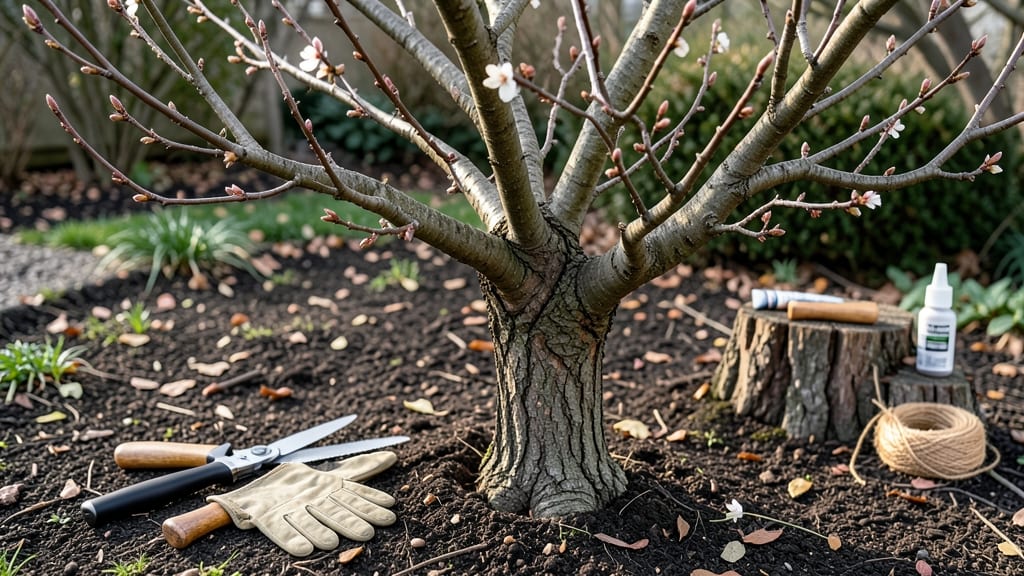
Pruning peach trees in Texas isn’t just about shaping—it’s about survival in 100-degree summers. 🌵 I’ve watched my own trees wither from improper cuts, but the right technique turns them into drought-resistant powerhouses that fruit year after year.
The key is timing: dormant pruning in late winter (before buds swell) removes dead wood, while summer pruning (after harvest) focuses on thinning branches to improve airflow—critical for avoiding brown rot in Texas humidity. Avoid cutting into old scars or leaving stubs, which invite peach tree borers.
You’ll end up with a tree that handles heat better, produces more fruit, and stays healthy through Texas winters. The first step? Grab your pruners and a sharp saw—we’ll tackle the rest together. Works for both backyard trees and commercial orchards, with adjustments for your specific Texas climate zone.
Let’s get started!
📚 In This Guide
- What you need
- Instructions
- Tips and common mistakes
- Wrapping up and next steps
What you need
- ● Pruning shears (bypass or anvil type): Sharp, clean, and disinfected (1 pair). For thicker branches, use loppers (20-24" reach).
- ● Pruning saw: Curved-tooth blade for clean cuts (1 for branches >1.5" thick).
- ○ Extension pole pruner: For high branches (12-18 ft reach) (optional but handy!).
- ● Garden hose or spray bottle: For sterilizing tools between cuts (bleach solution: 1 part bleach to 9 parts water).
- ● Rubbing alcohol (70%+): For quick tool disinfection (small bottle).
- ● Heavy-duty gloves: Cut-resistant or garden gloves (1 pair).
- ● Safety glasses: Protect your eyes from debris (1 pair).
- ○ Tarp or drop cloth: To collect fallen branches (optional but helpful!).
- ● Mulch (2-4 inches of wood chips or straw): Spread around the base to retain moisture (1 bag or DIY pile).
- ● Drought-resistant fertilizer: Low-nitrogen, high-potassium (e.g., 5-10-10 ratio) (1 bag).
- ○ Tree wound sealant: Optional for large cuts (>2" diameter) (small tube).
- ● Best time to prune: Late winter or early spring (Feb–March)—avoid pruning during Texas heatwaves!
- ● Weather check: Choose a cool, overcast day (50–65°F ideal) to reduce stress on the tree.
- ● Tree health assessment: Inspect for pests/disease (e.g., peach leaf curl) before pruning.
Instructions for pruning peach trees in Texas heat
Here's how I trim peaches for Texas summers—keeping them productive and drought-tolerant.
✂️ Step 1: Prune in Late Winter Before Bud Break
Start pruning your peach tree in late February when the average nighttime temperature stays above 40°F. This timing ensures you remove dead wood before the tree wakes up for spring growth. I always wait until after the last hard freeze—cutting too early can expose fresh cuts to cold damage.
Look for dead, diseased, or crossing branches first. These are your top priorities. Use clean, sharp pruning shears to make cuts just outside the branch collar—the swollen area where the branch meets the trunk. Avoid leaving stubs, which invite rot and pests. If a branch is thicker than your wrist, use a pruning saw instead.
☀️ Step 2: Thin the Canopy for Better Airflow
Texas heat stresses peach trees, so open the canopy to improve airflow and reduce humidity. Remove suckers (shoots growing from the base or trunk) immediately—they drain energy from fruit production. Aim to keep the center of the tree open, letting sunlight reach the inner branches.
Cut back overlapping branches that rub together. These create wounds where disease enters. Also, remove weak, spindly growth—these branches never bear fruit well. You'll know you're doing it right when you can see light filtering through the outer branches like a dappled shade effect.
💧 Step 3: Water Deeply After Pruning
Give your peach tree a deep watering right after pruning to help it recover. Water slowly at the base until you see moisture reach 12 inches down—this encourages deep root growth. Avoid wetting the leaves to prevent fungal diseases like brown rot, which thrives in Texas humidity.
Mulch the root zone with 2-3 inches of organic mulch (like wood chips) to retain moisture. Keep the mulch 6 inches away from the trunk to prevent rot. This setup helps the tree handle Texas heat waves by reducing water stress. Check soil moisture weekly—if the top 1 inch feels dry, water again.
⏰ Step 4: Summer Pruning for Drought Resistance
During June and July, remove any water sprouts (fast-growing vertical shoots) that appear. These shoots waste energy and make the tree more vulnerable to drought. Also, trim back excessive leaf growth on the outer branches to reduce water loss.
If your tree shows signs of drought stress—like wilting leaves or premature fruit drop—give it a deep soak every 10-14 days. Prune any damaged or diseased branches immediately to prevent spread. By late summer, you'll see the tree adjusting—new growth will be stronger, and the canopy will look more open and airy.
Tips & tricks for pruning peach trees in Texas heat
Here's what I've learned after years of pruning peach trees in Texas—tricks that make all the difference for drought-resistant growth.
Timing is Everything: That late February window is critical because it gives your tree time to heal before spring growth begins. I've seen too many trees suffer from late winter pruning when cold snaps still hit—just wait until those nighttime temps stay consistently above 40°F for at least a week. This timing also helps prevent silver leaf disease, which thrives in fresh cuts during cool, wet springs.
The Branch Collar Secret: When removing branches in Step 1, focus on cutting just outside the branch collar—the little swollen bump where the branch meets the trunk. This is where the tree's natural healing tissues are located. I used to cut flush with the trunk, which created ugly wounds that took forever to heal and often rotted. Always use clean tools—sterilize your pruners with rubbing alcohol between cuts to prevent spreading disease.
Canopy Light Test: After thinning the canopy in Step 2, do this quick check: Stand under the tree and look up. You should see sunlight filtering through the outer branches like a dappled shade effect. If you can't see light through, keep pruning until you can. This open structure is what helps Texas peach trees survive our brutal summers by reducing humidity and improving airflow—critical for preventing fungal diseases like brown rot.
Mulching Hack: For that 2-3 inch layer of organic mulch in Step 3, I recommend using wood chips from locally sourced hardwood trees. They break down slowly and improve soil structure over time. The key is keeping that mulch 6 inches away from the trunk—this prevents moisture buildup that can cause rot. You'll notice your tree handles summer droughts much better when the roots have this protective layer.
Pro Tips for Peach Tree Pruning Texas
- Here's what I've learned after years of pruning peach trees in Texas—tricks that make all the difference for drought-resistant growth.
- Timing is Everything: That late February window is critical because it gives your tree time to heal before spring growth begins.
- The Branch Collar Secret: When removing branches in Step 1, focus on cutting just outside the branch collar—the little swollen bump where the branch meets the trunk.
Frequently asked questions
Got questions about pruning your peach tree in Texas’s scorching heat? You’re not alone! Here are the most common concerns—and expert answers—to keep your tree thriving.
When is the best time to prune a peach tree in Texas?
Prune your peach tree late winter to early spring (February–March) before buds swell, or right after harvest in summer. Avoid pruning during extreme heat (100°F+) or cold snaps—stress weakens drought resistance. Pro tip: If pruning in summer, do it early morning or late evening to minimize stress.
How much can I cut back a peach tree without harming it?
Remove no more than 25–30% of the tree’s canopy in one season to avoid shocking it. Focus on:
- Dead, diseased, or crossing branches
- Suckers at the base
- Overcrowded growth
Will pruning help my peach tree survive Texas droughts?
Yes! Strategic pruning reduces water loss by:
- Opening the canopy for airflow
- Removing excess leaves that transpire moisture
- Encouraging deeper root growth
Can I prune a peach tree in full bloom?
Pruning during full bloom risks removing flower buds, cutting fruit yield. Wait until after harvest (June–July) for summer pruning, or stick to late winter. If you must prune now, focus only on dead/diseased wood—avoid heavy cuts.
What if my peach tree looks stressed after pruning?
Signs of stress? Yellow leaves, wilting, or slow regrowth. Help it recover by:
- Watering deeply 2–3 times/week (not daily shallow water)
- Avoiding fertilizer for 4–6 weeks post-prune
- Shading the tree with lightweight shade cloth if temps exceed 105°F
Still stumped? Drop your question in the comments—we’re happy to help your peach tree beat the Texas heat!
Wrapping up and next steps
Pruning your peach tree in Texas isn’t just about shaping—it’s about strengthening your tree to thrive in the heat and drought. By following the right techniques, timing, and tools, you’ll encourage healthier growth, better fruit production, and long-term resilience. 🌵🍑
Now that you’re armed with the know-how, grab those shears and get pruning! Start with small, confident cuts, and watch your peach tree flourish under Texas skies. Need a refresher? Bookmark this guide or share it with fellow gardeners—because great trees start with great care!