
Trees
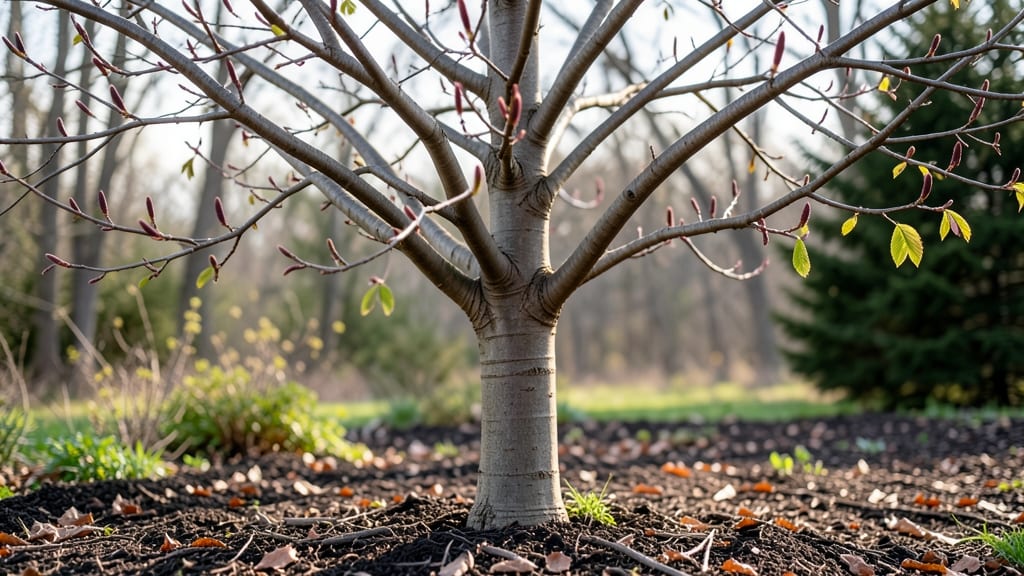
Spring is when your pecan tree decides whether this year’s harvest will be a handful of nuts or a bushel basket overflowing. 🌱 The key? Timing every task—pruning, fertilizing, and pest checks—to match the tree’s natural rhythm, not the calendar.
I’ve watched my tree go from struggling to producing 50 pounds of pecans in just three years by mastering these spring secrets.
Start by pruning in late winter or early spring before buds swell, removing dead wood and crossing branches first. Then, fertilize in early spring when soil is workable but before new growth spikes—think 2-3 pounds of nitrogen per inch of trunk diameter.
The goal is to fuel the tree without inviting pests or fungal issues. My tree’s first flush of bright green leaves tells me it’s ready for the next step: monitoring for pecan casebearer eggs and aphids.
By late spring, you’ll see those telltale catkins (male flowers) and tiny pinkish female flowers—this is when the magic happens. Protect these blooms from late frosts, and you’re setting the stage for a heavy harvest.
The tree’s energy now shifts from growth to fruit development, so hold off on heavy pruning until after the nuts form in summer.
Works for both young trees and mature pecan groves, though young trees need lighter feeding. Regional adjustments matter: Southern gardeners can start earlier, while Northern growers should wait until soil thaws. The payoff? A tree that doesn’t just survive spring—it thrives.
📚 In This Guide
- What you need
- Instructions
- Tips and common mistakes
- Wrapping up and next steps
What you need
- ● Garden gloves – A pair of durable, well-fitting gloves (e.g., nitrile-coated for grip and protection).
- ● Pruning shears – Sharp, bypass-style shears (20–24" blade length) for clean cuts.
- ● Loppers – For thicker branches (24–30" cutting capacity).
- ● Hand pruners – Anvil-style for small branches (if bypass isn’t available).
- ● Disinfectant (70% isopropyl alcohol or bleach solution) – 1 cup bleach + 1 gallon water for sterilizing tools.
- ○ Tree pruning sealant – Optional but recommended for cuts larger than ½ inch (e.g., Tanglefoot Tree Wound Pruning Seal).
- ● Rake or leaf blower – For clearing debris around the tree base.
- ○ Hose with adjustable nozzle – For deep watering (soaker hose optional for efficiency).
- ● Mulch (wood chips or pine straw) – 2–4 inches of organic mulch, kept 6" away from the trunk.
- ● Fertilizer (balanced or pecan-specific) – Required: Slow-release granular (e.g., 10-10-10 or 8-3-9 with micronutrients).
- ○ Optional: Soil test kit to check pH/nutrient levels (ideal pH: 6.0–7.0).
- ● Tree stakes & ties – If needed for young/sapling trees (3–4 stakes, 1" wide, 4–6 ft long).
- ● Weather check – Wait for a dry, mild day (50–70°F) to prune and fertilize.
- ● Tree age awareness – Young trees (1–5 years): Focus on structural shaping.
- ● Mature trees (6+ years): Prioritize deadwood removal and thinning.
- ● Safety first! – Wear closed-toe shoes and eye protection.
- ● Avoid pruning during wet conditions (disease risk!).
Step-by-Step guide for spring pecan tree care
Spring is when pecan trees wake up—here's how to give yours the perfect start for a bountiful harvest.
🌱 Step 1: Prune for Airflow and Light
Start by removing any dead, diseased, or crossing branches with clean, sharp pruners. I target branches thicker than ½ inch first—they're the biggest energy drains if left to compete. Look for branches growing inward or rubbing against others; these will eventually split or block sunlight from reaching inner growth.
Open up the canopy by thinning out about 20-30% of the branches to improve airflow. This prevents fungal diseases like pecan scab, which thrives in damp, shaded conditions. Cut just outside the branch collar where it meets the trunk—never leave stubs. You'll see fresh green growth at the cut ends within a few weeks, signaling the tree is healing.
☀️ Step 2: Fertilize for New Growth
Apply a balanced 10-10-10 fertilizer around the tree's drip line (the edge of the canopy's shadow) when new leaves emerge but before flowers appear. Spread it evenly in a ring about 3 feet from the trunk. Pecan trees are heavy feeders, but overdoing it can burn roots—stick to ½ pound per inch of trunk diameter.
Water deeply right after applying fertilizer to help it dissolve into the soil. You'll notice new shoots forming along branches within 3-4 weeks, and leaves will darken to a rich green. This is your sign the tree is actively growing and storing energy for bloom season.
💧 Step 3: Monitor Watering for Bloom Health
Pecan trees need 1-2 inches of water per week during spring, but too much water now can delay blooming. Check soil moisture by sticking your finger 2 inches deep—if it feels dry, water deeply. Use a soaker hose to avoid wetting leaves, which reduces disease risk. I water in the early morning so foliage dries quickly.
Watch for catkins (the male flowers) to appear in early spring—these are fuzzy, yellowish clusters that signal the tree is preparing for pollination. If your tree is young (5 years old), it may not produce many flowers, but that's normal. Older trees will show more catkins, and you'll see the female flowers (tiny, green, and cup-shaped) forming shortly after.
✂️ Step 4: Protect Against Pests Early
Inspect leaves for signs of pecan casebearers or aphids—tiny webs or sticky residue on new growth. If you spot them, apply horticultural oil or insecticidal soap as a preventive spray. I treat at bud break and again when flowers appear to keep pests from damaging developing nuts.
Shake the tree gently to dislodge overwintering pests like pecan weevils. You'll often see them drop to the ground—collect and destroy them to reduce next year's infestation. Healthy soil with good drainage also deters pests, so mulch around the base with 2-3 inches of wood chips, keeping it 6 inches away from the trunk.
⏰ Step 5: Time Bloom for Pollination Success
Pecan trees bloom in two stages: male catkins first (for pollination), then female flowers. Track your tree's progress by marking the day catkins appear—this is when you'll need to attract pollinators. Plant native wildflowers nearby if you don't have many bees or wasps visiting.
Female flowers will appear 1-2 weeks later as small, green, cup-shaped structures. If your tree isn't producing many, it might need a pollination partner. Most pecan varieties need cross-pollination, so plant at least two compatible types if you want heavy harvests. You'll know pollination worked when flowers swell into tiny nuts by late spring.
Tips & tricks for perfect spring pecan tree care
Here's what nobody tells you about giving your pecan tree the best possible spring start.
Pruning Precision: When you're thinning branches in Step 1, focus on removing branches that are growing at sharp angles—these are the weak points that'll split during storms. I also look for "water sprouts" (fast-growing vertical shoots) and cut them back to encourage stronger lateral growth. Use clean pruners and make cuts at a slight angle just outside the branch collar to prevent disease entry points. The fresh green growth you'll see at the cut ends within weeks is your reward for proper technique.
Fertilizer Application Timing: The window for applying 10-10-10 fertilizer in Step 2 is critical—new leaves should emerge but flowers shouldn't appear yet. If your tree is already flowering, wait until after bloom to fertilize. I like to do a soil test first (optional) to check pH—pecan trees prefer slightly acidic soil (pH 6.0-6.5). If your soil is too alkaline, you might need to add sulfur before applying fertilizer. The deep watering after application helps dissolve the fertilizer evenly in the soil.
Watering Wisdom: That 1-2 inch weekly watering guideline in Step 3 is a starting point, but adjust based on rainfall. I check soil moisture every 3-4 days during dry spells by sticking my finger 2 inches deep—if it feels dry, that's when to water. The early morning timing isn't just about avoiding evaporation; it gives leaves time to dry completely, reducing fungal disease risk. You'll notice leaves perk up noticeably after proper watering, especially on hot days.
Pest Prevention Strategy: For Step 4, I've found that shaking the tree to dislodge overwintering pests works best on calm days when winds are light. Collect the fallen pests in a bucket of soapy water to destroy them. The mulch ring you create should be 2-3 inches thick but kept 6 inches from the trunk to prevent rot. I also recommend adding a layer of diatomaceous earth around the base—it's a natural pest deterrent that won't harm the tree.
Pro Tips for Pecan Tree In Spring
- Here's what nobody tells you about giving your pecan tree the best possible spring start.
- Pruning Precision: When you're thinning branches in Step 1, focus on removing branches that are growing at sharp angles—these are the weak points that'll split during storms.
- Fertilizer Application Timing: The window for applying 10-10-10 fertilizer in Step 2 is critical—new leaves should emerge but flowers shouldn't appear yet.
Frequently asked questions
Got questions about your pecan tree’s springtime performance? You’re not alone! Here are answers to the most common concerns—from bloom timing to troubleshooting—so you can set your tree up for a bountiful harvest this season.
When do pecan trees bloom in spring?
Pecan trees typically bloom in late March to early May, depending on your climate zone. Male flowers (catkins) appear first, followed by female flowers (tiny, red-tipped buds) about 1–2 weeks later. Cooler springs may delay blooms, while warm spells can trigger early flowering—so keep an eye out!
What should I do if my pecan tree isn’t blooming?
Lack of blooms could mean immature trees (under 5 years old), poor nutrition, or environmental stress. Check soil pH (ideal: 6.0–7.0) and fertilize with nitrogen in early spring. If the tree is young, be patient—it may need another year or two to mature. Drought or frost damage can also stunt blooms, so monitor weather conditions.
How long does it take for pecan nuts to form after flowering?
After pollination, female flowers develop into tiny nuts by late May to June. By July–August, you’ll see full-sized pecans forming (though they’re still small!). Harvest timing depends on shell hardness—wait until the shell cracks easily (usually September–October).
Can I prune my pecan tree during spring blooming season?
Light pruning (removing dead or crossing branches) is safe before blooms appear, but avoid heavy pruning during flowering to protect energy for nut production. Post-bloom (after June) is ideal for shaping—just sterilize tools to prevent disease spread.
Do pecan trees need bees for pollination?
Yes! While pecans are wind-pollinated, bees and other pollinators improve cross-pollination, especially in home orchards. Planting a second variety nearby (like ‘Desirable’ + ‘Wichita’) boosts yields. Avoid pesticides during bloom—beneficial insects are key!
Pro Tip:
- Track bloom dates in your area—local nurseries or extension offices often share updates. Use this data to predict harvest timing!
- If your tree has moths or weevils, apply organic sprays (like neem oil) after blooming to protect nuts without harming pollinators.
Wrapping up and next steps
Spring is your pecan tree’s golden opportunity—with the right care, you’ll set the stage for a bountiful harvest come fall! 🌱 From pruning at the right time to protecting those delicate blooms, every step counts.
Now that you’re armed with the secrets of bloom timing and seasonal tasks, roll up your sleeves and give your tree the love it deserves.
Ready to take action? Start small:
- 📅 Mark your calendar for bloom season (late March to May, depending on your zone).
- 🌿 Inspect your tree this week—prune dead branches and scout for pests.
- 💧 Water deeply if spring showers skip your area (1–2 inches per week is ideal).