
Pruning
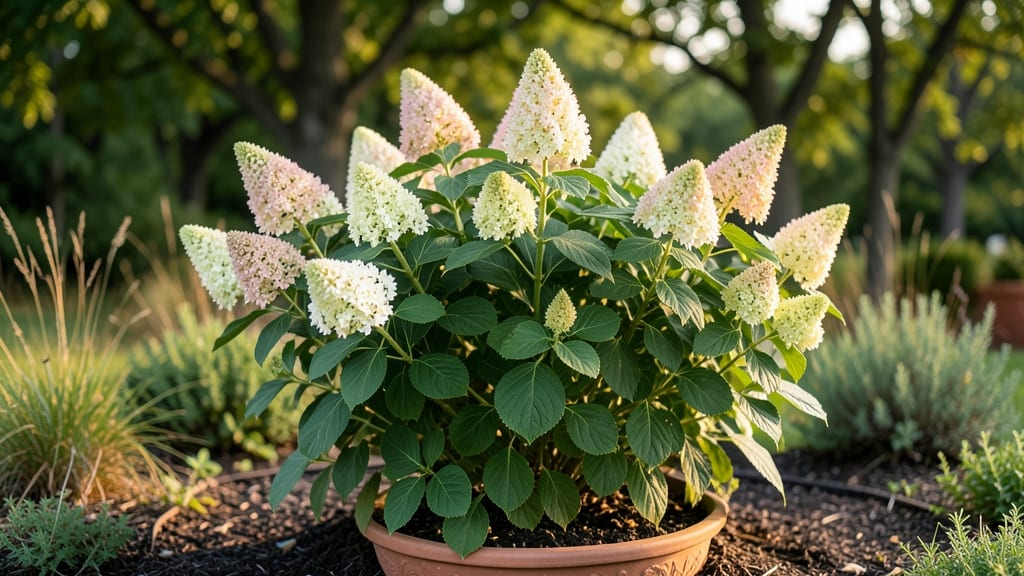
The Pee Gee tree hydrangea transforms bare spaces into lush, fragrant privacy screens with 10-foot-tall blooms that last from summer through frost. 🌿 I planted mine three years ago after struggling with flimsy evergreens that never quite blocked the neighbor's view—this beauty does it with style, and the white-to-pink flowers smell like summer on a stick.
This hydrangea thrives where others fail: full sun or partial shade, well-draining soil, and drought tolerance once established. The secret to its dramatic branching? Pruning in late winter or early spring before new growth appears. Most people overlook this step, but it's what turns a shrub into a showstopper.
By summer's end, you'll have a dense, fragrant wall of blooms that birds and butterflies adore. The foliage stays green until frost, and the branches hold their shape even in winter—no messy cleanup required. It's the kind of plant that makes neighbors stop and ask, "What is that?"
Works in zones 3-8, handles urban pollution, and even tolerates alkaline soil better than most hydrangeas. Here's how to grow one that wows every season.
📚 In This Guide
- What you need
- Instructions
- Tips and common mistakes
- Wrapping up and next steps
What you need
- ● Pruning shears or loppers – Choose bypass pruners (for clean cuts) or anvil pruners (for thicker branches). A 10-12 inch blade length works best for most branches.
- ● Hand pruners – For smaller branches (½ inch in diameter). Opt for ergonomic handles to reduce hand fatigue.
- ● Pruning saw – A folding bow saw or pruning saw with a 7-8 inch blade for thicker branches (over 1 inch in diameter).
- ● Gloves – Wear gardening gloves with cut-resistant palms to protect against thorns and rough branches.
- ● Disinfectant (70% isopropyl alcohol or bleach solution) – 1 part bleach to 9 parts water to sterilize tools and prevent disease spread.
- ● Rubbing alcohol or hand sanitizer – For cleaning hands before and after pruning.
- ● Heavy-duty trash bags or bucket – To collect pruned branches and debris. A 5-gallon bucket works well for small jobs.
- ● Ladder or step stool – If your hydrangea is taller than 6 feet, use a stable, extendable ladder (or a 3-step stool for shorter plants).
- ● Pruning sealant – Useful for sealing larger cuts (½ inch or wider) to prevent disease. Choose a latex-based or asphalt-based sealant.
- ● Sharpener or file – To keep pruning tools in top shape. A fine-grit file works well for metal blades.
- ● Labeling tags or markers – If you’re pruning multiple hydrangeas, label branches for future reference.
- ● Safety glasses – Protect your eyes from debris, especially when using a pruning saw.
- ● Knee pads or cushion – For comfort if you’ll be kneeling or bending for extended periods.
- ● Choose the right time – Prune your Pee Gee Tree Hydrangea in late winter or early spring (before new growth starts) for best results.
- ● Check the weather – Avoid pruning on windy or rainy days to prevent stress on the plant.
- ● Assess the plant – Examine your hydrangea for dead, diseased, or crossing branches before you start.
- ○ Gather inspiration – Sketch a rough outline of your desired shape (optional but helpful for beginners!).
Instructions for planting and establishing Pee Gee tree hydrangea
Here's how I transform these elegant shrubs into a lush, year-round privacy screen that thrives with minimal fuss.
🌱 Step 1: Choose and Prepare the Planting Site
Pee Gee hydrangeas thrive in partial shade to full sun, but afternoon shade in hot climates prevents leaf scorch. I look for spots with 6 hours of morning sun and afternoon dappled light—this balances their need for light while protecting delicate foliage. The soil should drain well but retain moisture; if your yard has heavy clay, amend with 3-4 inches of compost mixed into the top 12 inches of soil.
Test the soil pH—these hydrangeas prefer slightly acidic to neutral (6.0-7.0). If your soil tests alkaline, add elemental sulfur at planting time (follow package rates) to adjust gradually. I always dig a hole twice as wide as the root ball but only as deep—planting too deep suffocates roots and causes stress.
🪴 Step 2: Plant Bare-Root or Container-Grown Hydrangeas
For bare-root plants, soak the roots in lukewarm water for 1-2 hours before planting to revive them. If using container-grown plants, gently loosen the root ball to encourage outward growth. Position the plant so the top of the root ball sits 1-2 inches above ground level—this prevents waterlogging during heavy rains.
Spread the roots outward in the hole and backfill with native soil mixed with 1 part compost. Water deeply as you fill to eliminate air pockets. I press the soil gently with my hands but avoid compacting it—roots need loose soil to establish quickly. After planting, create a 2-inch deep watering basin around the base to direct irrigation.
☀️ Step 3: Mulch and Water for Establishment
Apply 3 inches of organic mulch (like shredded bark or pine needles) around the base, keeping it 3 inches away from the trunk to prevent rot. Mulch conserves moisture and regulates soil temperature, which is critical during the first 6-8 weeks when roots establish. Water deeply twice weekly during the first month, ensuring the soil stays evenly moist but not soggy—Pee Gee hydrangeas hate wet feet.
You'll know the plant is settling in when new growth emerges within 4-6 weeks. At this stage, I reduce watering to once weekly unless the weather is extremely hot or dry. Fertilize lightly with a balanced, slow-release fertilizer (10-10-10) in early spring to support early growth without overwhelming the plant.
✂️ Step 4: Prune for Shape and Health
Pee Gee hydrangeas bloom on old wood, so pruning is about shaping, not encouraging flowers. I prune in late winter or early spring (before buds swell) to remove dead, crossing, or weak branches. Cut just above a outward-facing bud to encourage a fuller shape. Avoid heavy pruning—these shrubs grow 6-8 feet tall and wide, so I only remove no more than 25% of the plant in any given year.
Watch for signs of stress like yellowing leaves or wilting—this often means the plant is either overwatered or underwatered. If leaves curl or drop, adjust your watering schedule immediately. Pee Gee hydrangeas are drought-tolerant once established, but they reward consistent moisture with lush, vibrant foliage.
Tips & tricks for perfect Pee Gee tree hydrangea planting
Transforming these graceful shrubs into a thriving privacy screen starts with these essential insights that prevent common pitfalls and maximize growth.
Lighting Strategy: The 6 hours of morning sun is non-negotiable for Pee Gee hydrangeas—they need this energy to fuel their growth. In hotter climates, I've found that using a sheer curtain to filter intense afternoon sun prevents leaf scorch while still allowing dappled light through. This mimics their natural understory habitat and keeps foliage vibrant all season.
Root Revival Technique: That 1-2 hour soak for bare-root plants isn't just about hydration—it's about reviving dormant roots. I like to add a rooting hormone to the water during this time, which significantly boosts establishment success. For container-grown plants, gently teasing the root ball apart encourages outward growth rather than circling, which is crucial for these shrubs' expansive root systems.
Soil Science: The 3-4 inches of compost mixed into the top 12 inches of soil creates the perfect balance of drainage and moisture retention. I've learned that adding perlite or vermiculite to heavy clay soils helps prevent compaction, which is especially important during the critical first 6-8 weeks when roots are establishing. This amendment prevents the dreaded "wet feet" condition that can suffocate roots.
Watering Wisdom: Creating that 2-inch deep watering basin is a game-changer—it ensures water reaches the root zone rather than running off. I've found that using a drip irrigation system set to deliver water slowly over 30 minutes, twice weekly, mimics natural rainfall patterns better than quick watering. This consistent moisture without saturation is what these hydrangeas truly thrive on during their establishment phase.
Pro Tips for Pee Gee Tree Hydrangea
- Transforming these graceful shrubs into a thriving privacy screen starts with these essential insights that prevent common pitfalls and maximize growth.
- Lighting Strategy: The 6 hours of morning sun is non-negotiable for Pee Gee hydrangeas—they need this energy to fuel their growth.
- Root Revival Technique: That 1-2 hour soak for bare-root plants isn't just about hydration—it's about reviving dormant roots.
Frequently asked questions
When is the best time to prune my Pee Gee Tree Hydrangea?
The ideal window is late winter or early spring (before new growth starts), but you can also prune lightly in summer after flowering. Avoid heavy pruning in fall—it removes next year’s blooms! For a neat shape, trim back overgrown branches by one-third to maintain airflow and health. Pro tip: Use clean, sharp tools to prevent disease.
How much can I trim back my Pee Gee Hydrangea without harming it?
These hardy shrubs are resilient! You can safely remove up to one-third of the plant’s height in a single pruning session. For older or leggy bushes, renewal pruning (cutting back to 12–18 inches from the ground) rejuvenates growth. Just avoid over-pruning—too much at once stresses the plant. Need a jumpstart? Fertilize after pruning to support regrowth.
Will pruning my Pee Gee Tree Hydrangea reduce its flowers?
Not if done right! These hydrangeas bloom on new wood, so pruning in late winter/early spring encourages more flowers. However, avoid heavy cuts in fall—this removes next year’s flower buds. For maximum blooms, prune just after flowering to shape the plant without sacrificing flowers. Bonus: Deadhead spent blooms in summer to redirect energy.
Why are my Pee Gee Hydrangea leaves turning yellow or brown?
Yellowing leaves often signal overwatering or poor drainage. Brown edges? It could be underwatering, heat stress, or pests (like spider mites). Check the soil—it should stay moist but not soggy. If leaves curl or drop, trim affected branches and adjust care. Quick fix: Mulch to retain moisture and improve soil health.
Are there alternatives to Pee Gee Tree Hydrangea for privacy screens?
For fast-growing privacy, consider:
- Forsythia (bright yellow blooms, drought-tolerant)
- Weigela (vibrant flowers, cold-hardy)
- Privet (Ligustrum) (dense, evergreen options)
- Oakleaf Hydrangea (showy foliage, slower growth)
Wrapping up and next steps
The Pee Gee Tree Hydrangea is a stunning, low-maintenance choice for year-round privacy and beauty in your landscape. With its arching branches and lush foliage, it thrives in various climates and offers seasonal interest—from delicate blooms to vibrant fall colors.
Whether you're a pruning pro or just starting, this versatile plant makes gardening effortless and rewarding! 🌿
Ready to transform your space? Start planning your pruning schedule or plant one today—your future private oasis awaits! 🌳✨