
Pruning
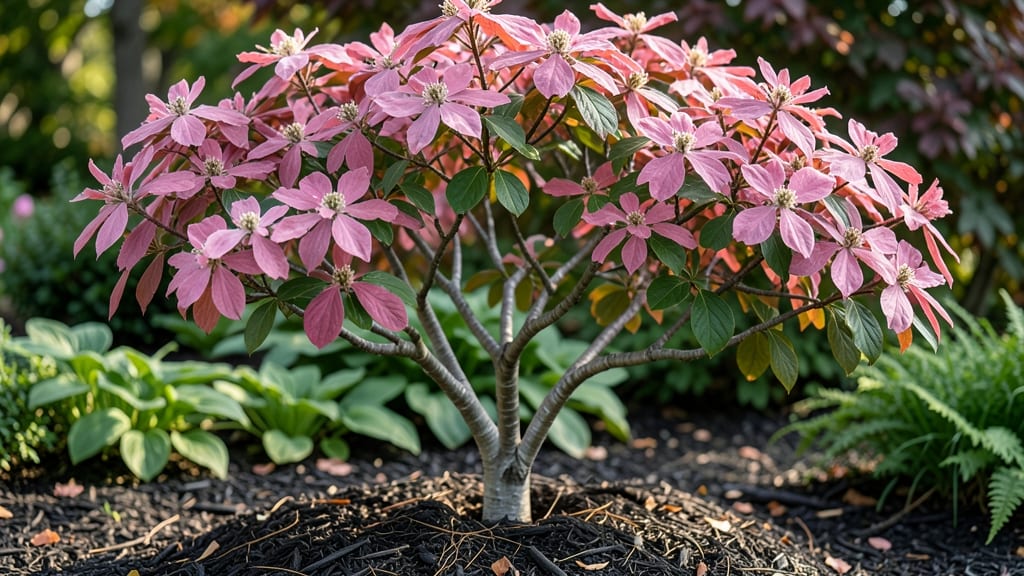
Nothing beats the sight of a pink dogwood tree in fall, when its fiery foliage transforms your yard into a masterpiece. 🌿 I’ve watched mine go from summer’s soft pink blooms to a dazzling display of reds, oranges, and purples—outshining every other tree in the neighborhood.
The berries add a final touch, turning from green to deep red, like nature’s own holiday decoration.
Fall care is all about preparing this showstopper for winter. Prune now to shape the tree and remove dead branches, but avoid heavy cuts—you don’t want to stunt next year’s spectacular blooms.
A light layer of mulch around the base keeps roots cozy while locking in moisture for spring’s first flush of growth.
By winter, your dogwood will stand tall, its bare branches a striking silhouette against the sky. The real magic happens in late winter when those first pink buds appear—proof that your fall prep paid off.
With just a little seasonal attention, your tree will put on a show year after year.
Works in most climates (zones 5-9), though southern gardeners should prune a little later to avoid early spring frosts. The payoff? A tree that steals the spotlight every autumn, with minimal effort. Here’s how to keep it thriving through the seasons.
📚 In This Guide
- What you need
- Instructions
- Tips and common mistakes
- Wrapping up and next steps
What you need
- ● Pruning shears: Bypass-style (for clean cuts), sharp and sterilized (rubbing alcohol or bleach wipe). Size: 6–8 inches for small branches.
- ● Loppers: Bypass or anvil type (for thicker branches, up to 2 inches in diameter). Quantity: 1 pair.
- ● Pruning saw: Curved-tooth for branches over 2 inches. Size: 8–10 inches.
- ● Gloves: Garden-grade (cut-resistant, nitrile-coated for grip). Quantity: 1 pair.
- ● Disposable pruning bags or bucket (for debris). Size: 5-gallon minimum.
- ● Rag or paper towels: For cleaning tools between cuts (sterilization prevents disease spread!).
- ○ Sealing wax (optional): Pruning sealant for large cuts (½ inch or wider). Brand: Tanglefoot or similar.
- ● Weather check: Prune on a dry, overcast day (avoid wind or rain). Ideal temp: 50–70°F.
- ● Safety gear: Safety glasses (if sawing) and closed-toe shoes.
- ● Tree assessment: Sketch or note branch locations to avoid over-pruning.
- ● Cleanup supplies: Trash bags (for yard waste) and hose (to rinse tools).
- ● 🔥 Sterilize tools before and after—dip blades in 1 part bleach to 9 parts water for 30 seconds.
- ● ✨ Mark cuts with chalk or tape to visualize the open vase shape (dogwoods thrive with airflow!).
- ● 🌡️ Avoid fall pruning if your region has freeze warnings—wait until late winter/early spring.
How to care for a pink dogwood tree in fall for stunning autumn foliage
Fall transforms pink dogwoods into fiery showstoppers—here’s how to keep yours vibrant and healthy through the season.
🌿 Step 1: Prune for Airflow and Shape
Prune in late winter or early spring, but if you missed that window, do a light cleanup in early fall to remove only dead, diseased, or crossing branches. Use clean, sharp pruners to make cuts just outside the branch collar. This prevents infection and encourages new growth that will burst with color in autumn.
Here’s the thing—avoid heavy pruning now. You’ll see why: dogwoods set next year’s buds in late summer, and aggressive cuts can reduce flowering. Instead, focus on opening the canopy slightly to improve airflow, which helps prevent fungal diseases like powdery mildew that can dull fall colors.
☀️ Step 2: Adjust Watering for Fall’s Changing Needs
Reduce watering frequency as temperatures drop, but keep the soil evenly moist until the first hard frost. Dogwoods need 1-1.5 inches of water per week—less if rain is steady. Check by pushing your finger 2 inches into the soil; if it’s dry, water deeply at the base, avoiding the foliage to prevent fungal issues.
I know it seems counterintuitive, but don’t waterlogged the roots now. Overly wet soil in fall can lead to root rot, which weakens the tree and dulls its autumn colors. Mulch with 2-3 inches of organic mulch (like shredded bark) to retain moisture and regulate soil temperature.
🪴 Step 3: Feed for Fall Color Boost
Apply a balanced, slow-release fertilizer (like 10-10-10) in early fall, about 6-8 weeks before the first frost. This gives roots time to absorb nutrients without encouraging late-season growth that won’t harden off properly. Follow label instructions—over-fertilizing now can lead to tender new shoots that won’t survive winter.
Watch for signs of nutrient stress: yellowing leaves or sparse foliage mean it’s time to test your soil. Dogwoods thrive in slightly acidic soil (pH 5.0-6.0). If your soil is too alkaline, add sulfur or peat moss to the root zone in early spring for next year’s color.
✂️ Step 4: Protect Against Fall Pests and Diseases
Inspect your tree for spider mites, scale, or borers—common fall pests that can sap energy from the tree. Spray with neem oil (mix 1 tbsp per gallon of water) if you spot webbing, sticky residue, or tiny crawling insects. Neem oil is safe for foliage and won’t harm beneficial insects.
Remove and destroy any fallen leaves showing signs of anthracnose or powdery mildew—these fungi overwinter in debris and reinfect next year. Rake up leaves and dispose of them in the trash (not compost) to break the disease cycle. A copper fungicide spray in late fall can also help prevent overwintering pathogens.
🍂 Step 5: Prepare for Winter Dormancy
Once temperatures drop below 40°F at night, your dogwood is entering dormancy. Stop fertilizing and reduce watering further—only water if the ground remains dry for more than 2 weeks. This hardens off the tree’s tissues, making it more resilient to winter stress.
Wrap the trunk of young or newly planted dogwoods with tree guard or burlap to protect against sunscald and rodent damage. Older trees usually don’t need this, but if your area gets harsh winds or heavy snow, a lightweight burlap wrap can prevent bark damage. Remove it in early spring to avoid trapping moisture.
Tips & tricks for perfect fall dogwood care
Here’s what I’ve learned after years of watching dogwoods transform into autumn’s most stunning stars—these small tweaks make all the difference.
Timing is Everything: When you do that early fall pruning in Step 1, aim for late September to early October for the best balance. This timing lets you remove dead branches while still allowing enough time for new growth to harden before winter. I’ve seen dogwoods pruned too late in fall struggle with winter dieback—so don’t wait until November!
Soil Test First: Before you add any amendments in Step 3, grab a soil test kit (they’re cheap and available at garden centers). Dogwoods are particular about their pH—aim for that 5.0-6.0 range. If your soil tests higher, add sulfur or peat moss in early spring to adjust for next year’s color. I once had a dogwood with dull foliage for years until I finally tested the soil and discovered it was too alkaline.
Pest Patrol: For Step 4, make that neem oil spray your last line of defense after inspecting for pests. I’ve found that scale insects often hide on the undersides of leaves—flip them over carefully with a magnifying glass if you suspect an infestation. A strong stream of water can dislodge many pests before you even need to spray, saving you time and chemicals.
Winter Prep Secret: When wrapping young trees in Step 5, use lightweight burlap rather than plastic wrap. Plastic can trap moisture and create the perfect environment for fungal growth. Also, leave a small gap at the bottom of the wrap to allow for airflow—this prevents moisture buildup that can lead to bark rot during winter.
Pro Tips for Pink Dogwood Tree In Fall
- Here’s what I’ve learned after years of watching dogwoods transform into autumn’s most stunning stars—these small tweaks make all the difference.
- Timing is Everything: When you do that early fall pruning in Step 1, aim for late September to early October for the best balance.
- Soil Test First: Before you add any amendments in Step 3, grab a soil test kit (they’re cheap and available at garden centers).
Frequently asked questions
Got questions about your pink dogwood tree’s fall glory?
You’re not alone! Here are answers to the most common queries—from timing tips to troubleshooting—so you can keep your tree thriving and stunning.
When do pink dogwood trees turn color in fall?
Pink dogwoods (Cornus florida) typically peak in late September to early November, depending on your climate. Cooler nights and shorter days trigger their fiery red or purple foliage. In warmer zones, color may fade earlier—so monitor your tree closely!
Should I prune my pink dogwood in fall?
Fall is not the best time to prune! Wait until late winter or early spring (before buds swell) to avoid stressing the tree. If you must trim, do it after leaf drop but before hard frosts. Never prune in late fall—it can invite disease or pests.
Why are my pink dogwood leaves turning brown instead of red?
Brown leaves often signal stress from overwatering, drought, or pests (like scale insects). Check soil moisture and inspect branches for sticky residue. If the issue persists, test for fungal diseases or nutrient deficiencies (like iron). A balanced fertilizer in early spring can help!
Can I plant a pink dogwood in fall for next year’s color?
Fall (September–November) is ideal for planting dogwoods—the cool weather helps roots establish before winter. Choose a site with morning sun/afternoon shade and well-draining soil. Water deeply after planting, then mulch to retain moisture.
What’s a good alternative if my pink dogwood struggles in fall?
Try these fall-flame trees:
- Serviceberry (Amelanchier): White spring blooms + vibrant red fall leaves.
- Red Maple (Acer rubrum): Bold red foliage and brilliant fall hues.
- Smoke Tree (Cotinus): Fuzzy pink plumes + deep purple leaves.
Wrapping up and next steps
The pink dogwood tree in fall is a breathtaking masterpiece of nature, transforming your yard into a fiery autumn haven.
Its vibrant hues and resilient growth make it a standout choice for gardeners eager to embrace seasonal beauty—with just the right care, you can ensure its glory year after year. 🌿✨
Ready to elevate your landscape? Start by reviewing our pruning tips or exploring expert care strategies to keep your dogwood thriving. Your future autumn masterpiece awaits!