
Pruning
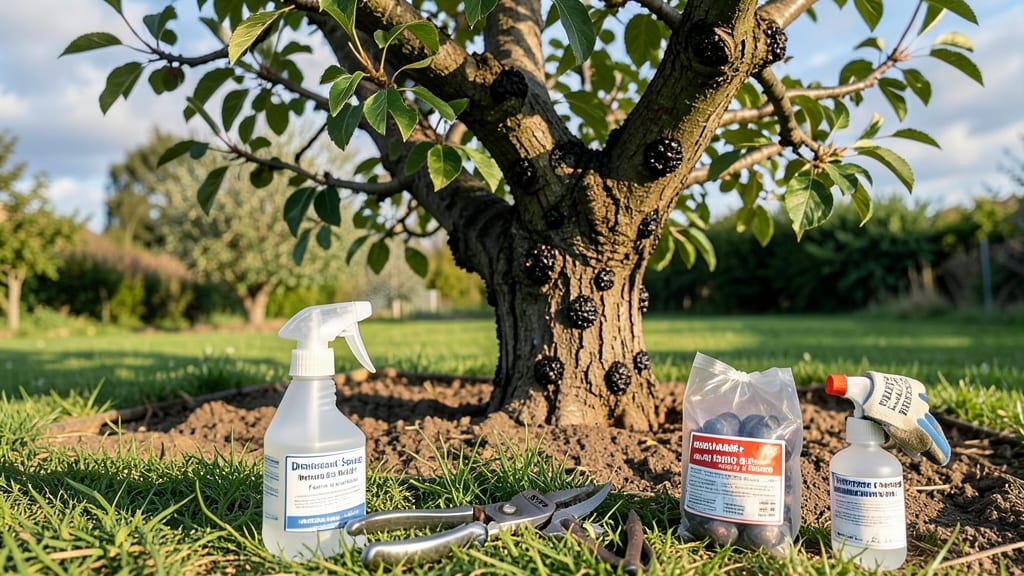
Plum tree black knot treatment turns your plum tree branches into twisted, blackened messes—but there’s a way to fight back. 🌳 I’ve battled this stubborn disease in my own orchard, and these pruning and spray methods actually work to restore your tree’s health. The key is acting fast and combining mechanical removal with targeted treatments to stop the spread.
First, you’ll need sharp pruners and a few basic supplies to cut out infected branches before the fungus spreads. I’ve learned that timing matters too—prune during dormant season (late winter) when the tree isn’t actively growing.
Afterward, clean your tools with rubbing alcohol to avoid cross-contamination, and dispose of infected wood properly by burning or sealing it in a trash bag.
For the spray treatment, a mix of copper fungicide or neem oil applied every 2-3 weeks during growing season keeps new infections at bay. My trees now produce lush, healthy fruit instead of those ugly black knots, and the process only takes about 30 minutes of focused work per session.
The results are worth the effort.
This method works for both young and mature plum trees, and the same principles apply to related fruit trees like cherries and apricots. With consistent care, your tree can bounce back stronger than ever—no more sacrificing branches to this fungal menace.
Root Causes Of Black Knot Disease
Black knot disease (Apiosporina morbosa) is a fungal infection that turns your plum tree’s branches into twisted, tar-like knots—often ruining fruit production and even killing the tree if left unchecked. But why does this stubborn pathogen target your trees?
The answer lies in a mix of environmental triggers, fungal biology, and tree stress. Understanding these causes is the first step to stopping the spread and saving your orchard.
The black knot fungus thrives as a saprophyte—meaning it lives on dead organic matter (like fallen leaves or twigs) during winter. When spring arrives, warm, wet conditions trigger the fungus to produce conidia (asexual spores) that hitch rides on wind or rain splashes.
These spores land on young, tender shoots and germinate within 24 hours if moisture lingers.
💡 Key factor: Trees in humid climates (like the Pacific Northwest or Midwest) or those near water sources are at higher risk because spores stay airborne longer.
Healthy plum trees resist black knot better, but stress opens the door for the fungus. Common stressors include:
- Nutrient deficiencies: Low nitrogen or potassium weakens bark, making it easier for spores to penetrate. Test soil pH—acidic soil (<4.5) can also suppress beneficial microbes that compete with the fungus.
- Physical damage: Pruning wounds, hail scars, or animal bites create entry points. The fungus exploits these within 3 days if conditions are moist.
- Overcrowding: Shaded or tightly packed trees develop thin, weak branches that can’t support healthy bark. Black knot loves these low-light, high-moisture environments.
- Drought or flood stress: Extreme water fluctuations disrupt the tree’s defenses, leaving it vulnerable to opportunistic fungi.
🔥 Pro tip: If your tree is suddenly showing symptoms after a harsh winter or summer drought, stress is likely the culprit.
The fungus Apiosporina morbosa has a temperature sweet spot for infection: 60–75°F (15–24°C) with high humidity. Here’s how it plays out:
| Condition | Fungal Activity |
|---|---|
| Cool, dry spring (e.g., 50°F) | Spores germinate slowly; infection risk is low. |
| Warm, rainy spring (e.g., 65°F + 1" rainfall/week) | Spores explode in growth; infection peaks in 7–10 days. |
| Hot, dry summer (e.g., 85°F+) | Fungal growth stalls, but existing knots expand. |
🌡️ Critical window: If your area has consistent morning dew or afternoon showers during bloom (April–May), your tree is in the high-risk zone.
Here’s the vicious cycle: Once a knot forms, it never fully dies. The fungus remains dormant in the black, tar-like tissue and reactivates every spring, producing new spores.
Even if you remove infected branches, leaving behind old knots on the tree or in the mulch means the fungus will return.
✨ Game-changer: The only way to break this cycle is aggressive pruning (removing all infected wood down to healthy tissue) plus sterilizing tools between cuts.
How to solve it
Black knot disease may sound intimidating, but with the right approach, you can restore your plum tree’s health and prevent future outbreaks. The key is acting fast—once those dark, swollen knots appear, they’re already spreading.
Below, we break down cause-specific solutions with step-by-step fixes and prevention tips to keep your tree thriving.
The sooner you spot black knot, the easier it is to treat. Look for:
- Small, olive-green swellings (early-stage knots) on branches or twigs.
- Black, tar-like growths (mature knots) that feel rough and may ooze when wet.
- Wilting or dying leaves near infected areas.
💡 Pro Tip: Inspect your tree twice a year—once in early spring (before buds swell) and again in fall (after harvest). Use a magnifying glass for hard-to-see spots.
Pruning is the most effective way to remove black knot and stop its spread. Follow these steps carefully:
🍳 Step 1: Gather Your Tools
You’ll need:
- A sharp pruning saw (for thick branches) or bypass pruners (for smaller limbs).
- Rubbing alcohol (70% or higher) or a bleach solution (1 part bleach to 9 parts water).
- Disposable gloves and old towels/rags.
- A bucket of soapy water for cleaning tools.
👨🍳 Step 2: Sanitize Everything
Black knot spores survive on tools, so sterilize before and after pruning:
- Wipe tools with rubbing alcohol or dip in the bleach solution for 30 seconds.
- Rinse with clean water and dry with a towel.
🔪 Step 3: Cut Out the Knots (And More!)
Don’t just trim the knot—cut back at least 6–12 inches below it into healthy wood. Here’s why:
- Black knot spreads underground via fungal threads (hyphae). Cutting too close leaves spores behind.
- Remove all infected branches, even small twigs—don’t leave any knots behind.
🎯 Pro Tip: If the knot is on a main branch or trunk, consider removing the entire branch to prevent reinfection. Small trees may need complete pruning if heavily infected.
⏰ Step 4: Dispose of Infected Material
Never compost or leave pruned knots near your tree. Instead:
- Bag infected branches in plastic and dispose of them in the trash (not recycling).
- If possible, burn them (check local regulations first).
- Avoid tossing them in wood chips or mulch—spores can survive for years.
Even after pruning, fungicides help protect your tree from reinfection. Use these strategies:
💡 When to Spray
Apply fungicide before symptoms appear for best results:
- Early spring (just before buds swell).
- Late fall (after harvest, before winter).
🔥 Pro Tip: If your tree had black knot last year, spray every 2–4 weeks during the growing season (April–July) for extra protection.
🎯 Best Fungicides for Black Knot
Choose copper-based or sulfur-based fungicides, which are effective and organic-friendly:
| Option | How to Use | Notes |
|---|---|---|
| Copper fungicide (e.g., Cupric hydroxide) | Mix according to label (usually 1–2 tbsp per gallon of water). Spray until dripping wet on leaves and branches. | Safe for organic gardens. Apply on dry, calm days (avoid rain for 24 hours). |
| Sulfur fungicide (e.g., Liqui-Cop) | Follow package instructions (typically 1–4 tbsp per gallon). | Best for preventative use. Avoid spraying if temps are above 85°F—it can burn leaves. |
| Neem oil | Mix 1–2 tbsp neem oil + 1 tsp mild soap per quart of water. Spray thoroughly. | Great for early-stage infections. Reapply every 7–14 days. |
✨ Pro Tip: For severe infections, combine copper fungicide + neem oil for a 1-2-3 spray (1% copper, 2% neem, 3% water) for extra power.
Pruning and sprays work, but prevention is the best long-term strategy. Follow these habits:
🌿 Tree Care Best Practices
- Improve air circulation: Thin out dense branches to reduce humidity (black knot thrives in wet conditions).
- Water at the base: Avoid overhead sprinkling, which keeps leaves wet and encourages fungal growth.
- Mulch properly: Use 2–3 inches of organic mulch (wood chips, straw) but keep it 6 inches away from the trunk.
- Choose resistant varieties: If replanting, pick black knot-resistant plum cultivars like Stanley or Montgomery.
🚫 What NOT to Do
Avoid these common mistakes that worsen black knot:
- ❌ Pruning when the tree is wet (spores spread easily).
- ❌ Using dull tools (tears wood, inviting infections).
- ❌ Ignoring small knots (they grow fast!).
- ❌ Planting new trees too close (keep them 20+ feet apart).
With proactive pruning,
Frequently asked questions about plum tree black knot treatment
Can I still save my plum tree if the black knots are already large and spread out?
Yes, but you’ll need to be aggressive! Cut out all infected branches at least 6–12 inches below the visible knot to remove hidden fungal threads. For severe cases, you may need to prune up to 30% of the tree’s canopy in one season. Follow up with copper fungicide sprays every 2 weeks during growing season to prevent reinfection.
Is it safe to use chemical fungicides on my plum tree?
Yes, but choose carefully! Copper-based fungicides (like Bordeaux mixture) are the most effective and safe for edible fruit trees when used correctly. Avoid synthetic fungicides like chlorothalonil—they can leave harmful residues on fruit. Always follow label instructions and harvest fruit at least 2 weeks after the final spray.
How do I know if my plum tree is resistant to black knot?
Some varieties like Stanley or Montgomery show natural resistance, but no plum tree is completely immune. Look for trees that produce fruit despite some knots—this suggests better tolerance. For true resistance, consider planting cherry-plum hybrids (like Methley) which often handle black knot better than traditional plums.
Will black knot spread to other fruit trees in my yard?
Yes, it can! Black knot primarily affects plums, cherries, and apricots, but not apples or pears. The fungus spreads via spores carried by wind or rain, so infected trees should be at least 20 feet away from other susceptible fruit trees. Remove all infected material immediately to prevent cross-contamination.
Can I use household items like vinegar or baking soda to treat black knot?
Not effectively—these won’t stop the fungus. While vinegar can kill some fungi, it’s too weak and will burn your tree’s leaves. For organic options, stick to copper fungicide or neem oil (mixed with mild soap). These provide the protective barrier needed to prevent spore germination.