
Trees
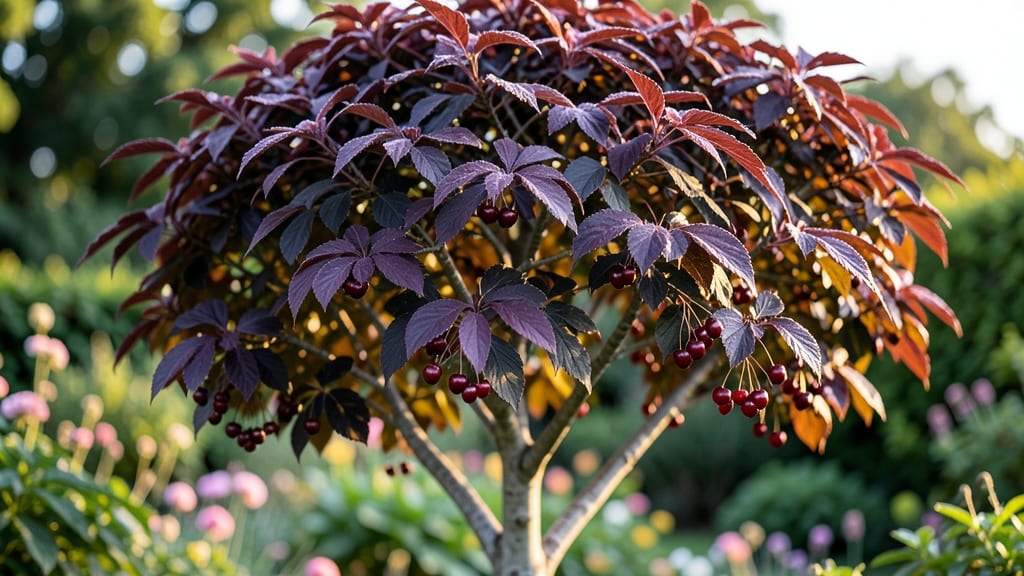
Transform your garden into a vibrant purple paradise with these 10 breathtaking tree varieties. Their dramatic foliage and unique hues create visual impact while adding year-round interest to any landscape design.
Royal Purple Smokebush for Year-Round Drama
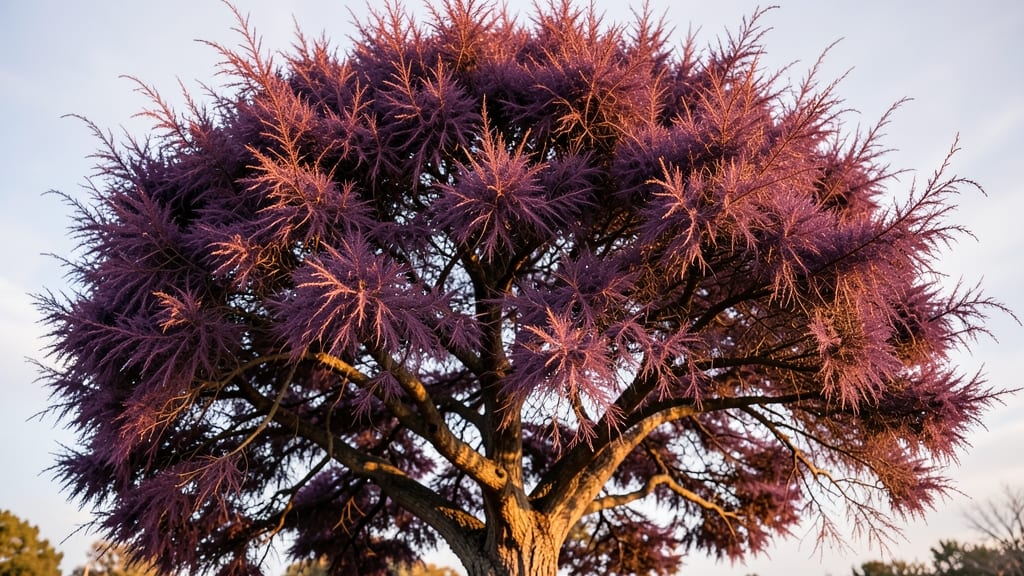
Looking for a purple tree that delivers drama without demanding constant care? The Royal Purple Smokebush (Cotinus coggygria 'Royal Purple') is your answer—a drought-tolerant powerhouse with velvety deep purple foliage that transforms into fiery bronze hues in winter, ensuring visual interest through all four seasons.
This shrub-like tree thrives in full sun to partial shade and handles poor soil, making it perfect for urban landscapes or small gardens where space is limited. Prune lightly in late winter to shape it, but otherwise, it requires minimal upkeep. Its airy, feathery plumes add texture, while the bronze winter foliage provides unexpected contrast against snow or evergreens.
Ideal for gardeners who want low-maintenance color, this versatile plant also attracts pollinators and tolerates heat and drought once established. Perfect for containers, borders, or as a focal point, it’s the ultimate purple tree for effortless elegance. 💚
Weeping Purple Lilac for Fragrant Elegance
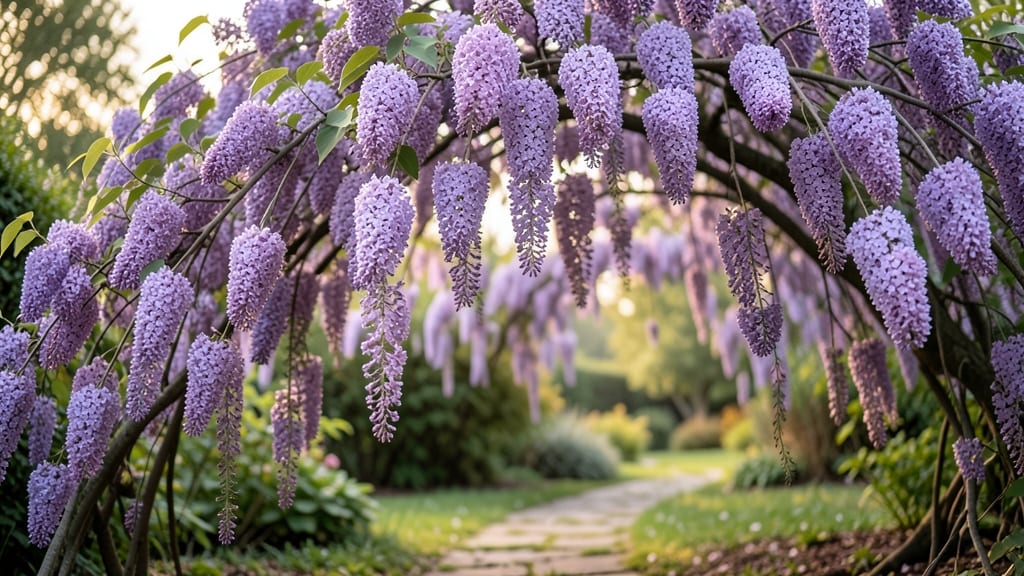
Imagine stepping into a garden where the air is perfumed with sweet blossoms and cascading branches create a natural archway of lavender-purple flowers. The weeping purple lilac brings this romantic vision to life with its graceful, arching form and intoxicating fragrance that lingers for weeks.
This classic tree thrives in full sun to partial shade and blooms profusely in late spring, attracting bees, butterflies, and hummingbirds. Its fragrant purple blooms create a stunning focal point while providing year-round interest with its elegant branching structure. Plant it near seating areas or garden entrances to enjoy the sweet scent up close.
Perfect for cottage gardens and romantic landscapes, this lilac variety offers low-maintenance beauty that pairs beautifully with white roses or ivy-covered trellises. 🌷
Japanese Purple Wisteria for Climbing Spectacle
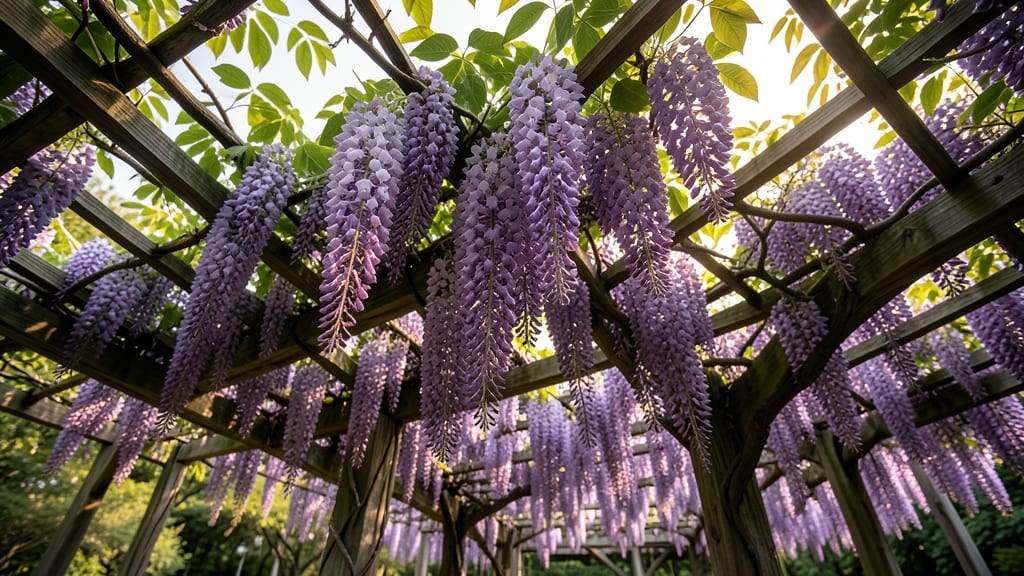
Looking to add a breathtaking vertical element to your garden? Japanese purple wisteria transforms any space with its cascading purple blooms that create a dreamy, romantic atmosphere—perfect for pergolas, arbors, or trellises in warmer climates.
This vigorous climber thrives in full sun (6+ hours daily) and needs a sturdy support structure to anchor its long, woody vines. Plant in well-draining soil and water regularly during the first year to encourage strong root growth. Prune annually after flowering to maintain shape and control spread—wisteria can grow 20+ feet if unchecked!
Ideal for gardeners in USDA zones 5-9, this vine offers late spring blooms that perfume the air and attract hummingbirds. Perfect for adding drama to patios, entryways, or even balcony gardens with trellises. 🌟
Purple Leaf Plum for Early Spring Color
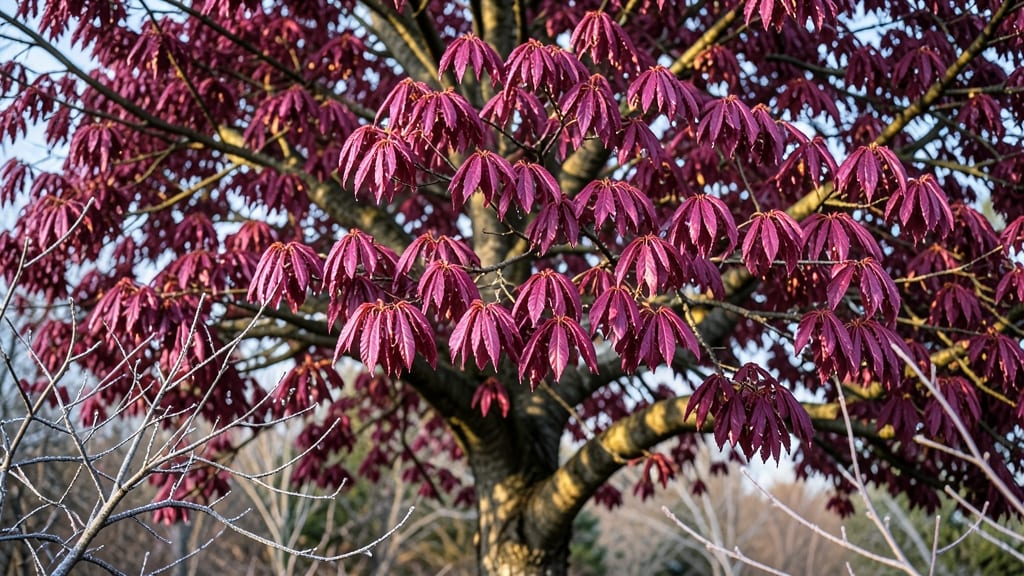
Tired of waiting for spring color? The purple leaf plum arrives like a burst of confetti, with its magenta foliage appearing weeks before most trees leaf out. This fast-growing stunner transforms dull winter landscapes into vibrant purple canvases almost overnight.
Thriving in full sun to partial shade, this tree matures to 15-25 feet tall with a rounded shape perfect for focal points. Its early spring blooms add delicate pink flowers that attract pollinators, while the foliage maintains its rich purple hue through summer before turning golden-yellow in fall. Prune lightly after flowering to maintain its shape and encourage dense growth.
Ideal for gardeners seeking instant impact, the purple leaf plum works beautifully as a standalone specimen or paired with white-flowering trees to create striking color contrast. 🌟
Amethyst Falls Hydrangea for Shade Tolerance
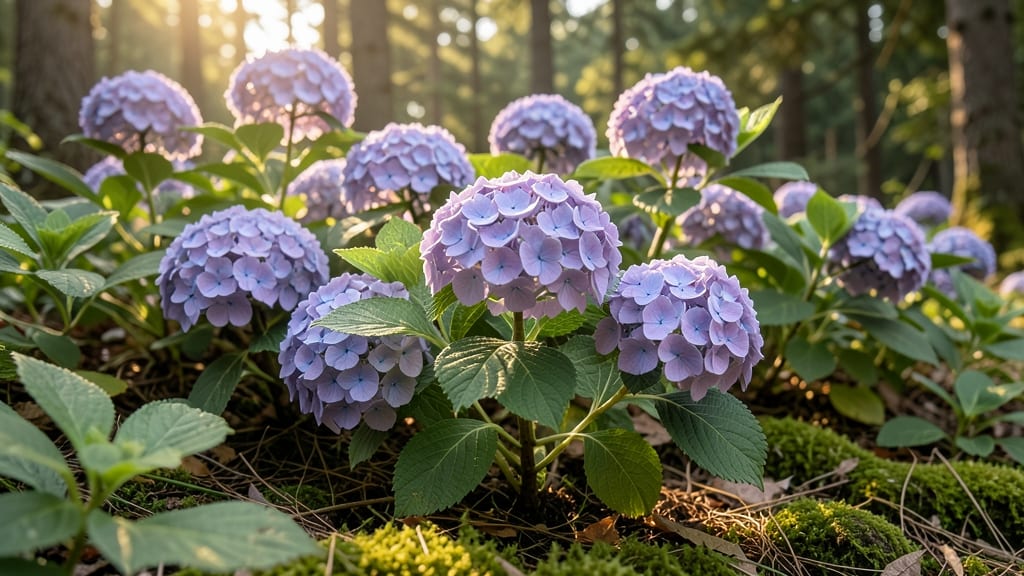
When your garden has spots that get only partial shade, the Amethyst Falls Hydrangea is a game-changer. Unlike sun-loving trees, this compact hydrangea thrives in 4-6 hours of filtered light, making it perfect for understory planting where most trees struggle. Its lavender-purple blooms appear in late summer, creating a stunning contrast against green foliage and providing long-lasting color when other shade plants may fade.
The tree-form hydrangea grows to just 6-8 feet tall with a rounded shape, ideal for woodland gardens or as a focal point under larger trees. Prune lightly after flowering to maintain its shape, and ensure well-draining soil with regular moisture—though it tolerates brief dry spells once established. This variety stands out for its disease resistance and ability to rebloom on new wood, giving you multiple flushes of color each season.
For gardeners with shady spots who crave drama without the upkeep of sun-loving trees, Amethyst Falls delivers. It’s especially magical in containers for patios or as a natural privacy screen along fences. 💚
Purple Smoke Tree for Textural Interest
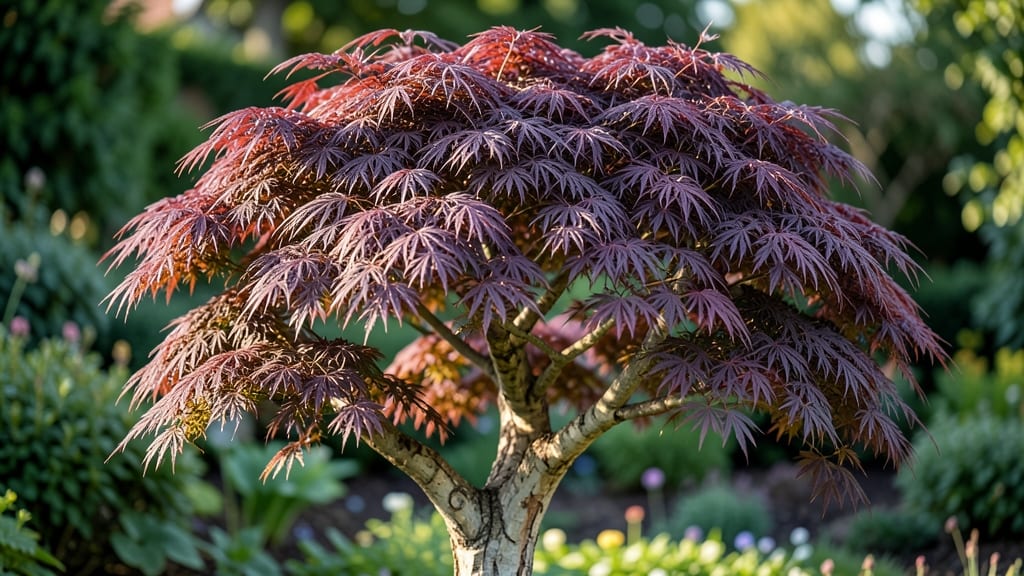
Looking for a tree that adds bold texture and modern flair to your garden? The purple smoke tree (Cotinus obovatus) delivers with its exfoliating bark and deep purple foliage that creates a striking visual contrast perfect for contemporary landscapes.
This tree thrives in full sun to partial shade and adapts to various soil types, making it versatile for urban or suburban settings. Its peeling bark reveals vibrant orange layers, adding depth even in winter, while the velvety purple leaves remain vibrant throughout the growing season. Prune lightly in late winter to maintain its compact shape and encourage new growth.
Urban gardeners and minimalist designers will love this low-maintenance tree—it requires minimal pruning and tolerates drought once established. Plant it as a focal point or pair it with silver foliage plants for a high-contrast, modern look. 💚
Royal Purple Beech for Autumn Foliage
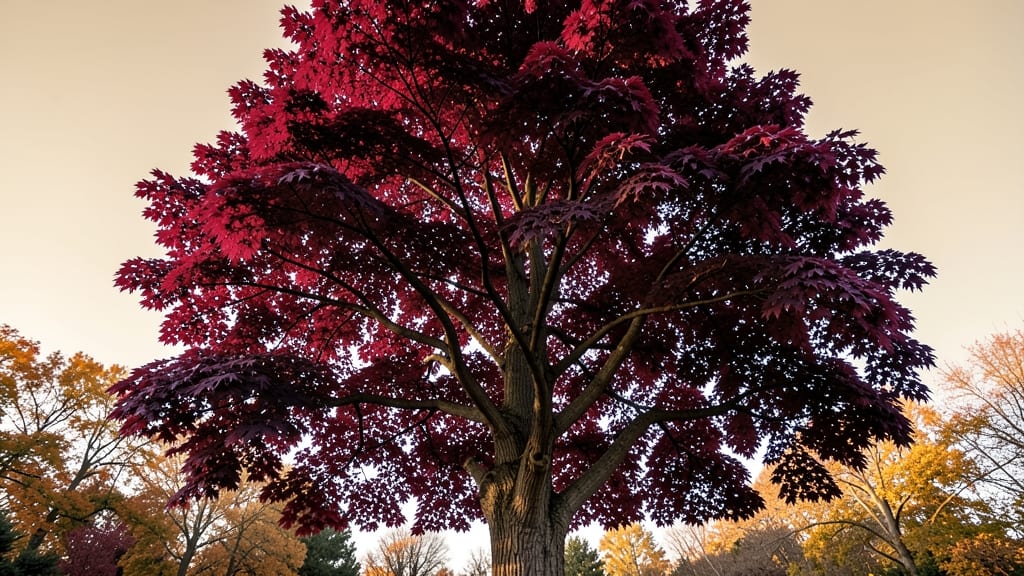
If you love the idea of a garden that bursts into color when others fade, the Royal Purple Beech is your autumn superstar. Unlike most trees that lose their vibrancy, this deciduous beauty intensifies its deep purple foliage as fall arrives, creating a fiery display that lasts through winter.
Plant it in full sun for the richest color, though it tolerates partial shade. The smooth gray bark adds texture year-round, while its compact size (20-30 feet tall) makes it perfect for smaller properties. Prune in late winter to maintain shape and encourage new growth.
This tree is ideal for gardeners who want low-maintenance drama with seasonal impact. Pair it with golden fall perennials like sedum or switchgrass for a showstopping autumn tableau. 🌟
Purple Heart Crepe Myrtle for Heat Resistance
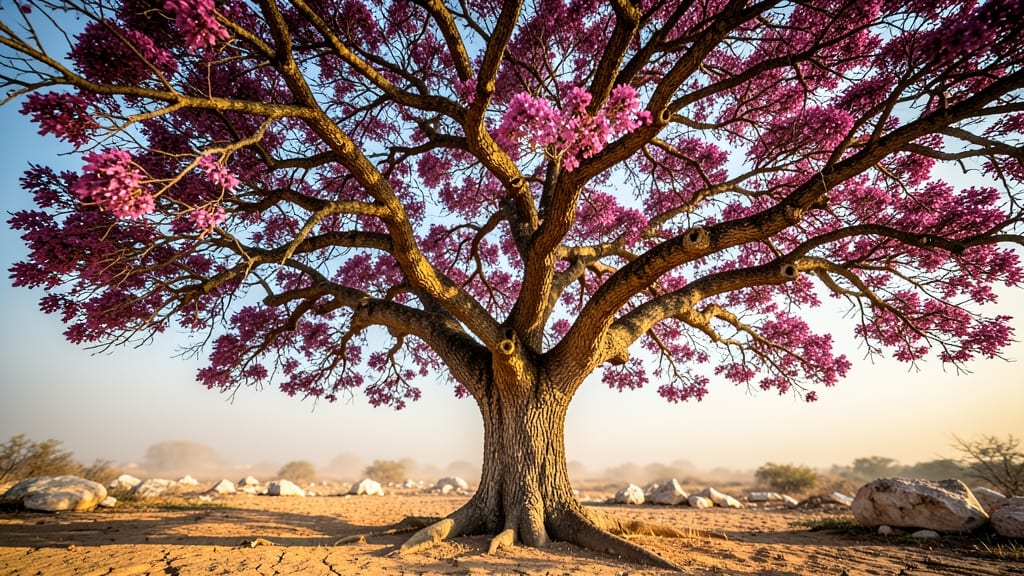
If you live in a hot, sunbaked climate where most plants wilt by noon, the Purple Heart Crepe Myrtle is your secret weapon. This heat-resistant powerhouse thrives in temperatures that would fry other trees, making it the perfect choice for southern gardens, urban heat islands, and even drought-prone areas.
With its deep purple foliage that stays vibrant all summer, this small-to-medium tree also produces clusters of fragrant white flowers in late summer, followed by seed pods that add winter interest. It’s incredibly low-maintenance—just prune back old wood in late winter to encourage fresh growth and prevent disease. Plant it in well-drained soil with full sun exposure (6+ hours daily) for maximum heat tolerance and color intensity.
Urban gardeners and eco-conscious landscapers will love how this tree supports local pollinators while requiring minimal water once established. It’s the ideal shade provider for patios or driveways without the high upkeep of other ornamental trees. 💪
Black Lace Elderberry for Wildlife Appeal
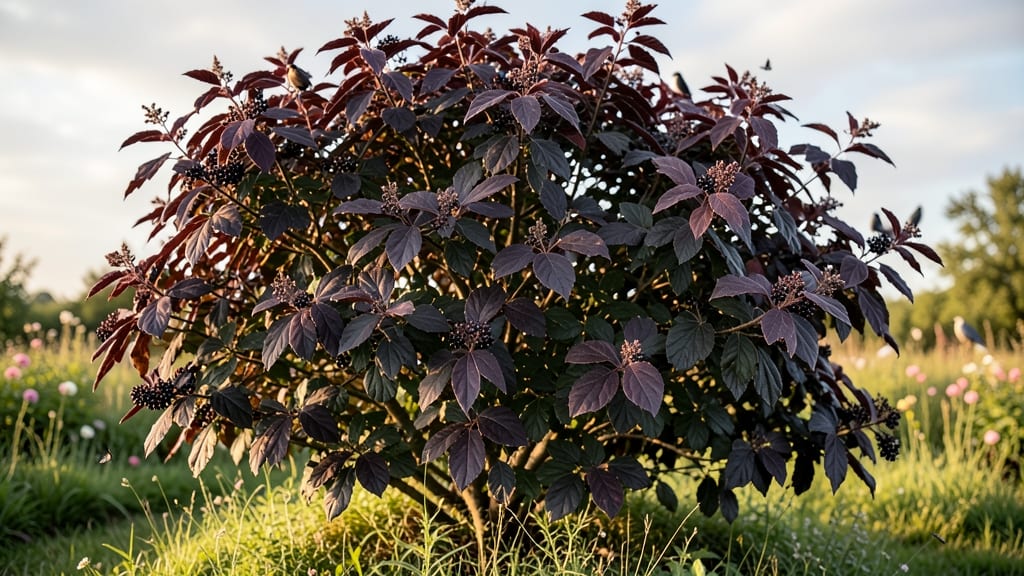
Want a tree that doubles as a wildlife magnet while adding dramatic deep purple-black foliage to your garden? The Black Lace Elderberry delivers both with its velvety leaves and irresistible appeal to birds and pollinators.
This native shrub/tree thrives in full sun to partial shade and produces clusters of small white flowers followed by berries that feed birds through winter. Its drought-tolerant nature makes it perfect for eco-conscious landscapes, while its compact size (12-15 feet) works beautifully in hedges or as a focal point.
Ideal for wildlife gardeners and those seeking low-maintenance native plants, it's the ultimate choice for creating a thriving ecosystem. 🌿
Purple Leaf Sand Cherry for Unique Fruit

Want a tree that doubles as both a stunning visual centerpiece and a productive fruit producer? The purple leaf sand cherry delivers vibrant purple foliage year-round while bearing clusters of tart, edible cherries in late summer.
This compact tree thrives in full sun to partial shade and handles dry conditions once established, making it perfect for drought-prone areas. The small, bright red cherries ripen in late summer and are great for jams, jellies, or fresh snacking. Its 3-6 foot height makes it ideal for small gardens or as a specimen plant.
Fruit enthusiasts and ornamental gardeners will love this dual-purpose tree—it’s the only option on this list that gives you both color and harvest in one package. 🌻