
Pruning
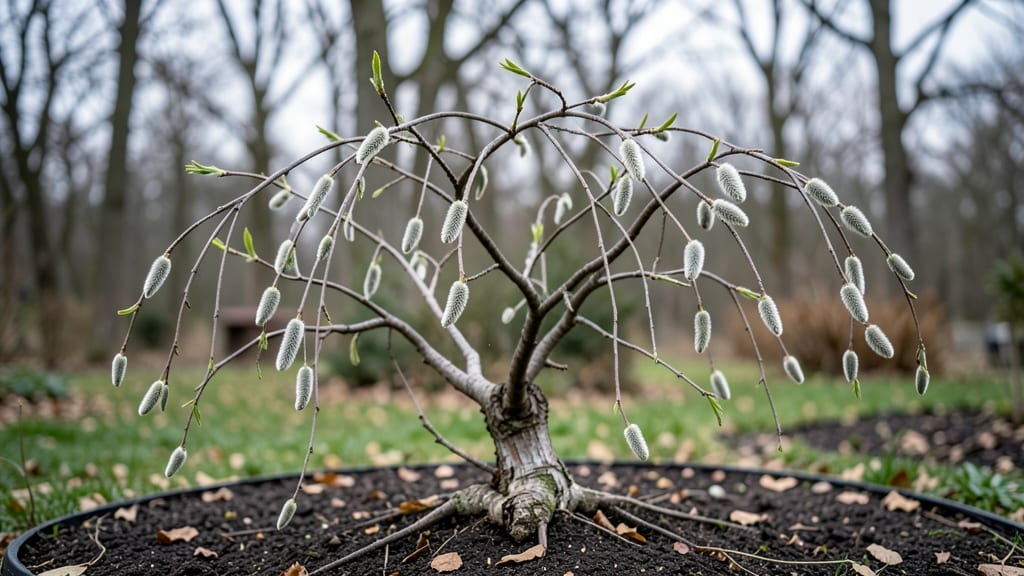
Mastering the pussywillow tree care starts with catching those fuzzy catkins before they turn to fluff—the secret to fast growth. 🌿 These trees are nature’s fuzzy showstoppers, but their rapid growth means you’ll need to prune twice a year to keep them lush without losing that signature charm.
The key? Pruning right after flowering and again in late winter, when the tree’s energy shifts from showy blooms to vigorous new shoots.
Pussywillows thrive in full sun to partial shade and tolerate moist soil better than dry, which is why they’re perfect for wetlands or rain gardens. They’re also one of the first trees to bloom in spring, giving pollinators an early meal.
But here’s the thing—if you skip pruning, those fuzzy stems get leggy and sparse. A little strategic cutting keeps them compact and packed with those iconic catkins, year after year.
By mid-summer, you’ll see new growth shooting up like crazy—this is where the real magic happens. The more you prune back old stems in late winter, the more energy the tree puts into fresh, vibrant branches.
And don’t worry about overdoing it: pussywillows bounce back faster than most trees, making them a foolproof choice for gardeners who want both beauty and speed.
Whether you’re shaping a small ornamental tree or managing a larger specimen, the same rules apply: cut back dead or crossing branches first, then thin out the oldest stems to encourage new growth. The result? A tree that’s always full, always flowering, and always growing—without the fuss of constant maintenance.
📚 In This Guide
- What you need
- Instructions
- Tips and common mistakes
- Wrapping up and next steps
What you need
- ● Pruning shears – Sharp, bypass-style shears (for clean cuts on small branches).
- ● Loppers – 8- to 10-inch loppers for thicker branches (up to 1.5 inches in diameter).
- ● Pruning saw – A curved-tooth saw for branches thicker than 1.5 inches.
- ● Gloves – Heavy-duty, cut-resistant gloves to protect your hands from thorns and rough bark.
- ● Disinfectant (70% isopropyl alcohol or bleach solution) – To sterilize tools between cuts and prevent disease.
- ● Mulch (2-4 inches of organic material) – Shredded bark, wood chips, or compost to retain moisture and regulate soil temperature.
- ● Balanced fertilizer (10-10-10 or 20-20-20) – Slow-release granules or liquid fertilizer for seasonal feeding.
- ● Watering can or hose with a gentle spray nozzle – For deep watering without damaging the tree.
- ● Tree wound dressing – Pruning sealant (controversial but useful for large cuts if desired).
- ● Soil moisture meter – To check moisture levels before watering.
- ● Tree tie or zip ties – For supporting young, flexible branches if needed.
- ● Pest/disease monitor traps – Early detection for aphids, scale, or fungal issues.
- ● Wheelbarrow or bucket – For hauling mulch, clippings, or tools around.
Step-by-Step pruning guide for pussywillow trees
Here’s how to keep your pussywillow thriving year-round with simple, effective pruning.
✂️ Step 1: Prune New Growth in Early Spring
Start as soon as you see new shoots emerging—usually in late winter or early spring. Use sharp, clean pruners to trim back any dead or crossing branches first. These trees grow fast, so don’t hesitate to cut back up to ⅓ of the plant’s height to encourage bushier growth.
Focus on removing branches that grow inward or rub against others. This prevents future damage and improves airflow, which is key for keeping the fuzzy catkins healthy. I like to make cuts just above a leaf node or outward-facing bud—this ensures the tree grows in the right direction.
☀️ Step 2: Thin Out Overcrowded Branches in Late Spring
Once the tree has fully leafed out, step back and assess its shape. Look for branches growing too close together—these compete for sunlight and nutrients. Remove 1 in 3 branches in each cluster, cutting back to the main stem or a strong side branch.
Pussywillows respond well to thinning, so don’t be afraid to be bold. You’ll see faster growth and more abundant catkins if you open up the center of the tree. Just avoid cutting more than 25% of the foliage at once—this keeps the tree from getting stressed.
🪴 Step 3: Light Maintenance in Summer and Fall
During the growing season, do a quick check every few weeks for any branches that look diseased, damaged, or growing in odd directions. Prune these out as soon as you spot them—pussywillows heal quickly, so small cuts won’t stress the tree.
In fall, remove any dead or weak branches before winter sets in. This prevents pests and diseases from taking hold in damaged wood. I also like to trim back any long, leggy branches by about ½ their length—this encourages a fuller shape for next year’s growth.
⏰ Step 4: Winter Pruning for Shape and Health
After the tree drops its leaves, do a final pruning to clean up the structure. Focus on removing any branches that cross or grow inward. You can also lightly shape the tree by trimming back the longest branches to balance its form.
This is also the time to remove any suckers or water sprouts—those fast-growing, weak shoots that pop up at the base. Cut them off at the ground level to redirect the tree’s energy into stronger growth. A little winter pruning goes a long way for keeping your pussywillow looking its best.
Tips & tricks for pruning pussywillow trees
Keeping your pussywillow looking its best takes just a few smart pruning moves—and avoiding these common mistakes.
Timing is Everything: Early spring is the ideal time to prune new growth because the tree is just waking up from dormancy. This is when it can heal quickly and put energy into fresh, healthy branches. I've seen pussywillows recover beautifully from cuts made in early spring, but pruning too late in the season can leave them vulnerable to winter damage. Remember, you can cut back up to ⅓ of the plant's height in Step 1—don't be afraid to be bold!
Tool Prep Matters: Before you start, make sure your pruners are sharp and clean. Dull blades tear branches instead of making clean cuts, which can damage the tree and make it more susceptible to disease. I wipe mine down with rubbing alcohol between cuts to prevent spreading any potential infections. For larger branches, consider using a pruning saw—it gives you more control and reduces the risk of tearing.
Visual Cues for Better Cuts: When removing branches in Step 2, look for the "branch collar"—that swollen area where the branch meets the trunk. Make your cut just outside this collar, leaving a small bump. This helps the tree heal properly and prevents unsightly stubs. For shaping cuts, aim for a 45-degree angle about ¼ inch above a bud or leaf node. This encourages the tree to grow in the direction you want.
Seasonal Checklist: Create a simple seasonal pruning schedule to stay on track. Mark your calendar for early spring (Step 1), late spring (Step 2), and fall (Step 4). During summer, do quick monthly checks for any branches that need attention. I keep a small notebook by my pruners to jot down notes about what I've pruned and when—it helps me remember what worked and what didn't for next year.
Pro Tips for Pussywillow Tree Care
- Keeping your pussywillow looking its best takes just a few smart pruning moves—and avoiding these common mistakes.
- Timing is Everything: Early spring is the ideal time to prune new growth because the tree is just waking up from dormancy.
- Tool Prep Matters: Before you start, make sure your pruners are sharp and clean.
Frequently asked questions
Got questions about keeping your pussywillow tree thriving? You’re not alone! Here are answers to the most common queries—from pruning timing to troubleshooting—so you can grow a lush, fast-growing beauty with confidence.
When is the best time to prune a pussywillow tree for maximum growth?
Prune your pussywillow late winter to early spring (just before new growth starts) for the best results. This encourages vigorous spring blooms and dense foliage. Avoid pruning in fall—it can stimulate tender new growth that won’t survive winter. Light shaping can happen in summer, but keep it minimal to avoid stress.
How often should I prune my pussywillow tree?
Young pussywillows benefit from annual pruning to establish structure, while mature trees (5+ years) need pruning every 2–3 years for maintenance. Focus on removing dead, diseased, or crossing branches and thinning to improve airflow. Over-pruning weakens the tree, so aim for no more than 25% of the canopy at a time.
What should I do if my pussywillow leaves turn yellow or drop prematurely?
Yellowing leaves or early leaf drop often signal overwatering, underwatering, or nutrient deficiencies. Check soil moisture—pussywillows prefer moist but well-drained soil. Amend heavy clay soil with compost, and fertilize in early spring with a balanced 10-10-10 formula. If pests (like aphids) are present, treat with neem oil or insecticidal soap.
Can I prune pussywillow branches in summer, and will it affect flowering?
Yes, but minimal summer pruning is best—focus on removing only dead wood or overly vigorous shoots. Heavy summer pruning can reduce next year’s catkin (flower) production, as these blooms form on old wood. If you must prune, do it after flowering (late spring/early summer) to minimize impact.
Are there any alternatives to pussywillow for fast-growing, low-maintenance trees?
If you love pussywillow’s fast growth but want variety, consider:
- Weeping Willow (Salix babylonica) – Dramatic drooping branches, loves water.
- Russian Olive (Elaeagnus angustifolia) – Drought-tolerant, fragrant flowers.
- Hornbeam (Carpinus betulus) – Slow but sturdy, great for hedges.
- Silver Maple (Acer saccharinum) – Fast-growing with vibrant fall color.
Wrapping up and next steps
Caring for your pussywillow tree is all about patience, timing, and a little love—just like nurturing any prized plant! With the right pruning techniques and seasonal attention, you’ll reward yourself with vibrant, fast-growing branches and those iconic fuzzy catkins year after year. 🌿✨
Ready to watch your tree thrive? Start small—pick just one pruning session this week, and build from there. Before you know it, your pussywillow will be the star of your garden! 🌱💚