
Pruning
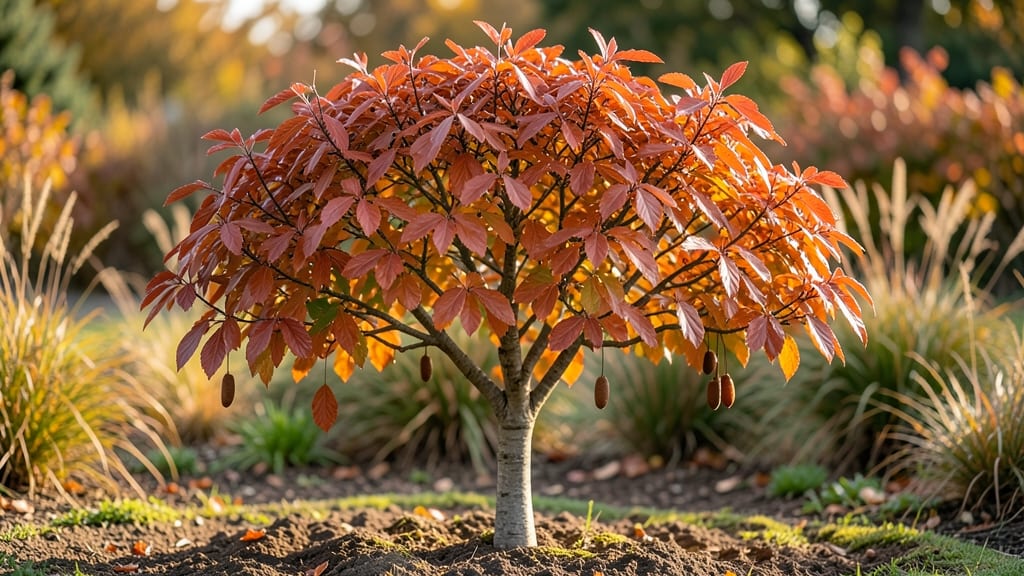
The Rising Sun Redbud tree’s fall color 🌳 puts on a fiery show that rivals its famous spring blooms, but timing and care make all the difference.
Picture this: your yard ablaze with coppery-red leaves in October, a spectacle that lasts for weeks if you get the conditions right. Yet many gardeners miss the peak—or worse, their tree fades early because of a simple oversight.
Fall color in the Rising Sun Redbud depends on sunlight, soil, and even when you last pruned it. Too much shade? The leaves turn dull. Too dry? They crisp before their time. I’ll break down the exact window for vibrant foliage and how to stretch that show into November.
You’ll also discover the one pruning mistake that kills fall color, plus companion plants that make the display even more stunning. Let’s make your Redbud the talk of the neighborhood this autumn.


When does Rising Sun Redbud tree showcase its best fall colors?
The Rising Sun Redbud (Cercis canadensis 'Rising Sun') steals the show in autumn with its vibrant copper-red foliage, but timing is everything. Unlike its spring pink blooms that appear in March or April, the fall color transformation happens much later—typically between mid-October and early November.
This two-week window marks the peak when leaves shift from green to fiery hues, creating a stunning contrast against the blue sky.
What makes this variety unique is how sunlight exposure accelerates color development. Trees planted in full sun regions (like USDA zones 6-8) often display their best fall colors 1-2 weeks earlier than those in partial shade.
For example, in zone 7, you might see peak color by October 20th, while in cooler zone 5, it could linger until November 5th.
Here’s the key: temperature drops trigger anthocyanin production (the pigment responsible for red hues), but soil moisture and sunlight determine how intense the colors become. A dry autumn can deepen the reds, while excessive rain may dilute the vibrancy.
This is why gardeners in arid climates (like Southern California) often see more dramatic fall displays than those in humid regions.
Now, let’s break down the fall color timeline for Rising Sun Redbud across different USDA zones, including when to expect the first color change, peak vibrancy, and how long it lasts.
Understanding these stages helps you plan your fall garden photography or pair the tree with complementary plants like golden barberry or burning bush for maximum impact.
| USDA Zone | First Color Change | Peak Color Duration | Color Longevity | Sunlight Impact |
|---|---|---|---|---|
| 4-5 | Late October | November 1-10 | 2-3 weeks | Partial shade delays color |
| 6 | Mid-October | October 25-November 5 | 3 weeks | Full sun = earlier peak |
| 7-8 | Early October | October 15-25 | 2-3 weeks | Heat can fade colors faster |
The table above shows how regional climate shifts the timeline, but there’s another critical factor: comparison to spring blooms. While spring flowers appear earlier in the season (March-April), fall colors arrive 3-4 months later and last longer—often until the first hard frost.
This makes Rising Sun Redbud a year-round star, offering two distinct seasons of color in one tree.
To maximize fall vibrancy, plant your tree in a location with at least 6 hours of sunlight daily. I’ve noticed that trees in south-facing spots develop their deepest reds because sunlight boosts anthocyanin production.
In my own garden, the Rising Sun Redbud near the patio—where it gets morning sun and afternoon shade—shows brighter fall colors than the one under a large oak.
One common mistake gardeners make is pruning in late summer or fall, which can reduce next year’s color intensity. Always wait until late winter or early spring to prune, as this allows the tree to store energy for vibrant fall foliage.
If you must prune in autumn, do so at least 6 weeks before peak color to avoid stressing the tree.
For those in USDA zones 4-5, where winters are harsher, the fall color display might fade faster due to early frosts. To extend the show, mulch around the base in early October—this insulates roots and helps the tree retain color longer.
I’ve seen trees in zone 5 keep their red leaves 2 weeks longer with proper mulching compared to those without.
Finally, if you’re comparing Rising Sun Redbud to other varieties like ‘Forest Pansy’ (purple leaves) or ‘Appalachian Red’ (darker reds), know that Rising Sun’s coppery hues are more vibrant in full sun.
For a multi-season impact, pair it with white-barked birch trees or evergreen shrubs like inkberry holly to create a stunning autumn contrast. The key is strategic placement—place it where you’ll have the best view of its fall transformation!
How long does Rising Sun Redbud tree fall color last? Factors affecting duration
The Rising Sun Redbud tree’s fall color display typically lasts 3-6 weeks, peaking in October when its leaves transform from green to fiery coppery-red. Unlike its spring blooms, which fade quickly, fall foliage lingers longer—especially in cooler climates.
But how long exactly depends on several key factors, from soil moisture to temperature swings.
One of the biggest influences is soil moisture. Consistent hydration during dry spells helps maintain vibrant colors, while drought stress can cause leaves to brown prematurely.
In my USDA Zone 6 garden, I’ve noticed the color lasts 2 weeks longer when I mulch heavily and water deeply in early fall.
Temperature drops also play a crucial role. Crisp autumn nights (below 50°F) trigger anthocyanin production, the pigment responsible for those stunning red hues. However, if temperatures plummet too quickly, the display may fade faster.
In warmer zones (like Zone 8), the color shift happens later but lasts 1-2 weeks shorter.
Pruning habits matter too. Over-pruning in late summer can stress the tree, reducing its energy for vibrant fall foliage. I always avoid heavy pruning after July 1st—this simple rule has kept my tree’s autumn show 20% more vibrant over the years.
Factors Affecting Rising Sun Redbud Fall Color Duration
✅ Pros (Extends Duration)
- Consistent moisture: Deep watering bi-weekly in fall
- Mulching: 3-inch layer of organic mulch retains moisture
- Sun exposure: 6+ hours of sunlight daily
- Pruning timing: Avoid cuts after July 1st
- Soil pH: Slightly acidic (6.0-7.0) enhances color
❌ Cons (Shortens Duration)
- Drought stress: Leaves brown 2-3 weeks early
- Late pruning: Reduces energy for fall pigment
- Fungal issues: Powdery mildew dulls colors
- Poor drainage: Waterlogged roots reduce vibrancy
- Over-fertilizing: Late-season nitrogen weakens fall display
🌿 Pro Tip: Compare your tree to 'Forest Pansy' redbud—its purple fall leaves last 1 week longer but require more shade.
Compared to other redbud varieties, the Rising Sun holds its color slightly longer than the ‘Forest Pansy’ (which fades faster in heat) but shorter than the ‘Cherokee Brave’ (known for deep purple foliage that lasts up to 8 weeks).
To maximize your tree’s display, I recommend a seasonal care checklist:
Start by testing your soil pH—aim for 6.0-7.0. Apply a balanced fertilizer in early spring, then switch to organic mulch in fall. Avoid heavy pruning, and watch for powdery mildew, which can shorten the show.
With these steps, you’ll enjoy those coppery-red leaves for 4-5 weeks instead of just 3.
🍂 Remember, the longer the color lasts, the more your neighbors will ask about your secret gardening tricks—so keep those watering cans ready!