
Trees
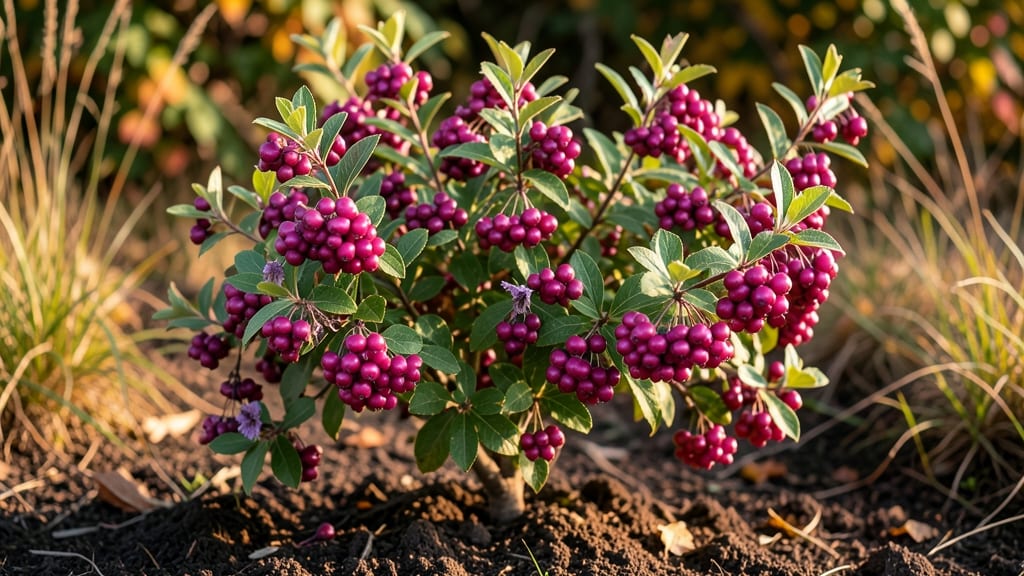
Your summer garden just got a vibrant new star—purple berries that hum with pollinators. 🌿 These trees aren’t just pretty; they’re the kind that make neighbors pause and ask, "What’s that?" while bees and butterflies flock to their branches.
The Elderberry (Sambucus canadensis) and American Beautyberry (Callicarpa americana) top the list, their deep purple clusters turning heads from July through September.
Picture this: sun-dappled shade where the air smells faintly sweet, and the berries glisten after rain. These trees thrive in full sun to partial shade, happy in almost any soil as long as it drains well.
Plant them near patios or walkways where you’ll brush past their velvety leaves—just be ready for compliments (and maybe a few berries to snack on if they’re edible).
Pair them with lavender, coneflowers, or Russian sage for a pollinator magnet that blooms all season. The contrast of purple berries against silver foliage or golden grasses creates a stunning visual that feels like a secret garden.
Imagine your yard becoming the talk of the neighborhood—without lifting a finger after planting.
Perfect for small yards, pollinator-friendly landscapes, or cottage-style gardens, these trees bring effortless elegance. Let’s make your summer garden the envy of everyone who walks by—one berry cluster at a time.
The Science Behind Summer’s Purple Berries
If you’ve ever spotted a tree bursting with vibrant purple berries in summer and wondered why they appear when most trees are still in leaf or flower, the answer lies in a mix of biology, timing, and environmental cues.
These berries aren’t just a splash of color—they’re a strategic survival tactic. Let’s break down the key reasons behind their summer emergence, from pollinator partnerships to plant chemistry.
Many trees produce berries in summer because their flowers were pollinated earlier in the season. Unlike spring-blooming trees (which often fruit in fall), these summer berries come from flowers that opened in late spring or early summer. Here’s how it works:
- Delayed Ripening: Some trees, like Callicarpa (Beautyberry) or Viburnum, set fruit after pollinators—such as bees, butterflies, and hummingbirds—visit their flowers. The berries take weeks to mature, turning purple just as summer peaks.
- Nectar vs. Fruit Incentives: Early flowers may offer nectar, but summer berries act as a "reward" for pollinators who helped fertilize them. The bright purple hue signals ripeness, luring birds and insects to disperse seeds.
- Actionable Tip: If you’re designing a pollinator garden, plant trees like Lagerstroemia (Crape Myrtle) or Cornus (Dogwood) near flowering perennials. The sequence of blooms ensures continuous pollinator activity, leading to more berries!
Summer’s warmth and long daylight hours accelerate berry development. Trees evolved to time their fruit production with optimal growing conditions:
- Photosynthesis Boost: Increased sunlight in summer fuels faster sugar production in the berries, intensifying their color. Chlorophyll breaks down as pigments like anthocyanins (the compounds responsible for purple hues) take over.
- Temperature Sensitivity: Some trees, like Nyssa sylvatica (Black Tupelo), need warm temperatures to trigger berry ripening. Cooler springs can delay this process, while hot summers speed it up.
- Pro Tip: If your tree’s berries seem slow to color, ensure it’s in a sunny spot (6+ hours of direct light daily). Partial shade may reduce anthocyanin production, keeping berries green or dull.
Not all trees produce berries in summer—it’s often a species-specific adaptation. Some trees are hardwired to fruit during this season for ecological or evolutionary reasons:
| Tree Species | Why Summer Berries? | Pollinator/Bird Benefit |
|---|---|---|
| Callicarpa bodinieri (Beautyberry) | Evolved to fruit late to avoid early-season pests and provide food when other sources are scarce. | Hummingbirds, bees, and later, birds like robins. |
| Viburnum opulus (Cranberry Bush) | Berries ripen in summer to coincide with migrating birds’ stopover needs. | Warblers, thrushes, and insects. |
| Ilex verticillata (Winterberry) | Usually fruits in fall, but some cultivars (like ‘Red Sprite’) produce summer berries for extended pollinator support. | Bees, wasps, and winter birds. |
✨ Fun Fact: Some trees, like Pyracantha (Firethorn), produce berries twice a year—once in summer and again in fall—thanks to staggered flowering cycles.
Berry color and timing can also hinge on water availability and soil health:
- Drought Stress: Surprisingly, mild water stress in summer can enhance anthocyanin production, deepening purple hues. However, extreme drought may cause berries to drop prematurely.
- Soil pH and Nutrients: Acidic soils (pH 5.0–6.5) often yield more vibrant berries in trees like Vaccinium (Blueberry). A soil test can reveal if your tree needs iron or phosphorus for optimal fruit development.
- Mulching Matters: Apply 2–3 inches of organic mulch (like wood chips) around the base to retain moisture and regulate soil temperature, supporting steady berry growth.
Understanding these triggers helps you encourage more berries in your garden. Whether it’s attracting the right pollinators, optimizing sunlight, or tweaking soil conditions, summer’s purple berries are nature’s way of turning your yard into a pollinator paradise.
Revitalizing Your Vibrant Berry Tree
Transforming your landscape into a thriving pollinator haven with a tree bearing purple berries in summer starts with addressing common challenges—whether it’s pest issues, nutrient deficiencies, or environmental stressors.
Below, we’ve mapped out practical solutions tailored to each problem, ensuring your tree stays lush, productive, and a magnet for bees, butterflies, and birds.
Cause: Aphids, spider mites, or fungal infections (like powdery mildew) can drain your tree’s energy and stunt berry production. Fix:
- 🔍 Inspect leaves & stems weekly for signs of pests (sticky residue, webbing, discolored spots) or disease (white powder, black spots).
- 💦 Spray with neem oil (1 tsp per quart of water) or insecticidal soap to deter soft-bodied pests. Reapply every 5–7 days until infestations clear.
- 🌿 Encourage beneficial insects like ladybugs or lacewings by planting companion flowers (e.g., marigolds, yarrow) nearby.
- 🌡️ Prune infected branches in dry conditions (use sterilized shears) to prevent spread. Dispose of clippings in sealed bags.
💡 Prevention Tip:
- 🌧️ Water at the base (not overhead) to reduce fungal spores splashing onto leaves. Early morning watering minimizes humidity buildup.
Cause: Poor soil quality, over/under-fertilization, or compacted roots can lead to sparse berries or yellowing foliage. Fix:
- 📊 Test your soil (DIY kits from garden centers work!) to check pH (ideal: 6.0–7.0) and nutrient levels.
- 🍄 Amend soil with:
- Organic matter: Compost or well-rotted manure (2–3 inches mixed into topsoil).
- Slow-release fertilizer: Use a balanced 10-10-10 or citrus-specific formula in early spring (follow label rates).
- 🌿 Mulch heavily (3–4 inches of wood chips or pine straw) to retain moisture and suppress weeds. Keep mulch 6 inches away from the trunk to avoid rot.
- 💧 Deep-water 1–2 times per week during dry spells (1 inch of water per week). Use a soaker hose for efficient absorption.
💡 Prevention Tip:
- ✨ Avoid synthetic fertilizers in summer heat—they can burn roots. Stick to liquid seaweed extracts for a gentle boost.
Cause: Heatwaves, drought, or improper pruning can weaken your tree, reducing berry yield. Fix:
- 🌿 Provide afternoon shade (e.g., temporary shade cloth) if your tree is in a scorching spot. Native trees like Elderberry (Sambucus) or Virginia Creeper handle heat better.
- 🔪 Prune strategically in late winter/early spring to:
- 🌿 Open the canopy for airflow (remove crossing branches or deadwood).
- 🍃 Thin out 20% of dense growth to redirect energy to berry production.
- 💧 Install a drip irrigation system if your tree is in a low-rainfall area. Automated timers prevent over/under-watering.
💡 Prevention Tip:
- 🌡️ Monitor soil temperature—if it’s above 85°F, water daily in shallow sessions (10–15 minutes) to cool roots.
Cause: Over-pruning, lack of sunlight, or insufficient pollinators can limit fruit set. Fix: - ☀️ Ensure 6+ hours of sunlight daily.
If shaded, transplant to a sunnier location (best done in fall or early spring). - 🐝 Attract pollinators by planting native wildflowers (e.g., bee balm, coneflowers) within 50 feet of your tree. - 🍓 Hand-pollinate if needed: Gently brush a soft paintbrush over flowers to transfer pollen (early morning is best). - 🍃 Avoid heavy nitrogen fertilizers—they promote leafy growth over fruit.
Opt for phosphorus-rich fertilizers (e.g., bone meal) in late spring to boost flowering.
💡 Prevention Tip:
- 🎯 Space trees 15–20 feet apart to prevent competition for nutrients and sunlight.
If your tree shows sudden wilting, oozing sap, or widespread leaf drop, act fast: 1. 🚨 Check for borers (tunnel under bark—look for sawdust-like frass). Treat with beneficial nematodes or baited traps.
- 💧 Soak the root zone with 5 gallons of water and apply mycorrhizal fungi (found in garden centers) to revive roots.
- 🌿 Consult a local arborist if issues persist—some diseases (like Verticillium wilt) require systemic fungicides.
Final Thought: A purple-berried tree in summer isn’t just about aesthetics—it’s a living ecosystem. With these fixes, your tree will not only thrive but also support local wildlife for years to come. Start with one or two solutions this season, and watch your garden transform! 🌿🐝
Frequently asked questions
Which trees produce the most striking purple berries in summer?
The American Beautyberry (Callicarpa americana) is a top pick with its dramatic clusters of deep purple berries that last from July through October. Other standouts include Elderberry (Sambucus canadensis), Crape Myrtle (Lagerstroemia), and Viburnum varieties like 'Crimson Beauty'. These trees thrive in full sun to partial shade and add year-round interest with their foliage and berries.
Are purple berries from these trees safe for birds and pollinators?
Most summer berries are non-toxic and provide vital food for birds, bees, and butterflies. The Beautyberry and Elderberry are particularly beloved by robins, cardinals, and hummingbirds. Just avoid Pyracantha berries—they're toxic to humans but safe for wildlife. Always research your specific tree species before planting.
Can I grow these trees in containers or small spaces?
Many purple-berried trees adapt well to containers, especially dwarf varieties like 'Dwarf Beautyberry (Callicarpa dichotoma 'Issai') or 'Little Henry' Crape Myrtle. Use a large pot (at least 20 gallons) with drainage holes and well-draining soil. These container trees work beautifully on patios or balconies, though they may produce slightly smaller berry clusters than their full-size counterparts.
How do I encourage more vibrant purple berries?
For the deepest purple hues, ensure your tree gets 6+ hours of sunlight daily and moderate watering (1 inch per week). A light layer of mulch helps retain moisture while preventing soil-borne diseases. Prune in late winter to open the canopy for better air circulation, and avoid heavy nitrogen fertilizers which promote leaf growth over fruit production.
Are any of these purple berries edible for humans?
Yes! Elderberries are edible when fully ripe (cooked) and make delicious jams, syrups, or wines. However, they're toxic raw. Beautyberries are not typically eaten by humans—they're ornamental and bitter. Always verify edibility before consuming any wild berries, and consult local foraging guides to avoid look-alikes that may be toxic.