
Pruning
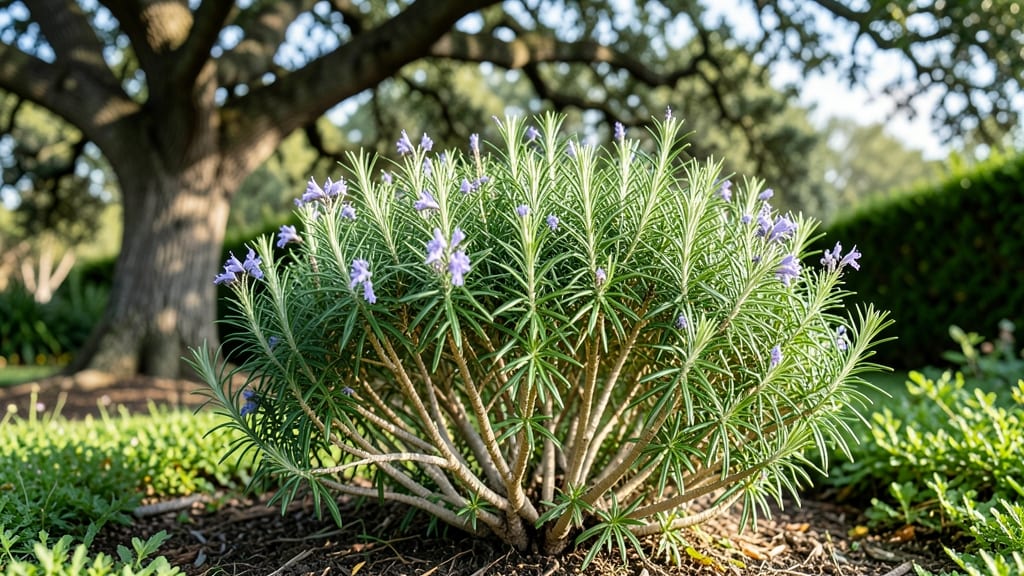
That rosemary cone tree care in your kitchen isn't just decor—it's a fragrant, edible masterpiece. 🌿 I've shaped mine into a lush, bushy tree that fills my home with piney scent and fresh herbs year-round, and the secret lies in precise pruning that encourages dense growth while maintaining that perfect cone shape.
Start with a healthy rosemary plant (Upright varieties work best) and trim back one-third of the new growth every 4-6 weeks during spring and summer. The key is cutting just above a leaf node at a 45-degree angle—this encourages branching while keeping the tree compact.
Overwinter, reduce watering and prune lightly to prevent legginess.
You'll end up with a vibrant, bushy tree that smells amazing and produces fresh sprigs for cooking. The foliage stays dark green and dense, and the shape remains tight and elegant—no more scraggly stems or bare spots. Even the tips stay fresh and aromatic, not brown and crispy.
Works for both indoor and outdoor rosemary trees, though indoor versions need bright light (a south-facing window or grow lights). The same technique keeps them thriving in containers or garden beds. Here's how to master the pruning rhythm!
📚 In This Guide
- What you need
- Instructions
- Tips and common mistakes
- Wrapping up and next steps
What you need
- ● Pruning shears: Bypass pruners (sharp, clean, and sterilized with rubbing alcohol or bleach solution) – 1 pair.
- ● Hand pruners: For smaller branches (¼-inch diameter max) – 1 pair.
- ● Gloves: Heavy-duty gardening gloves (rosemary can be prickly!) – 1 pair.
- ● Disinfectant: 1 part bleach to 9 parts water (for sterilizing tools between cuts).
- ● Rake or broom: To clear fallen debris after pruning.
- ● Loppers: For thicker branches (½-inch diameter), if your rosemary has grown large.
- ● Horticultural oil: To treat any fungal issues on cuts.
- ● Mulch: Organic mulch (like straw or pine needles) to protect the base after pruning.
- ● Pruning saw: Only needed for very mature, woody stems.
- ● Notebook & pen: To jot down pruning notes (e.g., "pruned in March—new growth by May!" 📝).
Step-by-step guide to pruning your rosemary cone tree
Here's how to shape your rosemary into a lush, fragrant cone shape that stays compact and thrives year-round.
✂️ Step 1: Time Your Pruning for Optimal Growth
Prune your rosemary cone tree in early spring just as new growth begins, or again in late summer after the first flush of blooms. Avoid pruning in winter—rosemary is semi-dormant then and won't respond well. I always check for fresh, pale green growth at the tips; that's my cue it's ready for shaping.
Never cut into old, woody stems—they won't regrow. Focus on the soft, flexible new growth at the tips of branches. If you wait until late spring, you'll miss the first growth surge, and your tree will grow leggy before you can shape it.
🌿 Step 2: Shape the Tree with Precision Cuts
Start by identifying the central leader—the main upright stem that forms the cone's vertical axis. Trim this stem back by 1/3 to 1/2 its length to encourage branching. Use sharp, clean pruners to make cuts at a 45-degree angle just above a leaf node or bud.
For the sides, cut back branches that grow outward or downward to maintain the cone shape. Aim to create a tapered silhouette—wider at the base, narrower at the top. I like to step back every few cuts to visualize the shape. If a branch is growing too long, trim it back to where it naturally branches out.
✂️ Step 3: Encourage Bushiness with Strategic Trimming
After shaping the main structure, focus on the lower third of the tree where branches are densest. Cut back some of the longest stems to encourage new growth from lower buds. This creates a fuller base and prevents the tree from looking sparse at the bottom.
Watch for overcrowded branches—these compete for sunlight and nutrients. Thin out a few stems entirely if they're growing directly against others. I usually remove 1-2 stems per cluster to improve airflow and reduce disease risk. The goal is a balanced, open structure that still feels lush.
☀️ Step 4: Maintain Growth and Fragrance Year-Round
After pruning, place your rosemary in a spot with full sun (6+ hours daily). Well-pruned trees need bright light to recover quickly. Water deeply but infrequently—rosemary hates soggy roots. Let the soil dry out completely between waterings; I check by sticking my finger 2 inches deep into the soil.
Pinch back any new growth that appears longer than 3 inches during the growing season to maintain the cone shape. This keeps the tree compact and encourages dense foliage. Harvest sprigs occasionally for cooking, but never take more than 1/3 of the plant's growth at once—this stimulates bushier regrowth.
Tips & tricks for perfect rosemary cone tree pruning
Here's what nobody tells you about keeping your rosemary lush and fragrant all year—these are the secrets that separate a scraggly bush from a showstopping, aromatic centerpiece.
Growth Timing Secret: The early spring pruning window is your best shot at shaping rosemary without stressing the plant. I've learned this the hard way—pruning too late in spring means you're playing catch-up with leggy growth that's already established. Look for those pale green tips emerging in early spring as your cue. For late summer pruning, wait until after the first flush of blooms (usually mid-to-late August in most climates) so you're not cutting off potential flowering stems that could produce seeds for next year's growth.
The Technique That Changed Everything: When making your 45-degree cuts in Step 2, position your pruners just above a leaf node or bud—this is where new growth will emerge. I've made the mistake of cutting too close to the bud, which can leave a stub that won't regrow properly. Also, always cut at the node rather than pulling branches, which can tear the bark and create entry points for disease. For thicker stems, make two cuts: the first to notch the underside, then a second to complete the cut cleanly without crushing the stem.
Pruning Precision: That tapered silhouette in Step 2 isn't just aesthetic—it's functional. The wider base captures more sunlight for the entire plant, while the narrower top prevents shade from blocking light to the lower branches. I use a simple trick: hold your pruners at arm's length and step back frequently to check the overall shape. You'll notice how the light reveals uneven areas that need attention. For mature trees, you might need to remove entire branches that are growing at odd angles—this might seem drastic, but it's better than struggling with a lopsided shape later.
Year-Round Maintenance: The 6+ hours of daily sun requirement is non-negotiable, but here's what I do when summer heat becomes intense: move potted rosemary to partial shade during peak afternoon sun (2-5 PM) to prevent leaf scorch. In containers, I also check the soil moisture more frequently—rosemary in pots dries out faster than in-ground plants. The "never take more than 1/3 of the plant's growth" rule applies to both pruning and harvesting. I've found that harvesting sprigs from the outer edges encourages new growth inward, maintaining that perfect cone shape while providing fresh herbs for cooking.
Pro Tips for Rosemary Cone Tree Care
- Here's what nobody tells you about keeping your rosemary lush and fragrant all year—these are the secrets that separate a scraggly bush from a showstopping, aromatic centerpiece.
- Growth Timing Secret: The early spring pruning window is your best shot at shaping rosemary without stressing the plant.
- The Technique That Changed Everything: When making your 45-degree cuts in Step 2, position your pruners just above a leaf node or bud—this is where new growth will emerge.
Frequently asked questions
Got questions about keeping your rosemary cone tree thriving?
Here are answers to the most common concerns—from pruning timing to troubleshooting woes—so you can enjoy lush, fragrant growth all year!
When is the best time to prune a rosemary cone tree?
Prune your rosemary cone tree after flowering (late spring to early summer) to encourage new growth. Avoid heavy pruning in winter—rosemary is semi-evergreen but can get frost-sensitive. For shaping, light trims in early spring work too! Just never cut more than 1/3 of the plant at once to avoid stress.
How do I prune a rosemary cone tree to keep it bushy?
Use sharp pruners to trim just above a leaf node (where leaves meet the stem) at a 45° angle. Focus on the outer growth to encourage inward branching. For a "cone" shape, gradually taper pruning upward over time. Deadhead spent flowers to redirect energy to foliage growth.
Can I prune rosemary in hot or cold weather?
Wait for mild temperatures—avoid pruning during heatwaves (above 90°F) or frost (below 20°F). Rosemary is drought-tolerant but stressed plants heal slower. Early morning or late afternoon pruning in warm seasons minimizes shock. If you must prune in winter, do so on a dry, sunny day to prevent fungal issues.
Why is my rosemary cone tree turning brown after pruning?
Brown tips or stems usually mean over-pruning, underwatering, or sunburn. Check soil moisture (rosemary hates soggy roots!) and ensure it gets 6+ hours of sun daily. If pruned too hard, trim back only healthy green growth next time. For severe browning, reduce water slightly—rosemary often recovers once stressed conditions ease.
What can I do if my rosemary cone tree looks leggy?
Leggy rosemary needs more light and strategic pruning. Move it to a sunnier spot immediately. Then, cut back 1/3 of the longest stems just above a leaf node. For indoor plants, supplement with a grow light 12–14 hours/day. Over time, this encourages compact, bushy growth and denser foliage.
Pro Tip:
Save your rosemary trimmings! Dry the stems and use them as fragrant potpourri or infuse in oils. Just avoid woody stems—they’re less aromatic.
Wrapping up and next steps
Caring for your rosemary cone tree is all about balancing pruning, sunlight, and patience—and the rewards are well worth it! With the right techniques, you’ll enjoy lush, fragrant foliage and a stunning, bushy shape year-round. 🌿✨
Ready to take the next step? Schedule your first pruning session during early spring or after flowering to encourage healthy growth. Grab your tools, follow the steps, and enjoy the aromatic beauty of your thriving rosemary cone tree!