
Pruning
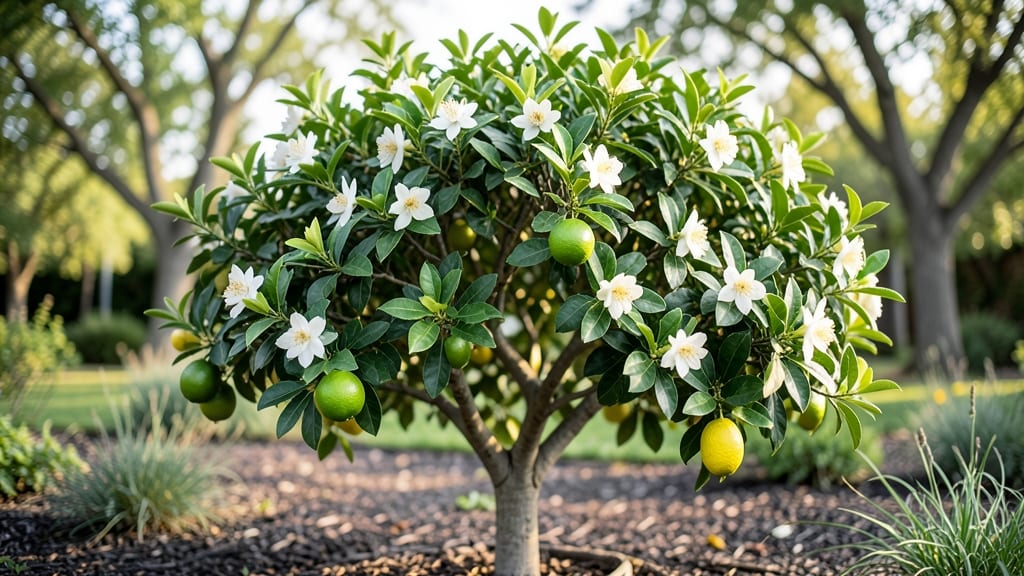
Growing lime trees thrives best in USDA zones 9-11, where they bask in warm winters and hot summers without frost damage. 🌿 I’ve watched my Persian lime tree explode with fruit after moving it from a chilly balcony to a sheltered patio—now it’s loaded with bright green fruit year-round.
The key isn’t just the zone, though; it’s about matching your tree’s needs to your microclimate, whether that’s a sunny backyard or a large container on a porch.
Lime trees hate cold snaps—they’ll drop leaves and fruit below 28°F, and some varieties (like key limes) are even more sensitive. Persian limes are the toughest, handling brief dips to 25°F, while Meyer limes (a hybrid) can stretch into zone 8 with winter protection.
If you’re outside those zones, containers let you move trees indoors or into garages during frost. Well-draining soil with a slightly acidic pH (6.0-7.0) keeps roots happy, and regular watering prevents the fruit from becoming bitter.
Pruning isn’t just about shape—it’s about health. In spring, trim back winter-damaged branches and thin crowded growth to improve airflow. Summer pruning encourages new shoots for next year’s fruit, while fall cleanup removes any diseased wood.
My tree now produces three harvests a year because I prune after each flush of blooms, and the branches stay strong enough to hold the weight of those heavy limes.
For cooler climates, dwarf varieties like ‘Improved Meyer’ stay manageable in containers, while standard trees need 15-20 feet of space outdoors. If you’re in zone 8 or higher, plant near a south-facing wall for extra warmth.
And if you’ve ever tasted a homegrown lime straight off the tree? That’s the real reward—juicy, sweet, and impossible to find in stores.
📚 In This Guide
- What you need
- Instructions
- Tips and common mistakes
- Wrapping up and next steps
What you need
- ● Pruning shears: Bypass pruners (sharp, clean, and sterilized with rubbing alcohol to prevent disease) – 1 pair.
- ● Loppers: For thicker branches (1/4"–1" diameter) – 1 pair.
- ● Pruning saw: For branches >1" in diameter – 1 small handsaw.
- ● Garden gloves: Heavy-duty, cut-resistant (to protect from thorns and sap) – 1 pair.
- ● Disinfectant: 70% isopropyl alcohol or a commercial pruning sealant – small bottle.
- ● Heavy-duty trash bags: For collecting pruned branches – 2–3 bags.
- ● Lime tree fertilizer: Slow-release, citrus-specific (e.g., Espoma Citrus-Tone) – 1 bag.
- ● Mulch: Organic (e.g., wood chips or straw) – 2–3 inches (spread post-pruning).
- ● Extension pole: For high branches (3–6 ft) – 1 adjustable pole.
- ● Tree wound dressing: Pruning paste (e.g., Tanglefoot Tree Wound Pruning Seal) – small tube.
- ● Spray bottle: With water to rinse tools between cuts – 1 small bottle.
- ● Notebook & pen: To track pruning dates and notes on tree health.
- ● Safety glasses: For debris-prone areas.
Instructions for pruning lime trees year-round
Here's my foolproof approach to shaping your lime tree while keeping it productive and pest-free.
✂️ Step 1: Assess Your Tree's Structure and Seasonal Needs
Start by examining your lime tree's growth patterns—look for crossing branches that rub together, dead or diseased limbs, and water sprouts growing vertically from the trunk or main branches. These are your first targets. In winter (dormant season), you can do heavy pruning since the tree isn't actively growing, while spring and summer require light maintenance to encourage fruiting and airflow.
Use a sharp bypass pruner for branches over ½ inch thick and hand pruners for smaller growth. Sterilize your tools with rubbing alcohol between cuts to prevent spreading disease. I like to sketch a rough map of the tree's structure before cutting—this helps visualize the final shape and prevents over-pruning.
✂️ Step 2: Remove Dead, Diseased, and Problematic Branches
Begin with dead or diseased wood, which appears brown, brittle, or hollow inside. Cut back to the collateral bud (a side bud just below the branch collar) to encourage new growth. If a branch is too large to cut cleanly, make three cuts: first undercut the branch about 6 inches from the trunk, then top-cut it 2 inches further out, and finally remove the stub. This prevents tearing.
Next, tackle crossing branches—these rub together and create wounds where pests or disease can enter. Remove the weaker of the two branches, cutting at the branch collar. For water sprouts (fast-growing vertical shoots), cut them off at the base—they drain energy from fruiting and weaken the tree's structure.
☀️ Step 3: Thin the Canopy for Light and Airflow
Step back and assess the tree's sun exposure—lime trees need 6-8 hours of direct sunlight daily for optimal fruit production. Thin the canopy by selectively removing branches that block light from reaching the inner foliage. Aim to create an open, vase-like shape, allowing sunlight to penetrate to the center of the tree. This also improves air circulation, reducing humidity-related diseases like anthracnose or citrus canker.
Focus on suckers (shoots growing from the base) and overcrowded branches—these compete for nutrients. Cut these back to the main trunk or scaffold branches using a clean, angled cut just above a bud or leaf node. Avoid leaving stubs, as they can rot and invite pests.
⏰ Step 4: Time Pruning for Fruit Production and Seasonal Growth
For heavy pruning, wait until late winter or early spring (just before new growth begins). This encourages strong, vigorous growth and sets the stage for summer fruiting. In late spring, do light pruning to shape the tree and remove any shoots that grew too fast—these often produce small, poor-quality fruit. Summer pruning should be minimal, focusing only on dead wood or diseased branches to avoid stressing the tree before harvest.
After harvesting limes in fall, do light maintenance pruning to tidy up the tree and remove any damaged or spent branches. Avoid heavy cuts in fall, as new growth won’t harden off before winter. If your lime tree is young (under 3 years old), focus on structural pruning to establish a strong framework of scaffold branches before worrying about fruit yield.
🌿 Step 5: Post-Pruning Care for a Healthy Tree
After pruning, water deeply to help the tree recover, especially if you’ve made large cuts. Apply a balanced citrus fertilizer (with equal NPK ratios) to support new growth. I like to mulch around the base with 2-3 inches of organic mulch (like wood chips) to retain moisture and regulate soil temperature. Keep the mulch 6 inches away from the trunk to prevent rot.
Monitor the tree for new growth in the weeks following pruning—healthy limbs will sprout green, glossy leaves within 4-6 weeks. If you notice yellowing leaves, wilting, or dieback, it could signal over-pruning, disease, or pest stress. In that case, adjust your approach for the next season—lime trees are resilient, but they hate being stripped too aggressively.
Tips & tricks for pruning lime trees like a pro
These battle-tested strategies will help you prune with precision while keeping your citrus tree thriving year after year.
Seasonal Timing Secret: The late winter/early spring heavy pruning window (just before new growth) is non-negotiable for vigorous summer fruiting. I've learned this the hard way—pruning too early in winter can leave your tree vulnerable to cold damage, while waiting too late risks encouraging weak, fast-growing shoots that produce poor-quality fruit. For mature trees, mark your calendar for February-March in most climates, adjusting slightly for your specific frost dates.
Branch Cutting Technique: When removing larger branches (over ½ inch thick), the three-cut method prevents tearing and creates cleaner wounds that heal faster. Start your undercut about 6 inches from the trunk at a slight downward angle—this is where most pruning mistakes happen. The top-cut should be 2 inches further out, and the final stub removal should leave no more than ¼ inch. I keep a small notepad by my tools to sketch each branch's position before cutting; this visual reference prevents over-pruning and helps maintain your desired tree shape.
Equipment Upgrade: Invest in a quality bypass pruner for clean cuts on branches over ½ inch thick—anvil pruners crush rather than cut, which can damage the branch collar. Sterilize your tools between cuts using rubbing alcohol (70% is ideal) to prevent spreading disease. I've seen citrus canker spread rapidly between trees when unsterilized tools were used, so this simple step saves countless hours of cleanup later. For large branches, consider a folding pruning saw with a fine-toothed blade for clean, precise cuts.
Canopy Light Assessment: After pruning, stand back and visualize sunlight penetration—your goal should be an open vase shape that allows 6-8 hours of direct sunlight to reach all foliage. Use a small mirror or reflective surface to check hard-to-see areas. I've found that removing just 10-15% of the canopy can dramatically improve fruit production by increasing sunlight exposure. Focus on branches that block light from reaching the center, as these often become disease hotspots due to poor airflow.
Pro Tips for Lime Tree Zone
- These battle-tested strategies will help you prune with precision while keeping your citrus tree thriving year after year.
- Seasonal Timing Secret: The late winter/early spring heavy pruning window (just before new growth) is non-negotiable for vigorous summer fruiting.
- Branch Cutting Technique: When removing larger branches (over ½ inch thick), the three-cut method prevents tearing and creates cleaner wounds that heal faster.
Frequently asked questions
Got questions about keeping your lime tree in tip-top shape? You’re not alone! Here are answers to the most common queries about pruning in the lime tree zone—whether you’re a newbie or a seasoned gardener.
When is the best time to prune a lime tree?
The ideal time to prune lime trees is late winter or early spring (just before new growth starts), but you can also do light pruning after harvest to improve airflow. Avoid heavy pruning in fall—it can stimulate tender new growth vulnerable to cold. For tropical lime varieties, prune year-round but focus on shaping after storms or pests.
How much can I prune my lime tree without harming it?
Lime trees are resilient, but never remove more than 25% of the canopy in one session. Heavy pruning stresses the tree and can reduce fruit production. For young trees, limit cuts to dead, diseased, or crossing branches. Mature trees benefit from gradual shaping—aim for 10-15% annual pruning for balance.
What tools should I use to prune a lime tree safely?
Use sterilized, sharp tools to prevent disease:
- Hand pruners for small branches (¼”–¾” thick).
- Loppers for medium branches (¾”–2” thick).
- Pruning saw for thick branches (2”+).
- Disinfectant (rubbing alcohol or bleach solution) to clean tools between cuts.
Will pruning my lime tree affect fruit production?
Pruning can boost fruit quality by improving sunlight and airflow, but over-pruning reduces harvests. Focus on:
- Removing dead or diseased wood first.
- Thinning crowded branches to open the canopy.
- Avoiding cuts near fruit clusters (prune after harvest if possible).
What if my lime tree isn’t flowering or fruiting after pruning?
Several factors could be at play:
- Age: Young trees (under 3 years) focus on growth, not fruit.
- Light: Lime trees need 6+ hours of sunlight daily.
- Nutrients: Test soil for nitrogen, phosphorus, and potassium—lack of P/K delays flowering.
- Pollination: Hand-pollinate with a small brush if bees are scarce.
Wrapping up and next steps
Mastering the art of pruning your lime tree in the Lime Tree Zone is your ticket to a thriving, fruit-bearing beauty year after year! 🌿 By following seasonal timing, sharp tools, and mindful techniques, you’ll encourage strong growth, abundant harvests, and a stunning shape.
Now that you’re armed with the know-how, roll up your sleeves and give your tree the care it deserves—your future lime harvests will thank you!
Ready to take action? Pick a sunny day, grab your pruners, and start pruning! Or, if you’re feeling inspired, explore advanced techniques to keep your lime tree at its best. Happy pruning! ✂️