
Pruning
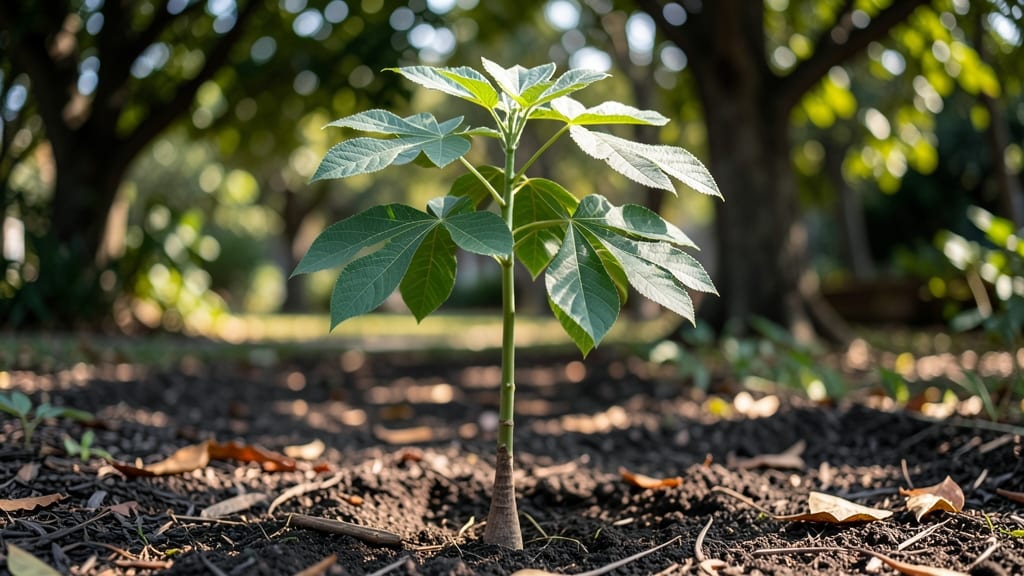
Your silk tree seedling could become a stunning, shade-providing giant—but only if you prune it right from the start. 🌿 I’ve watched these delicate seedlings transform into robust trees, and the secret lies in early shaping, not just letting them grow wild.
The first few cuts determine whether you end up with a leggy mess or a bushy, healthy specimen that thrives for decades.
Pruning silk trees (Albizia julibrissin) isn’t about harsh cuts—it’s about guiding growth. Start by removing any crossing branches or weak stems when they’re still small, and always cut just above a leaf node.
This encourages new, stronger branches to form. The goal? A balanced shape that catches sunlight from all sides, which keeps the foliage lush and the tree sturdy.
You’ll see the difference within weeks: instead of a single, spindly trunk, your seedling will develop a fuller canopy with vibrant pink blooms come summer. The key is consistency—prune lightly every 4-6 weeks during the growing season, and avoid heavy cuts that stress young plants.
Even a black thumb can’t kill these if you follow this simple routine.
This method works for container-grown silk trees too, making it perfect for urban gardens or small yards. Just use slightly smaller pruning shears and adjust the schedule to match your plant’s growth pace. Let’s get those seedlings shaped for a lifetime of beauty.
📚 In This Guide
- What you need
- Instructions
- Tips and common mistakes
- Wrapping up and next steps
What you need
- ● Pruning shears: Bypass pruners (for small branches, sharp and clean—think blank">Felco F-2 or similar). 1 pair.
- ● Loppers: For thicker branches (½"–1.5" diameter). 1 pair (e.g., blank">Fiskars X27).
- ● Hand saw: For stubborn, woody stems (7"–10" curved blade). 1.
- ● Disinfectant: 70% isopropyl alcohol or blank">pruning sealant (to prevent disease). Small bottle.
- ● Gloves: Heavy-duty gardening gloves (protects from thorns and sap). 1 pair.
- ● Rag or paper towels: For wiping tools between cuts. 2–3.
- ○ Permanent marker: For marking cuts (optional but helpful for beginners). 1.
- ● Pruning paint/sealant: For large cuts (>½") to prevent decay (e.g., blank">Tanglefoot Tree Wound Pruning Sealer).
- ● Extension pole: If your silk tree is tall (3–6 ft pole with pruners).
- ● Trash bags: For collecting clippings (silk trees shed fast!).
- ● Safety glasses: If dealing with dry, brittle branches (sap can fly!).
Step-by-step guide to pruning your silk tree seedling
Here’s how I transform leggy silk tree seedlings into lush, healthy trees with just a few simple cuts.
✂️ Step 1: Identify the Right Time to Prune
Prune your silk tree seedling in early spring before new growth begins or in late winter when the tree is still dormant. This timing ensures you’re not removing buds that could become flowers or new leaves. Look for bare branches or areas where growth is sparse—these are your first targets. I always wait until the weather warms slightly above 50°F to avoid shocking the plant with cold temperatures.
If you missed the dormant season, you can still prune in early summer after the tree has finished flowering. Just avoid heavy pruning during the hottest months—July and August—when the tree is stressed. Watch for fresh, green growth to confirm the tree has entered its active growing phase before making any cuts.
✂️ Step 2: Sterilize Your Tools and Locate Key Growth Points
Before you make a single cut, sterilize your pruning shears with rubbing alcohol or a 10% bleach solution to prevent spreading disease. Silk trees are sensitive to infections, so clean tools are non-negotiable. I like to wipe down the blades between cuts on different branches to keep everything sanitary.
Next, find the buds or nodes along the branches—these are the small bumps where leaves or new growth will emerge. Prune just above a bud that faces the direction you want growth to go. For a bushier tree, aim for buds that point outward rather than inward. If you’re unsure, look for the small leaf scars near the base of branches—they mark where new shoots can sprout.
✂️ Step 3: Make Precision Cuts for Healthier Growth
Start by removing any dead, diseased, or crossing branches first. These compete for nutrients and can weaken the tree. Make your cuts at a 45-degree angle, about ¼ inch above a bud or node. This angle helps water run off the cut and prevents rot. Avoid leaving stubs—clean cuts heal faster and reduce the risk of infection.
For shaping, focus on thinning out rather than shearing. Remove one-third of the oldest growth each year to encourage new, vigorous shoots. You’ll see the tree fill out more evenly, and the branches will become stronger. If a branch is too thick for shears, use a pruning saw—but only if necessary. Over-pruning with a saw can damage the tree’s structure.
✂️ Step 4: Encourage Bushier Growth with Strategic Trimming
To promote bushiness, prune the tips of the main branches to stimulate lateral growth. Cut just above a leaf node where you want a new branch to form. Silk trees respond well to this technique, and you’ll notice new shoots emerging within 4-6 weeks. Avoid cutting into the main trunk unless it’s absolutely necessary—this can stress the seedling.
After pruning, give the tree a light watering to help it recover. The roots will work harder to support the new growth, so keep the soil moist but not soggy for the next 2-3 weeks. You’ll know you’ve done it right when you see compact, dense foliage replacing the leggy growth within a season.
⏰ Step 5: Monitor and Maintain Through the Growing Season
Check your silk tree every 2-3 weeks during the growing season for any new growth or areas that need attention. If you notice yellowing leaves or weak branches, it could mean over-pruning or poor recovery. Adjust your watering or fertilize lightly with a balanced 10-10-10 formula to support regrowth.
By late fall, you’ll see the results of your pruning—a fuller, healthier tree. If any branches look overgrown again, plan a light maintenance prune in early spring. Consistency is key: prune annually to keep your silk tree thriving. With time, your seedling will transform into a sturdy, bushy tree that’s the envy of the neighborhood.
Tips & tricks for pruning your silk tree seedling
Here’s what nobody tells you about transforming leggy seedlings into thriving trees—details that make all the difference.
Timing is Everything: The 50°F minimum temperature isn't just a suggestion—it's a biological threshold. Silk trees are tropical and can't handle cold stress. If your spring arrives late, wait for that first warm spell before pruning. I've seen seedlings shocked by early pruning in 40°F weather, and it set back their growth by weeks. Check your local forecast for the first consistent stretch above 50°F before making cuts.
Tool Sanitation Secret: Beyond just wiping blades with rubbing alcohol, I keep a small spray bottle of diluted bleach solution (1 part bleach to 9 parts water) handy. After every 3-4 cuts, I give the shears a quick spray and wipe—this prevents cross-contamination between branches. For larger pruning jobs, I even soak my tools in the solution for 5 minutes between sessions. The extra effort keeps your tree healthier and prevents those frustrating fungal infections that can appear weeks after pruning.
Visual Growth Cues: Those 4-6 weeks for new shoots to appear might seem slow, but it's actually a good sign! Look for tiny bumps at the leaf nodes where you made cuts—these are the first signs of new growth. If you don't see any bumps within 3 weeks, your cut might have been too far from a bud. The key is making clean cuts just above outward-facing buds (about ¼ inch above). I always test my cuts by feeling for that slight bump—it's the tree's way of telling you where new life will emerge.
Recovery Watering: After pruning, the 2-3 weeks of moist-but-not-soggy soil is crucial for root recovery. I use a simple trick: water deeply enough that moisture reaches 6 inches down, then check with my finger. If the top inch feels dry, water again. This mimics natural rainfall patterns and prevents stress on the roots. Too much water can cause rot, while too little means the tree will struggle to support all that new growth you're encouraging.
Pro Tips for Silk Tree Seedling
- Here’s what nobody tells you about transforming leggy seedlings into thriving trees—details that make all the difference.
- Timing is Everything: The 50°F minimum temperature isn't just a suggestion—it's a biological threshold.
- Tool Sanitation Secret: Beyond just wiping blades with rubbing alcohol, I keep a small spray bottle of diluted bleach solution (1 part bleach to 9 parts water) handy.
Frequently asked questions
Got questions about pruning your silk tree seedling?
You’re not alone! Here are some of the most common concerns—plus quick, actionable answers to keep your tree thriving.
When is the best time to prune a silk tree seedling?
Prune your silk tree seedling in early spring (before new growth) or late winter. Avoid pruning in fall or winter, as cold stress can harm young trees. If you must prune in summer, do it early in the morning to reduce water loss. Pro tip: Wait until the seedling is at least 1–2 years old before heavy pruning.
How much can I trim off a silk tree seedling without harming it?
For young seedlings, remove no more than 15–25% of the foliage in a single session. Focus on dead, diseased, or crossing branches first. Over-pruning can stress the tree, so prioritize shaping over aggressive cuts. Watch for: Yellowing leaves or stunted growth—signs you’ve pruned too much.
Can I prune a silk tree seedling too much?
Yes! Over-pruning can weaken the seedling, making it susceptible to pests, disease, or even death. Stick to light shaping and avoid "topping" (cutting the main stem back drastically). If you’ve already over-pruned, reduce watering slightly and fertilize lightly to help recovery.
What if my silk tree seedling isn’t growing after pruning?
Slow growth after pruning is normal, but if the seedling stops growing entirely, check for:
- Light: Silk trees need 6+ hours of sunlight daily.
- Water: Keep soil moist but not soggy.
- Nutrients: Use a balanced fertilizer (10-10-10) in spring.
Are there alternatives to pruning for shaping a silk tree seedling?
If pruning feels risky, try training techniques instead:
- Tie branches gently to stakes to guide growth.
- Use pruning shears sparingly—focus on selective trimming of errant shoots.
- Thin out crowded branches to improve airflow (prevents disease).
Wrapping up and next steps
Growing a thriving silk tree seedling is all about patience, precision, and a little love! By mastering the art of pruning—like removing dead branches, shaping for airflow, and encouraging bushy growth—you’ll unlock a lush, healthy tree that’s the envy of any garden. 🌿✨
Ready to take your silk tree to the next level? Start small: grab your pruners, review your notes, and give those branches a trim this weekend. Every snip is a step toward a stronger, more vibrant tree—so roll up your sleeves and enjoy the process!