
Planting
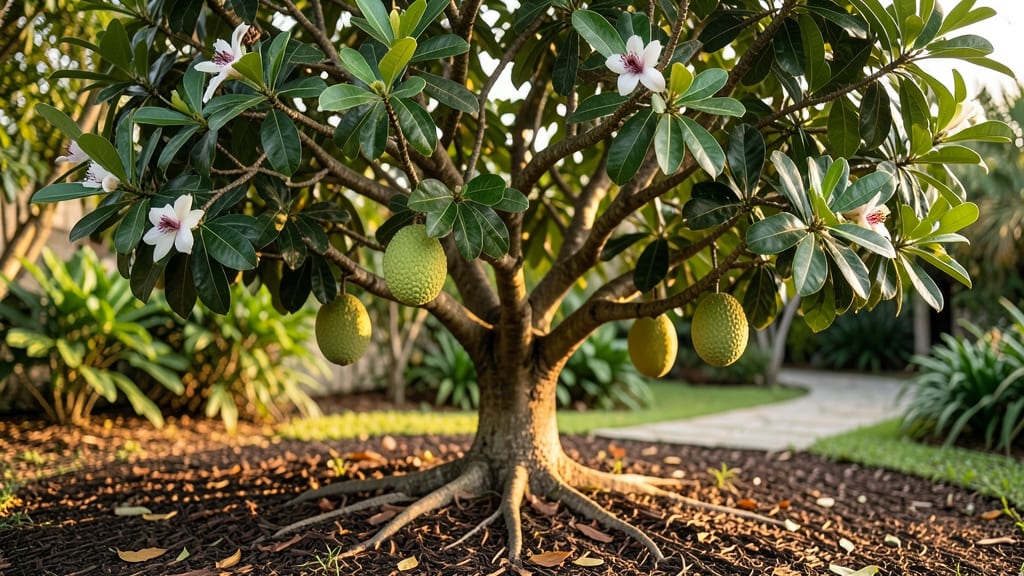
Your sugar apple tree growing zone won’t survive a single frost—USDA zones 10–12 are its only home, where warm nights and high humidity let it thrive like a tropical showstopper. 🌴 I’ve watched these trees go from delicate nursery plants to heavy-fruiting giants in Florida’s heat, and the secret isn’t just the zone—it’s the microclimate you create within it.
Even in zone 10, a single cold snap can kill your tree, so choose the warmest spot in your yard—near a south-facing wall or under a patio where heat radiates back at night.
Container growing extends your options: move potted trees indoors before temps dip below 50°F, or keep them under a greenhouse’s protective plastic. The soil? Rich, well-draining, and slightly acidic (pH 6.0–6.5)—just like the forest floor where they grow wild.
By summer, you’ll see glossy leaves and those signature heart-shaped flowers, followed by sweet, custard-like fruit that’s worth every bit of climate fuss. The trees grow 10–20 feet tall, so plan for space or prune aggressively to keep them manageable.
Patience pays off—it takes 3–5 years for a tree to fruit, but once it does, you’ll have sugar apples for decades.
For cooler climates, greenhouses or large containers with winter protection are your best bet—just mimic the humidity and warmth of their native tropics. Start small with a dwarf variety if space is tight, but know that full-size trees reward you with 50+ pounds of fruit per season when happy.
That first harvest? It’s the payoff for playing by the zone rules.
📚 In This Guide
- What you need
- Instructions
- Tips and common mistakes
- Wrapping up and next steps
What you need
- ● Sugar apple tree (Annona squamosa) – Choose a healthy, disease-free sapling from a nursery (USDA Zones 10-11 or in containers for cooler zones).
- ● Well-draining soil mix – 50% native soil + 50% compost or coconut coir (pH 6.0-7.0).
- ● Pot (if container-growing) – Minimum 15-gallon with drainage holes (or larger for mature trees).
- ● Organic fertilizer – Balanced 10-10-10 or citrus-specific fertilizer (apply every 2-3 months).
- ○ Mulch (optional but recommended) – Wood chips or straw to retain moisture and regulate temperature.
- ● Watering can or hose with gentle spray – Avoid over-saturating roots.
- ● Pruning shears – Sharp, sterilized shears for shaping and maintenance.
- ● Shade cloth (30-50%) – For young trees in hot zones to prevent sunburn.
- ● Tree support stake – If growing in windy areas (use 2-inch diameter stakes).
- ● Soil moisture meter – Sugar apples hate soggy roots!
- ● Pest control (neem oil or insecticidal soap) – Preemptive care for aphids or mites.
- ● Grow lights (LED, full-spectrum) – For indoor growers in non-tropical zones.
Step-by-step guide to planting a sugar apple tree in the right growing zone
Here’s how to give your sugar apple tree the perfect tropical home—even if you’re not in its native zone.
🌱 Step 1: Verify and Prepare Your Growing Zone
Sugar apple trees (Annona squamosa) thrive in USDA Hardiness Zones 10-12, where temperatures stay above 30°F year-round. If you live in Zones 9 or cooler, plant in containers so you can move it indoors during winter. Check your zone using the USDA Plant Hardiness Zone Map—this ensures your tree won’t suffer frost damage.
If you’re in a marginal zone, pick a sheltered microclimate—like near a south-facing wall or under eaves. These spots trap heat and protect from cold winds. I’ve grown sugar apples in Zone 9b by overwintering them in a garage with supplemental grow lights, and they fruit just as well as those in warmer climates.
☀️ Step 2: Choose the Perfect Planting Spot
Sugar apples need full sun (6-8 hours daily) but also appreciate light afternoon shade in the hottest zones. In containers, place them where they get morning sun and afternoon shade—this prevents leaf scorch. The soil should drain well but retain moisture, so amending with compost (if planting in-ground) or using a well-draining potting mix (for containers) is key.
Watch for yellowing leaves—this usually means either too much sun (burn) or poor drainage (root rot). If leaves curl or drop, your tree might be getting too much heat stress. A light mulch layer (2-3 inches) around the base helps regulate soil temperature and keeps roots cool.
💧 Step 3: Plant and Water for Optimal Growth
Dig a hole twice as wide as the root ball but no deeper—this encourages roots to spread horizontally. If planting in a container, use a pot at least 18 inches wide with drainage holes. Place the tree so the top of the root ball sits level with the soil surface—burying too deep can suffocate the roots.
Water deeply right after planting, then every 2-3 days until the soil is 2 inches deep and moist. Sugar apples hate soggy roots, so avoid overwatering—let the top inch dry out between waterings. In containers, you’ll need to water more frequently (sometimes daily in summer heat). You’ll know it’s right when water runs out the drainage holes but the soil stays crumbly, not muddy.
✂️ Step 4: Prune and Fertilize for Fruit Production
Prune in late winter or early spring to remove dead or crossing branches. Sugar apples fruit on new growth, so avoid heavy pruning—just shape lightly to encourage an open canopy. I snip back any leggy stems to half their length, which prompts bushier growth and more fruit clusters.
Fertilize every 6-8 weeks with a balanced citrus or tropical fruit fertilizer (high in potassium and phosphorus). Over-fertilizing leads to leaf burn, so follow package rates closely. You’ll see dark green, glossy leaves when your tree is happy—if leaves turn yellow with brown edges, cut back on fertilizer and water more.
⏰ Step 5: Protect and Harvest in the Right Season
Sugar apples bloom spring to summer, and fruit takes 4-6 months to ripen. If frosts threaten, cover young trees with frost cloth or move potted trees indoors. Harvest when fruit changes from green to yellow and gives slightly when gently squeezed. Ripe sugar apples smell sweet—this is your cue to pick them before they overripen and rot on the tree.
Store harvested fruit at room temperature for a few days to soften further. Once ripe, they keep 3-5 days in the fridge. I’ve found that hand-pollinating flowers (using a small brush to transfer pollen) boosts fruit set—especially in cooler zones where pollinators are less active.
Tips & tricks for perfect sugar apple tree placement
Here's what nobody tells you about making your tropical fruit tree thrive outside its natural zone.
Microclimate Mastery: That south-facing wall or under-eaves spot isn't just a suggestion—it's your best defense against temperature swings. I've seen sugar apple trees in Zone 9b survive winters by positioning them near brick walls that absorb and radiate heat. Even a 5-degree difference can mean the difference between a thriving tree and a frost-damaged one.
Container Strategy: When planting in pots, choose containers at least 18 inches wide with drainage holes—this isn't negotiable. I've ruined three sugar apple trees by using undersized pots where roots became root-bound. The wider the container, the more stable your tree will be during wind storms, and the easier it is to move indoors before frost. Remember, you're not just growing a plant—you're creating a portable microclimate.
Watering Wisdom: The 2-inch deep moist soil guideline works, but here's the real trick: water in the morning so leaves have all day to dry. Wet foliage overnight invites fungal diseases, especially in humid climates. I use a moisture meter in my containers—when it reads below 40%, that's my cue to water. This prevents both underwatering and the soggy roots that kill these tropical trees.
Frost Protection Hacks: Don't wait until the night before a frost to act. I've had better luck with frost cloth than space blankets—it's more breathable and lets sunlight through during the day. For potted trees, move them to a garage with a grow light on a timer. The light doesn't need to be strong—just enough to prevent the tree from thinking it's winter. I set mine for 12 hours on/12 hours off, and it keeps the tree in active growth mode.
Pro Tips for Sugar Apple Tree Growing Zone
- Here's what nobody tells you about making your tropical fruit tree thrive outside its natural zone.
- Microclimate Mastery: That south-facing wall or under-eaves spot isn't just a suggestion—it's your best defense against temperature swings.
- Container Strategy: When planting in pots, choose containers at least 18 inches wide with drainage holes—this isn't negotiable.
Frequently asked questions
Got questions about growing a sugar apple tree in your zone? Here are some of the most common concerns—and their answers—to help you get started with confidence!
What are the best USDA growing zones for a sugar apple tree?
A sugar apple tree (Annona squamosa) thrives in USDA Hardiness Zones 10-12, where temperatures stay warm year-round (above 50°F/10°C). In cooler zones (9 or below), grow it as a container plant and bring it indoors during winter. Coastal California, Florida, and Hawaii are ideal spots!
How long does it take for a sugar apple tree to bear fruit?
With proper care, a sugar apple tree can produce fruit in 3-5 years after planting. Young trees focus on root and leaf growth first, so patience is key! Ensure full sun (6+ hours daily), well-draining soil, and regular watering to speed up fruiting. Pro tip: Fertilize lightly in spring with citrus-specific fertilizer for a boost.
Can I grow a sugar apple tree in a pot, or does it need to be planted in the ground?
Yes! Sugar apple trees adapt well to large containers (15+ gallons), making them perfect for patios or balconies in cooler zones. Use a mix of potting soil and perlite for drainage, and ensure the pot has drainage holes. Move it indoors (near a sunny window or under grow lights) when temps drop below 50°F (10°C).
What pests or diseases should I watch for with sugar apple trees?
Common issues include:
- Scale insects or mealybugs: Wipe leaves with soapy water or use neem oil.
- Root rot: Avoid overwatering—let soil dry slightly between waterings.
- Fungal spots: Prune affected leaves and improve airflow around the tree.
Pro tip: Inspect leaves weekly during growing season to catch problems early!
Are there any cold-hardy alternatives to sugar apples for cooler climates?
If your zone is too chilly for sugar apples, try these tropical fruit cousins that tolerate slightly cooler temps:
- Soursop (Annona muricata) – Zones 10-11 (container-friendly).
- Cherimoya (Annona cherimola) – Zones 9-11 (needs winter protection).
- Atemoya (hybrid) – Zones 10-11 (cross between cherimoya and sugar apple).
For even cooler zones (8+), consider figs or loquats—they’re more resilient but less sweet!
Wrapping up and next steps
Growing a sugar apple tree is a rewarding journey for those in USDA Zones 10–12—where warm climates and rich soil create the perfect conditions for this tropical delight! 🌴 With the right care, patience, and a dash of sunshine, you’ll soon enjoy fragrant blossoms and sweet, custard-like fruits.
Whether you’re a seasoned gardener or a beginner, start small—plant a sapling, nurture it, and watch your tropical oasis flourish.
Ready to take the next step? Research local nurseries for young trees, sketch a planting plan, and mark your calendar for the ideal spring or fall season. Your sugar apple tree awaits—let’s make it grow!