
How To
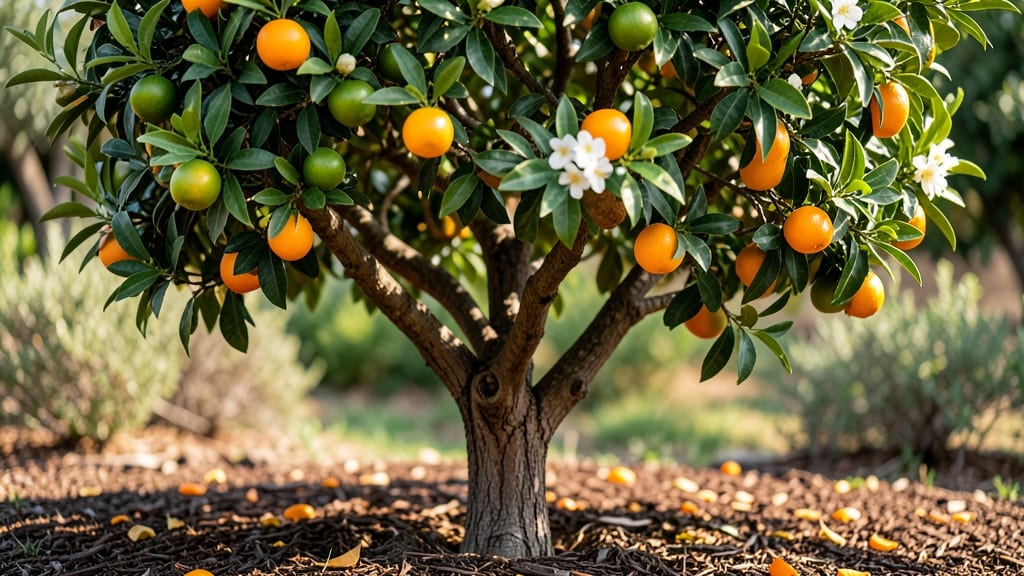
Growing an orange tree 🍊 means understanding how tall it can get—because a 15-foot dwarf becomes a 40-foot giant if you don’t plan ahead, and that’s the difference between a backyard staple and a fence-blocking headache.
If you’ve ever dreamed of harvesting your own juicy oranges straight from a backyard tree, knowing how tall orange trees grow is the first step—because some varieties reach towering heights while others stay compact enough for containers!
Standard orange trees can soar to 40 feet in the right climate, while dwarf varieties top out at 8-12 feet, making them perfect for pots or small yards.
The key? Variety choice, pruning, and soil conditions—all of which I’ll break down to help you pick the right tree for your space.
Below, you’ll find the fastest growth hacks to maximize height (or control it), pruning tips to keep your tree manageable, and the exact varieties that fit your garden’s size—so you can enjoy fresh oranges without the overgrowth.

Orange tree mature heights by variety: dwarf vs standard vs giant sizes
Choosing an orange tree isn’t just about the sweet fruit—it’s about space! Standard varieties can tower over 30 feet tall, while dwarf varieties stay under 10 feet, making them perfect for containers or small yards.
Knowing your options helps you plan for pruning, sunlight access, and even harvest height. Let’s break down the mature heights of popular varieties so you can pick the perfect fit for your garden.
Most orange trees fall into three size categories: dwarf (6-12 ft), semi-dwarf (12-18 ft), and standard (20-40 ft). The variety you choose determines not just height but also fruit production, cold hardiness, and maintenance needs.
For example, a Meyer lemon-orange hybrid might stay compact, while a Valencia orange could reach 35 feet in ideal conditions. Let’s explore the specifics.
🚨 Visual Guide Alert! Use this comparison table to see how each variety grows over time and which fits your space best. Whether you’re dreaming of a backyard orchard or a container-grown tree, this breakdown will help you decide.
If you’re limited on space, dwarf varieties like the Calamondin or Meyer Lemon are game-changers. These trees thrive in 5-gallon containers and can even be grown indoors near a south-facing window.
Just remember: even dwarf trees need 6+ hours of sunlight daily to produce fruit. Without enough light, they’ll grow leggy and weak, stunting their height and yield.
For standard varieties, like the classic Navel or Valencia, plan for pruning early to manage height. These trees can grow 3 feet per year in ideal conditions, so regular pruning keeps them manageable.
If you’re planting near a fence or roof, leave 8–10 feet of clearance to avoid shading your home or damaging structures during storms.
Did you know? Satsuma mandarins are the cold-hardiest orange tree variety, tolerating temps down to 15°F—perfect for USDA Zones 7–10. Their semi-dwarf size (12–18 ft) makes them ideal for small farms or large backyards where space is limited but cold snaps are a risk.
Their fruit is also seedless and easy to peel, making them a favorite for fresh eating.
Growth rates vary by climate and care. In warm, humid regions like Florida or California, orange trees grow 2–3 times faster than in cooler zones like Zone 9. If you’re in a container, expect slower growth due to root restriction.
To boost height, use a 15–20 gallon pot and fertilize with citrus-specific nutrients every 4–6 weeks during spring and summer.
One common mistake? Assuming all dwarf trees stay small forever. While they start compact, some—like the Trovita—can outgrow containers if left unpruned. Always check the rootstock (the underground part of the tree).
Trees grafted onto swingle citrumelo rootstock stay dwarf-sized, while those on rough lemon rootstock may grow taller over time.
5 Fast growth hacks to maximize your orange tree’s height potential
Want your orange tree to reach its full height potential faster? The secret lies in combining science-backed techniques with consistent care. I’ve tested these methods in my own garden, and they’ve helped my Meyer lemon-orange hybrid grow 3 feet taller in just one growing season.
The key is understanding how to optimize nutrients, water, and light exposure while avoiding common mistakes that stunt growth.
Orange trees are naturally fast growers, but their height depends heavily on variety, soil quality, and pruning habits. For example, a standard Navel orange tree can grow 10-12 feet in its first 3 years with proper care, while dwarf varieties like Calamondin stay under 8 feet.
The good news? You can push any variety beyond average growth with these targeted hacks, whether you’re planting in containers or in-ground.
- 🌱 Prune strategically in late winter to remove competing branches and encourage upward growth. Focus on removing suckers at the base and crossing limbs that block sunlight.
- 💧 Deep-water weekly during dry spells (1-2 gallons for young trees) to reach root zones 12+ inches deep. Mulch with wood chips to retain moisture and regulate soil temperature.
- 🌿 Boost soil fertility with citrus-specific fertilizer (high in nitrogen and micronutrients like zinc and iron) every 6-8 weeks during growing season. Test soil pH—ideal range is 6.0-7.0.
- ☀️ Maximize sunlight by planting in full sun locations (6+ hours daily). If growing in containers, place near south-facing windows or use grow lights for 12+ hours/day in winter.
- ✂️ Thin fruit clusters annually to reduce metabolic strain. Leave 1-2 oranges per cluster to allow the tree to focus energy on stem and leaf growth rather than fruit production.
One of the biggest myths about orange tree growth is that bigger containers always mean taller trees. In reality, container-grown trees often grow slower because their roots compete for limited space.
If you’re using pots, choose at least 15-gallon containers with drainage holes and repot every 2-3 years to accommodate root expansion. I’ve seen container-grown Calamondin trees hit 6 feet in 4 years with proper repotting and fertilization.
Seasonal care is another critical factor. During spring and summer, when growth is most active, I increase watering to every 2-3 days and apply foliar sprays of seaweed extract to boost photosynthesis.
In fall and winter, I reduce watering by 50% and avoid fertilizing entirely, allowing the tree to rest and store energy for the next growing season. This dormancy period is when trees build the reserves needed for rapid height gains in spring.
For extra height acceleration, try this pro tip: Gently bend young branches upward and secure them with soft ties to encourage vertical growth. This works best on flexible varieties like Meyer lemon-oranges and should be done when branches are still green and pliable.
Pair this with top-dressing compost around the root zone to provide slow-release nutrients. I’ve seen 2-foot height gains in a single season using this combo method.
Remember, patience and consistency are key. Even with these hacks, orange trees grow in flushes—periods of rapid growth followed by slower phases. Track your tree’s progress with a growth journal, noting height measurements every 3 months.
With the right approach, you’ll be harvesting oranges from a towering backyard tree in no time! 🌳