
Pruning
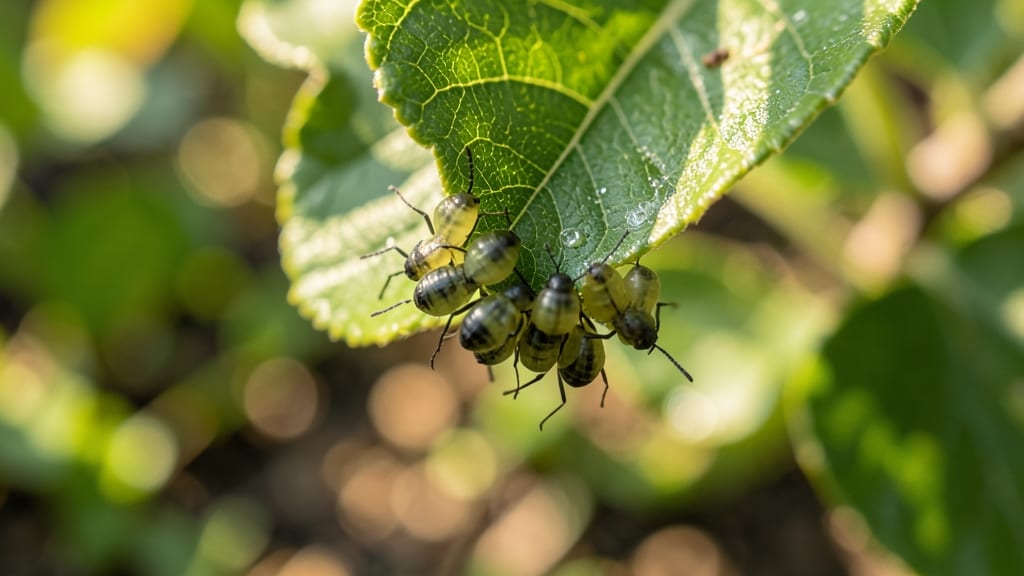
Tiny tree bugs like spider mites and aphids can turn your backyard oasis into a battleground. 🌳 I've fought them in my own yard, and the key isn't just sprays—it's a layered defense that keeps trees thriving without harsh chemicals.
These pests start small but multiply fast, draining sap and leaving behind sticky residue or yellowed leaves that scream "problem." The worst part? Many homeowners wait until the damage is visible. By then, the bugs have already weakened the tree, making recovery harder.
My 5-tiered system starts with prevention—healthy soil, proper watering, and regular inspections—before ever reaching for treatments. Even my black thumb can spot early signs: tiny webs, curled leaves, or ants trailing up the trunk (a sure sign of aphids).
With this approach, you'll see stronger growth, fewer pests, and trees that stay healthy year-round. The secret is consistency—check your trees every two weeks during growing season, and address issues before they spiral. No more panicked last-minute sprays or watching your favorite shade tree decline.
Works for fruit trees, shade trees, and even young saplings. Here's how to build your defense layer by layer—starting with the foundation most gardeners overlook.
Root Causes of Tiny Tree Invaders
Tiny tree bugs—whether they’re sap-sucking aphids, leaf-munching caterpillars, or wood-boring beetles—don’t just appear out of nowhere. Their presence is usually a response to specific environmental or tree-related triggers. Understanding these causes is the first step to preventing infestations before they spiral out of control.
Let’s break down the most common reasons these pests target your trees and how they exploit weaknesses.
Healthy trees naturally repel pests through strong bark, resilient leaves, and beneficial microbes. But when trees are stressed, their defenses crumble, making them prime targets for tiny invaders.
- Nutrient Deficiencies: Trees lacking essential nutrients (like nitrogen, phosphorus, or potassium) produce softer, more palatable leaves and bark. Example: A nitrogen-deficient oak may attract aphids, which thrive on sap-rich, tender new growth.
- Water Stress: Overwatering or drought weakens tree roots, reducing their ability to fight off pests. Science note: Drought-stressed trees produce higher sugar levels in leaves, which attracts sap-sucking insects like scale or mealybugs.
- Disease or Fungal Infections: Fungal spots (e.g., powdery mildew) or bacterial infections create entry points for pests. Example: Japanese beetles often target trees already weakened by Cercospora leaf spot.
Actionable fix: Conduct a soil test and fertilize based on deficiencies. Water deeply but infrequently to avoid root rot.
Climate changes—whether seasonal shifts, extreme heat, or urban heat islands—disrupt ecosystems and create ideal conditions for pest outbreaks.
- Mild Winters: Harsher winters naturally cull pest populations, but warmer winters allow more bugs to survive and reproduce. Example: Spider mites thrive in dry, hot conditions, often exploding in populations after a warm winter.
- Urban Heat Islands: Cities with concrete and asphalt trap heat, creating microclimates that attract heat-loving pests like emerald ash borers or pine bark beetles.
- Monsoon or Flooding Events: Excess moisture can drown beneficial predators (like ladybugs) while creating breeding grounds for fungus gnats or root weevils.
Actionable fix: Mulch trees to regulate soil temperature and improve moisture retention. Prune to improve air circulation and reduce humidity around the canopy.
Pests thrive in chaos. Overgrown yards, dense plantings, and lack of pruning create hiding spots and food sources that attract tiny tree bugs.
- Lack of Pruning: Dead or diseased branches provide shelter for pests like bark beetles. Science note: Beetles lay eggs in crevices of dying wood, and their larvae tunnel beneath the bark, killing the tree.
- Monoculture Plantings: Planting only one type of tree (e.g., a row of maples) creates a pest buffet. Example: Gypsy moth caterpillars defoliate entire stands of oak trees because there’s no diversity to disrupt their lifecycle.
- Weeds & Debris: Leaf litter and grass clippings harbor pest eggs and alternative food sources (e.g., aphids feeding on weeds before moving to trees).
Actionable fix: Practice selective pruning to remove deadwood and thin canopies for airflow. Introduce native, pest-resistant tree species to break pest cycles.
Human activities—like overusing pesticides or altering natural habitats—can disrupt the delicate balance that keeps pests in check.
- Pesticide Overuse: Broad-spectrum insecticides kill beneficial predators (e.g., lacewings, parasitic wasps) faster than pests, leading to secondary infestations. Example: Spraying for aphids might wipe out ladybugs, causing a later explosion of mites.
- Soil Compaction: Heavy foot traffic or machinery compacts soil, reducing oxygen and nutrient availability to roots. Stressed roots signal trees to produce more sap—a feast for aphids and scales.
- Introduced Species: Non-native trees (e.g., Bradford pears) often lack natural predators, making them magnets for invasive pests like lanternflies.
Actionable fix: Use targeted, integrated pest management (IPM) strategies instead of chemical sprays. Aerate compacted soil and choose native, resilient tree species.
By addressing these root causes, you’re not just treating symptoms—you’re fortifying your trees against future invasions. The key is proactive care: healthy trees are naturally resistant, and a balanced ecosystem keeps pests in check.
Quick Fixes for Tree Pests
When tiny tree bugs start wreaking havoc on your greenery, acting fast is key to saving your plants. Below, we’ve mapped out practical solutions tailored to the most common causes—whether it’s aphids, spider mites, scale insects, or bark beetles.
Each fix is designed to be easy to implement with minimal tools and maximum impact.
Aphids and similar pests thrive in clusters, sucking sap and leaving behind sticky residue (aka "honeydew"). Here’s how to knock them out without harming your tree:
🔥 Step 1: Blast Them Off with Water
- Why it works: A strong spray of water (from a hose or pressure nozzle) dislodges aphids and washes away eggs.
- How to do it:
- Aim the nozzle at the undersides of leaves (where aphids hide).
- Use 10–15 psi pressure—enough to knock them off but not damage tender leaves.
- Repeat every 3–4 days until they’re gone.
🍳 Step 2: Apply Insecticidal Soap or Neem Oil
- Why it works: These natural sprays smother soft-bodied bugs and disrupt their life cycle.
- How to do it:
- Mix 1–2 tbsp insecticidal soap (like Safer®) or 1 tsp neem oil with 1 quart of water.
- Spray early in the morning (to avoid harming bees) and cover all leaf surfaces.
- Reapply every 5–7 days for 2–3 weeks.
👨🍳 Step 3: Introduce Beneficial Predators
- Why it works: Ladybugs, lacewings, and parasitic wasps eat aphids—nature’s pest control!
- How to do it:
- Buy aphid-eating ladybugs (available online or at garden centers).
- Release them at dawn or dusk when they’re most active.
- Pro tip: 🌿 Plant dill, fennel, or yarrow nearby—they attract these helpful bugs!
💡 Prevention Tip:
- Keep trees healthy—stressed plants attract more pests. Water deeply 1–2 times per week and mulch to retain moisture.
Tiny but destructive, spider mites spin webs and cause yellowing leaves. They’re tougher to spot but easier to defeat with the right approach.
🔥 Step 1: Knock Them Off with Horticultural Oil
- Why it works: Oil suffocates mites and their eggs, breaking their life cycle.
- How to do it:
- Use horticultural oil (like Bonide®) or light mineral oil.
- Mix 1–2 tbsp oil per gallon of water and spray thoroughly (including leaf undersides).
- Apply at night (to avoid harming bees) and repeat every 5–7 days for 3 weeks.
🍳 Step 2: Dust Off Webs with Talcum Powder or Diatomaceous Earth
- Why it works: Fine powders dehydrate mites by damaging their waxy outer layer.
- How to do it:
- Lightly dust talcum powder or food-grade diatomaceous earth on affected areas.
- Avoid over-applying—just enough to coat the leaves.
- Reapply after rain (it washes off).
👨🍳 Step 3: Increase Humidity Around Trees
- Why it works: Spider mites love dry conditions.
Boosting humidity makes them less active. - How to do it: - Mist trees daily (especially in hot climates). - Use a sprinkler on a timer for larger trees. - Pro tip: 🌧️ Group plants together—they create a microclimate with higher humidity.
💡 Prevention Tip:
- Prune regularly to improve airflow—mites thrive in dense, shaded foliage.
These pests attach to bark or roots, making them harder to remove. A combination of manual removal and targeted treatments works best.
🔥 Step 1: Scrape Off Scale with a Plastic Scraper
- Why it works: Scale insects don’t move—they’re stuck to the bark.
Scraping removes them physically. - How to do it: - Use a plastic putty knife or old credit card to gently scrape off clusters. - Dispose of scraps in soapy water (don’t compost them!). - Focus on cracks, crevices, and branch junctions where they hide.
🍳 Step 2: Trap Bark Beetles with Pheromone Lures
- Why it works: Male bark beetles are drawn to pheromone traps, reducing mating and infestation.
- How to do it:
- Hang bark beetle traps (like those from Contech) near affected trees.
- Place them 10–15 feet high and 50+ feet from other trees to avoid luring more beetles.
- Check traps weekly and reset lures as needed.
👨🍳 Step 3: Apply Systemic Insecticide for Severe Cases
- Why it works: If pests are deep in the bark or roots, a systemic treatment spreads through the tree.
- How to do it:
- Use imidacloprid or dinotefuran (follow label instructions).
- Drill small holes in the bark and inject the solution, or soak pruning cuts.
- Warning: 🚨 Only use as a last resort—systemic pesticides can harm beneficial insects.
💡 Prevention Tip:
- Inspect trees yearly for sawdust-like frass (bark beetle sign) or sticky residue (scale honeydew).
- Remove and burn heavily infested branches immediately to stop the spread.
The best way to prevent tiny tree bugs? Keep your trees strong and resilient.
| Action | How to Do It | Why It Helps |
|---|---|---|
| Prune properly | Remove dead/diseased branches in late winter/early spring. | Reduces hiding spots for pests. |
| Fertilize correctly | Use slow-release, organic fertilizer (like compost or worm castings). | Boosts natural defenses. |
| Monitor regularly | Check leaf undersides, bark, and roots every 2 weeks. | Catches infestations early. |
| Encourage predators | Plant native flowers (like marigolds or alyssum) to attract ladybugs and lacewings. | Natural pest control! |
Final Pro Tip: 🎯 Act at the first sign of trouble—tiny bugs multiply fast, and early intervention saves your tree! If an infestation is severe, consult a certified arborist for a customized plan.
Frequently asked questions
How do I tell if tiny bugs on my tree are harmful or beneficial?
Look for signs of damage first: yellowing leaves, sticky residue (honeydew), or tiny webs mean harmful pests like aphids or spider mites. Beneficial bugs like ladybugs or lacewings have spotted backs or delicate wings and don't cause visible harm. Always check leaf undersides where many pests hide.
Can I use vinegar to kill tiny tree bugs?
White vinegar can help with aphids and mites when used as a spray (1:1 ratio with water), but it's not a complete solution. The acidity disrupts their protective coatings, but you'll need to reapply frequently. For best results, combine with insecticidal soap and focus on undersides of leaves where pests hide.
Why do I keep seeing ants on my trees if I don't have ant mounds?
Ants often "farm" sap-sucking pests like aphids or scale insects, protecting them for their honeydew secretions. If you see ants trailing up your tree, look for tiny clusters of bugs on leaves or stems. Targeting these pests (with neem oil or soap) will naturally reduce ant activity too.
How often should I inspect my trees for tiny bugs?
Check your trees every 2 weeks during growing season (spring-fall) and monthly in winter. Focus on new growth areas, leaf undersides, and bark crevices where pests hide. Early detection is key—most infestations start small and spread rapidly if ignored.
Are there any trees naturally resistant to tiny bugs?
Yes! Native trees like oak, hickory, and black walnut often have natural defenses against common pests. For ornamental trees, consider serviceberry or dogwood varieties which pests typically avoid. Always research your specific tree type before planting in bug-prone areas.