
Trees
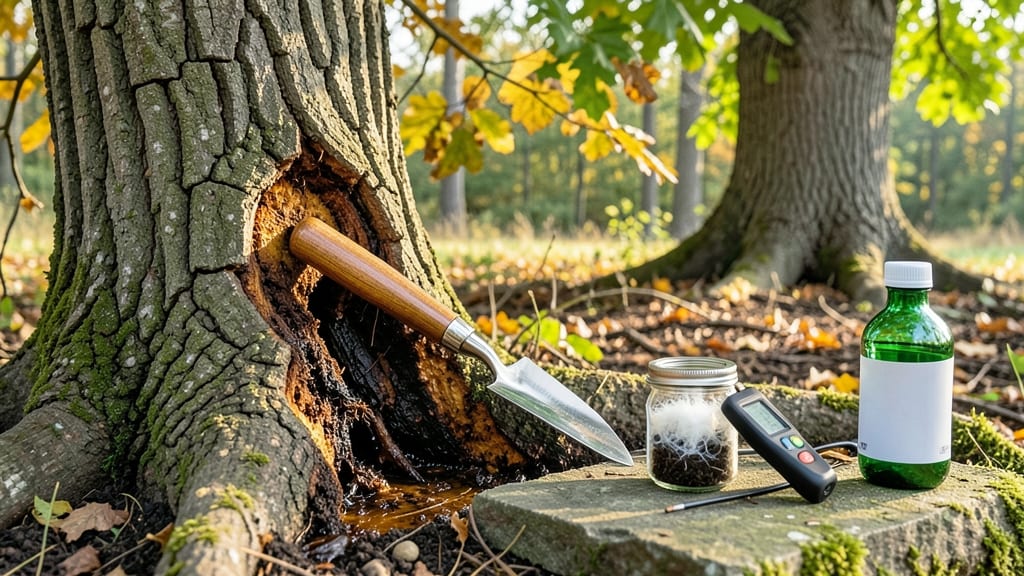
Tree rot fungus turns your backyard tree into a ticking time bomb. 🌲 The moment you spot mushrooms at the base or bark splitting open like a bad sunburn, you're already in the fight of your life—this stuff spreads faster than weeds in a wet spring.
I learned the hard way when my 20-year-old oak started wilting last summer. By the time I noticed the honeycomb rot inside, the fungus had already gutted half the trunk.
The key is catching it early: look for discolored bark, sawdust-like frass at the base, or branches dying from the top down. Most people ignore these signs until it's too late.
What you'll actually do is prune out infected areas (sterilize your tools between cuts!), improve drainage around the roots, and maybe even apply a fungicide if it's caught in time. In severe cases, removal is the only option—but I'll show you how to save your tree if you act fast.
The good news? Prevention is easier than cleanup. Proper spacing, mulching with wood chips (not bark), and choosing resistant species like oaks or maples can keep your trees healthy for decades. Let's get your tree back on track.
Root Causes Of Wood Decay
Tree rot fungus doesn’t just appear out of nowhere—it thrives when specific conditions align, turning your once-healthy trees into vulnerable hosts. Understanding why this happens is the first step in stopping it before it spreads.
Below, we break down the key triggers, from environmental factors to human mistakes, with science-backed explanations and actionable insights.
Fungi love water—especially when it lingers. Tree rot fungus (like Armillaria or Heterobasidion) spreads rapidly in soggy soil or waterlogged roots. Here’s why:
- Compacted or clay-heavy soil: Prevents water from draining, creating a damp, anaerobic environment where fungal spores germinate. Pro tip: Test your soil’s drainage by digging a 12-inch hole and filling it with water—if it doesn’t drain within 6 hours, you’ve got a problem. 🌡️
- Overwatering or poor irrigation: Even well-draining soil can become saturated if trees receive too much water. Rule of thumb: Water deeply but infrequently (1–2 inches per week) and avoid wetting the trunk. ⏰
- Leaky pipes or grading issues: If water pools near tree roots (e.g., from downspouts or sloped yards), it creates a fungal buffet. Fix it: Redirect water at least 6 feet away from the trunk. 🔧
Trees have natural defenses, but wounds—whether from storms, pruning cuts, or pests—create entry points for rot-causing fungi. The science:
- Improper pruning: Cuts too close to the trunk or jagged edges leave raw wood exposed, inviting Fomes or Ganoderma species. Do this instead: Prune in dry weather, use sterilized tools, and make cuts at a 45° angle just outside the branch collar. ✂️
- Storm or construction damage: Broken bark or split trunks disrupt the tree’s protective barrier. Act fast: Seal wounds with pruning paint (for small cuts) or consult an arborist for large damage. ⚡
- Bark injuries from rodents or pests: Squirrels, beavers, or even woodpeckers can create openings. Prevent it: Install tree wraps or traps to deter pests. 🐿️
A weak tree is like an open invitation for fungi. Stressors like nutrient deficiencies, drought, or root competition lower a tree’s resistance. Key culprits:
- Nitrogen or phosphorus deficiency: Fungi like Phytophthora target stressed trees. Test your soil: Use a DIY kit or hire a lab to check pH and nutrient levels—aim for 6.0–7.0 pH and balanced NPK. 📊
- Root girdling or competition: Nearby buildings, sidewalks, or aggressive roots from other plants strangle trees, reducing their ability to fight off pathogens. Solution: Mulch properly (2–4 inches deep, 12 inches from the trunk) and avoid planting too closely. 🌳
- Drought or heat stress: Prolonged dry spells weaken trees, making them susceptible to Ceratocystis (a common rot fungus). Water deeply: Focus on slow, deep irrigation during dry spells. 💧
Some fungi are always present in the environment, waiting for the right conditions to strike. How do they get inside?
- Wind or rain dispersal: Spores hitch rides on gusts or splashing water, landing on fresh wounds or bark crevices. Reduce risk: Prune in dry weather and avoid working with trees during rainy seasons. 🌪️
- Contaminated tools or mulch: Unsterilized pruners or infected wood chips can transfer fungi between trees. Sanitize tools: Wipe blades with 70% isopropyl alcohol between cuts. 🧼
- Nearby infected trees or stumps: Fungi like Armillaria (honey mushroom) can spread underground via root grafts. Remove deadwood: Grind stumps and dispose of infected branches off-site. ⛏️
Now that you know why tree rot fungus takes hold, the next step is identifying early signs and taking action. The key? Act before the fungus gets a foothold.
Stopping Wood Decay Before It Worsens
Discovering tree rot fungus can feel like a ticking time bomb—if left unchecked, it weakens structural integrity, invites pests, and even kills your tree. The good news? Early action and smart care can save the day.
Below, we break down targeted fixes for common causes of decay, plus preventive steps to keep your trees thriving. Think of this as your battle plan against fungal invaders.
If your tree’s roots are drowning in soggy, compacted soil (hello, poor drainage!), root rot fungus thrives like an uninvited houseguest. Here’s how to evict it:
🌱 Step 1: Improve Drainage Like a Pro
- Test the soil: Dig a 12-inch hole near the roots. If water pools after 30 minutes, drainage is the issue.
- Add organic matter: Mix in compost or aged bark to loosen soil and encourage airflow. Aim for a 2–3 inch layer around the root zone.
- Raise the base: For severe cases, mound soil slightly around the trunk (but keep it 3–4 inches high max to avoid girdling).
💡 Pro Tip:
If your yard floods often, consider installing a French drain or swale (a shallow trench) to redirect water away from the tree’s roots. 🌡️ Proper drainage = fungus’s worst nightmare.
🍄 Step 2: Fungal Treatment (When Needed)
- Apply copper-based fungicide: Spray the soil and lower trunk with a copper fungicide (like Copper Sulfate) in early spring or fall. Follow label rates!
- Beneficial microbes: Use mycorrhizal fungi (like MycoApply) to outcompete the rot-causing strains. Think of it as a good fungus vs. bad fungus showdown.
Cracks, oozing sap, or soft wood on the trunk? Heart rot or sap rot may be setting in. Act fast to halt spread and strengthen defenses.
🔪 Step 1: Prune Strategically (But Carefully!)
- Remove dead/dying branches: Use sterilized pruning shears to cut back to healthy wood (look for green tissue inside the branch). Disinfect tools with 70% rubbing alcohol between cuts!
- Avoid over-pruning: Never remove more than 25% of the canopy at once—this stresses the tree further.
🛡️ Step 2: Seal the Damage
- Prune wounds properly: Make cuts at a 45-degree angle (for branches >2 inches thick) to allow the tree to seal itself.
- Apply wound dressing (sparingly): Use a tree sealant with benzimidazole (like Tanglefoot Tree Wound Pruning Sealer) only if the wound is large (>4 inches wide). Small wounds? Let the tree heal naturally.
💡 Pro Tip:
If the trunk is hollow or mushy, consult an arborist—some trees (like oak or maple) can’t recover, and removal may be the safest option. ⚠️ Never ignore a “mushroom growing at the base”—that’s a red flag!
A tree under stress (from drought, pests, or poor care) is a magnet for rot fungus. Give it a fighting chance with these nutrient and care upgrades.
💪 Step 1: Feed It Right
- Deep-root fertilizer: Use a slow-release, organic fertilizer (like Espoma Tree-Tone) in early spring. Avoid high-nitrogen blends—they burn roots!
- Mulch properly: Spread 3–4 inches of mulch (wood chips or bark) in a 3-foot-wide ring around the trunk. Keep mulch away from the base to prevent moisture buildup.
🌧️ Step 2: Water Wisely
- Deep watering: Water slowly and deeply (1–2 inches per week) to encourage deep root growth. Use a soaker hose to avoid wetting leaves/fungus hotspots.
- Avoid soggy soil: If your area gets heavy rain, water less frequently to prevent waterlogging.
🛡️ Step 3: Pest Control
- Target borers/beetles: Use neem oil or Bt (Bacillus thuringiensis) spray to deter wood-boring pests that worsen rot.
- Remove infested wood: Burn or chip heavily infested branches (don’t compost them!).
An ounce of prevention beats a pound of cure. Here’s how to future-proof your trees:
| Problem | Solution |
|---|---|
| Poor drainage | Test soil, amend with compost, or install drainage solutions. |
| Compromised bark | Apply tree wrap in winter to protect from sunscald and pests. |
| Overwatering | Use a moisture meter to check soil—water only when top 2 inches are dry. |
| Pest infestations | Inspect trees twice yearly for holes, sawdust-like frass, or oozing sap. |
| Physical damage | Avoid lawnmower/string trimmer wounds—keep equipment 6+ inches from the trunk. |
✨ Bonus: Fungal-Resistant Tree Choices
If you’re planting new trees, opt for rot-resistant species like:
- White Oak
- Red Maple
- Ginkgo
- Japanese Zelkova
Check your USDA zone for local recommendations!
Remember: Early action is key. The moment you spot signs of rot—whether it’s conks (shelf fungi), oozing sap, or wilting leaves—spring into action.
Still unsure? Call an arborist for a professional assessment. Your tree’s life (and your yard’s safety) might depend on it! 🌳💚
Frequently asked questions
What do those strange mushrooms growing at my tree's base mean?
Those mushrooms are a major red flag! They indicate active fungal decay—common culprits include Armillaria (honey fungus) or Ganoderma. The mushrooms are the fungus's fruiting bodies, meaning the rot is already spreading underground. Act immediately by improving drainage and consulting an arborist about treatment options.
Can tree rot fungus spread to other plants in my yard?
Absolutely—some fungi like Armillaria can spread through underground root systems or even jump to nearby plants via contaminated tools or mulch. The good news is that most rot fungi are plant-specific. Still, sterilize your pruning tools between trees and avoid using infected wood chips as mulch.
How can I tell if my tree has heart rot vs. root rot?
Heart rot shows as cracks, oozing sap, or hollow sections in the trunk, while root rot causes wilting leaves, mushrooms at the base, and soft, mushy roots. For heart rot, check by tapping the trunk—hollow sounds indicate decay. Root rot is confirmed by digging near the base to inspect roots.
Will removing the infected tree stop the fungus from spreading?
Not always—some fungi like Armillaria can survive in the soil for years. When removing an infected tree, grind the stump and roots (don't just chop them) and dispose of infected wood off-site. Consider treating the soil with a copper fungicide to kill remaining spores.
Are there any trees that naturally resist rot fungus?
Yes! Some species are more resistant due to their natural defenses. Consider planting white oak, red maple, ginkgo, or Japanese zelkova—these handle moisture and disease better. Always check your local climate and soil conditions before choosing new trees.