
Pruning
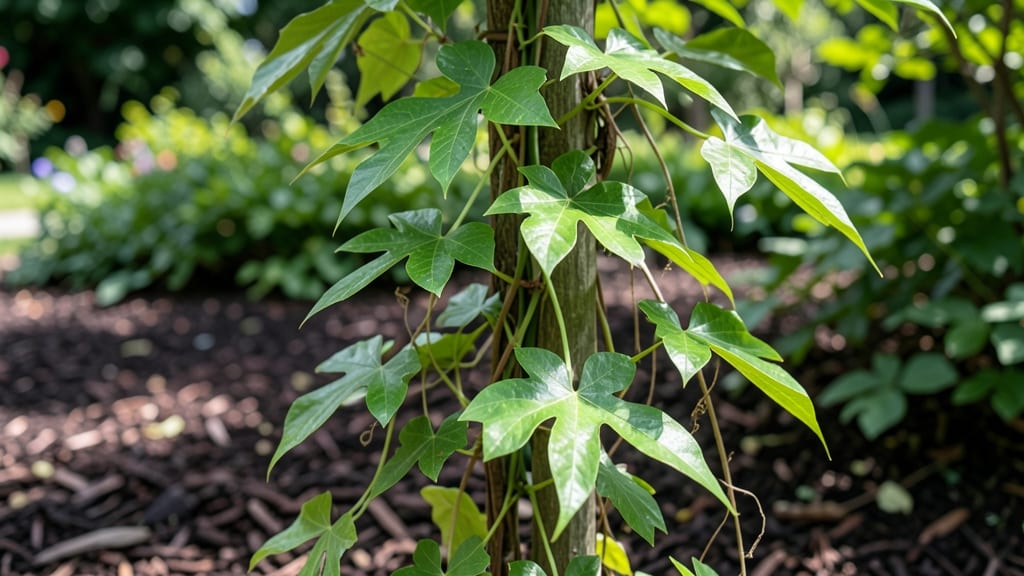
That five-pointed leaf shape opens doors to some of the most dramatic trees around—think maples, rubber plants, and even the fast-growing Chinese lilac. 🌿 I’ve pruned my own palmate-leafed trees for years, and the secret to keeping them lush isn’t just timing—it’s understanding how those hand-shaped leaves grow best in your climate.
Whether you’re shaping a weeping maple or training a rubber plant indoors, the right cuts make all the difference.
These trees thrive with bright, indirect light (or dappled shade for tropical types) and well-draining soil that mimics their natural habitats. Overwatering is the #1 killer—let the top inch dry between drinks, and watch for leaf scorch in hot summers.
Pruning isn’t just about aesthetics; it’s about encouraging that bushy, balanced growth by cutting back to outward-facing buds in late winter or early spring.
By summer, you’ll see new leaves unfurling with that signature five-pointed precision, and the tree’s structure will feel stronger and fuller than ever. The best part? These trees adapt to everything from urban sidewalks to woodland edges—just match your pruning to their natural shape. Let’s get those branches in check!
Pro tip: If your tree’s leaves yellow or drop, it’s often a cry for better drainage or less water. And for tropical types like rubber plants, wipe those leaves occasionally—they’ll thank you with glossier foliage. Year-round care keeps them looking effortlessly polished.
Behind The Five-Point Leaf Mystery
If you’ve spotted a tree sporting leaves with an unusual five-pointed shape—often resembling a star or a hand with outstretched fingers—you’re likely dealing with a natural (or sometimes pruning-induced) variation in leaf morphology. While this isn’t a disease, it can signal underlying growth patterns, genetic quirks, or even environmental stress.
Let’s break down the science behind why this happens, so you can diagnose and address it like a pro.
Some tree species, like the Celtis australis (European nettle tree) or certain cultivars of Ginkgo biloba, are genetically predisposed to produce irregular leaf shapes. In these cases, five-pointed leaves aren’t a defect—they’re a hereditary trait passed down through grafting or seed propagation.
- How it works: Mutations in genes regulating leaf development (like those in the _KNOX_ family) can cause extra lobes or points to form. Think of it like a glitch in the tree’s "instruction manual" for leaf growth.
- Actionable tip: If you’re growing from cuttings or grafts, source material from a reputable nursery to avoid propagating unwanted traits. For ornamental trees, embrace the quirk—it’s what makes them unique!
- 💡 Pro tip: Cross-reference your tree’s species with botanical databases like GRIN to confirm if five-pointed leaves are normal for its genetics.
Aggressive pruning—especially during the wrong season or with improper cuts—can trigger abnormal leaf growth. When a tree’s energy is misdirected due to stress, it may compensate by producing malformed leaves as a survival mechanism.
| Pruning Mistake | Resulting Leaf Deformation | How to Fix It |
|---|---|---|
| Cutting too close to the trunk (over-pruning) | Stunted, five-pointed leaves from new growth | Use the 3-cut method to avoid damaging the collar:
|
| Pruning in late fall/winter (dormant season) | Weak new shoots with irregular shapes | Wait until early spring (just before buds swell) for structural pruning. |
| Using dull or contaminated tools | Jagged growth from stress responses | Sharpen blades with a file or grinder and disinfect with 70% rubbing alcohol. |
🔥 Key insight: Trees pruned too hard in one session can produce "water sprouts"—fast-growing, oddly shaped shoots to compensate for lost foliage.
Extreme temperatures, poor soil, or nutrient imbalances can force a tree to prioritize survival over perfect leaf formation. Five-pointed leaves often appear as a compromise between efficiency and resilience.
- Heat stress:
- High temperatures (>90°F/32°C) can denature enzymes responsible for cell division, leading to lobed or extra-pointed leaves.
- Fix: Provide afternoon shade with shade cloth or mulch to retain soil moisture.
- Cold damage:
- Frost can rupture cell walls in emerging buds, causing deformed growth. This is common in Ginkgo trees.
- Fix: Apply anti-desiccant spray (like Wilt-Pruf) before winter or wrap young trees in burlap.
- Nutrient deficiencies:
- Low nitrogen or magnesium can stunt leaf development, leading to extra points as the tree stretches for sunlight.
- Fix: Test soil pH (ideal: 6.0–7.0) and amend with compost or a balanced fertilizer (10-10-10). Yellowing leaves? Add Epsom salt (magnesium sulfate).
🌡️ Pro tip: If your tree’s leaves are both five-pointed and yellowing, it’s likely a nutrient + stress combo. Address both issues simultaneously for the best recovery.
While five-pointed leaves aren’t a direct symptom of pests or diseases, secondary infections or sap-sucking insects can weaken a tree enough to trigger abnormal growth. Here’s how:
- Spider mites or aphids:
- These pests inject toxins while feeding, disrupting leaf cell differentiation. The tree may produce extra lobes to "dilute" the damage.
- Fix: Blast off mites with a hose spray (1,000 psi) or use neem oil (1 tsp per gallon of water). Repeat weekly.
- Bacterial or fungal infections:
- Pathogens like Xylella fastidiosa (which causes leaf scorch) can clog vascular tissue, leading to malformed leaves as the tree reroutes nutrients.
- Fix: Prune infected branches 6 inches below visible damage and sterilize tools with bleach (1 part bleach to 10 parts water).
✨ Early warning sign: If five-pointed leaves appear suddenly alongside sticky residue (honeydew) or sooty mold, pests are likely the culprit.
Revitalize Your Five-Leaf Wonder
If your tree with five-point leaves is struggling—whether from overgrowth, pests, or poor pruning habits—don’t worry! With the right approach, you can restore its health and encourage lush, balanced growth. Below are targeted solutions for common issues, organized by cause, along with prevention tips to keep your tree thriving year-round.
When branches grow too densely, sunlight and air struggle to reach the center, leading to weak, leggy growth or even disease. Here’s how to fix it:
🔪 Prune for Light & Airflow
- Identify the Problem Areas 🔍
- Look for branches rubbing against each other or growing inward. These are your top candidates for removal.
- Focus on the inner canopy first—this is where stagnant air and moisture breed pests and rot.
- Make Clean Cuts ✂️
- Use sterilized pruning shears (rubbing alcohol works) to avoid spreading disease.
- Cut just outside the branch collar (the swollen area where the branch meets the trunk) at a 45-degree angle.
- Pro Tip: Avoid leaving stubs—this invites infections. Aim for a smooth cut!
- Thin, Don’t Just Top
- Instead of hacking off the top (which encourages more dense growth), selectively remove 10-20% of the thickest branches to open up the canopy.
- Prioritize crossing branches, deadwood, and water sprouts (fast-growing, weak shoots).
🌱 Prevention for Future Growth
- Prune in Late Winter/Early Spring ⏰ (just before new growth starts) to shape the tree without stressing it.
- Avoid Heavy Summer Pruning 🌞—this can shock the tree and make it vulnerable to pests.
- Fertilize Lightly 🌿 after pruning with a balanced, slow-release fertilizer to support recovery.
Yellowing leaves, holes, or sticky residue (sap) are red flags for pests like aphids, spider mites, or fungal infections. Act fast to save your tree!
🚨 Treat Infestations Naturally
- Spot Clean with Neem Oil 🌿
- Mix 1 tbsp neem oil + 1 tsp mild soap + 1 quart water in a spray bottle.
- Apply to both sides of leaves and affected branches. Reapply every 5-7 days until pests vanish.
- Why it works: Neem oil disrupts pests’ life cycles without harming beneficial insects.
- Prune Infected Parts Immediately ⚔️
- Remove and dispose of (not compost!) any branches with black spots, mold, or severe pest damage.
- Sterilize your tools between cuts to prevent spreading.
- Encourage Natural Predators 🐞
- Invite ladybugs, lacewings, and birds by planting native flowers nearby (like marigolds or dill).
🛡️ Long-Term Prevention
- Water at the Base 💦 (avoid wetting leaves to reduce fungal spores).
- Mulch Properly 🌳 (2-3 inches of organic mulch keeps soil healthy and deters pests).
- Inspect Regularly 👀 (check undersides of leaves and new growth weekly).
If your tree looks top-heavy, leans one way, or has sparse foliage, it’s crying out for structural support.
🎯 Strengthen the Skeleton
- Support Leaning Trees 🪵
- For young trees, use a stake and soft tie (never wire directly to the trunk—it can girdle as the tree grows).
- Prune for Balance ⚖️
- Remove heavy, outward-growing branches to redistribute weight.
- Fertilize Strategically 💪
- Test your soil first! A low-nitrogen, high-phosphorus fertilizer (like 5-10-10) encourages root growth.
🌱 Encourage Bushier Growth
- Pinch Back New Growth 🍃 (in early summer, trim the tips of new shoots to encourage branching).
- Provide Partial Shade 🌞 (if your tree is in full sun, it may grow too fast and weak—add light shade for balance).
Frost cracks, dried leaves, or slow spring growth? Your tree might need a little TLC to bounce back.
🔥 Revive After Cold Stress
- Prune Dead Wood ❄️
- Cut out any branches with dark, brittle tips or peeling bark—these won’t regrow.
- Protect from Late Frosts ⚠️
- Cover young trees with burlap or frost cloth on cold nights in early spring.
- Boost with Root Stimulator 🌱
- Apply a mycorrhizal fungus treatment (like Myke) to help roots recover faster.
🌿 Winter Care Checklist
- Mulch Heavily 🍂 (add 2-4 inches of mulch in late fall to insulate roots).
- Water Deeply Before Freeze 💧 (one final soak in late fall keeps roots hydrated).
- Avoid Pruning in Winter ❄️ (unless removing deadwood—dormant trees heal slower in cold).
With these solutions, your five-point leaf tree will bounce back stronger than ever. Remember: consistency is key—regular light pruning beats occasional heavy cuts. Happy growing! 🌿✨
Frequently asked questions
What are the most common trees with five-pointed leaves?
The most recognizable trees with this signature leaf shape include the Japanese maple (Acer palmatum), rubber plant (Ficus elastica), and Chinese lilac (Melia azedarach). Other varieties like the sugar maple and certain ficus species also feature these distinctive palmate leaves. These trees are prized for their ornamental value and adaptability to various climates.
How do I tell if my tree's five-pointed leaves are healthy?
Healthy five-pointed leaves should be vibrant in color (green for most species), firm to the touch, and free of spots or holes. Check the undersides for pests and ensure leaves aren't yellowing or dropping prematurely. If you notice crispy edges or leaf scorch, your tree might need more shade or less water—especially in hot climates.
Can I grow a five-pointed leaf tree indoors?
Many varieties like the rubber plant or ficus thrive indoors with bright, indirect light and occasional misting. Use well-draining potting mix and avoid overwatering—the soil should dry slightly between waterings. Rotate the pot regularly to ensure even growth and prevent leggy stems.
Why do some five-pointed leaves develop extra points or irregular shapes?
This often happens due to genetic quirks, environmental stress (like extreme heat or cold), or improper pruning. If your tree suddenly develops extra points, check for nutrient deficiencies (like low magnesium) or pests. For tropical varieties, sudden temperature drops can also trigger irregular leaf growth—protect young trees with burlap wraps during cold snaps.
How often should I prune my five-pointed leaf tree?
Light pruning can be done year-round to remove dead or crossing branches, but major shaping should occur in late winter or early spring before new growth begins. Avoid heavy pruning in summer—it stresses the tree and makes it vulnerable to pests. For indoor varieties, a quick trim of leggy stems in spring keeps them bushy and compact.