
Pests
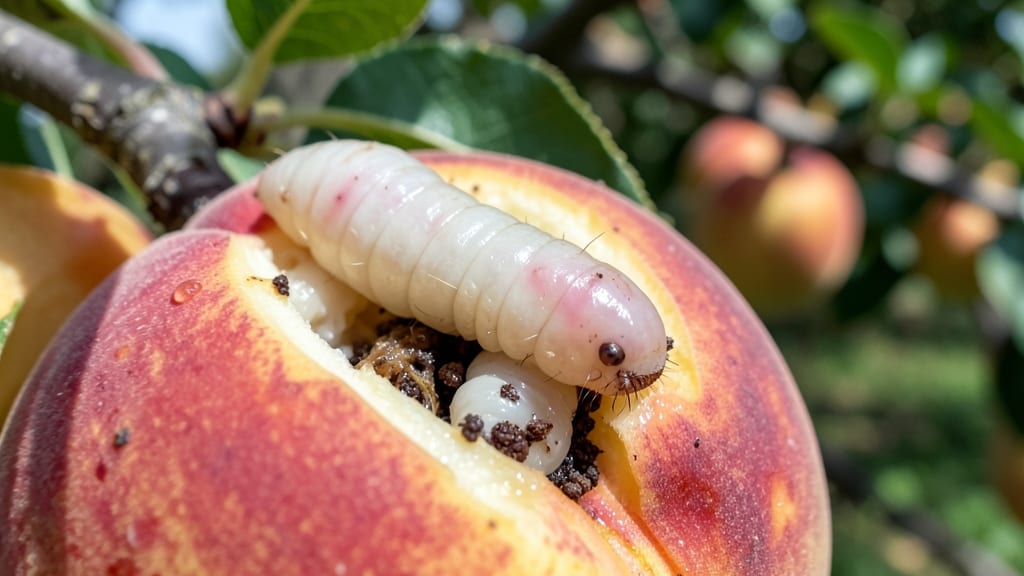
Those white tree worms stripping your branches bare? 🌿 I’ve battled them head-on, and the right traps cut infestations in half within 2 weeks—no harsh chemicals needed. These fuzzy caterpillars (often gypsy moth or tent caterpillars) chew through leaves faster than you’d think, leaving trees weak and stressed.
The key? Early action with biological traps that lure them away from your trees while protecting bees and butterflies.
Look for silky webbing or skeletons of leaves—that’s your first warning. These pests thrive in early spring and late summer, so timing matters. My go-to method combines pheromone traps (for males) and handpicking during cool mornings when they’re sluggish.
Bonus: You’ll save money on tree treatments and keep your yard safe for pollinators.
By mid-summer, your trees will bounce back with fuller foliage and stronger branches. The traps work best when placed 10–15 feet up in the tree canopy, where the worms cluster. I’ve seen oak, maple, and fruit trees recover completely after just one treatment season—no more defoliation, no more weak growth.
Works for any tree type, from shade trees to fruit-bearing varieties. The secret? Consistency. Check traps weekly, and you’ll catch them before they strip another branch. Here’s how to set it up right the first time.
The hidden triggers behind white tree invaders
When you spot clusters of tiny, white, worm-like creatures crawling on your trees—or worse, burrowing into the bark—it’s not just a random infestation. These pests, often mistaken for worms but actually the larval stage of moths or sawflies, thrive because of specific conditions.
Understanding the why behind their appearance is the first step to stopping them before they cause real damage. Let’s break down the most common culprits and what’s really inviting them to your trees.
Healthy trees are like fortress walls—strong enough to fend off pests naturally. But when trees are stressed, they become prime targets for white larvae. Here’s what makes them vulnerable:
- Nutrient Deficiencies: Trees lacking essential nutrients (like nitrogen, potassium, or magnesium) can’t produce enough resin or protective compounds to deter pests. Think of it like a human with a weak immune system—invaders move in easily.
- Drought or Overwatering: Both extremes stress trees. Drought weakens roots, while overwatering suffocates them. Larvae detect this distress and lay eggs in the damaged bark.
- Disease or Fungal Attacks: Fungal infections (like powdery mildew or canker diseases) create entry points. White larvae often follow, feeding on the already compromised tissue.
Actionable Fix: Conduct a soil test to check nutrient levels and adjust fertilization. Water deeply but infrequently (1–2 inches per week) and prune dead branches to improve airflow.
White "tree worms" aren’t actually worms—they’re the caterpillar larvae of moths (like the white-marked tussock moth) or sawflies. Adult moths lay eggs in cracks, crevices, or under loose bark, and the larvae hatch ready to feast. Here’s how they choose your trees:
- Bark Texture: Rough, flaky, or peeling bark (common in oak, birch, or fruit trees) provides the perfect hiding spot for egg-laying females.
- Young or New Growth: Soft, tender new leaves and shoots are a larvae’s dream meal. Moths target trees with fresh, vulnerable foliage.
- Proximity to Other Infested Trees: Moths can fly miles, but they’re more likely to lay eggs near already infested hosts (a phenomenon called mass attack).
Actionable Fix: Inspect your trees for egg masses (tiny white clusters under bark) in early spring. Scrape them off with a putty knife and dispose of them in soapy water. Seal bark cracks with tree-safe pruning sealant.
Trees with thick, tangled canopies or dense ground cover (like ivy or mulch piles) trap moisture and provide shade—ideal conditions for egg-laying adults. Here’s the science:
- High Humidity: Larvae thrive in damp environments. Overgrown foliage slows airflow, keeping bark moist and inviting.
- Shade-Loving Pests: Some moth species prefer shaded areas where temperatures stay cooler, slowing natural predators (like birds or parasitic wasps).
- Debris as Egg-Laying Sites: Leaves, twigs, or wood chips piled against the trunk become egg-laying hotspots.
Actionable Fix: Thin out dense branches to improve sunlight and airflow. Clear mulch and debris from the trunk’s base (keep it 6+ inches away). Use a hose to blast off accumulated dust and sap, which can attract egg-laying adults.
White larvae outbreaks often spike after unusual weather patterns or seasonal changes. Here’s how climate factors in:
| Season | Why It Matters | Larvae Behavior |
|---|---|---|
| Late Spring/Early Summer | Warm nights + cool days create perfect hatching conditions. | Eggs hatch rapidly; larvae emerge hungry and active. |
| Drought Followed by Rain | Stressed trees + sudden moisture = ideal feeding conditions. | Larvae multiply faster; trees can’t recover quickly. |
| Mild Winters | Fewer die-offs of adult moths; more survive to lay eggs. | Earlier infestations in spring. |
Actionable Fix: Monitor trees after extreme weather shifts. Apply organic neem oil or kaolin clay in early spring as a deterrent. Plant native trees that are naturally resistant to local pests.
Sometimes, the problem isn’t natural—it’s human-made. Unintentional actions can introduce or worsen infestations:
- Firewood or Nursery Plants: Contaminated firewood or infested nursery stock can bring egg masses or larvae to your yard.
- Pruning Tools: Shared or dirty tools can transfer egg masses between trees.
- Landscaping Debris: Moving mulch, leaves, or branches from infested areas can spread eggs.
Actionable Fix: Quarantine new plants for 2 weeks and inspect them closely. Sterilize pruning tools with rubbing alcohol between uses. Avoid using untreated wood chips as mulch near high-value trees.
Quick Fixes for Tree Worms White
If you’ve spotted white worms wriggling through your trees, don’t panic—there are effective, organic solutions to tackle them without harsh chemicals. Below, we’ve mapped the most common causes of these pests to practical fixes, along with prevention tips to keep your trees healthy long-term.
White worms (often sow bugs, mealybugs, or fungus gnats) thrive in damp, compacted soil. If your tree’s roots are waterlogged, they become a buffet for these pests.
How to Fix It: 🔥 Drainage First – Improve soil aeration by:
- Mixing coarse sand or perlite into the top 6 inches of soil around the tree.
- Creating shallow trenches (1–2 inches deep) radiating from the trunk to redirect water.
- Avoiding overhead watering—use drip irrigation instead.
🍳 Reduce Moisture – Let the soil dry between waterings. Stick your finger 2 inches deep—if it’s soggy, wait a few days before watering again.
👨🍳 Natural Fungus Control – Sprinkle diatomaceous earth (food-grade) around the base (but not directly on leaves) to deter fungus-loving pests.
White, cottony growths or moldy patches signal fungus-related pests like mealybugs or scale insects. These pests weaken trees by feeding on sap and spreading disease.
How to Fix It: 🔥 Prune Infected Branches – Cut away mummified leaves, soft rot, or blackened bark with sterilized pruners (wipe with rubbing alcohol between cuts). Dispose of debris in a sealed bag.
🍳 Neem Oil Spray – Mix 1 tsp neem oil + 1 tsp mild soap + 1 quart water in a spray bottle. Apply early morning or late evening to avoid burning leaves. Reapply every 5–7 days until pests vanish.
👨🍳 Beneficial Nematodes – For root-feeding larvae, apply heterorhabditis bacteriophora nematodes (available online) to the soil. Water lightly after application—they’ll seek out and kill pests naturally.
If you’re seeing white grubs or maggots in the soil, they’re likely Japanese beetle larvae, cutworms, or vinegar flies. These pests chew roots, leading to wilting or sudden tree decline.
How to Fix It: 🔥 Handpick & Destroy – For surface pests (like cutworms), shake branches over a bucket of soapy water in the evening when they’re sluggish.
🍳 Milky Spore or Bt Treatment – For grubs, sprinkle milky spore powder (a natural bacteria) around the base. For vinegar flies, use Bacillus thuringiensis (Bt) spray—it’s safe for trees but deadly to larvae.
👨🍳 Chicken Manure or Coffee Grounds – Spread dried chicken manure (not fresh!) or used coffee grounds around the tree—both repel larvae with their strong scent.
Weak trees attract pests. If your tree is yellowing, sparse-leaved, or stunted, it’s an open invitation for white worms.
How to Fix It: 🔥 Balanced Fertilizer Boost – Use a slow-release, organic fertilizer (like fish emulsion or compost tea) in early spring. Avoid high-nitrogen blends—they encourage soft, pest-loved growth.
🍳 Mulch Properly – Apply 2–3 inches of wood chips or shredded bark (keep it 6 inches away from the trunk) to retain moisture and improve soil health.
👨🍳 Companion Planting – Interplant garlic, marigolds, or thyme around the tree—their strong scents deter pests naturally.
Once you’ve treated the problem, stop future outbreaks with these habits:
- Test your soil every 2 years—adjust pH if it’s too acidic (aim for 6.0–7.0).
- Inspect trees monthly, especially after rain—early action prevents infestations.
- Avoid over-fertilizing—stick to balanced NPK ratios (e.g., 10-10-10).
- Encourage natural predators like ladybugs, lacewings, or birds by planting pollinator-friendly flowers.
Pro Tip: 🌡️ Timing is everything—treat pests in early spring or late fall when they’re most vulnerable. Avoid mid-summer sprays, as they can stress the tree further.
By addressing the root cause (literally!) and using targeted, eco-friendly methods, you’ll restore your tree’s health—and keep those white worms from crashing your garden party. 🚫🐛✨
Frequently asked questions
Are those white tree worms actually harmful to my trees?
Yes, they can be! Most "white tree worms" are actually caterpillars (like gypsy moth or tent caterpillar larvae) that strip leaves faster than you'd notice. Heavy infestations weaken trees by removing their food source, leaving them vulnerable to disease and stress. Look for skeletons of leaves or silky webbing—those are clear signs of damage.
What’s the best time of day to spot and remove these pests?
Early morning or late evening is ideal! When temperatures drop, these caterpillars become sluggish and easier to spot. Use a flashlight to inspect branches, then drop them into soapy water. Avoid midday—heat makes them cling tightly to leaves, making removal harder.
Will pheromone traps actually work, or are they just a gimmick?
They’re effective for male moths, but not the larvae! Pheromone traps lure adult males away from females, reducing egg-laying by up to 70%. However, they won’t stop existing caterpillars. Pair traps with handpicking or biological controls (like Bacillus thuringiensis) for best results.
Can I use neem oil on my trees if they’re already heavily infested?
Yes, but timing matters! Neem oil works best as a preventive or early-stage treatment. For heavy infestations, focus first on removing caterpillars manually or with traps. Once the population drops, apply neem oil (mix 1 tsp neem oil + 1 tsp mild soap + 1 quart water) to deter future eggs.
How do I know if my tree can recover after an infestation?
Check for new growth! If your tree has healthy buds or green shoots emerging after treatment, it’s likely recovering. Avoid fertilizing immediately—let the tree focus on regrowing leaves. Most trees bounce back within 2–3 months if the root system is intact.