
Pruning
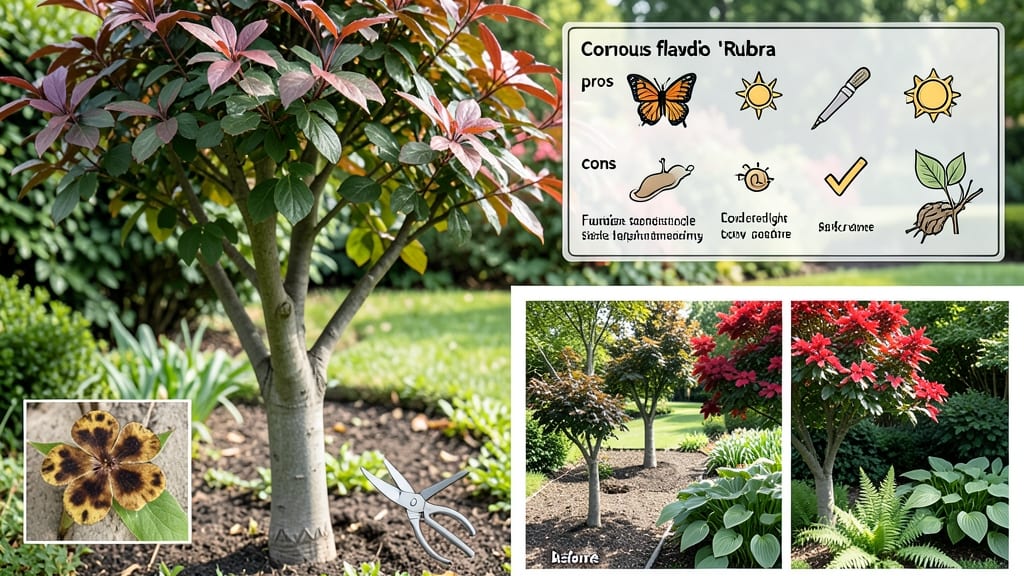
The Venus dogwood tree offers a stunning balance of pros and cons that set it apart from other shade trees—its rapid growth and showy blooms come with care considerations that matter. 🌿 I planted mine last spring, and while it’s already outpacing slower-growing varieties, I’ve learned a few hard truths about its care—like how its delicate bark needs winter protection in colder zones.
The trade-off? A tree that delivers vibrant spring flowers, glossy foliage, and reliable shade once established.
This dogwood thrives in partial shade to full sun and handles humidity well, making it ideal for Eastern U.S. gardens. But watch for powdery mildew if air circulation is poor, and be ready to prune out dead branches annually.
The pros—low-maintenance once rooted and wildlife-friendly—outweigh the cons for most gardeners, but its small size (20–25 feet) limits its use as a standalone shade provider.
You’ll love the showy pink-white blooms in April and the deep red fall foliage, but expect to stake young trees in windy areas. The bark’s vulnerability to sunscald means wrapping it in burlap during harsh winters is a must.
For those with space constraints, this tree delivers year-round interest without the upkeep of fussy varieties.
If you’re in USDA Zones 5–9 and want a fast-growing, ornamental shade tree, the Venus dogwood is a winner—but only if you’re prepared for its quirks.
Prune lightly after flowering, mulch well, and keep an eye out for borers. The payoff? A low-drama star that outperforms many competitors in both beauty and resilience.
📚 In This Guide
- What you need
- Instructions
- Tips and common mistakes
- Wrapping up and next steps
What you need
- ● Venus Dogwood Tree (Cornus florida 'Venus') – Buy from a reputable nursery (bare-root or potted, 1-3 gallons in size).
- ● High-quality, well-draining soil – Mix garden soil with compost (ratio: 2 parts soil, 1 part compost).
- ● Organic mulch – 2-3 inches of shredded bark or wood chips (keep mulch 6 inches away from the trunk).
- ● Slow-release fertilizer – Balanced 10-10-10 or acid-loving plant fertilizer (e.g., 8-3-9).
- ● Watering can or hose with a gentle spray nozzle – For deep, consistent watering.
- ● Shovel or spade – For digging the planting hole (1.5x wider and deep than the root ball).
- ● Garden gloves – To protect your hands from thorns and rough bark.
- ● Pruning shears or loppers – Bypass pruners (for small branches) and loppers (for thicker stems, up to 1.5 inches).
- ○ Hand saw (optional) – For larger branches (if pruning mature trees).
- ● Rake – To smooth out soil and mulch after planting.
- ● Measuring tape – For spacing multiple trees (15-20 feet apart for full growth).
- ● Choose the right location: Venus Dogwood thrives in partial shade to full sun (morning sun + afternoon shade is ideal). Avoid areas with harsh afternoon sun.
- ● Check soil pH: Aim for acidic soil (pH 5.0-6.0). Test your soil and amend with sulfur if needed.
- ● Timing matters: Plant in early spring or fall to avoid extreme heat or frost. Prune in late winter or early spring (before new growth starts).
- ● Safety first: Wear gloves when pruning—Venus Dogwood has small but sharp thorns!
Instructions for planting and pruning a Venus dogwood tree
Here's how to maximize its rapid growth while keeping it healthy and stunning.
🌱 Step 1: Select the Perfect Planting Spot
The Venus dogwood thrives in partial shade—think 4-6 hours of morning sun with afternoon shade protection. Avoid full sun, which can scorch its delicate leaves, or deep shade, which slows its fast growth to a crawl. I always test the spot by placing a white board where the tree will go; if it gets hotter than 85°F in summer afternoons, move it.
Dig a hole twice as wide as the root ball but only as deep—the top of the root flare should sit 1-2 inches above ground level. This prevents water pooling around the trunk, which causes rot. Amend the native soil with 2-3 inches of compost mixed into the bottom of the hole for better drainage and nutrient uptake.
☀️ Step 2: Plant and Water for Rapid Establishment
Gently remove the tree from its container and loosen any circling roots with your fingers—this encourages outward growth instead of girdling. Place it in the hole, backfilling with native soil mixed with compost. Water deeply until the soil is saturated 12 inches down, then add 2-3 inches of mulch (like pine straw or shredded bark) around the base, keeping it 6 inches away from the trunk. Mulch retains moisture and suppresses weeds, which is critical for a fast-growing tree.
Water twice weekly for the first month, then taper to once weekly once new leaves appear. Overwatering is the biggest mistake—soggy soil suffocates roots and invites fungal diseases. You'll know it's right when water drains freely through the hole and the soil feels moist but not soggy when you check with your finger.
✂️ Step 3: Prune for Structure and Health
Prune in late winter or early spring before new growth begins. Remove dead, diseased, or crossing branches first—these compete with the tree's energy and slow its rapid growth. Cut back to the collateral bud (the one facing outward) to encourage a fuller shape. I always sterilize my pruners with rubbing alcohol between cuts to prevent spreading disease.
For shaping, limit pruning to no more than 25% of the canopy in a single season. Heavy pruning stresses the tree and can reduce flowering. Thin out overcrowded branches to improve airflow, which prevents powdery mildew—a common issue with dogwoods. You'll see the difference in 2-3 weeks as new, vibrant growth emerges.
🌿 Step 4: Maintain for Long-Term Growth
Fertilize once in early spring with a balanced, slow-release fertilizer (10-10-10) to support its fast growth. Scatter granules 6 inches away from the trunk and water deeply to activate them. Avoid high-nitrogen fertilizers, which promote leafy growth at the expense of flowers. The Venus dogwood's showy blooms are its signature, so balance is key.
Monitor for dogwood borers—tiny holes in the bark or sawdust-like frass are red flags. Treat early with neem oil or introduce beneficial nematodes to the soil. A healthy Venus dogwood can grow 12-24 inches per year, but pests or poor care will stunt it. Keep an eye on its leaf color—dark green and glossy means it's thriving; yellowing or wilting signals a problem.
Tips & tricks for perfect Venus dogwood planting and care
Here's what nobody tells you about getting the most out of your fast-growing shade tree.
Sunlight Strategy: The 4-6 hours of morning sun recommendation isn't just about avoiding afternoon heat—it's about timing the light exposure. Morning sun provides gentle warmth that won't stress the leaves, while afternoon shade prevents that harsh midday sun from causing leaf scorch. I've seen Venus dogwoods struggle when planted in spots that get intense afternoon sun, even if they get morning light. Use a sun calculator app to map your yard's light patterns before planting.
Root Ball Preparation: When you remove the tree from its container, don't just yank it out—gently squeeze the sides to loosen the root ball. This prevents root circling, which can strangle the tree's growth. I learned this the hard way after watching a dogwood's roots grow in tight circles around the trunk, restricting its ability to absorb water and nutrients. Take that extra 30 seconds to massage the roots—your tree will thank you with faster establishment.
Watering Wisdom: That first month of twice-weekly watering is critical, but timing matters just as much as frequency. Water in the morning so the soil has all day to dry slightly before nightfall. Wet leaves at night create perfect conditions for fungal diseases. I use a moisture meter to check that the soil stays saturated 12 inches down—this ensures the roots get the moisture they need without sitting in soggy conditions.
Pruning Precision: The 25% canopy rule isn't arbitrary—it's based on the tree's ability to regenerate. When you prune more than that, you're essentially asking the tree to grow new leaves faster than its vascular system can support. I mark my branches with paint before cutting to visualize how much I'm removing, and I always make cuts just outside the collateral bud to encourage outward growth rather than inward.
Pro Tips for Venus Dogwood Tree Pros And Cons
- Here's what nobody tells you about getting the most out of your fast-growing shade tree.
- Sunlight Strategy: The 4-6 hours of morning sun recommendation isn't just about avoiding afternoon heat—it's about timing the light exposure.
- Root Ball Preparation: When you remove the tree from its container, don't just yank it out—gently squeeze the sides to loosen the root ball.
Frequently asked questions
about the Venus Dogwood Tree—because every gardener deserves clarity!How fast does a Venus Dogwood grow, and when will it provide shade?
The Venus Dogwood is a fast-growing tree, adding 12–24 inches per year under ideal conditions. In 3–5 years, it’ll cast light shade, while full shade typically takes 7–10 years. Plant it strategically near patios or decks for quicker benefits!
Does this tree handle heat or drought well?
While the Venus Dogwood tolerates heat, it thrives best in moderate climates (USDA Zones 5–9). In drought-prone areas, deep watering 1–2x/week is key. Mulch heavily to retain moisture—but avoid overwatering, as soggy roots invite disease.
How often should I prune, and when is the best time?
Prune lightly in late winter or early spring (before buds swell) to shape the tree. Avoid heavy pruning—this tree blooms on old wood, so aggressive cuts may reduce flowers. Remove dead/diseased branches anytime, but skip summer pruning to prevent stress.
Are Venus Dogwoods deer-resistant, and do they attract wildlife?
Deer rarely browse Venus Dogwoods, making them a great low-maintenance option in deer-heavy areas. They also attract hummingbirds, bees, and butterflies thanks to their spring blooms. Just avoid planting near bee-sensitive zones if allergies are a concern!
What’s a good alternative if I need shade faster?
For immediate shade, consider:
- Fast-growing trees: Silver Maple (3–5 ft/year) or Hybrid Poplar (5–8 ft/year).
- Low-maintenance picks: Eastern Redbud (spring color) or Serviceberry (edible fruit).
- Drought-tolerant swap: Desert Willow (Zones 7–10) or Texas Mountain Laurel.
Wrapping up and next steps
The Venus Dogwood Tree is a stunning choice for shade lovers—offering rapid growth, vibrant blooms, and low-maintenance care. While it thrives in most climates, its pruning needs and susceptibility to pests require attention.
Weigh the pros (fast growth, fragrant flowers) against the cons (disease risks, seasonal care) to decide if this shade champion fits your yard.
Ready to plant? Start by researching your local climate and gathering the right tools—then roll up your sleeves and enjoy the rewards of this beautiful tree! 🌳✨