
Pruning
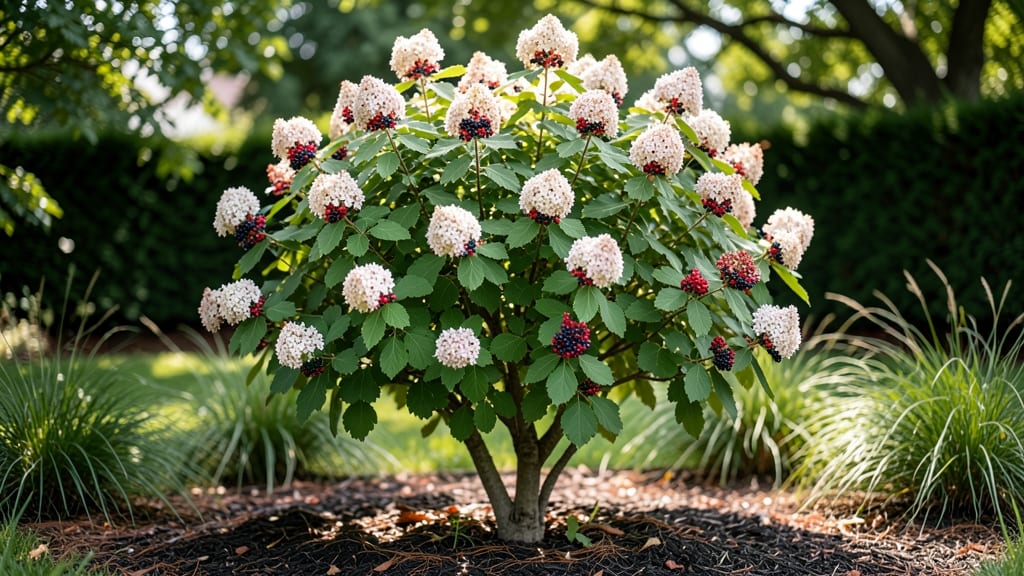
The height of a Viburnum Tree 🌿 can range from just 3 feet to towering over your fence at 15 feet, depending on the variety and how you care for it.
Picture this: You plant a compact Viburnum bodnantense in your small front yard, only to watch it stretch toward the sky like a teenager in a growth spurt.
What went wrong? The answer lies in understanding how pruning, soil, and sunlight shape its growth—and how to steer it toward your ideal size.
Some varieties, like Viburnum plicatum, naturally grow taller than 10 feet, while others, such as Viburnum dentatum, stay closer to 6 feet if pruned correctly. The key is knowing which type you have and when to trim to keep it in check without sacrificing those stunning blooms or berries.
In this guide, you’ll discover how to control your Viburnum’s height through simple pruning techniques, avoid common mistakes that send it skyward, and even pick dwarf varieties that fit perfectly in tight spaces—so you can enjoy its beauty without the overgrowth.

Viburnum tree height by variety: compact vs. tall shrubs explained
Choosing the right viburnum variety is the first step to controlling its height in your garden. Some species naturally stay under 6 feet, while others can reach 15 feet or taller without intervention.
The key difference lies in their genetic growth habits—some are bred to stay compact, while others grow tall unless you actively manage them through pruning and care.
For example, Viburnum bodnantense typically matures between 8-10 feet, while Viburnum dentatum stays closer to 6 feet if pruned regularly. Meanwhile, Viburnum plicatum (commonly called the Japanese snowball bush) can easily exceed 12 feet in height.
Understanding these differences helps you select the perfect viburnum for your space—whether you need a privacy hedge or a small accent shrub.
Here’s the critical factor: growth rate. Some varieties grow 2-3 feet per year in ideal conditions, while others add only 6-12 inches annually. This makes a huge difference in how quickly your viburnum fills out your garden—or overtakes it.
Let’s break down the most popular varieties by their mature heights and growth habits so you can make an informed choice.
If you’re working with a small garden or container planting, focus on dwarf varieties like Viburnum burkwoodii or Viburnum tinus. These stay under 6 feet and thrive in tight spaces.
For larger areas, Viburnum plicatum or Viburnum opulus add dramatic height and texture—but they’ll need regular pruning to stay manageable.
Another key consideration is growth habit. Some viburnums grow in a rounded bush shape, while others develop a more upright, tree-like form. For example, Viburnum bodnantense has a natural arching habit, while Viburnum dentatum grows in a denser, multi-stemmed form.
This affects how you prune and shape the plant over time.
For urban gardens or patios, consider Viburnum tinus or Viburnum burkwoodii. Both handle container growing well and can be pruned aggressively to maintain a 3-4 foot height. Just ensure the container is large enough—at least 18 inches in diameter—to accommodate their root systems.
Pro tip: If you’re unsure which variety you have, check the leaf shape
How to control Viburnum tree height through strategic pruning
Pruning your viburnum tree is the most effective way to manage its height and shape without harming its health or reducing future blooms. Many gardeners make the mistake of waiting too long to prune, leading to rapid vertical growth.
The key is timing—pruning at the right season and method can keep your viburnum at your desired height while encouraging a fuller, bushier appearance.
Whether you're dealing with a tall-growing species like Viburnum plicatum or a compact variety like Viburnum burkwoodii, the same principles apply. The goal is to control upward growth while promoting lateral branches for a balanced, manageable shrub.
Let's break down the exact steps to achieve this without sacrificing those prized spring blooms or berries.
Step-by-Step Pruning Guide for Viburnum Height Control
- 1 Choose the right time: Prune in late winter or early spring (just before new growth begins) for most varieties. For flowering viburnums like Viburnum bodnantense, wait until after blooming to avoid cutting off next year's flowers.
- 2 Gather the right tools: Use sharp bypass pruners for clean cuts and loppers for thicker branches. Sterilize tools with rubbing alcohol to prevent disease spread.
- 3 Remove dead or crossing branches: Start by cutting out any dead wood or diseased branches, then remove branches that cross or rub against others. This improves airflow and reduces disease risk.
- 4 Cut back 1/3 of the oldest stems: Select the tallest, oldest stems and cut them back to 6-12 inches from the ground. This encourages new growth from the base and prevents the plant from becoming too top-heavy.
- 5 Shape for bushiness: To encourage a fuller, wider shape, trim back the tips of newer growth by about 1/4 to 1/3. This stimulates branching and prevents leggy growth.
- 6 Avoid over-pruning: Never remove more than 1/3 of the plant's foliage in one season. Over-pruning stresses the viburnum and can reduce flowering or fruit production.
For dwarf varieties, you can be more aggressive with pruning to maintain their compact size. However, even these benefit from the same principles—removing old wood and shaping for bushiness. Always step back after pruning to visualize the shape and make adjustments as needed.
After pruning, apply a 2-inch layer of mulch around the base to retain moisture and protect roots. Water deeply to help the plant recover from the stress of pruning. With consistent care, your viburnum will stay at your desired height while maintaining its beauty and productivity. 🌿
Remember, pruning viburnums is an ongoing process. Repeat the process annually to maintain height and shape, and your viburnum will reward you with vibrant blooms and lush foliage for years to come. The key is patience and consistency—don't expect dramatic changes in just one season. ✂️