
Plants
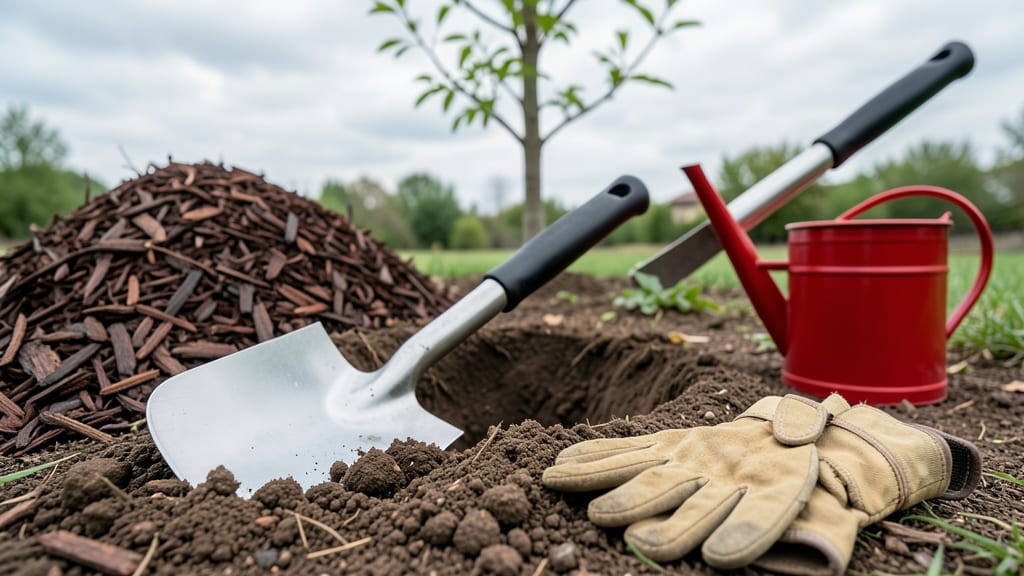
Planting a fig tree in New York works best after the last frost in late spring — typically May to June, depending on your hardiness zone.
New York’s unpredictable climate can make planting a fig tree a gamble—unless you know the exact frost-free window and hardiness zones that guarantee success. Skip the trial-and-error and learn when to plant for maximum survival and fruit production.
From the 5b zones of Upstate New York to the milder 7b areas of Long Island, timing varies. Urban microclimates and container growing can shift those windows even further, so I’ll break down the best strategies for your specific location.
You’ll discover how to prep your soil, choose the right variety for your zone, and even extend the growing season with simple tricks. Let’s get that 🍇 thriving!
NY hardiness zones & frost-free dates for planting fig trees
New York spans USDA Hardiness Zones 5b to 7b, creating dramatic differences in when you can safely plant fig trees. In Upstate NY (Zones 5b-6a), last frost dates average May 15-20, while Long Island and NYC (Zones 7a-7b) typically see their last frost by April 15-30.
These variations mean your planting window could shift by 6 weeks depending on location.
Fig trees thrive in Zones 7-10, so NY gardeners must use season extension techniques to succeed. The key is planting after your average last frost date—but with a buffer.
A late frost in May can still damage young fig trees, so I recommend waiting until mid-to-late May in most of NY, or early May only in the warmest zones like Long Island.
To get precise frost dates for your exact location, use the NYS Mesonet (New York State Mesonet). This free tool provides hyper-local frost data down to your neighborhood. Simply enter your ZIP code to see historical frost dates and 30-year averages—essential for planning your fig tree’s planting timeline.
| NY Region | USDA Zone | Avg Last Frost | Planting Window | Microclimate Tip |
|---|---|---|---|---|
| Upstate (Albany, Syracuse) | 5b-6a | May 15-20 | Mid-to-late May | Urban areas warm 2-3°F faster; plant 1 week earlier. |
| Capital Region (Saratoga) | 6a-6b | May 1-10 | Early-to-mid May | South-facing walls add 5-7°F warmth; ideal for containers. |
| Long Island (NYC, Suffolk) | 7a-7b | April 15-30 | Late April-early May | Coastal areas have delayed springs; monitor NYS Mesonet. |
| Western NY (Buffalo, Rochester) | 6b-7a | April 25-May 5 | Early May | Lake-effect zones stay 5°F cooler; plant near buildings. |
Microclimates play a huge role in NY gardening. Urban areas like Manhattan or Brooklyn can be 2-5°F warmer than rural zones just miles away due to heat island effect. If you’re in a city, you might safely plant 1-2 weeks earlier than the average frost date.
Conversely, valleys and shaded areas stay colder longer—add 10-14 days to your buffer period.
For container growing, you gain flexibility to move fig trees indoors before frost. Start potted figs 4-6 weeks earlier than in-ground planting, as containers warm up faster in spring. Just ensure your pots have drainage holes and use a lightweight potting mix to prevent root stress.
If you’re in Zone 5b (e.g., Albany or Syracuse), consider cold-hardy varieties like 'Chicago Hardy' or 'Celeste'. These can tolerate -15°F with proper winter protection, giving you a better chance of survival. For Zones 6-7, standard varieties like 'Brown Turkey' or 'Desert King' perform well with standard care.
Pro tip: Monitor the NYS Mesonet for 10-day forecasts in late April. If a late frost warning appears, delay planting by 1-2 weeks or use row covers for young trees.
This simple check can save your fig tree from frost damage and set you up for a successful first season. 🌱
Remember, fig trees need 6-8 hours of sun daily, so choose a south-facing location with wind protection. In colder zones, a sheltered spot near a building can add critical warmth. With the right timing and location, your fig tree will reward you with sweet, homegrown fruit
How to extend the growing season for fig trees in cold NY climates
New York’s Zone 5 winters can be brutal for fig trees, but with the right strategies, you can safely grow these fruit-bearing beauties year after year. The key lies in seasonal adjustments—from selecting cold-hardy varieties to using containers for mobility and protection.
Even in Upstate NY, where temperatures dip below 0°F, these methods work wonders.
One of the most effective ways to protect fig trees is by planting them in containers. This gives you the flexibility to move them indoors or into a greenhouse during winter. Another critical step is mulching heavily in late fall, which insulates roots from freezing temperatures.
Pair these techniques with cold-hardy varieties like 'Chicago Hardy' or 'Celeste,' and you’ll maximize your chances of a fruitful harvest.
Container Planting for Winter Protection
| Pros | Cons |
|---|---|
| ✅ Easy mobility – Move indoors or to a garage during frost. | ❌ Limited root space – Requires frequent repotting for mature trees. |
| ✅ Warmer soil – Containers heat up faster in spring. | ❌ Dries out faster – Needs more frequent watering in summer. |
| ✅ Better control – Adjust soil quality and drainage easily. | ❌ Costly setup – Large pots and winter storage space required. |
For in-ground planting, focus on mulching strategies that lock in soil warmth. Use a 6-inch layer of straw or wood chips around the base of the tree in late fall.
This acts as an insulating blanket, preventing roots from freezing. In early spring, remove the mulch to allow the soil to warm up faster—this jumpstarts growth when temperatures rise.
Another game-changer is selecting cold-hardy fig varieties. 'Chicago Hardy' is a top pick for NY gardeners, as it tolerates temperatures down to -15°F with proper protection. 'Celeste' is another excellent choice, known for its sweet fruit and resilience.
If you’re experimenting, consider dwarf varieties like 'Little Miss Figgy,' which are easier to manage in containers and still produce abundant fruit.
Don’t forget to prune strategically in late winter or early spring. Remove any dead or weak branches and open the canopy to improve airflow, reducing the risk of fungal diseases. This also encourages new growth once temperatures rise.
Pair pruning with a balanced fertilizer in early spring to give your fig tree the nutrients it needs to bounce back after winter.
With these techniques, you can extend the growing season for fig trees in NY’s cold climate—even in Zone 5. Whether you’re growing in containers or in the ground, the key is proactive protection and smart variety selection.
Your fig tree will thank you with juicy, homegrown fruit year after year. 🌱