
Pruning
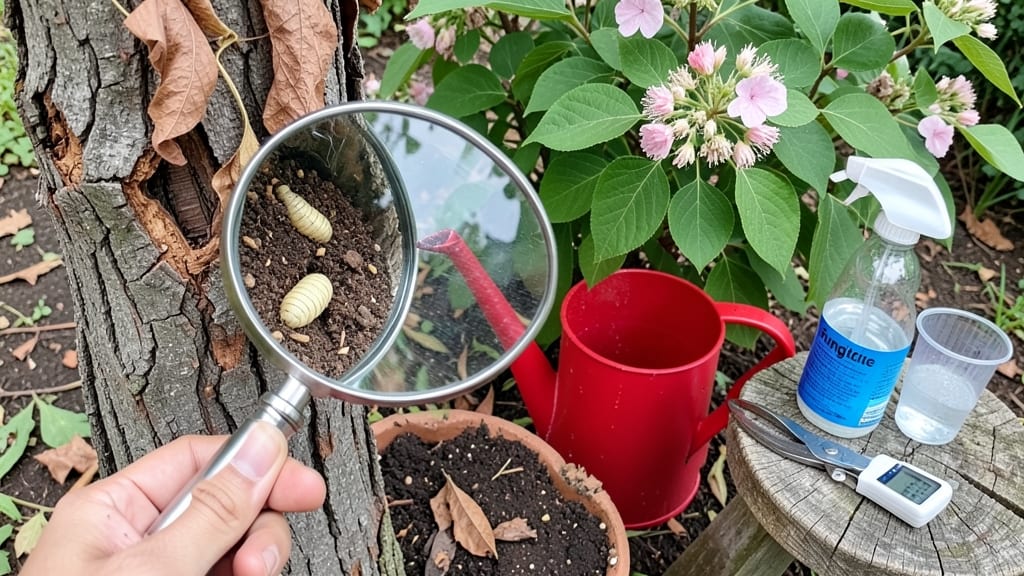
Your once-vibrant dogwood tree now looks like it’s throwing in the towel—why is my dogwood tree dying? Yellowing leaves, sparse blooms, or even dead branches by June? 🌳 The good news? Most dogwood decline starts with fixable issues: fungal diseases, pests, poor soil, or watering mistakes.
I’ve nursed back more dogwoods than I’d like to admit, and I’ll show you how to diagnose the problem in your tree’s symptoms.
Start with the basics: check the bark for cankers or oozing sap (a sign of bacterial blight), inspect leaves for spots or holes (likely powdery mildew or borers), and dig a foot down to see if roots are waterlogged or bone-dry.
Dogwoods hate soggy soil but also can’t handle drought—most problems stem from watering gone wrong. Once you spot the clues, we’ll tackle the fix, whether it’s pruning, soil amendments, or targeted treatments.
By the time you finish this, you’ll know whether your dogwood needs a deep watering schedule, a dose of fungicide, or just a little extra care to bounce back.
The key is acting fast—dogwoods recover better when you catch issues early. Let’s get your tree back to blooming like it’s May again.
If the damage is severe (like hollow stems or widespread dieback), don’t panic—sometimes the best move is calling an arborist. But for most cases, you’ve got this. Here’s how to start diagnosing right away.
Root Causes Behind Your Tree’s Decline
Dogwood trees (Cornus florida) are prized for their stunning spring blooms and elegant form, but when they start to decline, the reasons often trace back to underlying stress factors—some visible, others hidden beneath the soil or within the tree’s biology.
Understanding these triggers is the first step to revival. Below, we break down the most common culprits, explained in clear, actionable terms.
Dogwoods thrive in well-draining, slightly acidic soil (pH 4.5–6.0). If your tree’s soil is compacted, waterlogged, or nutrient-poor, roots struggle to absorb essential elements like nitrogen, phosphorus, and potassium. Signs of deficiency include:
- Yellowing leaves (chlorosis) – Often a sign of iron or manganese deficiency, common in alkaline soils.
- Stunted growth or small leaves – Indicates nitrogen or phosphorus shortages.
- Wilting despite moist soil – A red flag for root rot due to poor drainage.
Actionable fix: Test your soil (kits are affordable and available at garden centers) and amend with organic matter like compost or peat moss. For alkaline soil, add sulfur or pine needles to lower pH gradually. Mulch (2–4 inches of wood chips) helps retain moisture and improve soil structure.
Dogwoods are susceptible to fungal diseases, particularly anthracnose and powdery mildew, which thrive in humid, wet conditions. Pests like dogwood borers and scale insects also weaken trees by feeding on sap or tunneling into bark.
- Anthracnose: Dark, sunken spots on leaves (often with yellow halos) and blossom blight (flowers turn brown and mushy).
- Powdery Mildew: White, powdery coating on leaves, leading to leaf drop.
- Borers: Sawdust-like frass (insect waste) at the base of the trunk or D-shaped exit holes.
Actionable fix:
- 🌡️ Prevent fungal spread: Avoid overhead watering; water at the base in the morning. Remove and destroy infected leaves (do not compost).
- 🔥 Fungicides: Apply copper fungicide or neem oil at the first sign of disease (follow label instructions).
- 🔪 Borers: Prune infested branches and treat with beneficial nematodes or insecticidal soap.
Dogwoods are drought-tolerant once established, but their roots rot quickly in soggy soil. Conversely, prolonged drought stresses the tree, causing leaf scorch or dieback. Signs to watch for:
- Wilting leaves (even with wet soil) = root rot.
- Brown, crispy leaf edges = underwatering or heat stress.
- Mushrooms at the base = fungal decay from overwatering.
Actionable fix:
- 💡 Check soil moisture: Stick your finger 2 inches into the soil—if it’s damp, wait to water. Dogwoods prefer 1–1.5 inches of water per week (naturally or supplemented).
- 🌡️ Improve drainage: If your yard is clay-heavy, amend soil with sand or perlite and consider raising the bed slightly.
- ⏰ Water deeply but infrequently: Use a soaker hose or drip irrigation to deliver water slowly to the roots.
Dogwoods are shade-tolerant but prefer partial sun (4–6 hours of sunlight daily). Poor placement—whether in full shade (weak growth) or scorching afternoon sun (leaf burn)—can stunt them. Other environmental stressors include:
- Urban pollution: Ozone or salt damage (common near roads) causes leaf stippling or necrosis.
- Competition: Grassy lawns or invasive roots (like bamboo) steal nutrients.
- Winter burn: Desiccated leaves in winter (from dry air or wind) signal transplant shock.
Actionable fix:
- 🌿 Relocate if needed: If planted too close to a sidewalk or large tree, consider transplanting (best done in early spring).
- 🌡️ Protect from wind: Use a windbreak (like a fence or shrubs) if your yard is exposed.
- 🎯 Reduce competition: Remove grass within 3–4 feet of the trunk and mulch to suppress weeds.
Dogwoods have delicate bark and are sensitive to mechanical injury. Common mistakes include:
- Topping or over-pruning: Removing more than 25% of the canopy at once stresses the tree.
- Lawnmower or string trimmer wounds: Gashes near the trunk invite disease and borers.
- Improper cuts: Leaving stubs or cutting too close to the branch collar (the swollen base of a branch).
Actionable fix:
- 🔪 Prune correctly: Use clean, sharp tools and make cuts just outside the branch collar. Prune in late winter/early spring (before buds swell).
- 🛡️ Protect the trunk: Apply tree wrap if your dogwood is young or in a high-traffic area.
- 🌱 Avoid heavy pruning: If your tree is already stressed, skip pruning for a season to let it recover.
Revive Your Dogwood Tree Today
A dying dogwood tree can feel like a heartbreak, but don’t give up hope—many issues are fixable with the right care. Below, we’ll break down practical solutions for each common cause, step by step, so you can nurse your tree back to health.
We’ve also included prevention tips to keep your dogwood thriving for years to come.
Signs: Yellowing leaves, soggy soil, mushrooms at the base, or a tree that wobbles unnaturally.
How to Fix It:
- 🔥 Stop Watering Immediately
- Dogwoods hate "wet feet." If the soil feels damp within 1–2 inches of the surface, pause watering until it dries out.
- 🍳 Improve Drainage
- Dig a 6-inch-deep trench around the tree (1–2 feet from the trunk) to redirect excess water. Fill it with gravel or sand.
- If your yard has heavy clay soil, mix in compost or organic matter to loosen it up.
- 👨🍳 Prune Damaged Roots (If Severe)
- Gently loosen the top 6 inches of soil and inspect for black, mushy roots (sign of rot). Trim these with sterilized pruners and discard them.
- Replant with fresh, well-draining soil.
- ⏰ Adjust Your Watering Routine
- Water deeply but infrequently—about 1–1.5 inches per week (more in extreme heat). Use a soaker hose to avoid wetting the foliage.
💡 Prevention Tip:
- Plant dogwoods in mounded soil (a small hill) to encourage runoff. Avoid low-lying areas where water pools.
Signs: Crispy, brown edges on leaves, wilting even when watered, or dry, cracking soil.
How to Fix It:
- 🥘 Water Deeply and Slowly
- Use a garden hose or drip irrigation to water at the base of the tree (not the leaves) for 20–30 minutes, 2–3 times per week during dry spells.
- Aim for 6–12 inches of soil moisture—stick your finger in to check.
- 🌡️ Mulch Like a Pro
- Spread 3–4 inches of organic mulch (wood chips, bark, or pine straw) away from the trunk (keep it 6 inches back). This retains moisture and regulates soil temperature.
- 🎯 Provide Shade Temporarily
- If your dogwood is in a hot, sunny spot, set up a shade cloth (30–50%) for a few weeks to reduce stress while it recovers.
💡 Prevention Tip:
- Deep watering is better than frequent shallow drinks. A rain gauge can help track how much your tree naturally gets.
Signs: White powdery spots, black leaf spots, or premature leaf drop.
How to Fix It:
- 🔪 Prune Infected Branches
- Remove any leaves or branches with spots or powdery residue. Dispose of them in the trash (not compost)—fungus spreads easily!
- 🌿 Apply Fungicide (Organic or Chemical)
- Neem oil (mix 1 tbsp with 1 quart water + a drop of dish soap) or copper fungicide can help. Spray early morning or evening to avoid burning leaves.
- For severe cases, use propiconazole or myclobutanil (follow label instructions).
- 🌡️ Improve Airflow
- Thin out overcrowded branches to let air circulate. Dogwoods need space—aim for 6–10 feet between trees.
- ✨ Clean Up Debris
- Rake and remove fallen leaves from the base of the tree. Fungus loves to hibernate in old plant matter.
💡 Prevention Tip:
- Water at the base (not overhead) to keep leaves dry. Early morning watering gives foliage time to dry before nightfall.
Signs: Sawdust-like frass, sticky sap (honeydew), webbing, or tiny bugs on stems.
How to Fix It:
- 👨🍳 Blast Off Pests with Insecticidal Soap
- Mix 1.5 tbsp mild castile soap + 1 quart water in a spray bottle. Test on a small leaf first, then spray all surfaces (top and bottom of leaves).
- 🔥 Use Horticultural Oil for Stubborn Bugs
- Apply dormant oil (like Neem oil) in early spring or fall when pests are most vulnerable. Reapply every 7–10 days for 2–3 weeks.
- 🌿 Introduce Beneficial Insects
- Ladybugs, lacewings, or parasitic wasps eat spider mites and scale. Buy them online or attract them with native plants.
- 🌡️ Wrap the Trunk (For Borers)
- If you see exit holes or sawdust, wrap the trunk with tree banding tape (like Tanglefoot) to trap emerging borers.
💡 Prevention Tip:
- Healthy trees resist pests better! Ensure your dogwood gets balanced fertilizer (like 10-10-10) in early spring.
Signs: Scorched leaves, peeling bark, or branches snapping in high winds.
How to Fix It:
- 🌿 Provide Temporary Shelter
- In extreme heat, drape a lightweight shade cloth over the tree for a few hours a day.
- In winter, wrap the trunk with burlap or tree guard to prevent sunscald (bark damage from cold snaps).
- 🌡️ Adjust Planting Location (Long-Term Fix)
- If your dogwood is in a wind tunnel or full sun, consider relocating it to a sheltered, partially shaded spot.
- 💪 Boost Its Immunity
- Apply a balanced fertilizer (like 20-20-20) in early spring to help it recover faster.
💡 Prevention Tip:
- Mulch heavily in winter to protect roots from freeze-thaw cycles. Use 4–6 inches of mulch in cold climates.
Signs: Girdling (ring of stripped bark), broken branches, or chewed bark.
How to Fix It:
- 🔪 Remove Damaged Bark Carefully
- If a strip of bark is missing, gently pry it away (don’t force it). The tree may grow new bark over time.
- 🌿 Apply Tree Wound Pruning Sealant
- Coat the damaged area with pruning sealant (like Tanglefoot Tree Wound Pruning Sealant) to prevent infection.
- 🚧 Barrier Up the Area
- Install a physical barrier (like metal edging or chicken wire) to keep lawnmowers, rabbits, or deer away from the trunk.
💡 Prevention Tip:
- Mark the trunk with flagging tape or paint so you remember to avoid mowing near it.
Final Thought: Most dogwoods are tough survivors—they just need a little TLC to bounce back. Start with the most obvious issue (like overwatering or pests), then work on long-term prevention. With patience, your tree could be blooming beautifully in just a few seasons! 🌸
Frequently asked questions
Why are my dogwood leaves turning yellow first on older branches?
This classic symptom often signals nutrient deficiency or root stress. Dogwoods typically show yellowing on older leaves first when they're not getting enough iron or nitrogen. Check soil pH—if it's above 6.0, roots struggle to absorb iron. Test your soil and amend with compost or sulfur if needed. Overwatering can also cause this by suffocating roots.
Can I save a dogwood with dead branches but still green leaves?
Yes! If the foliage is healthy but branches are dead, you likely have borer infestation or disease in specific areas. Prune out all dead/dying wood back to healthy tissue, then treat with beneficial nematodes for borers or copper fungicide if you see spots. The key is acting fast—dead branches won't regrow, but healthy ones can sprout new growth.
How do I know if my dogwood is getting enough (or too much) water?
Stick your finger 2 inches into the soil—if it's bone dry, water deeply. If damp, wait. Dogwoods need 1-1.5 inches of water weekly (rain counts!). Wilting leaves = underwatering; mushrooms at the base = overwatering. Use a soaker hose to deliver water slowly to roots, never overhead. Early morning watering prevents fungal issues.
Is it too late to fix my dogwood if it's already lost most of its leaves?
Not necessarily! Start by pruning dead branches (cut just outside the branch collar) and applying 2-3 inches of mulch to protect roots. If it's late fall/winter, focus on soil health—add compost and test pH. For spring, plan to fertilize lightly (10-10-10) and monitor for pests. Dogwoods are resilient—even severely stressed ones can recover with proper care.
Why does my dogwood bloom poorly after years of beautiful flowers?
Poor blooming often means your tree is stressed. Check for over-pruning (never remove >25% of canopy at once), drought stress, or nutrient deficiencies. Dogwoods need 6+ hours of sun and well-draining soil. If you've had fungal issues, they may have damaged flower buds. Feed with phosphorus-rich fertilizer in early spring to encourage blooms.