Pruning
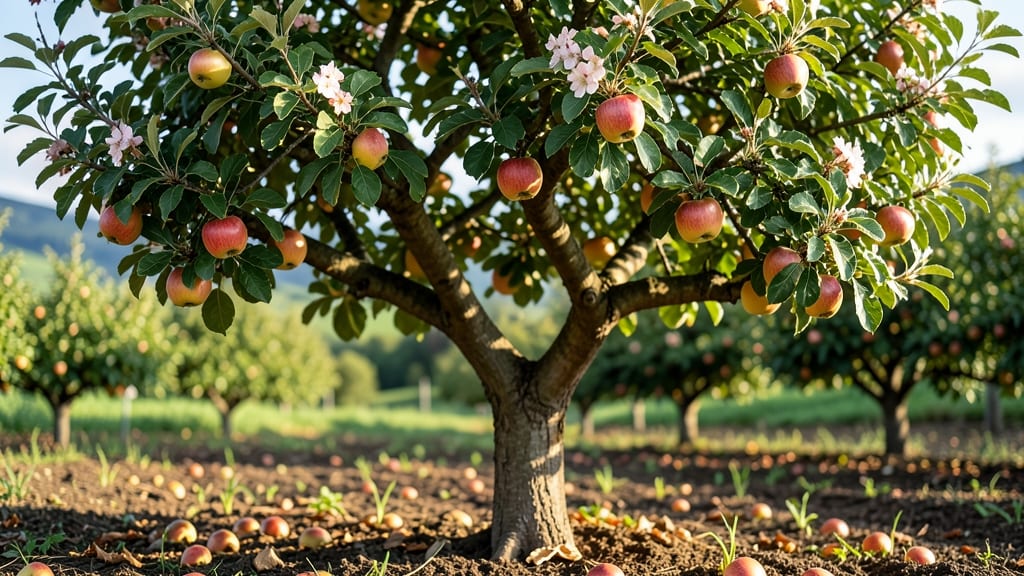
The secret to a bumper harvest from your winesap apple tree pollination lies in choosing the right pollinating partners—because even the most meticulously cared-for tree can struggle without the right cross-pollination. Picture this: you’ve planted your Winesap, watered it religiously, and even pruned it just right—yet your tree still produces fewer apples than you’d hoped. The missing piece? Most apple trees, including Winesaps, need a pollination partner to set fruit. Without one, those pretty white blossoms won’t turn into the juicy harvest you’re dreaming of.
Here’s the good news: pairing your Winesap with just three compatible varieties can dramatically boost your yield. We’ll break down the science of apple tree pollination, reveal the best pollinating partners for Winesaps, and share pro tips to ensure your orchard thrives—no guesswork required.
Ready to turn your backyard into a fruit-bearing paradise? Let’s dive into how to maximize your Winesap’s potential with smart pollination strategies.
How Winesap apple tree pollination works: the science behind cross-pollination
The Winesap apple tree is a classic variety known for its sweet-tart flavor, but it won't produce fruit without proper cross-pollination. Unlike self-pollinating varieties, Winesap requires pollen from a different apple tree to set fruit.
This means planting at least two compatible varieties within 50-100 feet of each other to ensure successful pollination and a bountiful harvest.
Apple tree pollination relies on bees and wind to transfer pollen between flowers. When bees visit flowers, they pick up pollen on their bodies and carry it to another tree's blossoms. The Winesap's bloom period typically occurs in late April to early May, aligning with many other apple varieties.
However, environmental factors like temperature, rain, and wind can significantly impact pollination success.
For optimal fruit set, temperatures during bloom should stay between 50-85°F. Cooler temperatures (below 50°F) slow bee activity, while extreme heat (above 90°F) can damage pollen.
Rainy conditions can wash away pollen, reducing pollination efficiency. Understanding these factors helps gardeners plan for better pollination outcomes and maximize their Winesap's yield.
Here’s a quick breakdown of the key pollination requirements for Winesap apple trees:
| Pollination Factor | Requirement | Notes |
|---|---|---|
| Pollination Type | Cross-pollination | Needs a different apple variety within 50-100 ft |
| Primary Pollinators | Bees (honeybees, bumblebees) | Wind assists but bees are most effective |
| Bloom Period | Late April to early May | Aligns with most apple varieties |
| Ideal Temperature | 50-85°F | Cooler temps slow bee activity |
| Distance to Pollinator | 50-100 feet | Closer = better pollination success |
| Environmental Risks | Rain, frost, wind | Can reduce pollination efficiency |
Choosing the right pollinator variety is crucial. The best partners for Winesap are apple trees that bloom at the same time and produce compatible pollen.
For example, Golden Delicious and Granny Smith are excellent choices because their bloom periods overlap with Winesap's. These varieties also thrive in similar climates, making them ideal companions for your orchard.
If you're planting in a small backyard, consider a dwarf or semi-dwarf variety like Honeycrisp or Fuji. These trees mature smaller but still produce enough pollen to effectively pollinate your Winesap. Just ensure they’re within the 50-100 foot range for optimal cross-pollination.
Bees play a vital role in apple tree pollination. To attract more bees to your orchard, plant bee-friendly flowers like lavender, clover, or sunflowers nearby. Avoid using pesticides during bloom time, as they can harm bees and reduce pollination success.
Even a small hive or bee hotel can boost pollination rates significantly.
Timing is everything when it comes to apple tree pollination. The first 7-10 days of bloom are the most critical for successful pollination. During this window, bees are most active, and pollen is most viable.
If you notice few bees visiting your trees, consider hand-pollinating by gently transferring pollen from one flower to another using a small paintbrush or cotton swab.
Environmental factors like late frosts or prolonged rain can disrupt pollination. To mitigate these risks, plant your Winesap in a sheltered location or use frost cloths to protect blossoms during cold snaps. Monitoring weather forecasts and planning your orchard layout accordingly can help you avoid common pollination pitfalls.
Once pollination occurs, you’ll notice tiny apples (king fruit) forming on the tree. These will either grow into full-sized fruit or drop off naturally. If you see a high number of king fruit but few mature apples, it may indicate poor pollination or over-thinning.
In this case, manually thin the fruit to 6-8 inches apart to ensure the remaining apples have enough energy to grow properly.
Understanding the science of cross-pollination empowers you to create an orchard that thrives. By selecting the right pollinator varieties, attracting bees, and protecting your trees from environmental risks, you’ll set your Winesap apple tree up for a successful and abundant harvest. 🌿
Top 3 best pollinating partners for Winesap apple trees (with flower timing charts)
Selecting the right pollinating partners for your Winesap apple tree can transform a sparse harvest into a bountiful orchard. Since Winesaps rely on cross-pollination, pairing them with compatible varieties ensures better fruit set.
The three best choices—Golden Delicious, Granny Smith, and Honeycrisp—offer perfect bloom timing, flavor synergy, and regional adaptability. Let’s explore why these varieties make ideal companions and how their flowering periods align with Winesap’s.
Each of these apple varieties not only blooms during the same late April to early May window as Winesap but also thrives in similar climates. For example, Golden Delicious is a classic pollinator with a sweet, mild flavor that complements Winesap’s tartness.
Meanwhile, Granny Smith adds a crisp, tangy contrast, while Honeycrisp brings a juicy, honeyed sweetness. Together, they create a balanced orchard ecosystem that boosts both pollen transfer and fruit diversity.
🌱
| Variety | Bloom Period | Flavor Profile | Best For | USDA Zones |
|---|---|---|---|---|
| Golden Delicious | Late April - Early May | Sweet, mild, versatile | Baking, fresh eating | 4-8 |
| Granny Smith | Late April - Early May | Tart, crisp, refreshing | Salads, snacks, cooking | 5-9 |
| Honeycrisp | Mid to Late April | Sweet-tart, juicy, crunchy | Fresh eating, desserts | 3-8 |
Golden Delicious is a top pollinator because its bloom period overlaps perfectly with Winesap’s, typically spanning from late April to early May. This variety is also disease-resistant and adapts well to USDA Zones 4-8, making it a reliable choice for most gardeners. Its sweet, mild flavor pairs well with Winesap’s tartness, creating a balanced harvest. Plus, Golden Delicious trees are self-pollinating, meaning they’ll produce fruit even if planted alone—but their pollen will still effectively pollinate your Winesap.
Granny Smith is another excellent partner, especially if you prefer a tangy, crisp apple alongside your Winesaps. Its bloom period aligns closely with Winesap’s, and it thrives in USDA Zones 5-9. Granny Smith’s high acidity makes it a great choice for salads or snacking, while its hardy nature ensures consistent pollination. This variety also benefits from cross-pollination, so planting it near your Winesap will boost both trees’ fruit set.
For those with limited space, Honeycrisp is a fantastic dwarf or semi-dwarf option. Its bloom period starts slightly earlier, around mid to late April, ensuring overlap with Winesap’s blossoms.
Honeycrisp’s explosive sweet-tart flavor and crunchy texture make it a favorite for fresh eating, while its adaptability to USDA Zones 3-8 broadens its suitability. Since Honeycrisp is also self-pollinating, it’s a great addition to small orchards or backyards.
When planning your orchard, consider tree spacing and regional climate. All three varieties should be planted within 50-100 feet of your Winesap for optimal pollen transfer. In cooler climates (Zones 3-5), Honeycrisp and Golden Delicious thrive, while warmer zones (6-9) benefit from Granny Smith’s heat tolerance.
To further enhance pollination, plant bee-attracting flowers like lavender or clover nearby, ensuring a steady stream of pollinators during bloom time.
By pairing your Winesap with these three pollinating partners, you’ll create a self-sustaining orchard that maximizes fruit yield and flavor diversity. Watch as your trees burst into bloom and transform into a fruit-bearing paradise—all thanks to the power of smart cross-pollination! 🌿🍏