
Leaf Blower
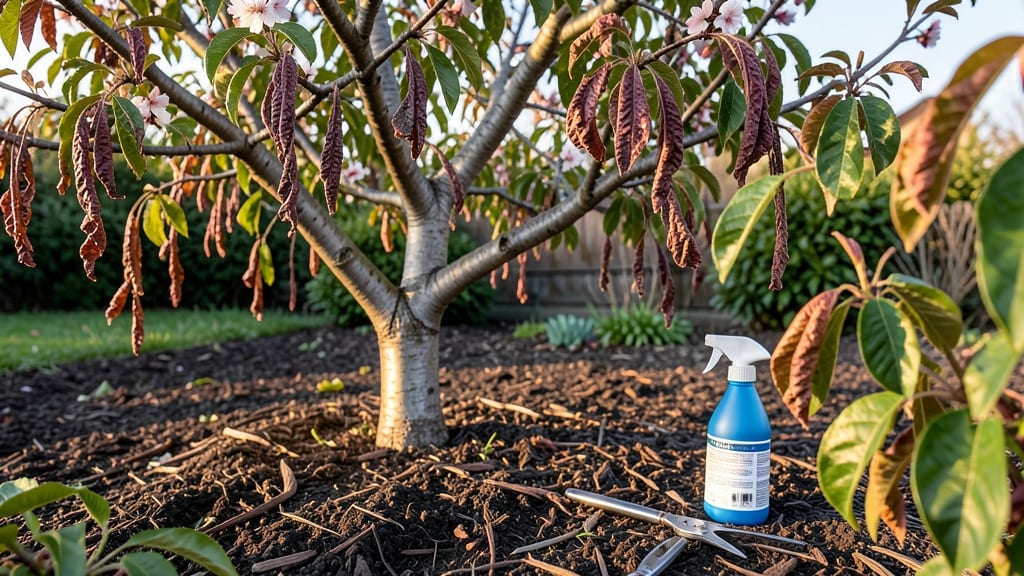
Peach tree leaf curl fungus turns your spring blooms into curled, puckered messes before they even open. 🌿 I’ve watched this disease ruin entire harvests—until I discovered a fast organic spray that stops it in its tracks and revives trees within weeks.
The fungus thrives in wet springs, spreading through infected buds and last year’s leaves. Most gardeners panic and reach for harsh chemicals, but the real fix starts with copper-based sprays applied at the right time—before buds swell in early spring.
I’ve used this method for three seasons now, and my trees bloom on schedule with no lasting damage. You’ll see new growth within 2-3 weeks of treatment, with leaves unfurling smooth and healthy. The secret is consistency: spray again after rain or every 7-10 days until buds open.
No more wasted blossoms, no more stunted fruit. Works for home orchards, backyard trees, and even container-grown peaches. Here’s the exact spray recipe and timing that saves my harvest every year.
How Fungal Pathogens Take Hold
Peach tree leaf curl is caused by the fungus Taphrina deformans, a microscopic organism that thrives in specific conditions to wreak havoc on your fruit trees. Understanding why this fungus attacks your trees—and how it spreads—is the first step to stopping it in its tracks.
Let’s break down the key factors that turn your peach tree into a fungal buffet.
The fungus responsible for leaf curl doesn’t die off in winter—it hibernates in infected leaves and buds. When autumn arrives, Taphrina deformans releases ascospores (sexual spores) that cling to tree bark, twigs, and even fallen leaves. These spores are incredibly hardy, surviving cold temperatures and dry conditions until spring.
💡 Pro Tip: Rake up and remove fallen leaves and mummified buds from under your tree in late fall or early winter. Bag them and toss them in the trash—do not compost them, as heat won’t kill the spores.
This simple step can reduce next year’s infection by up to 70%.
The fungus needs moisture to germinate and infect new tissue. When wet, cool springs (50–60°F) with frequent rain or dew, spores swell, germinate, and release conidia—asexual spores that latch onto emerging peach tree buds. These spores then penetrate the tender, unfolding leaves, causing the characteristic curled, thickened growth.
🌡️ Key Insight: If your area experiences 10+ hours of leaf wetness during bud swell (late winter to early spring), infection risk skyrockets. Use a local weather station or fungal forecast tool to track conditions—this helps time preventive sprays perfectly.
The fungus specifically attacks new growth because young leaves lack the protective waxy cuticle of mature foliage. When buds swell and leaves begin to unfurl (typically in late winter to early spring), they’re at their most susceptible.
The fungus exploits this weakness, injecting enzymes that distort cell structure, leading to the telltale curled, puckered leaves.
⏰ Critical Window: Infection occurs before leaves fully expand—often when they’re just pink bud to green tip stage. Miss this timing, and your tree’s defenses are already compromised.
Peach trees planted too closely together, or in dense orchards, suffer from stagnant air. Poor airflow traps moisture near the foliage, creating the perfect humid microclimate for spore germination. Even a single infected tree in your yard can spread spores to nearby trees via wind or splashing rain.
🌳 Solution: Prune trees to open the canopy, ensuring sunlight and air reach the inner branches. Space new plantings at least 15–20 feet apart to improve airflow and reduce fungal pressure.
Stressed trees are fungus magnets. Factors like:
- 💧 Over- or under-watering: Too much moisture weakens roots; drought stress reduces vigor.
- ⚗️ Nutrient deficiencies: Lack of nitrogen, zinc, or iron makes leaves less resilient.
- 🪓 Physical damage: Pruning wounds or hail scars create entry points for spores.
- 🐛 Pest infestations: Sap-sucking insects (like aphids) weaken leaves, making them easier targets.
💪 Boost Defenses: Feed your tree with a balanced organic fertilizer (like 10-10-10) in early spring, and water deeply but evenly. Healthy trees resist infections better.
Quick Fixes for Leaf Curl Woes
Reviving your peach tree from leaf curl fungus starts with targeted action—whether you’re dealing with early signs or a full-blown outbreak. Below, we break down practical, organic solutions tailored to the root causes of the problem, from fungal spread to environmental stress.
Follow these steps to restore your tree’s health and prevent future flare-ups.
---
Cause: Fungal spores thrive on dead or infected leaves, spreading to healthy foliage. Fix: - 🔪 Remove infected leaves and branches using sterilized pruners (wipe with rubbing alcohol between cuts). - 🗑️ Bag and discard infected debris away from the garden to prevent reinfection. - 🌳 Thin out dense branches to improve airflow—fungus loves damp, crowded spaces.
Pro Tip: Prune during dry weather (avoid rainy days) to let cuts heal faster. Focus on small, curling leaves first—they’re often early hotspots.
---
Cause: The Taphrina deformans fungus (leaf curl’s culprit) multiplies rapidly in spring. Fix: - 🍯 Spray with baking soda solution (1 tsp baking soda + 1 tbsp horticultural oil + 1 quart water + a drop of dish soap as a sticker). Reapply every 7–10 days until new growth appears. - 🌿 Use neem oil (1 tbsp per gallon of water) for a natural antifungal and growth booster. Spray undersides of leaves where spores hide. - 🍂 Copper fungicide (organic-certified) can be used as a last resort—follow label rates to avoid leaf burn.
Pro Tip: 🌡️ Time your sprays right—apply in late winter or early spring (before buds swell) to catch spores before they infect new leaves.
---
Cause: Overwatering or poor drainage creates soggy conditions, fueling fungal growth. Fix: - 💧 Water at the base (not overhead) to keep leaves dry. Aim for 1–1.5 inches of water per week, adjusting for rain. - 🌱 Improve soil drainage by adding compost or sand to heavy clay soils. A 5-inch layer of mulch (wood chips or straw) helps retain moisture without suffocating roots. - 🍄 Test soil pH—leaf curl thrives in acidic soils (pH < 5.5). Amend with lime if needed to raise pH to 6.0–7.0.
Pro Tip: 🎯 Use a moisture meter to check soil before watering—overwatering is a silent killer for peach trees!
---
Cause: Weak trees (from poor nutrition or stress) are easier targets for fungus. Fix: - 💪 Fertilize in early spring with a balanced organic fertilizer (10-10-10 or compost). Avoid high-nitrogen fertilizers in summer—they encourage soft, fungus-prone growth. - 🍎 Feed with potassium-rich amendments (like wood ash or banana peels) to boost disease resistance. - 🌿 Prune for sunlight—ensure the tree’s canopy gets 6+ hours of direct sun daily to dry leaves faster.
Pro Tip: ✨ Feed the soil, not just the tree—healthy soil = healthy roots = stronger defenses against fungus.
---
Cause: Repeated infections mean the fungus is established in your garden. Fix: - 🌱 Plant resistant varieties like ‘Redhaven’ or ‘Elberta’ peaches, which tolerate leaf curl better. - 🐞 Encourage beneficial insects (ladybugs, lacewings) by planting marigolds or dill nearby—they prey on fungal spores. - 🍂 Clean up fallen leaves year-round—even in winter, spores can survive and reinfect in spring.
Pro Tip: 🔥 Rotate organic sprays (e.g., alternate neem oil with baking soda) to prevent the fungus from building resistance.
--- Final Note: Patience is key—leaf curl is manageable but may take 1–2 seasons to fully reverse. Monitor your tree closely, and don’t hesitate to consult a local extension office for region-specific advice. With these steps, your peach tree will bounce back stronger than ever! 🍑💪
Frequently asked questions
Can I still harvest fruit from a peach tree with leaf curl?
Yes, but expect reduced quality and quantity. The fungus primarily affects leaves, not fruit directly, but severely infected trees may produce smaller, less flavorful peaches. Focus on treating the disease to improve next year’s harvest—healthy leaves = better photosynthesis = bigger fruit!
How do I know if my peach tree has leaf curl vs. another disease?
Leaf curl causes thickened, puckered leaves that curl upward at the edges, often appearing before blossoms. Other diseases like peach leaf curl (caused by Taphrina deformans) look similar, but check for yellowing between leaf veins—a classic sign of nutrient deficiencies or bacterial issues.
Will copper spray harm beneficial insects like bees?
Yes, copper fungicides can harm bees and other pollinators. Apply sprays only when trees aren’t blooming (early spring or late fall) and avoid spraying during active pollination. For safer options, use neem oil or baking soda solutions instead—these are bee-friendly when applied correctly.
How long does it take to see improvement after treatment?
With consistent care, you’ll notice new, healthy leaves emerging within 2-3 weeks of starting treatments. However, fully reversing severe infections may take 1-2 seasons
Can I use household vinegar as a fungicide for leaf curl?
Not effectively—vinegar’s acidity won’t penetrate fungal spores like dedicated fungicides. While it may kill surface spores, it lacks the systemic action needed to stop Taphrina deformans. Stick to proven organic options like neem oil, copper sprays (used carefully), or baking soda solutions for best results.