
Diseases
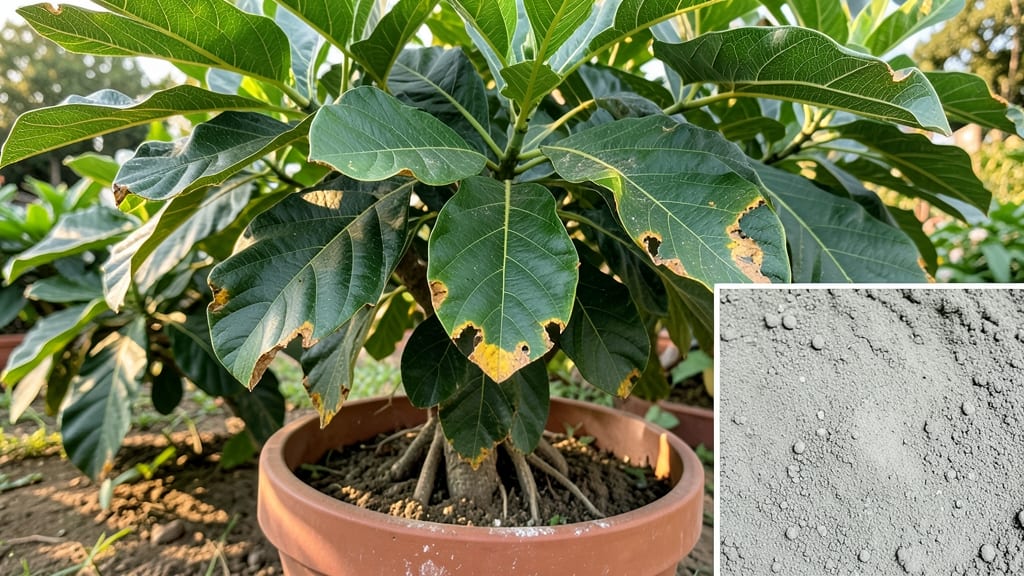
Struggling with brown tips on your avocado tree leaves? These 10 actionable fixes address root causes—from watering habits to hidden pests—so your plant thrives with lush, healthy foliage in weeks.
Adjust Watering Schedule for Avocado Trees
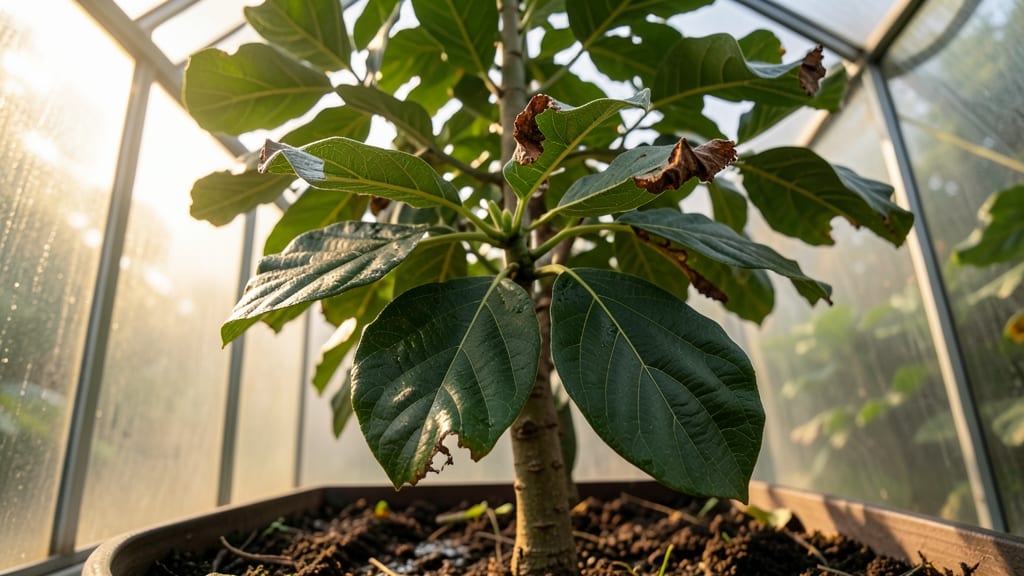
Avocado trees thrive in tropical conditions, but their delicate leaves often signal watering woes through brown tips. Unlike drought-tolerant succulents, avocados demand a precise moisture balance—too much or too little triggers the same distressing symptom. The key lies in mimicking their natural rainforest environment, where soil stays consistently moist but never soggy.
Water your avocado tree when the top 1-2 inches of soil feel dry to the touch, typically every 7-10 days for container-grown trees. Use a moisture meter for accuracy, as visual cues like wilting can be misleading. For indoor trees, reduce watering in winter when growth slows. Always use a pot with drainage holes to prevent root rot, and water thoroughly until it drains from the bottom.
This method works best for container gardeners and indoor growers who often struggle with inconsistent moisture levels. Mastering this balance will give your avocado tree the resilience it needs to bounce back from brown tips. 🌱
Check Soil Drainage and Repot if Needed
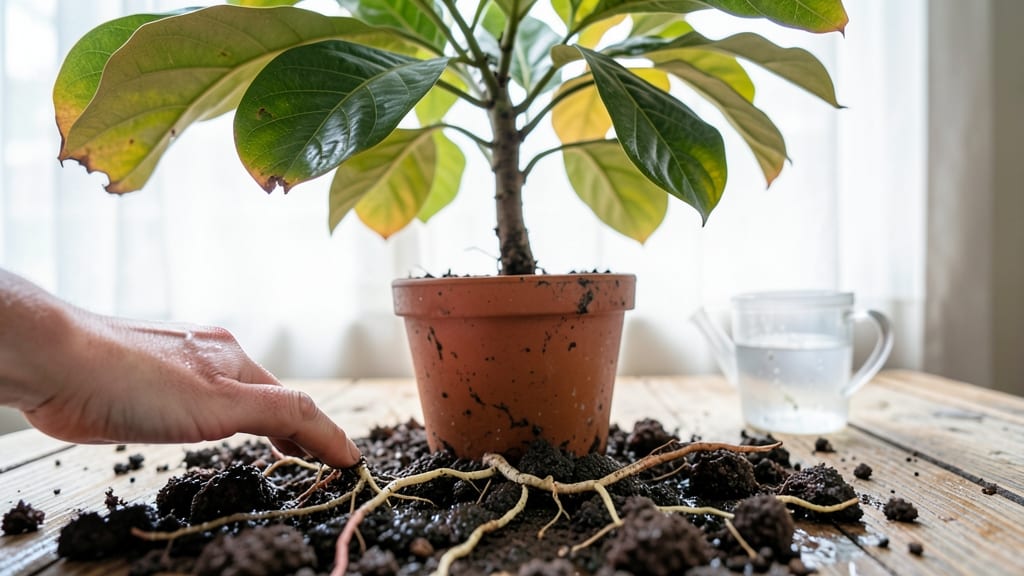
If your avocado tree’s brown tips persist even after adjusting watering, poor soil drainage could be the hidden culprit. Root rot from soggy soil suffocates roots, preventing nutrient uptake and causing leaf damage—often silently. The fix starts with a simple test: press a finger into the soil after watering. If it stays damp for more than a day, your mix retains too much moisture.
Repot your tree into a container with drainage holes (terracotta pots work best) and use a well-draining mix like cactus or succulent soil blended with perlite. For indoor growers, elevate pots on saucers to prevent water pooling. If roots are visibly circling or mushy, trim the affected areas with sterilized scissors before repotting. This step alone can stop brown tips within weeks by giving roots the airflow they crave.
This solution is especially critical for urban gardeners with limited outdoor space—container-bound avocado trees are prone to drainage issues. With the right setup, your tree will focus energy on new growth instead of struggling to breathe. 🌱
Fertilize with Avocado-Specific Nutrients
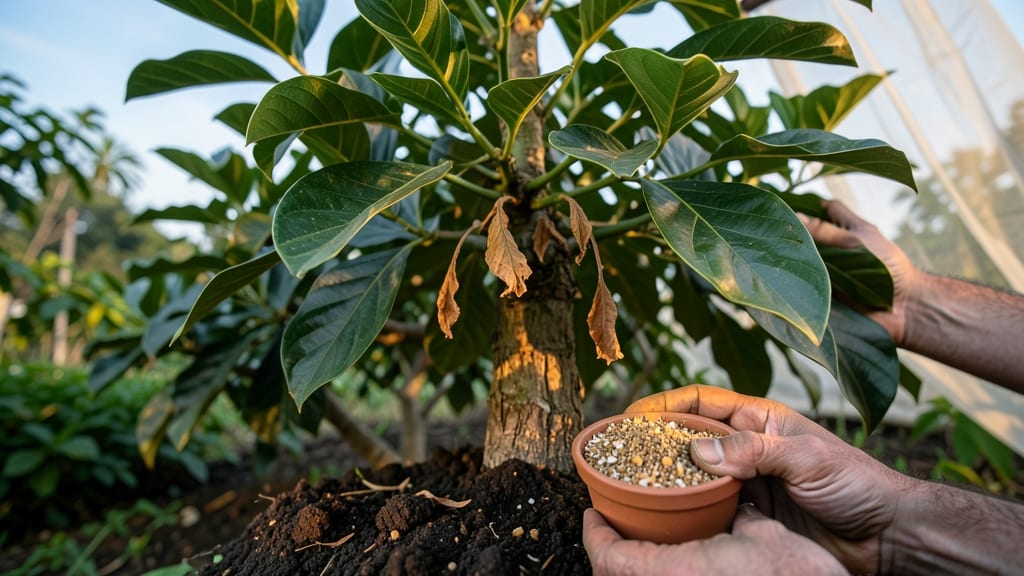
When your avocado tree’s leaves start showing brown tips, it’s often a cry for help—not just from water, but from the right nutrients. Avocados thrive when their soil is rich in potassium and magnesium, two minerals that help regulate water uptake and leaf function.
Use a balanced, citrus-friendly fertilizer (like a 6-6-6 or 8-3-9 formula) every 4-6 weeks during growing season. Look for products containing magnesium sulfate (Epsom salt) or potassium nitrate to directly target the deficiency. Apply fertilizer to moist soil and water thoroughly afterward to prevent root burn.
This approach works best for indoor gardeners or those growing avocados in containers, where nutrient depletion happens faster. With consistent feeding, you’ll see new growth emerge within weeks. 💚
Test for Chlorine and Fluoride in Water
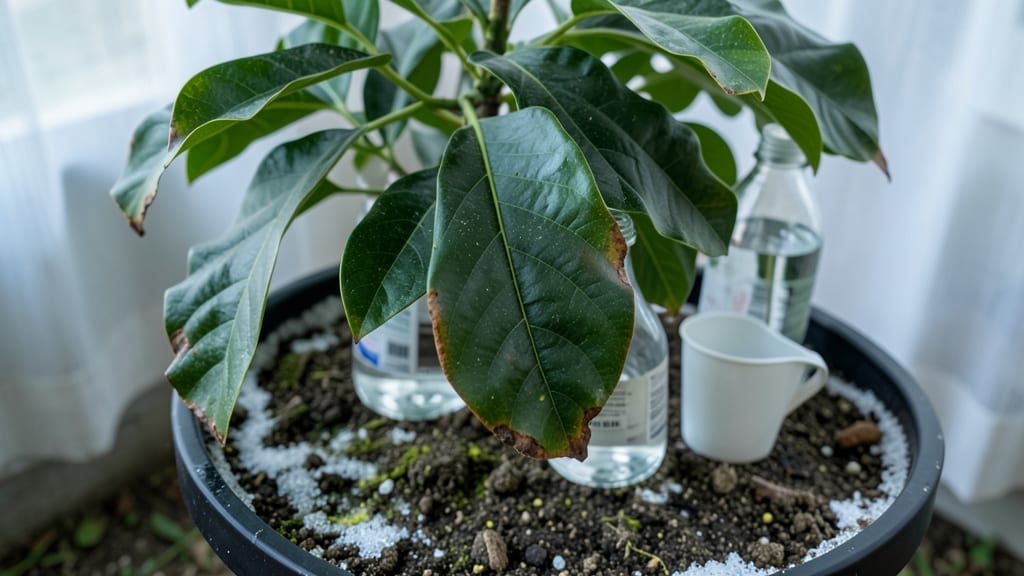
Notice brown tips appearing even after adjusting your watering routine? The culprit might be lurking in your tap water—chlorine and fluoride can burn your avocado tree’s tender leaves over time. These chemicals, added to municipal water supplies for safety, can accumulate in soil and cause gradual damage that looks like underwatering.
Start by testing your water with affordable chlorine test strips (available at garden centers or pool supply stores). If levels exceed 1 ppm, switch to filtered or rainwater for watering. For quick fixes, dilute tap water with distilled or rainwater in a 1:1 ratio until you can implement long-term filtration. Even a simple charcoal water filter attached to your watering can removes up to 99% of chlorine, protecting your tree’s foliage.
Urban gardeners and indoor plant parents will find this especially helpful—avocado trees thrive with chemical-free water, just like their tropical relatives. A small change in water source can mean the difference between brown tips and vibrant, healthy leaves. 💚
Identify and Treat Spider Mites
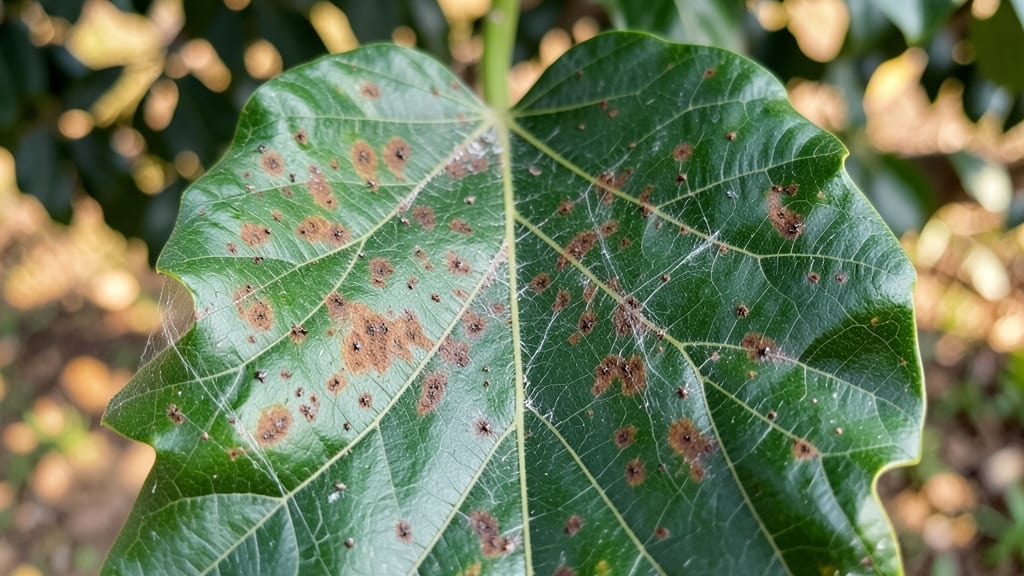
Those stubborn brown spots on your avocado tree leaves might not be from watering—tiny spider mites could be the culprit. These nearly invisible pests thrive on the undersides of leaves, sucking sap and leaving behind telltale webbing and discoloration that mimics nutrient deficiencies.
To confirm an infestation, hold a magnifying glass under the leaves and look for speckled yellowing or fine webbing. For organic control, mix neem oil with water (1 tsp per quart) and spray both sides of leaves weekly until the mites disappear. Repeat every 7-10 days for prevention, especially in dry indoor conditions where mites flourish.
This solution works best for indoor gardeners or those with container-grown avocado trees where pests can spread rapidly. Early detection with a magnifying glass is key—don’t wait until the entire leaf turns brown! 🌿
Prune Damaged Leaves for Better Airflow
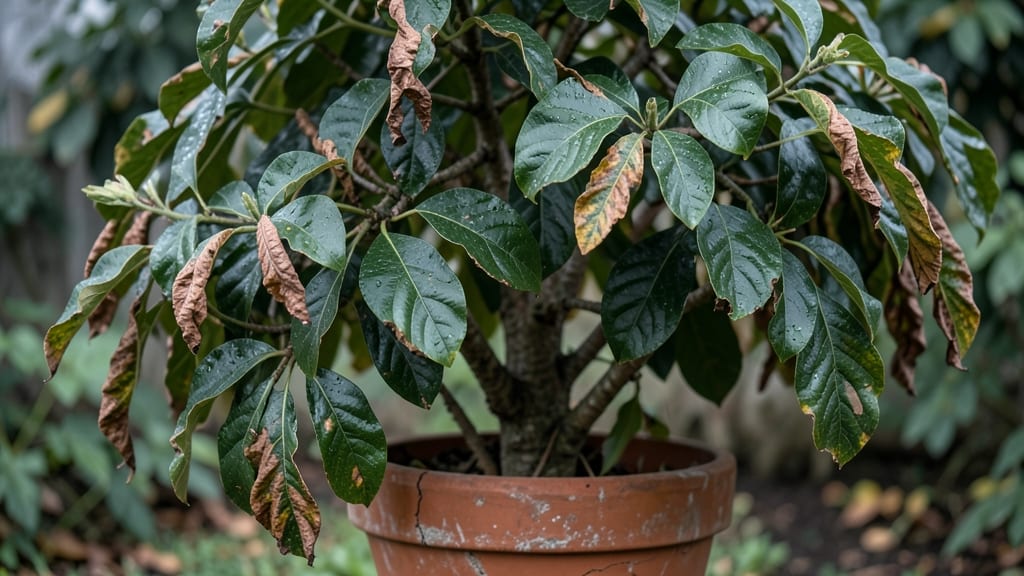
When your avocado tree’s leaves look like they’ve been singed at the edges, overcrowded foliage might be the culprit. Dense growth traps moisture, creating the perfect environment for fungal infections and bacterial rot—both of which worsen brown tips and weaken your plant over time.
Start by pruning brown tips with clean, sharp scissors, cutting just above the healthy green tissue. Thin out crowded branches by removing 20-30% of the foliage to improve air circulation, especially around the center of the tree. Focus on leaves that block sunlight from reaching inner branches, as this encourages new growth to develop stronger and healthier.
This simple step isn’t just for aesthetics—it’s a preventative measure that reduces stress on your tree and cuts down on future browning. Perfect for busy gardeners who want to maintain their avocado’s health with minimal effort. 🌿
Boost Humidity for Indoor Avocado Trees
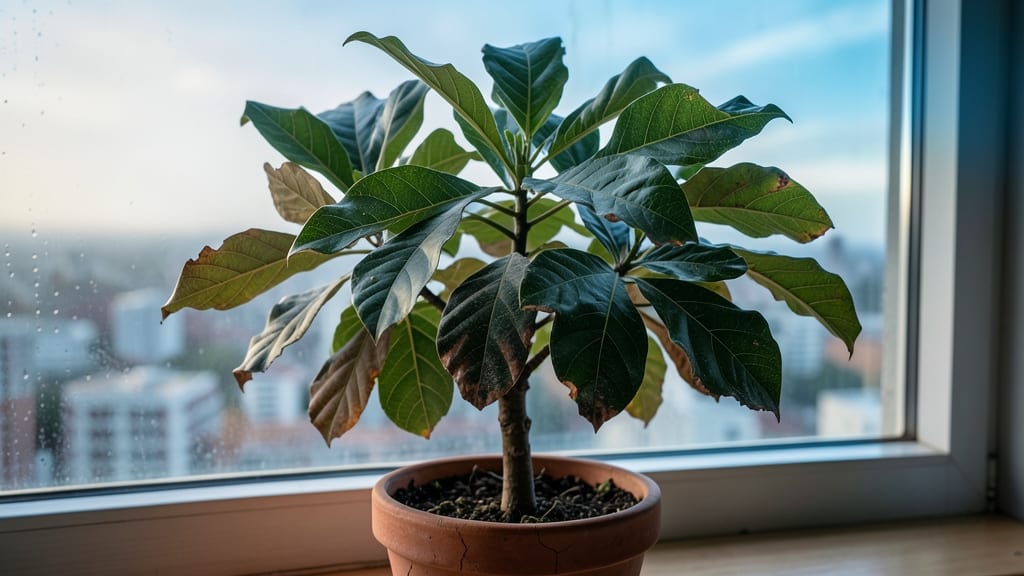
If your avocado tree leaves are developing crispy brown edges despite proper watering, the culprit might be your home’s dry indoor air. Avocados thrive in humid tropical environments, and indoor heating or AC systems can create conditions that mimic a desert—leaving your tree parched and stressed.
Create a simple humidity tray by filling a shallow tray with pebbles and water, then place your pot on top (ensure the pot sits above the waterline to avoid soggy roots). Alternatively, mist leaves daily with a spray bottle, focusing on the undersides where stomata absorb moisture. Aim for 50-60% humidity—a hygrometer helps track progress. Grouping plants together also raises ambient moisture levels naturally.
This solution is especially helpful for urban gardeners with limited outdoor space or those living in arid climates. With consistent humidity, you’ll see new growth emerge within weeks, and those brown tips will fade away. 💚
Rotate Tree for Even Sunlight Exposure
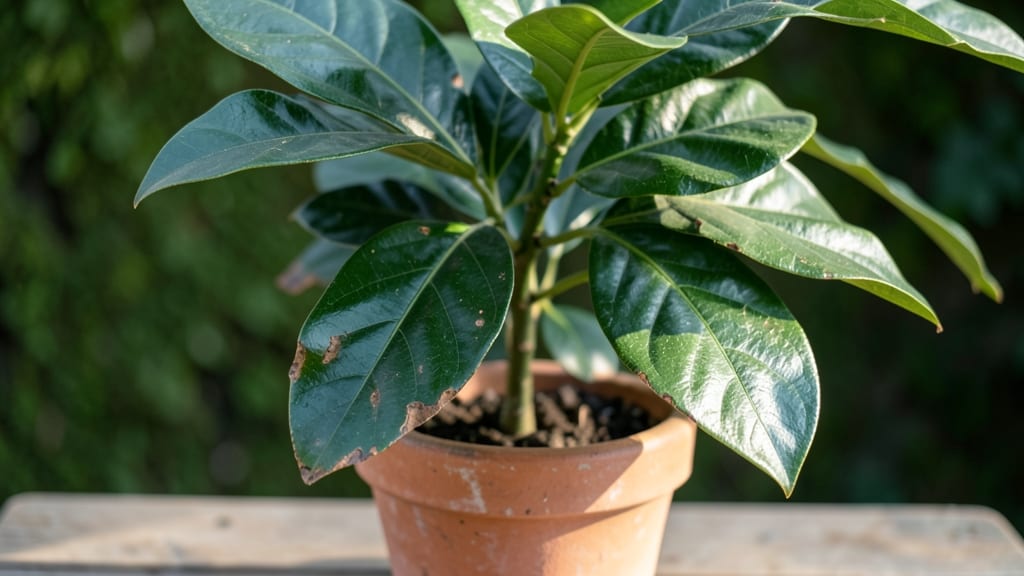
If your avocado tree’s leaves look like they’re playing favorites with sunlight, it’s time to step in as the fair sun distributor. Uneven light exposure stresses leaves, causing brown tips on the sun-starved sides while others stay lush. A simple rotation can prevent this imbalance and keep your tree growing uniformly.
Rotate your avocado tree ¼ to ½ turn weekly—this ensures all leaves get equal access to light, whether it’s from a south-facing window or grow lights. If you notice brown tips forming on one side, that’s your cue to adjust the rotation more frequently. For container-grown trees, a rotating plant stand makes this effortless, while outdoor trees can be gently turned by hand.
This method is especially helpful for indoor gardeners and those with limited space, as it maximizes growth without extra equipment. Just a few minutes of rotation keeps your tree thriving. 🌱
Inspect for Root Bound Conditions
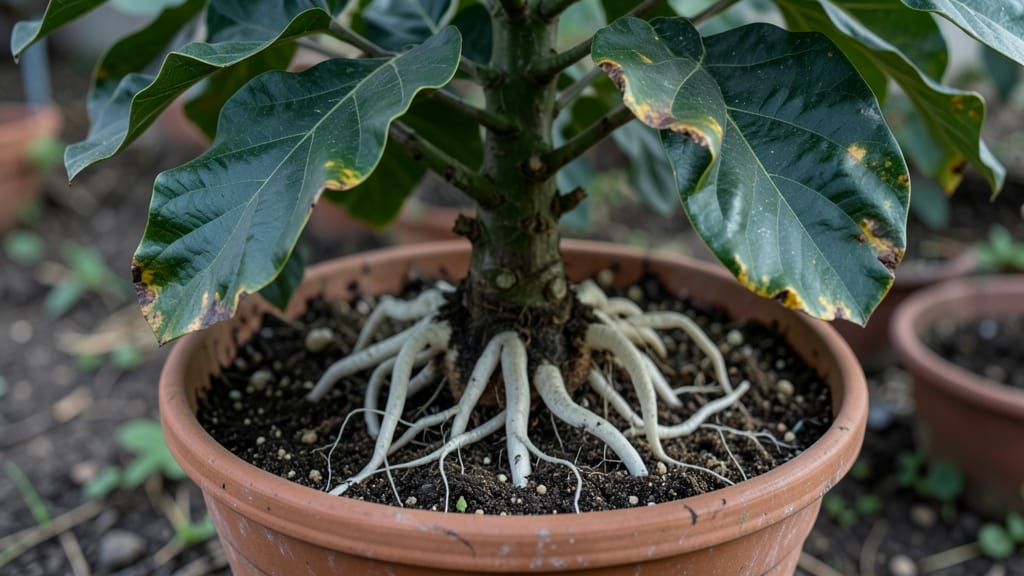
When your avocado tree’s leaves show stubborn brown tips despite your best efforts, the problem might be lurking below the soil. Root-bound conditions—where roots circle the pot—strangle water and nutrient flow, causing stress that manifests as leaf damage. This often happens when your tree outgrows its container without a fresh start.
To check, gently remove the plant from its pot and examine the roots. If they’re densely wrapped like a ball or spilling out the drainage holes, it’s time to repot. Use a container just 2-3 inches larger in diameter, loosen the roots with your fingers, and refresh the well-draining potting mix to encourage new growth. Water thoroughly after repotting to help the roots settle into their new space.
This simple step is especially helpful for container gardeners or those growing avocados indoors, where root restriction is common. A little TLC below ground can make all the difference for your tree’s recovery. 🌱
Use Epsom Salt for Magnesium Deficiency

When your avocado tree develops yellow-brown tips despite proper watering and sunlight, magnesium deficiency might be the culprit. This common issue occurs when the soil lacks sufficient magnesium, a vital nutrient for chlorophyll production and leaf health.
To restore your tree’s vibrant green color, mix 1 tablespoon of Epsom salt into a gallon of water and apply it to the soil monthly. For a foliar boost, spray the solution lightly on the leaves every 4-6 weeks. This simple, cost-effective fix works wonders for magnesium-deficient plants, including avocados, citrus, and tomatoes.
This solution is perfect for houseplant gardeners or anyone growing avocados in containers where nutrient depletion happens faster. With consistent care, your tree will regain its lush, healthy appearance in just a few applications. 💚