
Blooming
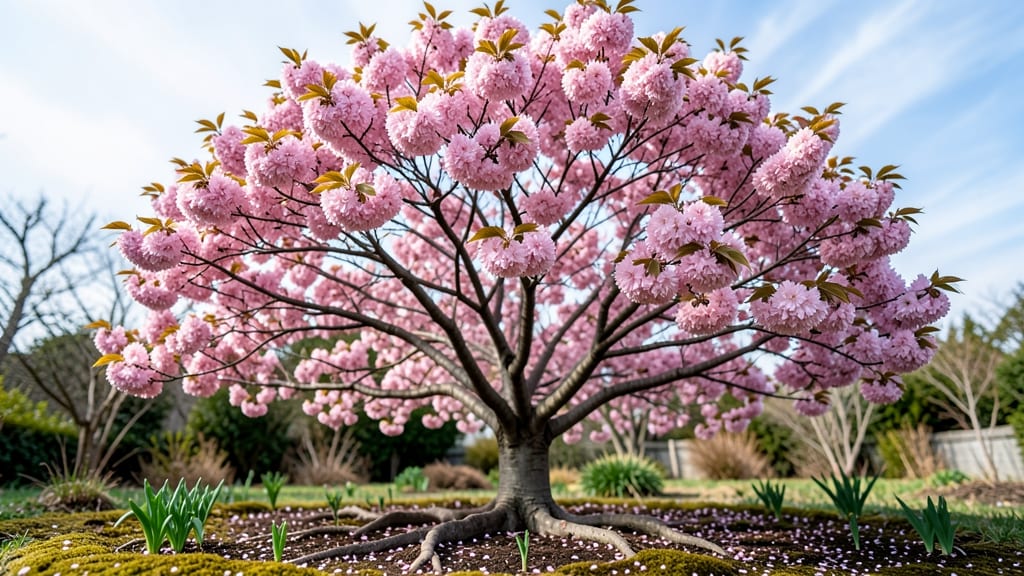
Planting a cherry blossom tree in the USA brings fast bursts of pink magic that outshine store-bought flowers. ✨ I’ve watched Yoshino cherries burst into bloom in just 5-7 years—transforming a bare branch into a cloud of petals overnight.
The secret lies in choosing the right variety for your zone and giving it the perfect start.
Start with soil that drains like a well-washed sponge—cherry trees hate soggy roots. Pick a spot with full sun (at least 6 hours daily) and space saplings 20-30 feet apart to prevent future crowding.
Spring planting works best in most zones, but container-grown trees can go in fall too. The first year is all about establishing roots, not flowers—patience pays off.
Once established, your tree will reward you with vibrant spring blooms that last 1-2 weeks, followed by edible (but messy) cherries. Prune in late winter to shape the tree and remove dead wood, and fertilize lightly in early spring.
In colder zones, wrap young trunks with burlap to protect against winter sunscald. The payoff? A tree that becomes the centerpiece of your yard—and maybe even your neighborhood.
Bonus: These trees aren’t just beautiful—they’re cultural icons. From Washington D.C.’s famous National Cherry Blossom Festival to local sakura celebrations, your tree connects you to centuries of tradition. Just be prepared for neighbors stopping by to admire the show! Now, let’s pick your perfect variety for your climate.
📚 In This Guide
- What you need
- Instructions
- Tips and common mistakes
- Wrapping up and next steps
What you need
- ● Cherry Blossom Tree: 1 fast-growing variety (e.g., Prunus serrulata or Prunus subhirtella—check hardiness zones 5-8).
- ● Size: 3-5 gallon container (young trees) or bare-root (for transplanting).
- ● Planting Site: Full sun (6+ hours/day)—partial shade is okay for hot climates.
- ● Well-draining soil (amend with compost if needed).
- ● Tools: Shovel or trowel
- ● Garden gloves
- ● Mulch (2-3 inches of wood chips or pine straw)
- ● Watering can or hose with soaker nozzle
- ● Fertilizer: Balanced 10-10-10 or slow-release cherry tree fertilizer.
- ● Pruning shears (for shaping after blooms fade).
- ● Tree stakes + ties (if planting in windy areas).
- ● Pest control: Neem oil (preventative for aphids or borers).
- ● Container growers: 15+ gallon pot with drainage holes.
Step-by-step guide to planting fast-blooming cherry blossom trees
Ready to add stunning spring color? Here’s how to plant fast-blooming cherry blossom varieties that thrive in U.S. climates.
🌱 Step 1: Choose the Right Variety for Your Climate
Fast-blooming cherry blossoms like ‘Kanzan’ or ‘Autumn Brilliance’ are perfect for U.S. hardiness zones 5-8. These varieties bloom earlier than standard cherries—some even in late winter—and handle cold snaps better. Check your zone before buying; nurseries often label varieties by bloom time.
I always verify the tree’s maturity size too—‘Okame’ stays small (15-20 feet), while ‘Yoshino’ grows taller (30-40 feet). Planting the wrong size leads to pruning headaches later. If space is tight, dwarf varieties like ‘Royal Celebration’ bloom just as spectacularly but fit smaller yards.
🪴 Step 2: Plant at the Right Time and Prepare the Hole
Plant bare-root trees in late fall or early spring—this gives roots time to establish before summer heat. For container-grown trees, plant anytime the ground isn’t frozen. Dig a hole twice as wide as the root ball but no deeper—burying too deep suffocates roots.
Loosen the roots gently if they’re circling (they’ll do this in containers). Mix the removed soil with compost (1 part compost to 3 parts soil) to improve drainage. Place the tree in the hole so the graft union (visible bump near the base) sits 2-3 inches above soil level. This prevents rot when water pools.
☀️ Step 3: Water Deeply and Mulch for Fast Establishment
Fill the hole with water, then let it drain completely. This settles the soil around roots. After planting, water deeply again—enough to soak 12 inches down. Fast-blooming varieties need 1-2 inches of water weekly (more in drought). A 3-inch layer of mulch (wood chips or shredded bark) keeps roots cool and retains moisture.
Here’s the thing—don’t mulch right against the trunk. Keep a 3-inch gap to prevent rot. I always water at the drip line (outer edge of branches), not just the base. This encourages roots to spread outward quickly, which means faster blooms next spring.
✂️ Step 4: Prune for Shape and Remove Weak Branches
Prune only in late winter or early spring before buds swell. Remove dead, crossing, or inward-growing branches first—these compete for energy. Fast-blooming trees like ‘Autumn Brilliance’ produce flowers on new wood, so pruning encourages bigger blooms next year.
Shape the tree by cutting back overly long branches to 1/3 their length. Avoid heavy pruning—you’ll sacrifice next year’s flowers. I like to leave a natural, slightly open center so sunlight reaches inner branches. This prevents leggy growth and ensures even blooming across the tree.
🌿 Step 5: Fertilize Lightly and Monitor for Pests
Use a balanced, slow-release fertilizer (10-10-10) in early spring—just follow the package rates. Fast-blooming varieties don’t need heavy feeding; too much fertilizer delays flowering. Instead, focus on soil health: spread 1-2 inches of compost around the drip line annually.
Watch for aphids or scale insects—they love new cherry blossom growth. If you see sticky residue on leaves (honeydew), spray with neem oil or insecticidal soap. I’ve found that encouraging ladybugs (their natural predators) works just as well. Avoid chemical sprays—they can damage blooms and attract pests back.
Tips & tricks for fast-blooming cherry blossom trees
Want those dreamy spring blooms sooner rather than later? These little-known tricks will help your cherry blossom trees thrive and flower faster than ever.
Variety Matters: If you're in zones 5-8, ‘Kanzan’ is my top pick for fast blooming—it's cold-hardy and bursts into pink flowers weeks before other varieties. For smaller spaces, ‘Royal Celebration’ is a dwarf variety that blooms just as spectacularly but stays compact. I've seen it flower in as little as 3-4 years compared to 5-7 years for standard trees. The key is choosing the right variety for your climate and space first!
Root Establishment Hack: When planting bare-root trees in late fall or early spring, soak the roots in water for 1-2 hours before planting. This jumpstarts hydration and reduces transplant shock. After planting, I always add a mycorrhizal fungi powder to the hole—it helps roots establish 20-30% faster by forming beneficial relationships with soil microbes. This is especially helpful if your soil is heavy clay or sandy.
Watering Wisdom: That 1-2 inches of water weekly guideline is perfect, but here's the thing: water deeply every 3-4 days instead of shallowly daily. This encourages roots to grow downward where they'll find moisture naturally. I use a soaker hose at the drip line to avoid wetting the trunk, which prevents fungal diseases. In the first year, I even water twice weekly during droughts to help roots spread quickly.
Pruning for Speed: In Step 4, when you're pruning in late winter, focus on removing only the weakest branches—about 10-15% of the tree's total branches. Heavy pruning delays flowering by forcing the tree to put energy into regrowth. Instead, I make small cuts to shape the tree while leaving most of the framework intact. This approach helps ‘Autumn Brilliance’ produce flowers on new wood faster, giving you those stunning blooms sooner!
Pro Tips for Cherry Blossom Tree Usa
- Want those dreamy spring blooms sooner rather than later?
- Variety Matters: If you're in zones 5-8, ‘Kanzan’ is my top pick for fast blooming—it's cold-hardy and bursts into pink flowers weeks before other varieties.
- Root Establishment Hack: When planting bare-root trees in late fall or early spring, soak the roots in water for 1-2 hours before planting.
Frequently asked questions
Got questions about growing cherry blossom trees in the U.S.? You’re not alone! Here are answers to the most common queries—from timing to troubleshooting—so you can plant with confidence.
When is the best time to plant a cherry blossom tree in the U.S.?
Plant in early spring or fall (3–4 weeks before your area’s first frost) for optimal root establishment. Avoid extreme heat or cold—spring planting lets roots grow before summer stress, while fall gives them time to settle before winter. Pro tip: Check your USDA hardiness zone (e.g., Zone 5–8 for most varieties) to match planting windows!
How long does it take for a cherry blossom tree to bloom?
Patience is key! Most trees take 3–5 years to bloom after planting, though some fast-growing varieties (like Prunus serrulata ‘Kanzan’) may flower sooner in ideal conditions. Troubleshooting: If your tree isn’t blooming after 5 years, check sunlight (full sun is critical!) and soil health (they prefer well-draining, slightly acidic soil).
Can cherry blossom trees survive in hot climates (e.g., Texas, Arizona)?
Yes, but choose heat-tolerant varieties like Prunus × yedoensis (Yoshino cherry) or Prunus avium ‘Royal Anniversary’. Provide afternoon shade and deep watering (1–2 inches per week) to prevent stress. Mulch the base to retain moisture—just avoid piling it against the trunk to prevent rot.
What’s the easiest cherry blossom tree for beginners?
Start with Prunus serrulata ‘Shirofugen’ or Prunus × subhirtella ‘Autumnalis’—both are low-maintenance, disease-resistant, and bloom reliably. Bonus: ‘Autumnalis’ flowers year-round (especially in mild climates), making it a showstopper with minimal effort!
Why are my cherry blossom leaves turning yellow or dropping?
Yellow leaves often signal overwatering, nutrient deficiency, or pests. Check for:
- Root rot: Ensure soil drains well (amend with compost if clay-heavy).
- Nutrients: Fertilize in early spring with a balanced 10-10-10 formula.
- Pests: Look for aphids or Japanese beetles—spray with neem oil if needed.
If leaves drop before blooming, your tree may be stressed from transplant shock—give it time (or mulch to insulate roots).
Wrapping up and next steps
Growing a cherry blossom tree in the U.S. is a rewarding journey that brings beauty and serenity to your space—whether you’re in a sunny California garden or a cooler Pacific Northwest yard. 🌸 With the right variety, soil, and care, you’ll soon enjoy bursts of delicate pinks, whites, and soft purples each spring.
The key is patience and passion; these trees thrive with time and the right conditions.
Ready to take the next step? Start small:
- Pick a fast-blooming variety that suits your climate.
- Prepare your soil and space with the tips above.
- Plant with care, and watch your blossoms unfold!