
Pruning
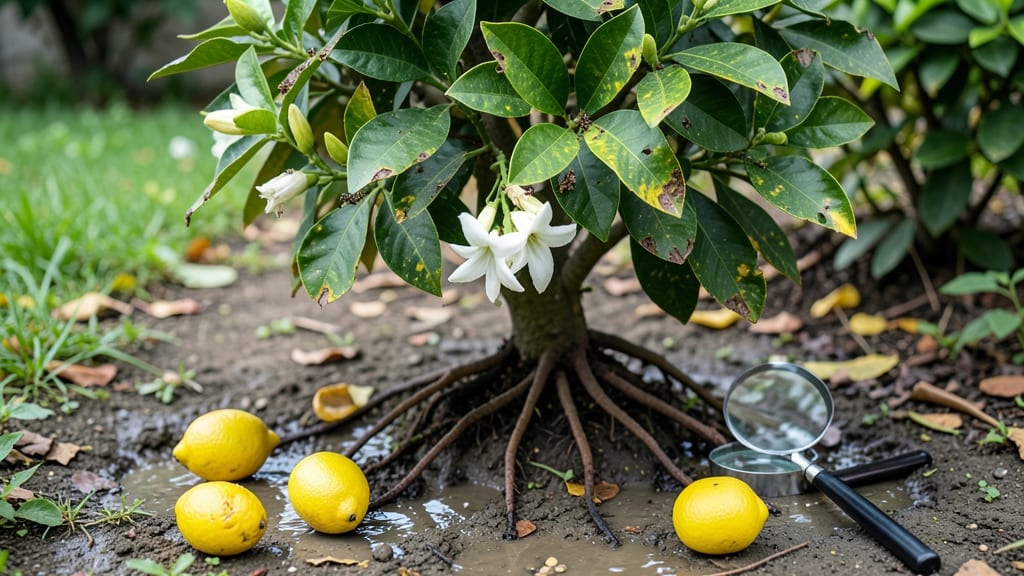
Your citrus tree issues—whether it’s yellowing leaves or sudden fruit drop—aren’t just cosmetic; they’re urgent warnings. 🌿 I’ve seen healthy citrus trees spiral into removal within months when homeowners ignore these five early signs, and I’ll show you how to catch them before it’s too late.
The most common culprits are overwatering (which drowns roots), nutrient deficiencies (especially nitrogen or magnesium), and pests like scale insects that suck sap, leaving sticky residue. Fungal diseases like citrus canker spread fast in humid climates, turning leaves into crinkled, oozing messes.
The key is acting fast—once branches die back, recovery gets nearly impossible. You’ll learn to diagnose each problem by leaf color, fruit texture, and bark condition, then apply targeted fixes: pruning dead growth, adjusting watering schedules, or spraying organic neem oil for pests.
My lemon tree went from wilted to blooming again after just two treatments—it’s all about catching issues early. This works for Meyer lemons, oranges, and even dwarf varieties in containers. Let’s save your tree before the symptoms become permanent.
📚 In This Guide
- What you need
- Instructions
- Tips and common mistakes
- Wrapping up and next steps
What you need
- ● Pruning shears: Sharp, bypass-style shears (for cuts under ½ inch thick). Quantity: 1 pair.
- ● Loppers: Heavy-duty loppers (for thicker branches, ½ to 1½ inches). Quantity: 1 pair.
- ● Pruning saw: Curved-tooth saw (for branches 1½+ inches thick). Quantity: 1.
- ● Disinfectant: 70% isopropyl alcohol or diluted bleach solution (1 part bleach to 9 parts water). Quantity: Small spray bottle.
- ● Gloves: Heavy-duty, cut-resistant gloves (to protect hands from thorns and sap). Quantity: 1 pair.
- ● Safety glasses: For eye protection from debris. Quantity: 1 pair.
- ● Tarp or drop cloth: To collect pruned branches and debris. Quantity: 1 (5x7 ft or larger).
- ● Rake: For clearing fallen leaves and small debris. Quantity: 1.
- ○ Pruning sealant: Optional but helpful for sealing larger cuts (½ inch or wider). Quantity: Small tube.
- ● Ladder: Sturdy, extendable ladder (for tall trees). Height: At least 12–14 ft.
- ● Tree bag or tarp: For collecting large branches (reduces weight for easier transport).
- ● Garden hose with nozzle: For rinsing tools and cleaning up sap.
- ● Marking spray: Fluorescent paint (to mark branches for removal or pruning).
- ● First-aid kit: In case of minor cuts or scrapes.
Citrus tree issues: how to diagnose and address early warning signs
Spotting trouble early saves your citrus tree—and your patience. Here’s how to identify the first signs of distress before they become irreversible.
🌿 Step 1: Check Leaf Health for Hidden Problems
Start by examining the leaves, as they’re the first to show stress. Healthy citrus leaves are glossy, deep green, and firm to the touch. If you notice yellowing between the veins (a classic sign of nutrient deficiency), it’s usually a lack of nitrogen or magnesium. Yellowing at the edges, paired with brown crispy spots, often means overwatering or salt buildup in the soil.
Look for small black or brown spots on leaves—this could signal fungal issues like melanose or anthracnose, especially in humid climates. If leaves are puckered or curled, it might be spider mites or scale insects hiding on the undersides. Don’t ignore these early signs; they’re your tree’s way of saying, “Something’s wrong—fix this now!”
☀️ Step 2: Inspect the Bark for Cracks or Oozing Sap
Run your fingers gently over the trunk and larger branches. Healthy bark should feel smooth and slightly rough, like sandpaper. If you find deep vertical cracks (especially in older trees), this could mean drought stress or winter damage. Cracks allow pests and diseases to enter, so seal them with pruning paint if they’re wider than ¼ inch.
Watch for sticky, oozing sap—this is a red flag for aphids, scale, or citrus greening disease. Scrape a small area with your fingernail; if a white, cottony substance appears beneath the bark, you’ve got scale insects. Act fast: these pests weaken the tree by sucking sap and spreading disease. A strong blast of water can knock them off, but severe infestations need horticultural oil.
💧 Step 3: Test the Soil for Moisture and Compaction
Stick your finger 2-3 inches deep into the soil. If it feels dry, your tree might be thirsty—but if it’s soggy, you’re overwatering. Citrus trees prefer well-draining soil that’s slightly moist but never waterlogged. Overwatering suffocates roots and invites root rot, while underwatering causes leaf drop and stunted growth.
Dig a small hole near the drip line (the edge of the tree’s canopy) to check for compaction or hardpan. If the soil feels like packing dirt, roots can’t expand properly. Amend the area with 2-3 inches of compost and organic matter to improve aeration. Compacted soil also traps excess salts, which burn roots over time—flush the soil with water to leach out buildup.
✂️ Step 4: Look for Root or Branch Damage
Gently lift the mulch layer (if present) to inspect the root flare—the bulge at the base of the trunk where roots meet soil. Healthy roots should be white or light tan and firm. If they’re black, mushy, or smelly, root rot is likely. This is often caused by poor drainage or fungal infection and can kill a tree in weeks if untreated.
Check for dead or dying branches—these will be brittle, with no green underneath the bark when scraped. Use sterilized pruning shears to remove them at a 45-degree angle, cutting just outside the branch collar (the swollen area where the branch meets the trunk). Never leave stubs; they invite disease. If more than 20% of the canopy is dead, the tree may be beyond saving.
🪴 Step 5: Monitor Fruit for Abnormal Growth or Absence
Citrus trees should produce some fruit annually, even if not heavily. If your tree has no fruit at all, it could be due to lack of sunlight, improper pollination, or nutrient deficiencies. Move the tree to a sunnier spot (citrus needs 6-8 hours of direct sun daily) and fertilize with a balanced citrus formula in early spring. Some varieties (like Meyer lemons) are self-pollinating, but others may need a gentle shake of branches to release pollen.
Inspect existing fruit for misshapen growth, soft spots, or premature drop. Soft, spongy fruit often signals overwatering or fungal infection, while bitter or small fruit may mean underwatering or nitrogen deficiency. If fruit drops before ripening, it’s usually a sign of stress from pests, disease, or extreme temperatures. In this case, adjust care immediately—your tree might recover if the cause is fixed early.
Tips & tricks for diagnosing citrus tree problems early
Here's what nobody tells you about catching citrus tree issues before they spiral out of control.
Leaf Inspection Technique: When checking leaves for yellowing between veins (Step 1), use a magnifying glass to inspect the undersides—this is where spider mites and scale insects often hide in plain sight. I've caught early infestations by noticing tiny webs or sticky residue on leaves that looked perfectly fine from above. The sooner you spot these pests, the easier they are to treat before they spread.
Bark Examination Pro Tip: For those troublesome cracks in Step 2, remember that width matters—only seal cracks wider than ¼ inch. Smaller cracks might actually help the tree by allowing excess moisture to escape, but larger ones create entry points for diseases. I learned this the hard way after sealing a tiny crack that ended up trapping moisture and causing rot.
Soil Test Shortcut: Instead of digging a full hole to check soil compaction (Step 3), try this: press your thumb into the soil near the drip line. If it feels like you're pressing into clay, you've got compaction. This quick test saves time while giving you the same information. The goal is to create a soil environment where roots can breathe—citrus trees hate suffocating conditions.
Root Health Rescue: If you discover root rot in Step 4, don't panic—you can still save the tree. Prune away all black, mushy roots with sterilized tools, then repot in fresh, well-draining soil. I've revived trees that looked hopeless by giving them this fresh start. The key is acting fast before the rot spreads beyond the root flare.
Pro Tips for Citrus Tree Issues
- Here's what nobody tells you about catching citrus tree issues before they spiral out of control.
- Leaf Inspection Technique: When checking leaves for yellowing between veins (Step 1), use a magnifying glass to inspect the undersides—this is where spider mites and scale insects often hide in plain sight.
- Bark Examination Pro Tip: For those troublesome cracks in Step 2, remember that width matters—only seal cracks wider than ¼ inch.
Frequently asked questions
Got questions about keeping your citrus tree healthy and thriving? Here are some of the most common concerns—plus quick fixes to keep your tree happy and productive.
Why is my citrus tree dropping leaves even in warm weather?
Leaf drop in citrus trees can happen due to transplant shock, sudden temperature changes, or overwatering. Check the soil—it should be dry to the touch 1-2 inches down. If roots are exposed or the tree is stressed, give it time to adjust (2-4 weeks) and avoid fertilizing until new growth appears.
How do I tell if my citrus tree has root rot vs. overwatering?
Root rot (a fungal issue) causes yellowing leaves, blackened roots, and a sour smell from the soil. Overwatering may show similar symptoms but won’t have foul odors. Dig up a small root sample—if it’s mushy and dark, it’s rot. Stop watering immediately and repot in fresh, well-draining soil.
Can I save a citrus tree with brown, crispy leaves?
Brown, crispy leaves often signal underwatering, sunburn, or pest damage. Trim affected leaves (but not more than 1/3 of the tree at once) and adjust care: water deeply 2-3 times a week (check soil moisture) and provide afternoon shade if in hot climates. Neem oil can help if pests like aphids are the culprit.
How long does it take for a citrus tree to recover from pruning mistakes?
Mistakes like over-pruning or wrong cuts can slow growth, but citrus trees are resilient. With proper care (balanced fertilizer, consistent watering), most recover in 3-6 months. Avoid heavy pruning in winter—focus on shaping in late winter or early spring for best results.
What’s the best alternative if my citrus tree keeps failing?
If your tree struggles year after year, consider dwarf varieties (like ‘Calamondin’ or ‘Meyer Lemon’) for easier care or try container growing for mobility. Alternatively, plant hardy citrus relatives like kumquats or loquats, which tolerate cooler temps better.
Wrapping up and next steps
Citrus trees are resilient, but ignoring early warning signs can turn a small issue into a full-blown problem. From nutrient deficiencies to pest infestations, catching these 5 red flags early gives you the best shot at saving your tree—and your harvest. 🌱
Don’t let fear or hesitation take over—act now with the right tools and knowledge. Start by inspecting your tree weekly, especially during peak growing seasons. If you’re unsure about a diagnosis, consult a local arborist or extension service for expert advice.
Your citrus tree’s health (and your future lemonade!) depends on it. 🍋✨